
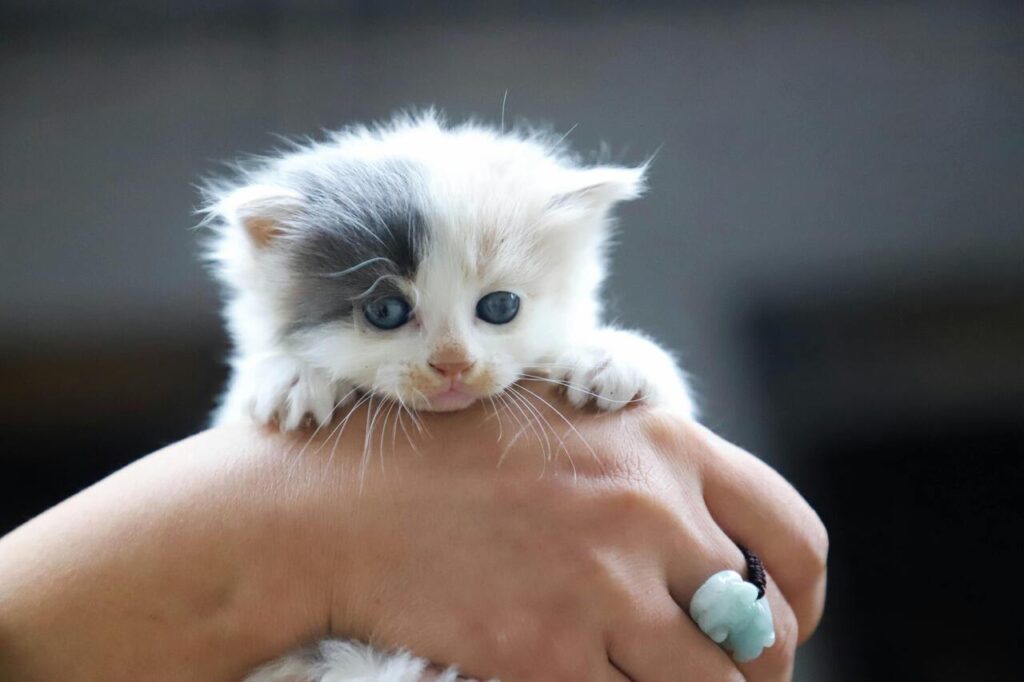
Bringing home a new kitten is like opening the door to tiny paws and endless purrs. As these furry bundles of joy scamper into your life, they come with a blend of curiosity and mischief that demands a well-prepared environment. Preparing for a kitten is about more than just stocking up on toys; it’s about laying the foundation for a lifelong bond. Let’s journey through the essentials every new kitten owner should embrace to make this adventure purr-fectly delightful.
1. Choose the Right Food
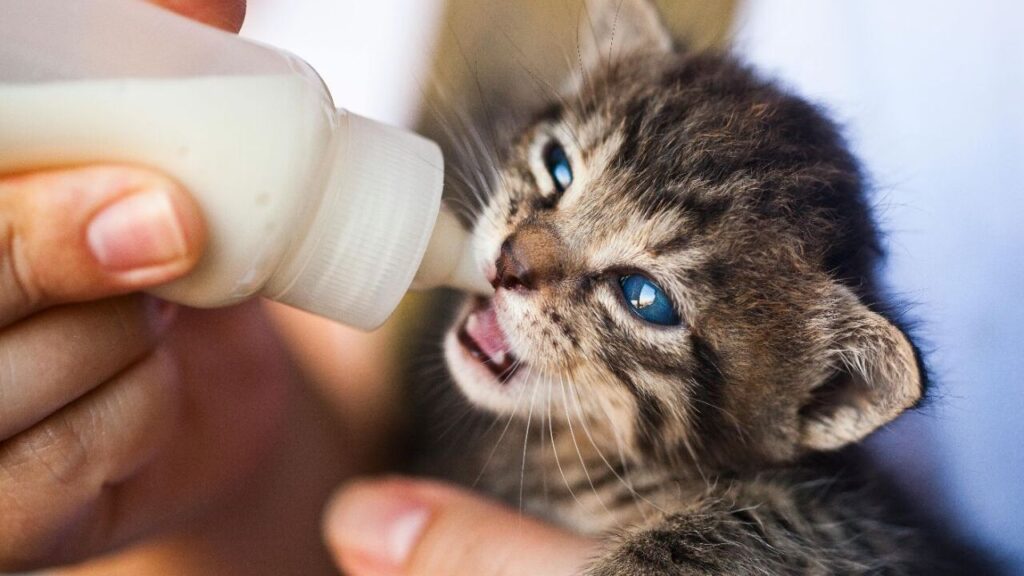
A kitten’s growth is an essential part of their early life, requiring precise nutrition. Selecting high-quality kitten food ensures they receive the necessary proteins and fats to support their developing bodies and boundless energy. Look for foods rich in DHA for brain health and taurine for heart health. Remember, their dietary needs differ from adult cats, so feeding them specially formulated kitten food is crucial. Always keep fresh water available and consult your vet for dietary advice tailored to your kitten’s specific breed and activity level.
2. Create a Safe Space

Your playful new companion needs a sanctuary to call home. A cozy nook with soft bedding, free from hazards, will make them feel secure. Remove any small items that might become chew toys, and ensure windows and balconies are safely secured. A few vertical spaces like cat trees can stimulate their natural climbing instincts and offer vantage points for surveying their new territory. By creating a haven, you’re setting the stage for confidence and exploration, allowing your kitten’s personality to flourish.
3. Litter Training Basics

Litter training your kitten should start the moment they arrive at your doorstep. Position the litter box in a quiet yet easily accessible area. Encourage exploration by placing them in the box after meals or naps, using gentle praise when they get it right. Ensure the box is kept clean, as kittens can be finicky about hygiene. Avoid scented litters initially, which might deter use, and opt for fine clumping litter, making digging a delight rather than a chore. With patience, your kitten will master this essential habit.
4. Schedule First Vet Visit

A timely vet visit sets the stage for your kitten’s health journey. Within the first week of bringing them home, arrange a visit to discuss vaccinations, deworming, and routine check-ups. This initial trip provides insights into preventive care and addresses any concerns about growth or behaviour. Your vet is an invaluable resource, guiding you through spaying or neutering plans and nutritional advice. Establishing a relationship with your vet early ensures your kitten has a healthy start and a purr-thriving future.
5. Kitten Proof Your Home

Welcoming a new kitten is all about providing a safe environment. Before you bring your furry friend home, it’s crucial to kitten-proof your space. Hide electrical cords, secure window screens, and remove any toxic plants or small items that could become a choking hazard. Curious kittens love to explore and sometimes chew so ensuring they are in a safe, hazard-free zone is essential. Creating a cozy haven with soft bedding will help them feel secure. You’ll soon find that a little preparation goes a long way in keeping your playful companion out of trouble.
6. Invest in Toys

Entertaining and engaging your kitten is key to their happiness and development. Toys that mimic prey, like feather wands and crinkle balls, unleash their natural hunting instincts and encourage active play. Not only do these toys provide physical exercise, but they also stimulate their agile minds. Interactive toys can keep your kitten occupied even when you’re not around. Remember, a well-exercised kitten is a happy cat. Investing in a variety of toys can help prevent boredom and unwanted behaviors, making your home a harmonious haven for everyone.
7. Socialization Techniques
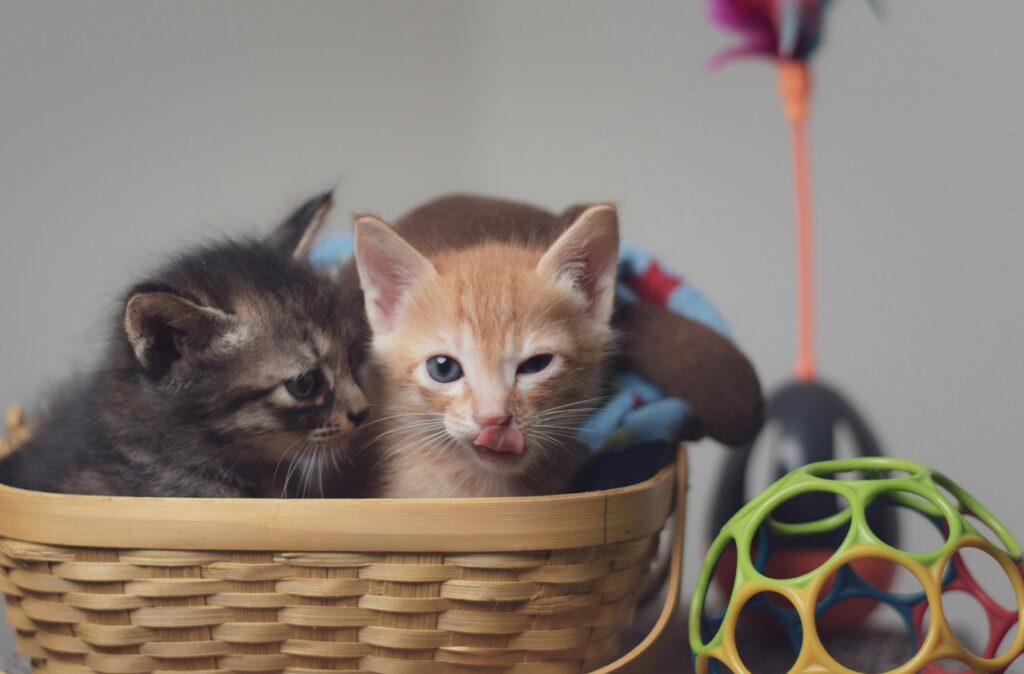
The first few weeks are a critical period for socializing your kitten. Expose them to various sights, sounds, and experiences to help them grow into well-adjusted cats. Invite friends over, introduce other pets gradually, and expose them to different noises like vacuum cleaners. Positive experiences early on make a huge difference. Offering treats and gentle petting during these introductions reinforces good behavior. A kitten that’s exposed to diverse environments becomes a confident adult cat. You’ll delight in the curious and friendly personality that emerges.
8. Establish a Routine

Routine provides a comforting structure for your kitten as they adapt to their new home. Establish regular feeding and playtime schedules to create a sense of security and stability. Consistency helps with litter training too—kittens need a clean and accessible space for their business. Gradually introducing a bedtime will also help them learn when to wind down. Over time, these daily rituals become bonding moments, strengthening your relationship. With an established routine, your kitten will know what to expect and find comfort in the predictability of their day-to-day life.
9. Grooming Essentials
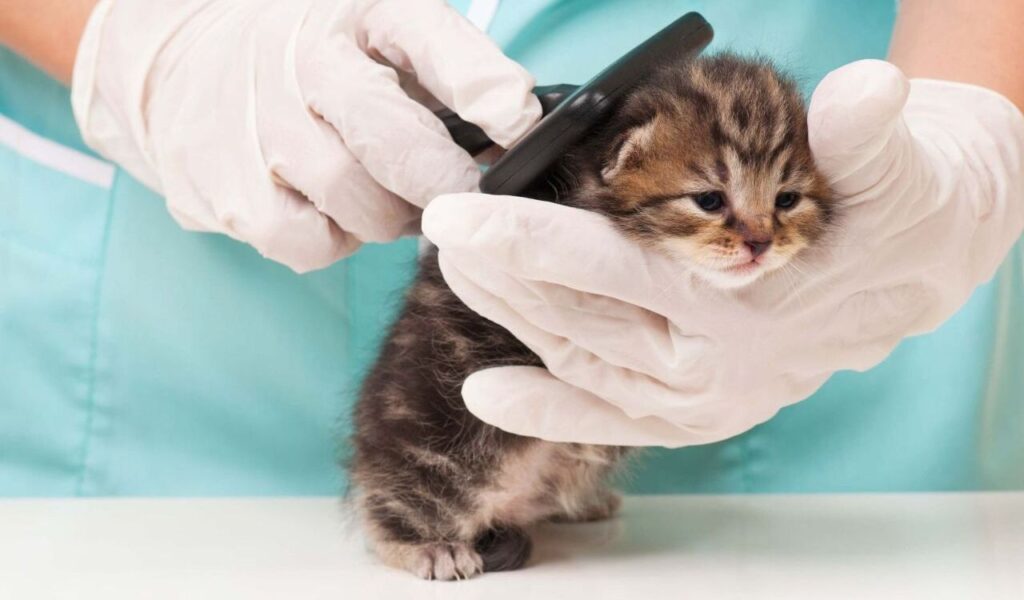
Welcoming a new kitten is like bringing home a tiny, fluffy ball of curiosity. To keep that fur clean and healthy, brushing is essential. Regular grooming helps reduce shedding and prevents mats from forming, all while offering a perfect bonding opportunity. Cats groom themselves, but kittens still require gentle assistance, especially for long-haired breeds. Incorporating a gentle brush and soft wipes can also keep your kitten looking pristine. Plus, regular grooming can familiarize your kitten with being handled, which can make vet visits and nail clipping much more manageable.
10. Mindful Feeding Practices
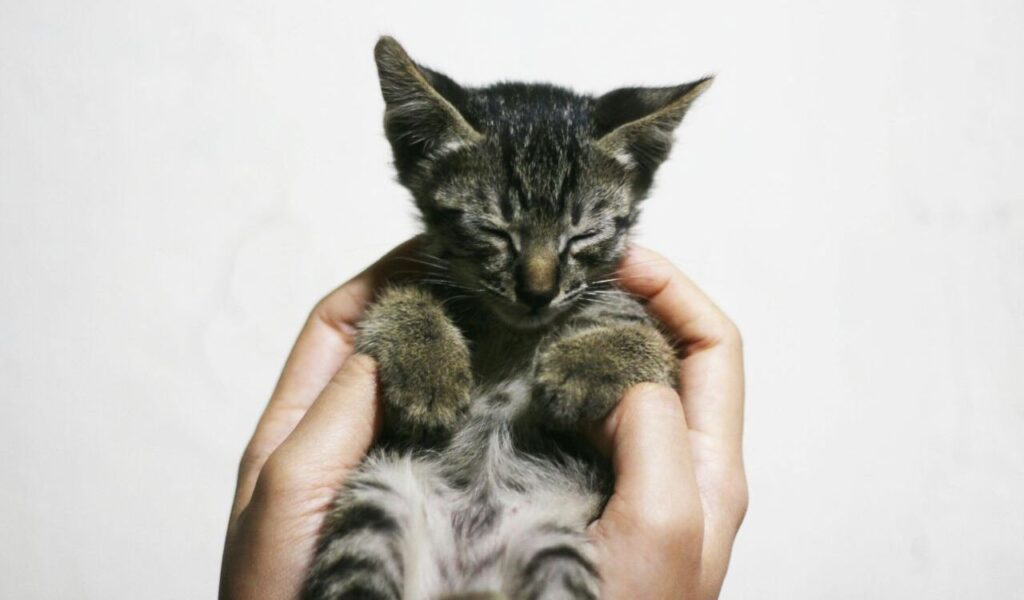
Feeding your kitten the right way sets the stage for a healthy adulthood. Unlike their adult counterparts, kittens need more calories and nutrients to fuel their rapid growth. Providing a balanced kitten-specific diet ensures they’re getting the essential proteins and fats needed. Monitor their feeding to avoid overfeeding, which can lead to obesity later on. Splitting meals into smaller portions throughout the day can mimic natural feeding patterns and keep energy levels steady. Staying attentive to your kitten’s feeding habits is key to keeping them thriving and active.
11. Understanding Kitten Behavior
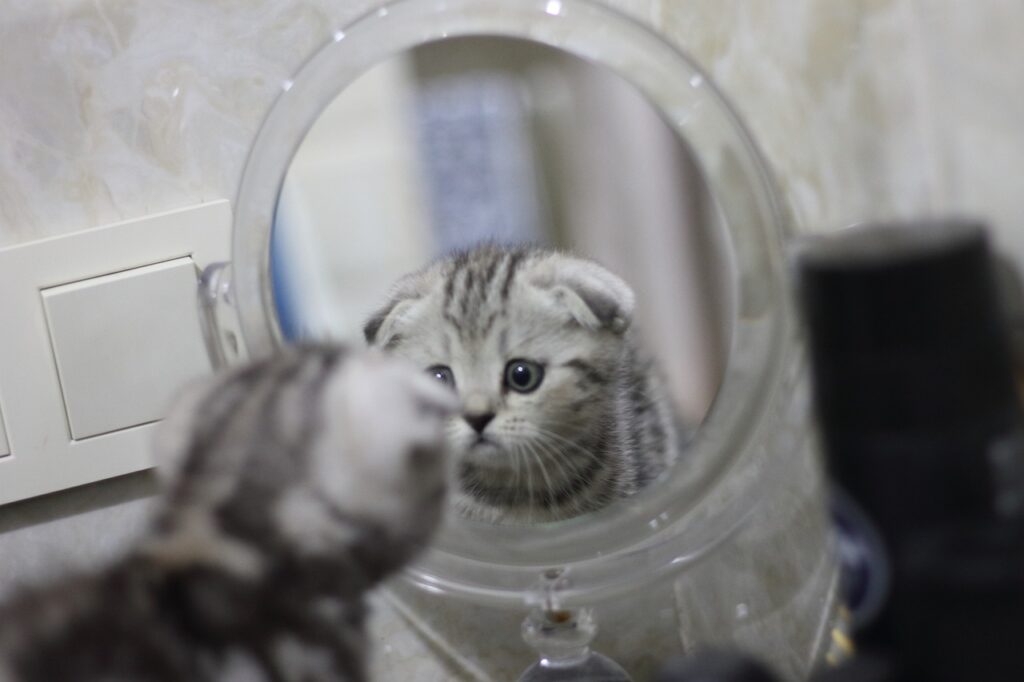
Kittens are naturally inquisitive, eager to explore every nook and cranny. Understanding their behavior is essential to keeping them safe and enriched. Their penchant for chasing anything that moves means playtime is vital. Use toys to channel their hunting instincts constructively. Scratch posts can protect furniture while fulfilling their need to scratch. Kittens are also masters of cat naps, sleeping up to 20 hours a day, which is crucial for their development. Recognizing these behaviors helps you create a stimulating and safe environment for your growing feline friend.
12. Vaccination Schedule

Health protection is crucial for your kitten’s long-term well-being. Vaccinations are a critical component in guarding against common feline diseases. Starting around six to eight weeks old, kittens typically receive a series of core vaccinations, including those for feline distemper, feline calicivirus, and rabies. Sticking to the vaccination schedule keeps your kitten safe and ensures they grow into healthy cats. Regular vet visits not only cover vaccination but offer an opportunity for overall health assessments and nutritional advice. Staying on top of their vaccinations ensures peace of mind and a healthy kitty.
13. Parasite Prevention

Kittens love exploring, but their adventures can sometimes lead them to unwelcome guests, like fleas or worms. Implementing a parasite prevention plan is crucial to protect them from these nuisances. Your vet can recommend appropriate treatments like flea and tick preventatives and deworming regimens. Regular checks and a clean environment are fundamental in keeping pests at bay. Remember, early prevention is more effective than treatment later on. Staying vigilant ensures your kitten remains happy and comfortable, free from the itch and irritation parasitic invaders can cause.
14. Proper Dental Care
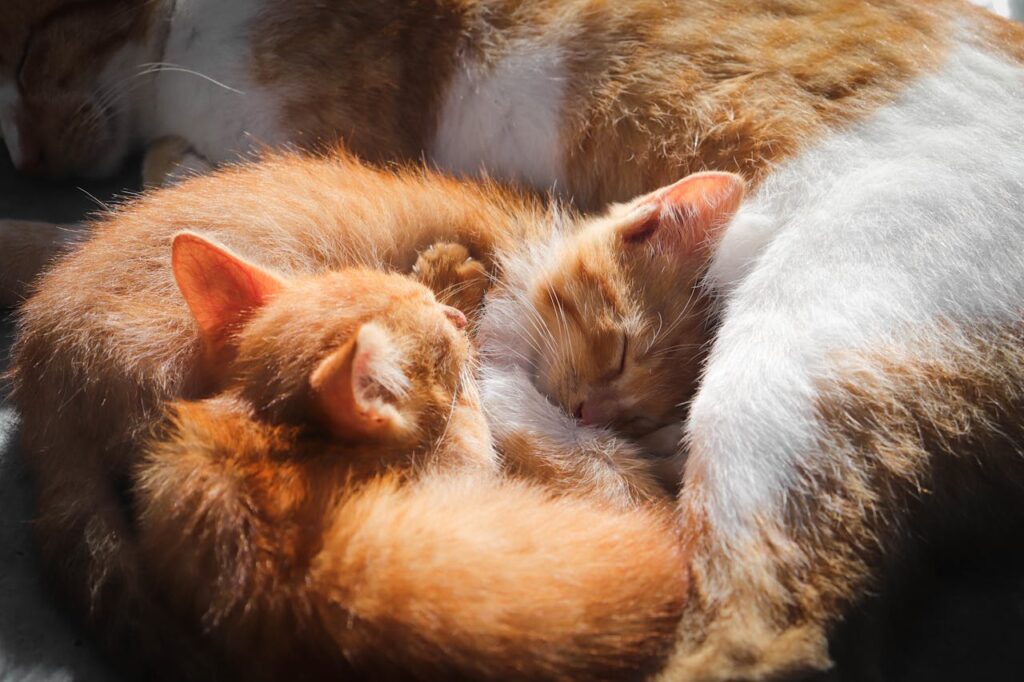
Keeping your kitten’s pearly whites healthy might not be the first thing on your mind, but it’s a crucial part of feline care. Start by introducing tooth brushing early. Use a pet-specific toothbrush and toothpaste—avoid human toothpaste, which can be toxic to cats. Regular brushing helps prevent tartar buildup and dental diseases, which are common in older cats. Teaching your kitten to be comfortable with oral care now will make life easier down the road. Plus, it’s a great bonding experience! A healthy mouth is a gateway to a healthy kitty.
15. Monitor Growth and Development

Watching your kitten grow is delightful, but it’s essential to ensure they’re developing the way they should. Regular vet check-ups will track weight, height, and overall health. Kittens grow quickly, needing balanced nutrition to support their rapid changes. Keep an eye on their milestones, like opening their eyes or social play. Any noticeable delays or unusual behaviors could signal health issues, so staying observant is key. Well-monitored growth not only tracks physical development but also sets the stage for a thriving and happy adulthood.