

Dogs have been our loyal companions for thousands of years, but there’s still so much we don’t know about them. From their mysterious origins to controversial debates over diet, breeding, and behavior, the world of dogs is full of surprises. Some facts will make you see your furry friend in a whole new light, while others might spark some heated discussions among dog lovers. Whether you’re a lifelong dog owner or just fascinated by these incredible animals, get ready to learn some of the most surprising and debated facts about man’s best friend!
1. Some Dog Breeds Are Banned In Certain Countries

Not all dogs are welcome everywhere. Certain breeds, like Pit Bulls, Rottweilers, and Doberman Pinschers, are banned in some countries and cities due to concerns about aggression. These restrictions, known as breed-specific legislation (BSL), aim to prevent dog attacks. However, many experts argue that a dog’s behavior depends more on training and environment than breed. Additionally, some believe these bans unfairly target certain dogs without addressing irresponsible owners. While controversial, these laws continue to spark debate among dog lovers, trainers, and lawmakers worldwide.
2. Dogs Can Get Jealous

Think your dog gets jealous when you pet another pup? You’re probably right! Studies show that dogs can feel jealousy, similar to how a child might react when a parent gives attention to someone else. Researchers have found that dogs often push between their owners and another dog or try to get attention when they feel left out. Furthermore, jealousy in dogs can lead to behavioral issues like whining or pawing at their owners. While some find it cute, others see it as a challenge in multi-pet households.
3. Feeding Dogs A Raw Diet Is Highly Debated

Some dog owners swear by raw food diets, believing they provide better nutrition and a shinier coat. Others argue that raw diets are risky, carrying bacteria like Salmonella that can harm both dogs and humans. Moreover, veterinarians warn that homemade raw diets might lack essential nutrients, leading to deficiencies. While some dogs thrive on raw food, others may struggle with digestive issues. Ultimately, every dog is different, and what works for one might not be best for another.
4. Dogs Can “Catch” Human Emotions

Ever notice that your dog seems to know when you’re sad or stressed? Dogs are incredibly sensitive to human emotions and can even “catch” moods from their owners. Studies show that dogs can pick up on our facial expressions, tone of voice, and body language. Additionally, research suggests that when their owners are anxious or upset, dogs may experience stress themselves. While this emotional connection strengthens the human-dog bond, it also means that nervous or stressed owners might unintentionally pass their anxiety onto their pets.
5. Some Dog Breeds Have More Health Problems Than Others

Not all dog breeds are created equal when it comes to health. Purebred dogs, especially those with extreme physical features like short noses or long spines, often face more health problems than mixed breeds. Brachycephalic breeds like Bulldogs and Pugs struggle with breathing issues, while Dachshunds are prone to back problems. On the other hand, large breeds like Great Danes and Saint Bernards have shorter lifespans and higher risks of heart disease. While breed standards often dictate appearance, some experts argue that prioritizing health over looks would be better for dogs.
6. Dogs Can Be Right Or Left-Pawed
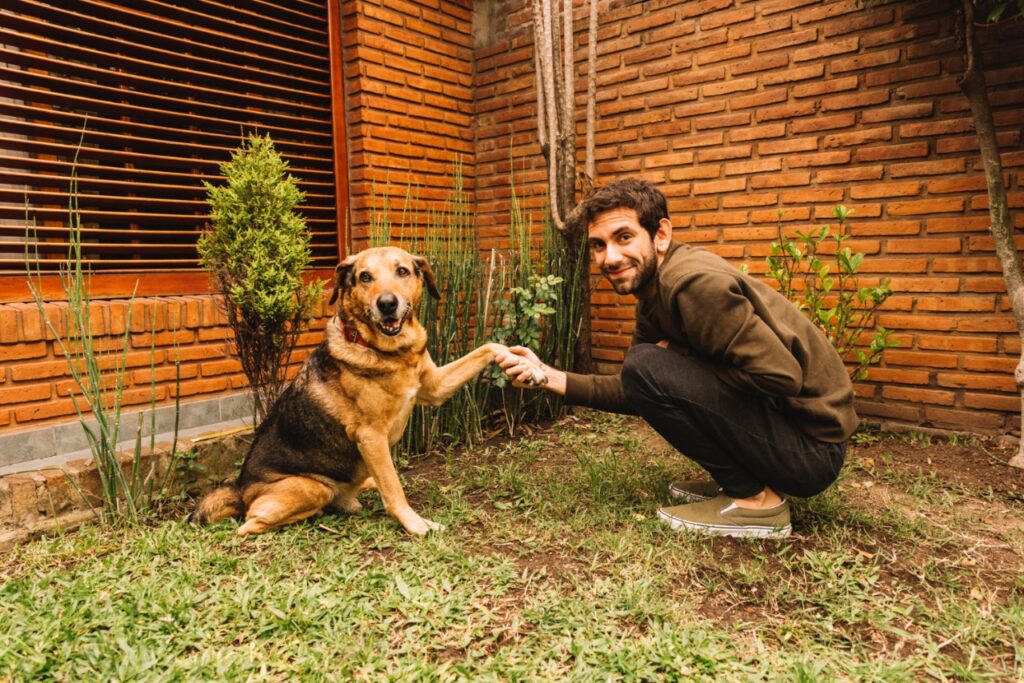
Just like humans are left or right-handed, dogs also have a dominant paw! Studies show that some dogs prefer using one paw over the other when reaching for treats or stepping forward. Additionally, research suggests that left-pawed dogs might be more anxious, while right-pawed dogs tend to be more confident. This preference isn’t just a fun fact but it can impact a dog’s behavior and training. If you’re curious, try a simple test at home by watching which paw your dog uses first when playing or interacting.
7. Some Dog Breeds Have Blue Tongues

Most dogs have pink tongues, but a few breeds, like the Chow Chow and Shar Pei, are born with blue or black tongues. The reason for this unique trait isn’t entirely clear, but it’s believed to be genetic. Also, some mixed-breed dogs can inherit this trait, even if they don’t look like a Chow or Shar Pei. While a blue tongue is normal for these breeds, in other dogs, it can be a sign of health issues like poor oxygen circulation. If your dog’s tongue suddenly changes color, it’s best to check with a vet.
8. Dogs Can Recognize Themselves In A Mirror- Sort Of

Unlike humans and some primates, dogs don’t usually pass the classic mirror test for self-recognition. However, they do recognize their own scent! Studies show that dogs can identify their own smell on objects, which scientists consider a form of self-awareness. Additionally, while most dogs ignore mirrors, some react by barking or playing, thinking they’ve found another dog. While they may not understand reflections like we do, dogs are incredibly aware of their surroundings in other ways, using scent and sound more than sight.
9. Tail Wagging Doesn’t Always Mean A Dog Is Happy

A wagging tail doesn’t always mean a happy dog. Different tail wags can signal different emotions, such as fast wags usually mean excitement, while slow, stiff wags can indicate uncertainty or aggression. What’s more, research suggests that the direction of the wag matters. Dogs wag more to the right when feeling positive and to the left when nervous or unsure. Understanding tail language can help owners better interpret their dog’s mood and avoid misunderstandings.
10. Dogs Can See More Than Just Black And White

It’s a common myth that dogs only see in black and white, but they actually perceive colors just in a different way than humans do. Dogs can see shades of blue and yellow, but they struggle to distinguish reds and greens. Moreover, their vision is better suited for detecting movement in low light, making them excellent night-time hunters. While their color vision isn’t as rich as ours, dogs rely more on their incredible sense of smell and hearing to navigate the world around them.
11. Rescue Dogs Can Develop “Shelter Shock”

Adopting a rescue dog is an amazing thing, but some dogs go through “shelter shock” when transitioning to a new home. Moving from a stressful shelter environment to a quiet house can be overwhelming, leading to nervousness, withdrawal, or even sudden bursts of energy. Also, rescue dogs may take weeks or even months to fully adjust. Giving them time, patience, and a consistent routine helps them feel secure. Although the adjustment period can be challenging, watching a rescue dog grow into a happy and confident pet is truly rewarding.
12. Some Dogs Can Be Vegan—But It’s Controversial

Can dogs thrive on a vegan diet? Some owners say yes, while others argue that dogs need meat to stay healthy. Technically, dogs are omnivores, meaning they can survive on both plants and meat. Additionally, some studies suggest that carefully planned vegan diets can meet a dog’s nutritional needs. However, critics warn that without proper balance, dogs can miss out on essential nutrients. While plant-based dog food is growing in popularity, many vets recommend sticking with high-quality meat-based diets unless there’s a medical reason to go vegan.
13. Dogs Can Get Dementia

Just like humans, older dogs can develop cognitive decline, known as canine dementia. Symptoms include confusion, disorientation, restlessness, and changes in sleep patterns. Secondly, some dogs may forget familiar commands or routines. While there’s no cure, diet, mental stimulation, and certain medications can help slow progression. Recognizing the signs early can help owners provide better care for aging dogs. Keeping a senior dog’s brain engaged with puzzles and interactive toys is a great way to support their mental health as they get older.
14. Some Dogs Are Allergic To Humans

We often hear about people being allergic to dogs, but did you know that some dogs are actually allergic to humans? It’s rare, but it happens when dogs can develop sensitivities to human dander, just like we can be allergic to pet fur. Moreover, some dogs react to household products like perfumes, laundry detergents, or cleaning sprays. Symptoms include itching, sneezing, and skin irritation. If a dog shows signs of allergies, a vet can run tests to determine the cause. With the right care, even allergic dogs can live happily with their favorite humans!
15. Dogs Can Dream Just Like Humans

Dogs often twitch, whimper, or even “run” in their sleep because they dream just like we do. Studies show that dogs go through REM (rapid eye movement) sleep, the stage where dreams occur. Furthermore, researchers believe dogs likely dream about their daily experiences, such as playing fetch, chasing squirrels, or spending time with their favorite human. Puppies and older dogs tend to dream more frequently than middle-aged dogs. While we may never know exactly what they are dreaming about, it is fun to imagine what goes on in their sleepy little minds.leepy little minds.
Love Pets as Much as We Do?

Scroll up and click the ‘Follow’ button to stay updated with the latest heartwarming, hilarious, and helpful pet posts from Pawdown, delivered straight to your Microsoft Start feed and MSN homepage!