

Owning a dog is a rewarding experience, but it also comes with responsibilities, including understanding potential health risks. Some breeds are more prone to genetic disorders due to selective breeding and inherited traits. These conditions can affect their quality of life, leading to chronic pain, mobility issues, or even life-threatening diseases. Knowing which breeds are at higher risk allows pet owners to take preventive measures, ensure regular veterinary care, and provide the best possible quality of life for their furry companions. Here are 15 dog breeds that face the highest risk of genetic disorders.
1. Bulldog

Bulldogs are known for their distinctive flat faces and stocky builds, but these features come at a cost. They frequently suffer from brachycephalic airway syndrome, leading to severe breathing difficulties. Their short snouts make it hard for them to regulate body temperature, increasing their risk of heatstroke. Additionally, Bulldogs often experience hip dysplasia, joint pain, and skin infections due to their excessive wrinkles. Owners should ensure proper grooming, maintain a healthy weight, and schedule regular veterinary check-ups to manage these issues.
2. German Shepherd
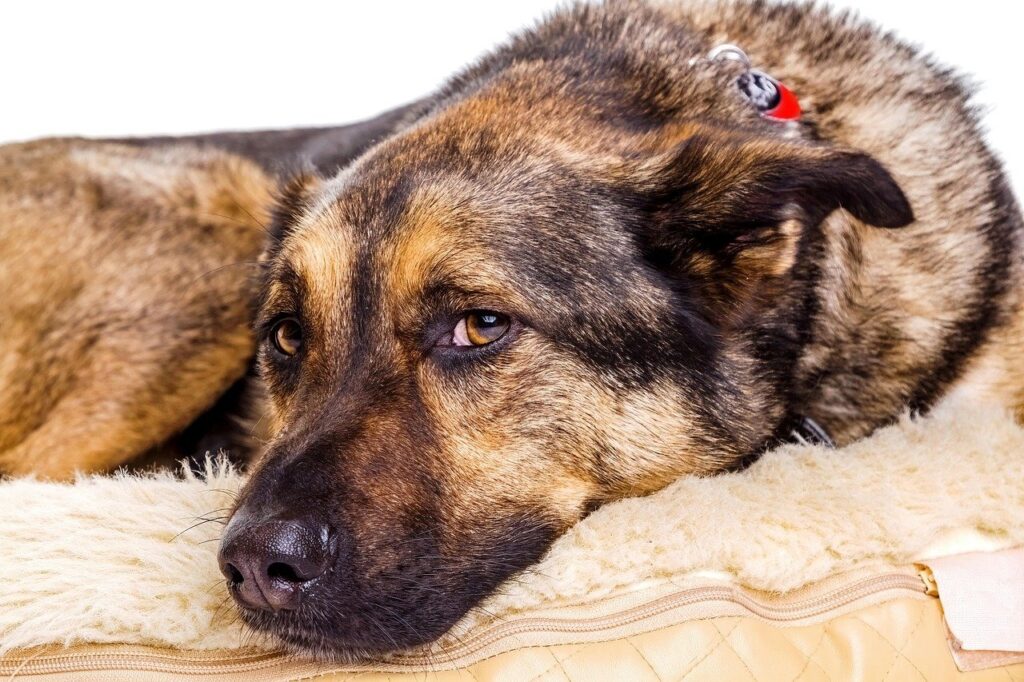
German Shepherds are highly intelligent and loyal, but they are predisposed to several genetic health issues. Hip and elbow dysplasia are common, often leading to arthritis and mobility problems later in life. Degenerative myelopathy, a progressive spinal cord disease, is another concern, which can cause paralysis. They also suffer from digestive issues like exocrine pancreatic insufficiency (EPI), which affects nutrient absorption. Regular exercise, a balanced diet, and routine health screenings can help mitigate these risks.
3. Cavalier King Charles Spaniel

This affectionate breed is prone to several serious genetic disorders, the most concerning being mitral valve disease, which affects the heart and can lead to heart failure. Syringomyelia, a painful neurological disorder caused by skull malformation, is also common. Cavaliers often experience eye disorders like cataracts and retinal degeneration. Regular cardiac screenings and early intervention can help manage these conditions. Owners should also monitor their dog’s weight to reduce strain on the heart and joints.
4. Dachshund

Dachshunds are beloved for their long bodies and short legs, but this body structure makes them highly susceptible to intervertebral disc disease (IVDD). This condition can lead to chronic pain, nerve damage, and even paralysis. They are also prone to patellar luxation, hip dysplasia, and obesity, which can exacerbate their spinal issues. To reduce these risks, owners should prevent excessive jumping, provide orthopedic bedding, and maintain an appropriate weight through proper diet and exercise.
5. Boxer

Boxers are energetic and affectionate, but they face a high risk of developing certain cancers, such as lymphoma and mast cell tumors. Additionally, they are prone to heart conditions like arrhythmogenic right ventricular cardiomyopathy (ARVC), which can lead to sudden cardiac arrest. Hip dysplasia and degenerative joint diseases are also common. Routine veterinary check-ups, a heart-healthy diet, and genetic testing can help detect issues early. Providing ample exercise while avoiding excessive strain on the joints is crucial for their well-being.
6. Great Dane

Great Danes are among the largest dog breeds, and their massive size contributes to a higher risk of health issues. Gastric dilatation-volvulus (bloat) is a life-threatening condition that affects many Danes, requiring immediate medical attention. They are also prone to hip dysplasia, osteosarcoma (bone cancer), and dilated cardiomyopathy, which weakens the heart. Owners should feed them smaller, more frequent meals to prevent bloat, ensure moderate exercise, and schedule routine heart screenings to catch potential issues early.
7. Pug

Pugs are small, playful companions, but their brachycephalic facial structure makes breathing difficult. Brachycephalic airway syndrome, common in Pugs, can lead to snoring, overheating, and respiratory distress. They are also prone to obesity, worsening their breathing issues, and eye problems like corneal ulcers. Skin infections in their facial wrinkles are another frequent concern. Keeping them at a healthy weight, ensuring regular vet visits, and maintaining facial hygiene can help improve their quality of life and longevity.
8. Labrador Retriever

Labradors are one of the most popular dog breeds, but they are prone to various genetic disorders. Hip and elbow dysplasia are common, often leading to arthritis. Progressive retinal atrophy (PRA), an inherited eye disorder, can result in blindness. Exercise-induced collapse (EIC) is another concern, where affected dogs experience muscle weakness after exertion. Labradors also have a genetic predisposition to obesity, increasing their risk of diabetes and joint problems. A balanced diet, portion control, and regular exercise are essential to keeping them healthy.
9. Scottish Terrier

Scottish Terriers, or “Scotties,” are charming but prone to several genetic disorders. They have a higher risk of developing bladder cancer, particularly transitional cell carcinoma (TCC). Scottie Cramp, a neurological disorder affecting movement, can also occur. Additionally, they may suffer from von Willebrand disease, a blood clotting disorder. To manage these risks, owners should ensure regular veterinary check-ups, provide high-quality nutrition, and monitor their dog’s behavior for signs of pain or discomfort.
10. Shih Tzu

Shih Tzus are adorable small dogs, but their brachycephalic nature makes them prone to breathing difficulties. They often suffer from brachycephalic airway syndrome, which can lead to snoring, overheating, and respiratory distress. Additionally, their small mouths cause dental overcrowding, leading to periodontal disease. Patellar luxation and progressive retinal atrophy are also common concerns. Owners should maintain their dog’s dental hygiene, keep them at a healthy weight, and monitor their breathing during warm weather.
11. Doberman Pinscher

Dobermans are strong, athletic dogs with a predisposition to genetic disorders. They frequently develop dilated cardiomyopathy, a heart muscle disease that can lead to heart failure. They are also prone to von Willebrand disease, which affects blood clotting, and hip dysplasia. Wobbler syndrome, a spinal disorder, can cause mobility issues. To mitigate these risks, owners should ensure their Doberman receives regular heart screenings, joint support supplements, and a well-balanced diet to maintain muscle strength.
12. Cocker Spaniel

Cocker Spaniels are affectionate dogs, but they are susceptible to progressive retinal atrophy (PRA), which leads to vision loss. Their long ears make them prone to chronic ear infections. They can also develop hip dysplasia and immune-mediated hemolytic anemia (IMHA), a severe blood disorder. Proper ear care, genetic screening, and a well-balanced diet can help manage these health concerns. Regular veterinary visits are essential to detect issues early and improve their quality of life.
13. Bernese Mountain Dog
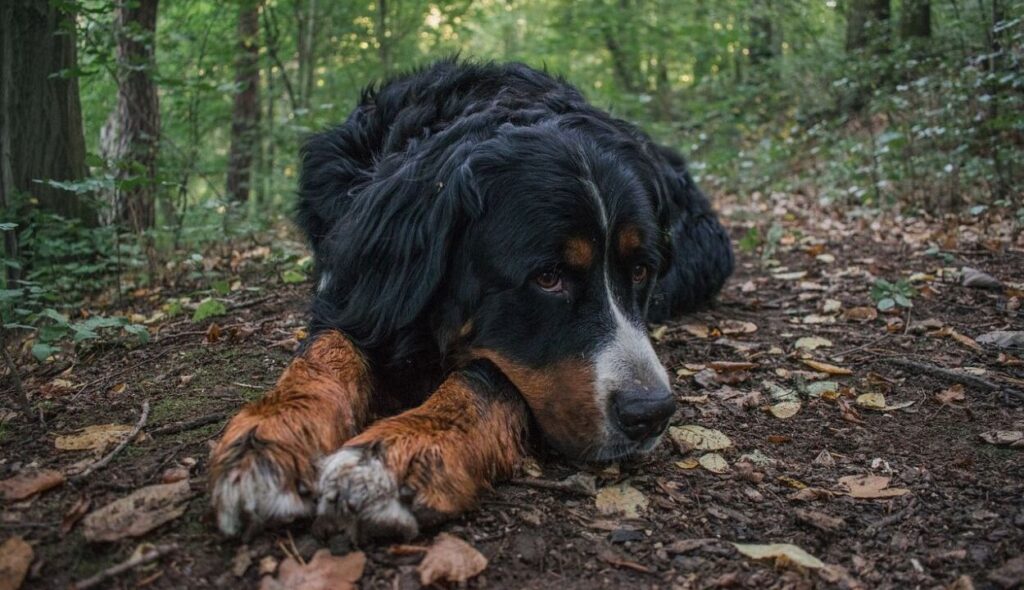
Bernese Mountain Dogs are large, affectionate companions, but they have a high incidence of cancer, particularly histiocytic sarcoma. They are also prone to hip and elbow dysplasia and inherited eye disorders like progressive retinal atrophy. Their thick coats require regular grooming to prevent skin infections. To reduce their risk of illness, owners should provide high-quality nutrition, ensure regular health screenings, and watch for early signs of joint or vision problems.
14. Shar Pei

Shar Peis are unique for their deep wrinkles, but these folds make them prone to skin infections and irritation. Shar Pei Fever, a hereditary disorder causing fever and swollen joints, is common. They also experience hip dysplasia and entropion, a painful eyelid condition. Owners should clean their wrinkles daily, monitor their temperature for signs of fever, and ensure proper joint care through supplements and moderate exercise.
15. French Bulldog

French Bulldogs are highly popular but suffer from severe genetic issues. Their flat faces cause brachycephalic airway syndrome, leading to breathing difficulties. They are also prone to spinal disorders, overheating, and skin infections. Their small size makes them susceptible to joint problems like patellar luxation. Owners should manage their weight, keep them cool in hot weather, and seek veterinary advice for any breathing difficulties.
Love Pets as Much as We Do?

Scroll up and click the ‘Follow’ button to stay updated with the latest heart-warming, hilarious, and helpful pet posts from Pawdown, delivered straight to your Microsoft Start feed and MSN homepage!