
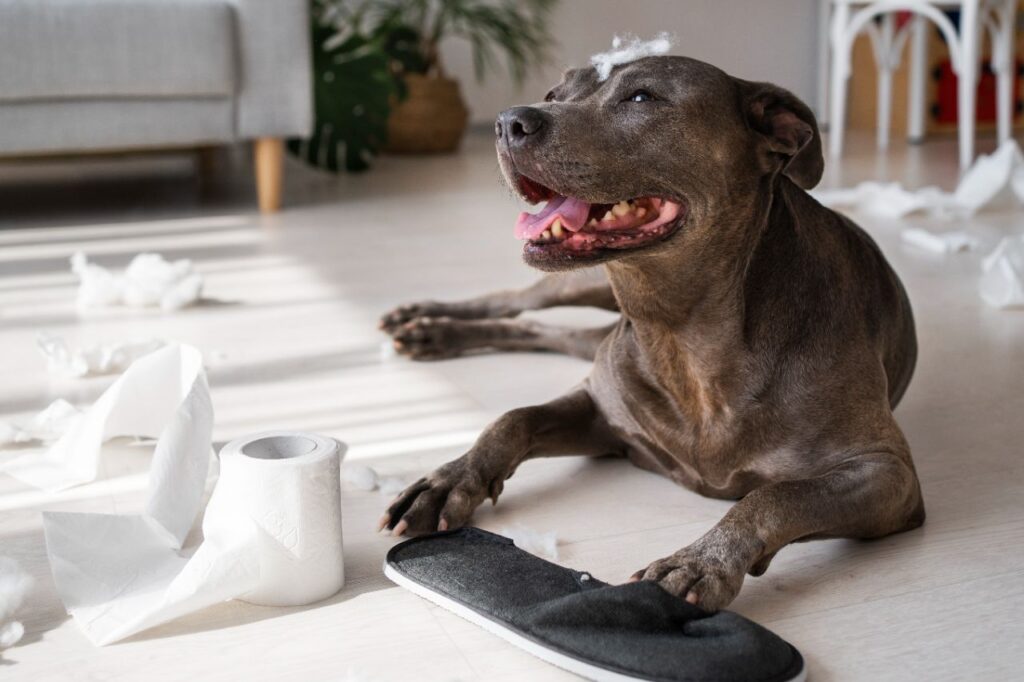
Every dog owner dreams of having a pet that’s well-behaved and easy to manage. However, even the best dogs can develop habits that need correcting. Whether it’s excessive barking, jumping on guests, or chewing your favorite pair of shoes, these behaviors can often be resolved with patience, consistency, and understanding. Let’s explore 15 gentle methods to help you address and fix your dog’s bad behavior, ensuring a happier and more harmonious relationship with your furry friend.
1. Understand The Root Cause

Behavioral issues often stem from underlying causes like boredom, anxiety, or lack of training. Observing your dog’s behavior and environment can provide clues. For instance, excessive barking might indicate boredom, while chewing could be a sign of teething or stress. Spend time identifying patterns—does the behavior occur at certain times or in specific situations? Once you know the root cause, you can take targeted steps to address it. Whether it involves providing more exercise, reducing anxiety triggers, or implementing structured training, addressing the cause is key to sustainable behavior improvement.
2. Reward Good Behavior

Positive reinforcement is one of the most effective ways to encourage desirable behaviors. Whenever your dog behaves appropriately, reward them with treats, praise, or affection. This creates a strong association between good behavior and positive outcomes, motivating them to repeat it. Be specific in your rewards—praise for sitting quietly, lying in their bed, or greeting guests politely. The immediacy of the reward is crucial, as dogs associate their actions with outcomes quickly. Consistency in rewarding good behavior reinforces learning and helps your dog understand what’s expected in various situations.
3. Redirect Undesirable Actions

If your dog engages in an unwanted behavior, redirect them to a more acceptable alternative. For example, if they’re chewing furniture, offer a chew toy instead. If they’re jumping on guests, encourage them to sit and reward that behavior. Redirection helps your dog learn what is acceptable without focusing excessively on the negative action. Over time, consistent redirection will create new habits and minimize undesirable behaviors. The key is to always provide a positive alternative that meets your dog’s needs, whether it’s for chewing, playing, or seeking attention.
4. Set Clear Boundaries
Consistency is key when addressing bad behavior. Make sure everyone in your household follows the same rules and enforces them uniformly. If your dog isn’t allowed on the couch, ensure that no one makes exceptions. Mixed signals can confuse your pet and hinder progress. Establishing clear boundaries also means reinforcing them regularly, such as redirecting your dog every time they try to break a rule. Over time, your dog will learn what behaviors are acceptable and what are not. Clear boundaries help your dog feel secure and understand their place within your household.
5. Use Calm, Firm Commands

Dogs are highly responsive to tone. When correcting behavior, use a calm and firm voice instead of yelling or scolding. This approach conveys authority without creating fear, which can damage your bond. For example, instead of shouting when your dog barks excessively, calmly redirect their attention and use a consistent command like “quiet.” Over time, your dog will associate your calm, firm tone with instruction rather than threat. This method fosters trust and encourages compliance, making your dog more receptive to training.
6. Provide Adequate Exercise

Many behavioral problems arise from pent-up energy. Regular physical activity can help prevent issues like excessive barking, digging, or hyperactivity. Tailor the intensity and duration of exercise to your dog’s breed and age to ensure they’re adequately stimulated. High-energy breeds like Border Collies or Huskies often require more vigorous exercise than smaller or less active breeds. Incorporate activities such as fetch, agility training, or long walks to keep your dog engaged. A tired dog is often a well-behaved dog, as they’re less likely to channel excess energy into destructive behaviors.
7. Address Anxiety Triggers

If your dog’s behavior is linked to anxiety, identify and address the triggers. Common triggers include loud noises, separation, or unfamiliar environments. Desensitization techniques, like gradually exposing your dog to the trigger while rewarding calm behavior, can help alleviate anxiety. For example, if your dog fears thunderstorms, play recordings of storm sounds at a low volume and reward them for staying calm. Over time, increase the volume as they grow more comfortable. Understanding your dog’s anxiety triggers and addressing them gently can prevent related behavioral issues from escalating.
8. Practice Impulse Control

Teaching commands like “wait” or “leave it” helps your dog develop impulse control. Start with simple exercises, such as having them sit and wait for their meal. Gradually increase the difficulty by adding distractions to strengthen their self-control. For instance, place a treat on the ground and ask your dog to “leave it” until you give the release command. Over time, these exercises improve your dog’s ability to stay focused and resist temptations. Impulse control not only improves behavior but also enhances safety, especially in situations involving traffic, other animals, or food.
9. Avoid Punishment

Punishing your dog for bad behavior can lead to fear or aggression rather than understanding. Instead, focus on teaching them what you want them to do. For example, if they jump on guests, train them to sit when someone enters the room. Reward them for sitting calmly instead of reprimanding them for jumping. Dogs learn best through positive reinforcement and clear communication. Avoiding punishment fosters trust and ensures your dog feels safe and secure while learning new behaviors.
10. Use Crate Training

A crate can be a valuable tool for managing unwanted behaviors, especially when you’re not at home. Ensure the crate is a positive space for your dog by introducing it gradually and making it comfortable. Crate training helps prevent destructive behaviors and fosters a sense of security. Use the crate as a safe haven rather than a punishment. For example, if your dog tends to chew furniture when left alone, crating them with a favorite toy can redirect their energy. Over time, your dog will associate the crate with comfort and relaxation.
11. Establish A Routine
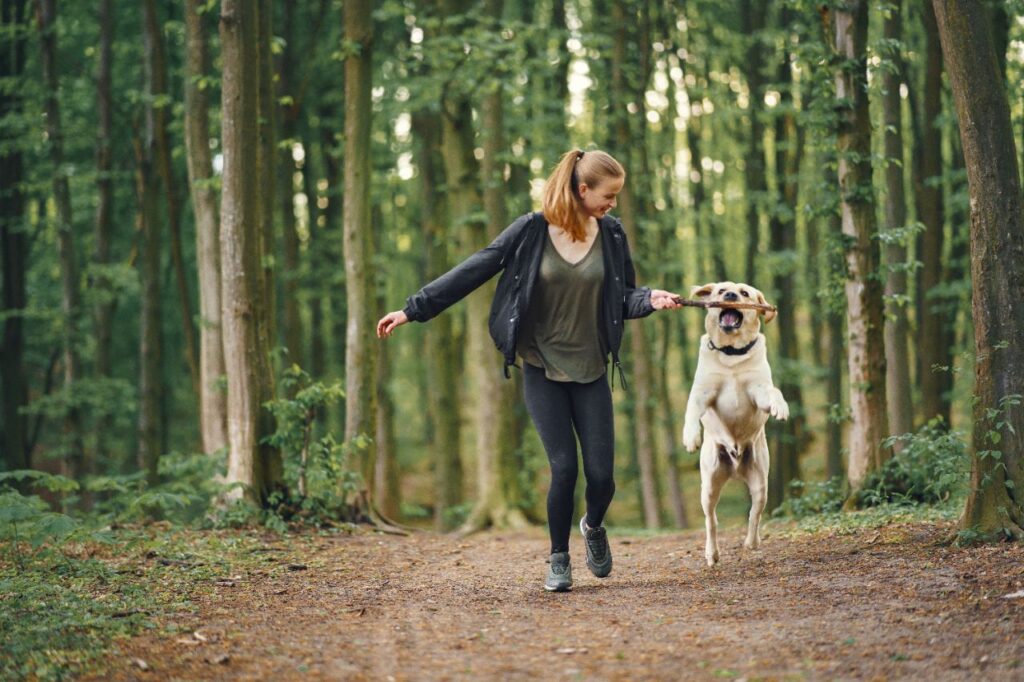
Dogs thrive on routine and predictability. Consistent schedules for feeding, walks, and playtime help reduce stress and prevent boredom-related behaviors. A well-structured day can make it easier for your dog to understand expectations. For example, if your dog knows they’ll have playtime after dinner, they’re less likely to pester you during mealtime. Routines also aid in house training, as consistent potty breaks teach your dog when and where it’s appropriate to relieve themselves. A reliable routine creates a sense of security and promotes overall good behavior.
12. Supervise Interactions

When introducing your dog to new environments, people, or animals, supervision is essential. Properly guiding these interactions prevents negative experiences and reinforces positive behaviors, helping your dog feel safe and confident. For instance, if your dog is meeting another pet for the first time, monitor their body language and intervene if signs of stress or aggression arise. Reward calm and friendly behavior to encourage positive associations. Supervision also allows you to redirect undesirable actions and teach appropriate responses in real-time, ensuring successful interactions.
13. Invest In Interactive Toys

Interactive toys and puzzles are excellent for keeping your dog mentally stimulated. These tools can prevent boredom and reduce behaviors like chewing or barking caused by a lack of engagement. Choose toys that match your dog’s size, breed, and play style to ensure they’re both challenging and safe. For example, treat-dispensing toys can keep your dog occupied while rewarding them for problem-solving. Rotating toys regularly prevents monotony and maintains your dog’s interest. Interactive toys are an easy and effective way to channel your dog’s energy constructively.
14. Seek Professional Help

If you’re struggling to manage your dog’s behavior on your own, consult a professional trainer or behaviorist. They can provide tailored strategies and insights to address specific issues effectively. Group training classes can also be beneficial, offering socialization opportunities alongside structured learning. For severe issues like aggression or extreme anxiety, a behaviorist’s expertise may be essential. Seeking help is a proactive step toward improvement and ensures your dog receives the guidance they need to thrive in your home and beyond.
15. Be Patient And Consistent

Behavioral change takes time. Celebrate small victories and remain consistent in your approach. Patience and persistence are critical to helping your dog learn new habits and overcome old ones. If progress seems slow, remember that every dog learns at their own pace. Focus on building a strong, trusting relationship with your dog, as this foundation is crucial for long-term success. By staying positive and consistent, you’ll create an environment where your dog feels supported and motivated to exhibit good behavior. The rewards of a well-behaved and happy dog are well worth the effort.
Love Pets as Much as We Do?

Scroll up and click the ‘Follow’ button to stay updated with the latest heartwarming, hilarious, and helpful pet posts from Pawdown, delivered straight to your Microsoft Start feed and MSN homepage!