
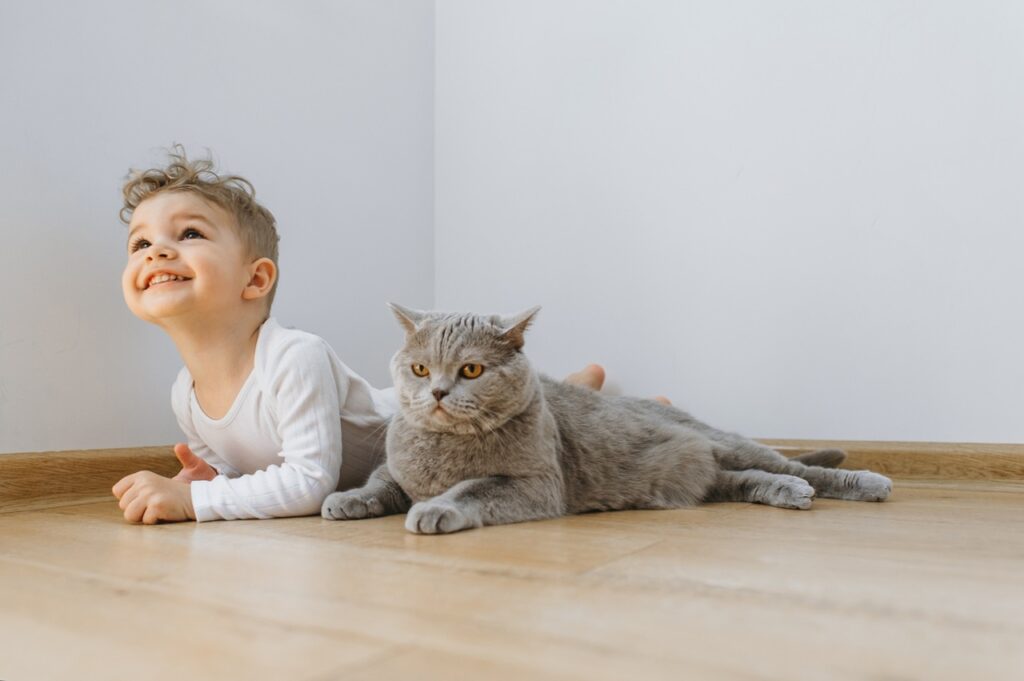
Welcoming a new baby into your home is an exciting milestone, but it can be an overwhelming change for your cat. Cats thrive on routine, so any changes to their surroundings may lead to feelings of stress or unease. A thoughtful, gradual approach is essential to help your cat adjust to the new dynamics. Preparing your feline companion ahead of time and introducing the baby step by step can create a harmonious environment. With patience and care, your cat can feel secure while adapting to their new family member.
1. Prepare Your Cat Before the Baby Arrives

Preparation is key to helping your cat adjust to a baby’s arrival. Introduce baby furniture like cribs and highchairs early, allowing your cat to explore and become familiar with these new items. Reward your cat’s curiosity with treats and praise to encourage positive associations. Consider playing baby sounds at a low volume to desensitize your cat to unfamiliar noises. Setting up these elements beforehand ensures your cat won’t be overwhelmed by sudden changes. This preparation fosters a smoother transition when your baby comes home.
2. Maintain Consistency in Your Cat’s Routine

Cats thrive on routine, and maintaining consistency in their daily schedule can help them feel secure. Keep feeding times, play sessions, and litter box cleaning regularly to provide a sense of normalcy. If changes are necessary, introduce them gradually to allow your cat time to adjust. Ensuring stability in their routine demonstrates that their needs are still a priority. This reassurance can prevent behavioral issues and reduce anxiety as your household adapts to the new addition. Predictability is a cornerstone of a stress-free environment.
3. Introduce New Scents Gradually
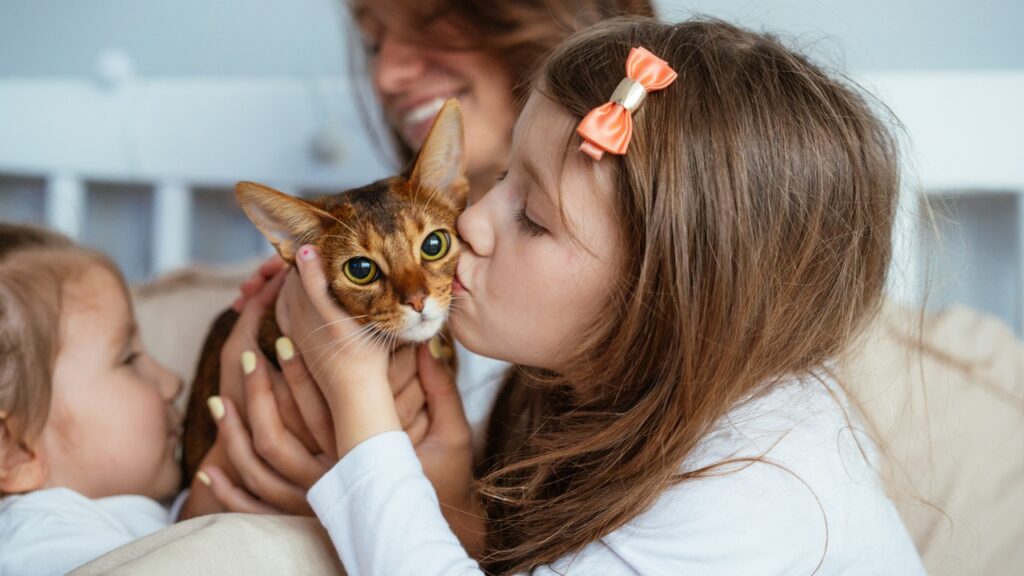
Cats rely heavily on scent to interpret their surroundings, so introducing your baby’s scent in advance can ease the transition. Before bringing the baby home, let your cat investigate a blanket or clothing item carrying the baby’s scent. Observe your cat’s reaction and reward calm behavior with treats. This exposure helps your cat associate the scent with positive experiences. By familiarizing your cat with the baby’s scent gradually, you reduce the likelihood of fear or stress when they finally meet. Scent introduction is a vital first step.
4. Make a Cozy and Secure Spot for Your Cat

Providing your cat with a safe, quiet space where they can retreat is essential. Choose a room or corner where your cat can relax without disturbances, and equip it with cozy bedding, toys, food, water, and a litter box. Introduce this sanctuary well before the baby arrives to ensure your cat feels comfortable and secure in the area. A dedicated space allows your cat to retreat whenever they feel overwhelmed. This safe haven promotes relaxation and ensures your cat can cope with the changes in their environment.
5. Familiarize Your Cat with Baby Sounds

Baby cries and coos can be startling to cats, especially those unaccustomed to such noises. Help your cat adjust by playing recordings of baby sounds at a low volume initially, then gradually increase the volume over time. Pair the experience with positive reinforcement, such as treats or petting, to create a sense of calm. This desensitization process prepares your cat for the real-life sounds they’ll encounter. Gradual exposure to baby noises can reduce stress and prevent your cat from becoming startled by new auditory stimuli.
6. Introduce Baby Equipment Early

Baby items like strollers, swings, and car seats can be intimidating for cats if introduced suddenly. Set these items up in your home well before the baby’s arrival, allowing your cat to explore them at their own pace. Use treats or toys to encourage curiosity and reward calm behavior around the equipment. Gradual exposure helps your cat view these objects as non-threatening. Familiarizing your cat with baby gear in advance prevents them from feeling overwhelmed and ensures a smoother transition when the baby comes home.
7. Teach Boundaries Gently

Establishing boundaries early helps ensure both your cat’s and baby’s safety. Keep areas like the crib, changing table, and playmat off-limits to your cat by using deterrents like double-sided tape or gentle barriers. At the same time, provide alternative spots where your cat can relax, such as a perch or bed near a window. Reinforce positive behavior by rewarding your cat when they respect the boundaries. This approach helps your cat understand the new household rules while still feeling included. Setting boundaries is essential for harmony.
8. Supervise Early Interactions
When introducing your cat to the baby for the first time, ensure the meeting is calm and closely supervised. Keep your cat at a safe distance and allow them to observe the baby without pressure. Offer treats or praise when your cat shows relaxed curiosity or calm behavior. Avoid forcing interaction, as this can cause fear or stress. Early introductions should be brief and positive, setting the stage for a healthy relationship. Supervised meetings allow both your cat and baby to adjust to each other at their own pace.
9. Monitor Body Language Closely

Your cat’s body language can provide valuable insight into how they feel about the baby. Watch for signs of stress, such as flattened ears, a swishing tail, or dilated pupils. Positive cues, like relaxed posture or purring, indicate comfort. Reward calm and curious behaviors to reinforce trust. If your cat displays signs of discomfort, provide space and revisit earlier steps. Being attentive to body language ensures safe interactions and helps you address any issues before they escalate, fostering a peaceful coexistence.
10. Use Calming Products if Needed

If your cat struggles with anxiety during the transition, consider using calming aids. Supplements or probiotics designed to reduce stress may also be effective. Always consult your veterinarian for guidance before introducing any calming products. These tools can help your cat feel more at ease, making it easier for them to adapt to the changes in their environment. A calm, stress-free cat is more likely to form a positive relationship with the new baby.
11. Offer Plenty of Enrichment

Keeping your cat entertained with enrichment activities is vital during this transitional period. Provide toys, climbing structures, and interactive play sessions to engage your cat both mentally and physically. Enrichment reduces boredom and prevents unwanted behaviors stemming from stress or anxiety. A stimulated cat is less likely to feel neglected or overwhelmed by the changes in their environment. Regular enrichment also strengthens the bond between you and your cat, ensuring they continue to feel loved and valued despite the new addition.
12. Reward Calm Behavior

Positive reinforcement is a powerful tool for helping your cat adjust to the baby. Reward calm, relaxed behavior around the baby with treats, petting, or verbal praise. This encourages your cat to associate the baby with positive experiences. Over time, these rewards reinforce trust and help your cat feel more comfortable in the baby’s presence. Consistent positive reinforcement builds a foundation of mutual respect and understanding between your cat and the newest member of your family.
13. Avoid Punishment
Punishing your cat for unwanted behavior can backfire, increasing stress and damaging your relationship. Instead, redirect your cat’s attention to appropriate activities or areas when issues arise. Use positive reinforcement to reward desired behavior, creating a supportive environment. Punishment often creates fear, which can lead to aggression or withdrawal. A patient, understanding approach fosters trust and helps your cat feel secure as they navigate this significant change. Avoiding punishment is crucial for a peaceful, harmonious household.
14. Be Patient and Flexible

Every cat adapts to change at their own pace, so patience is key during this transition. Some cats may adjust quickly, while others need more time to feel secure. Be prepared to revisit earlier steps if necessary, and adjust your approach to suit your cat’s unique personality. Flexibility ensures that your cat’s comfort remains a priority. A calm, understanding attitude allows your cat to build confidence in their new environment, fostering a positive relationship between them and the baby.
15. Celebrate Progress

Acknowledge and celebrate every milestone as your cat adjusts to the baby’s presence. Whether it’s calmly observing the baby or showing gentle curiosity, these moments are signs of success. Continue using treats, praise, and affection to reinforce positive behavior. Celebrating progress keeps the process encouraging for both you and your cat. By focusing on the small victories, you can build a harmonious and loving environment where your cat and baby coexist peacefully. Every step forward, no matter how small, deserves to be celebrated.
Love Pets as Much as We Do?

Scroll up and click the ‘Follow’ button to stay updated with the latest heart-warming, hilarious, and helpful pet posts from Pawdown, delivered straight to your Microsoft Start feed and MSN homepage!