
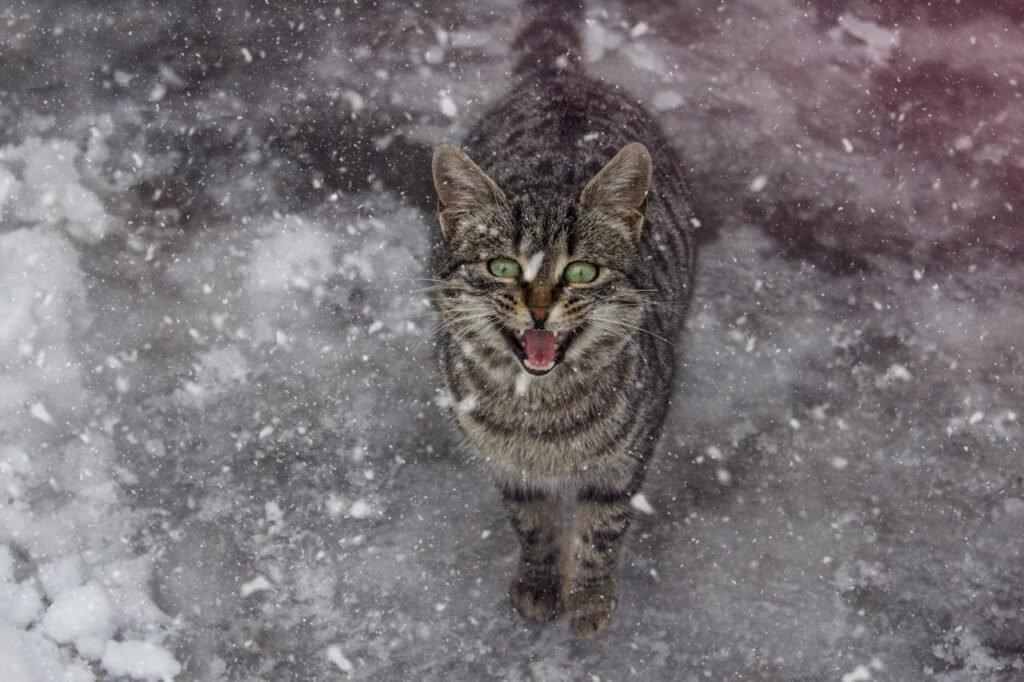
When the weather turns rough, our feline friends may need extra care to stay safe and comfortable. Outdoor cats are adventurous spirits, often braving the elements, but they aren’t invincible against cold, wind, or rain. If you’re a devoted cat enthusiast, you’ve likely wondered how best to protect them when nature isn’t so kind. Here are some vet-approved strategies to ensure your outdoor explorer remains happy and healthy, regardless of what Mother Nature throws their way.
1. Warm Shelters

A warm shelter is crucial for outdoor cats during inclement weather. These feline refuges should be sturdy and well-built, providing a blockade against the chill of cold winds or the splash of rain. Avoid placing shelters directly on the ground to reduce dampness and offer extra warmth. Consider using durable materials that can withstand the elements, ensuring your kitty has a haven to escape during unfavorable weather conditions. Make it inviting, so your cat feels comfortable seeking refuge inside.
2. Insulated Bedding
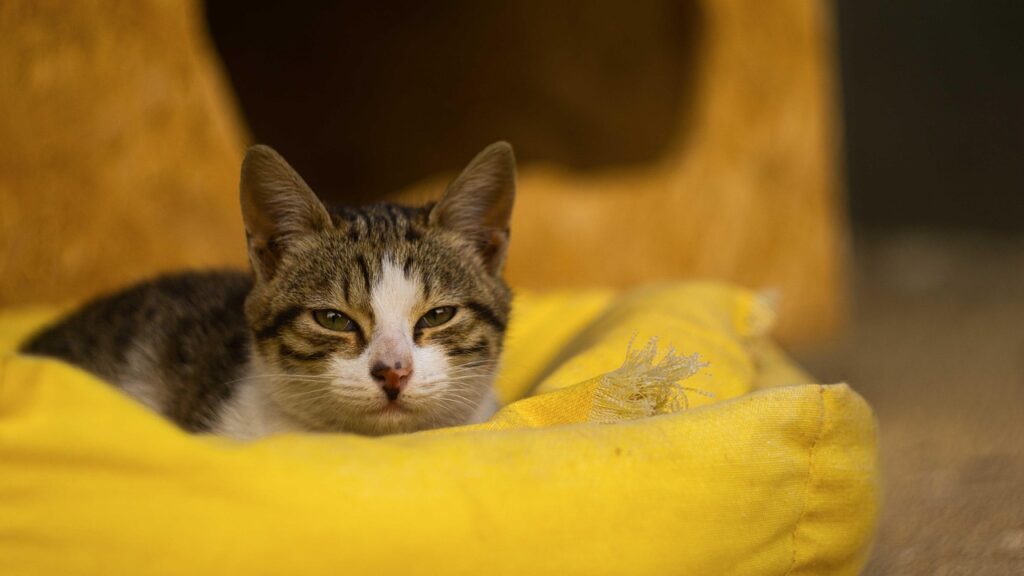
Adding insulated bedding inside your cat shelter can make all the difference. Opt for materials that retain heat, such as straw or thermal blankets made specifically for animals. Avoid towels or hay, which can retain moisture and lead to chilly sleeping quarters. Creating a plush and cozy nest not only keeps your feline warm but also encourages them to use the shelter more often. According to vets, adequate insulation is key to preventing hypothermia and ensuring your cat stays safe and snug, even when temperatures drop.
3. Weatherproof Cat House
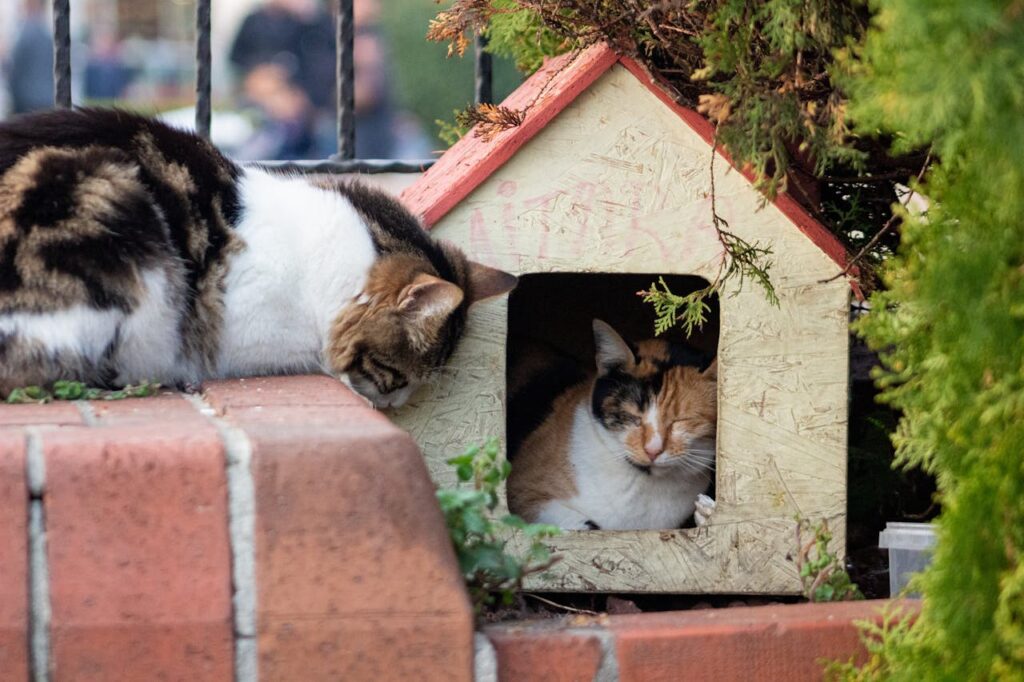
A weatherproof cat house acts as armor against the harshest storms. Select structures that offer UV protection, are wind-resistant, and have reliable waterproofing. Proper drainage is essential to prevent flooding inside. Vets recommend houses with removable tops for easy cleaning and to ensure they remain mold and mildew-free. These feline fortresses play a vital role in maintaining your cat’s health, providing security and comfort when conditions outside are less than ideal. Customize your cat’s castle to ensure maximum protection.
4. Elevated Sleeping Areas

Keeping your cat’s sleeping area off the ground is a simple yet effective strategy. Elevated beds or platforms shield them from cold, wet conditions that ground-level resting spots might offer. These setups can be integrated into shelters or standalone, making it difficult for moisture and cold to seep in. According to veterinarians, it’s the hidden element of elevation that provides superb insulation, ensuring your kitty remains cozy and above the fray. Such high-ground hideouts also offer added safety from potential ground-level threats.
5. Introduction: Tips from Vets
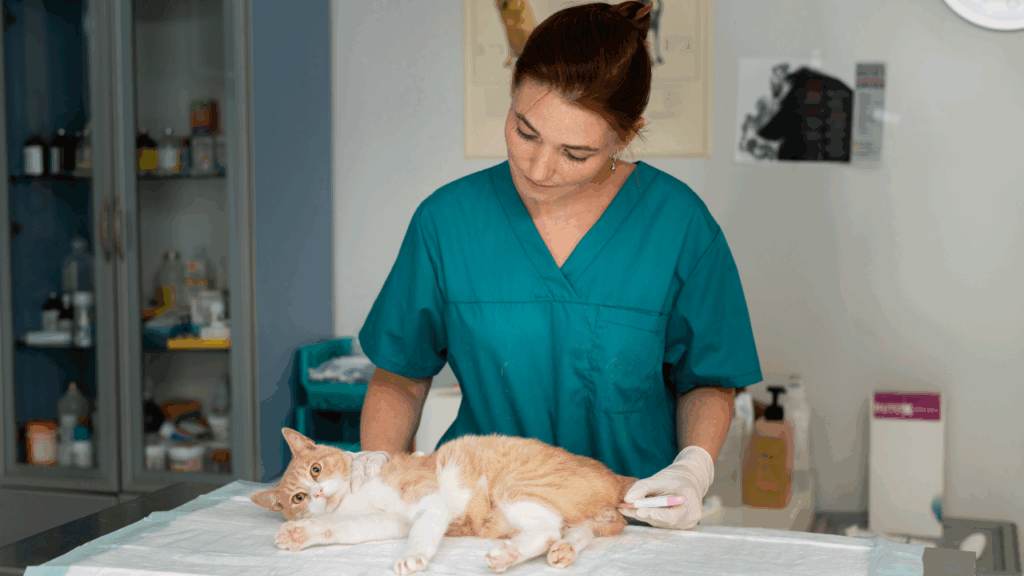
When the skies darken and the winds howl, outdoor cats can find themselves in tricky situations. Smart pet parents turn to expert advice to ensure their feline friends stay safe and healthy. Vets have a wealth of knowledge on keeping these adventurous companions secure, even in the harshest weather. From nutrition to shelter, they share actionable insights tailored for our whiskered wanderers. Let’s delve into these practical tips that prioritize the well-being of your outdoor explorer, making each season a little less intimidating.
6. Regular Health Checks

Keeping outdoor cats in tip-top shape starts with regular health checks. Vets recommend frequent visits to catch any potential problems early. Outdoor cats are more susceptible to parasites and injuries, so it’s vital to have them checked for ticks, fleas, and other health threats. Regular vaccinations help protect against diseases they might encounter outdoors. These check-ups are not just about catching sickness; they’re about making sure your cat remains the healthy, feisty adventurer you’re used to seeing, rain or shine.
7. Nutritional Diet

Fueling your cat’s exploits requires a robust, nutritional diet. Outdoor cats burn more calories as they roam, making a nutrient-rich diet essential. Vets emphasize protein to support muscle growth and overall vitality. Omega-3 fatty acids can also bolster their immune system, shielding them from colder conditions. A balanced diet isn’t just about meals; it’s the cornerstone of their resilience against harsh weather. Feeding them the right nutrients ensures they have the energy to adventure safely and return home with tales to tell.
8. Provide Fresh Water
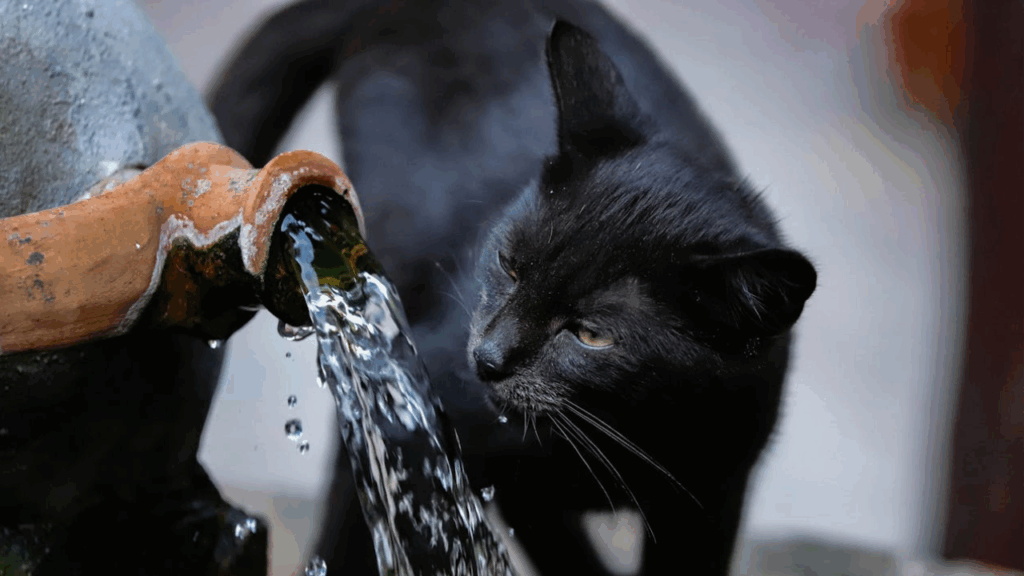
Never underestimate the power of fresh water. In extreme weather conditions, dehydration can sneak up quickly. Vets suggest placing multiple water sources in shaded areas to ensure they’re accessible and appealing. In winter, using heated water bowls prevents freezing, providing a vital resource regardless of temperature. Proper hydration supports every aspect of their body functions, from digestion to temperature regulation. This simple, yet vital step ensures your outdoor cat stays hydrated and ready for any weather twists they may encounter.
9. Monitor Weather Updates
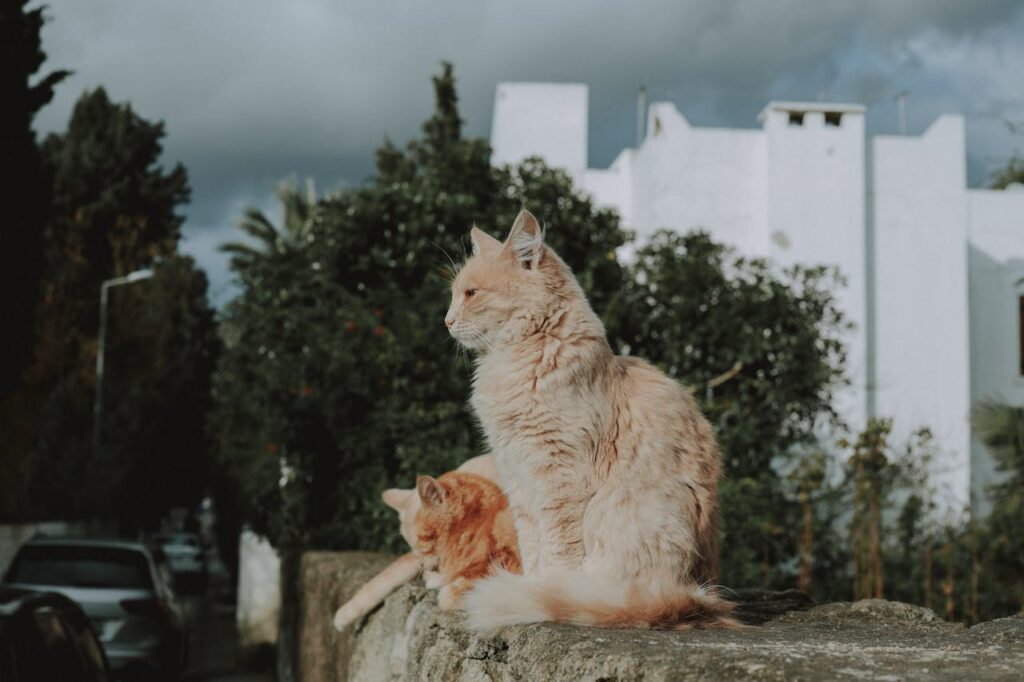
Keeping a keen eye on weather forecasts is pivotal. Vets advise checking updates regularly to anticipate potential hazards. A predicted storm might mean it’s time to coax your feline friend indoors or double-check their shelter. Knowing the upcoming weather helps in making timely decisions about their safety. Establishing a routine of monitoring the skies equips you to act swiftly, ensuring your outdoor adventurer is never caught off guard by weather that could threaten their well-being.
10. Safe Dry Spaces
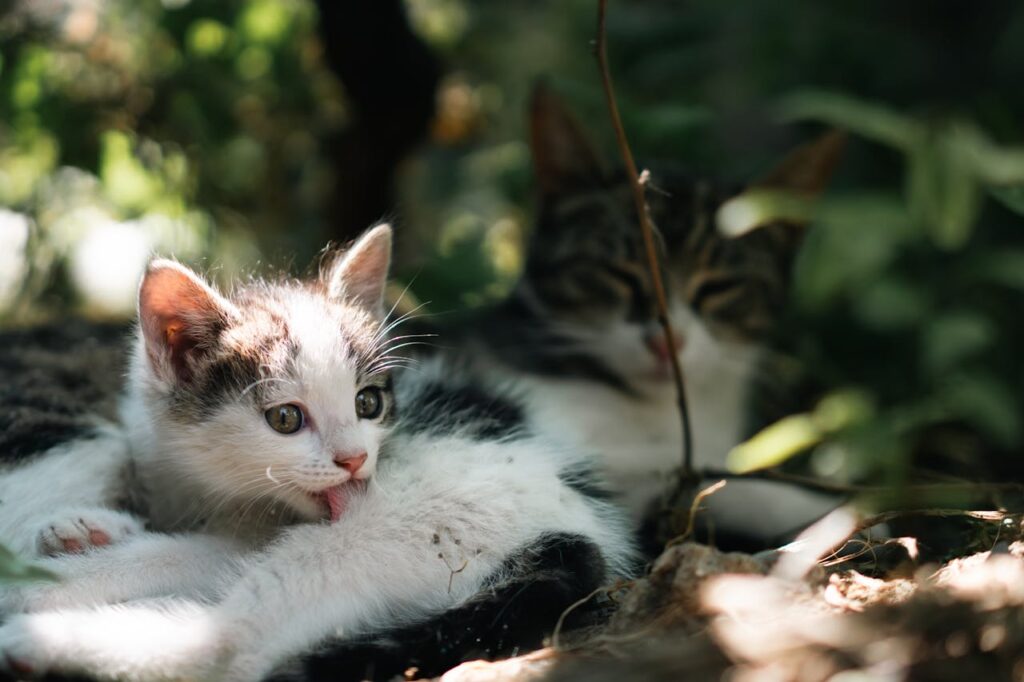
Creating a cozy haven is essential when the weather takes a turn for the worse. Outdoor cats need a dry, insulated space to escape the elements. Consider crafting a weatherproof shelter or purchasing a premade cat house. It should be off the ground to prevent flooding and insulated to keep warmth in. Adding straw or old blankets can provide extra comfort, while the entrance should be protected from wind and rain. This sanctuary can be the difference between a miserable experience and a comfy hideaway for your feline friend.
11. Use Heating Pads

When temperatures drop, heating pads can be a lifesaver for outdoor cats. Look for ones specifically designed for pets as they have safety features to prevent overheating. Place the pad inside their shelter, ensuring it doesn’t cover the entire base, allowing them to move if it becomes too warm. These pads can provide consistent warmth, mimicking the cozy comfort of a sunlit spot, helping your cat stay comfortable and ward off the chill. Always monitor for wear and tear to keep your cat safe and cozy.
12. Protective Cat Clothing
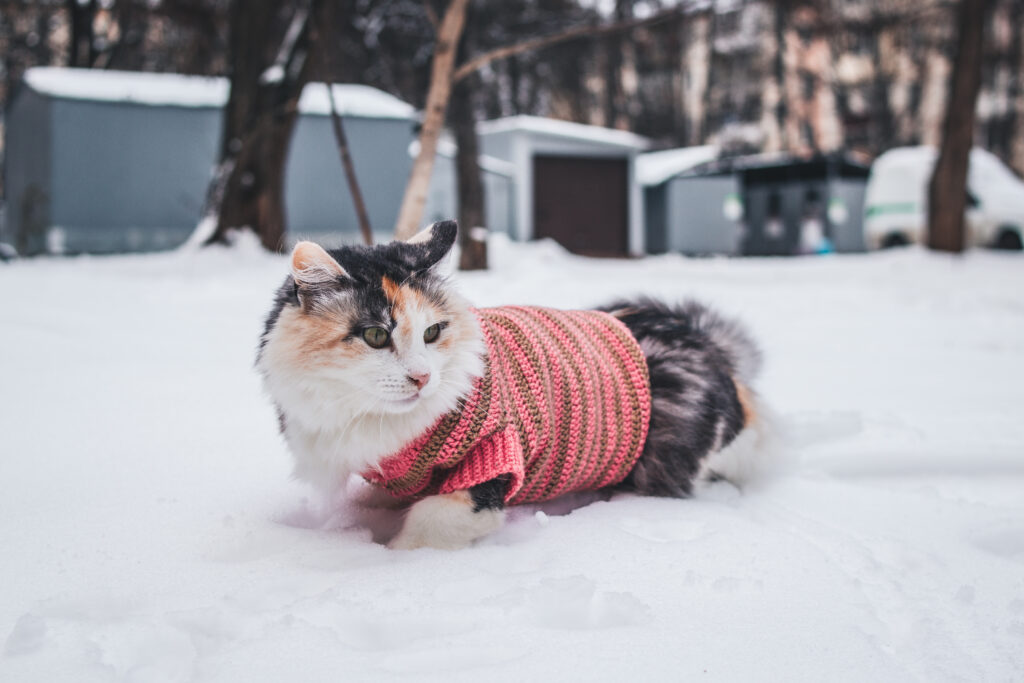
In especially harsh conditions, protective clothing can be an additional layer of defense against the cold. Not all cats will appreciate donning a coat, but for those who tolerate it, a snug, fitted design offers warmth without restriction. These outfits are perfect for short-haired cats or those who’ve been recently groomed. Look for breathable materials that offer comfort and flexibility, ensuring your cat can move freely while staying warm. Remember, their safety and comfort must come first, so never force clothing on an unwilling kitty.
13. Regular Grooming
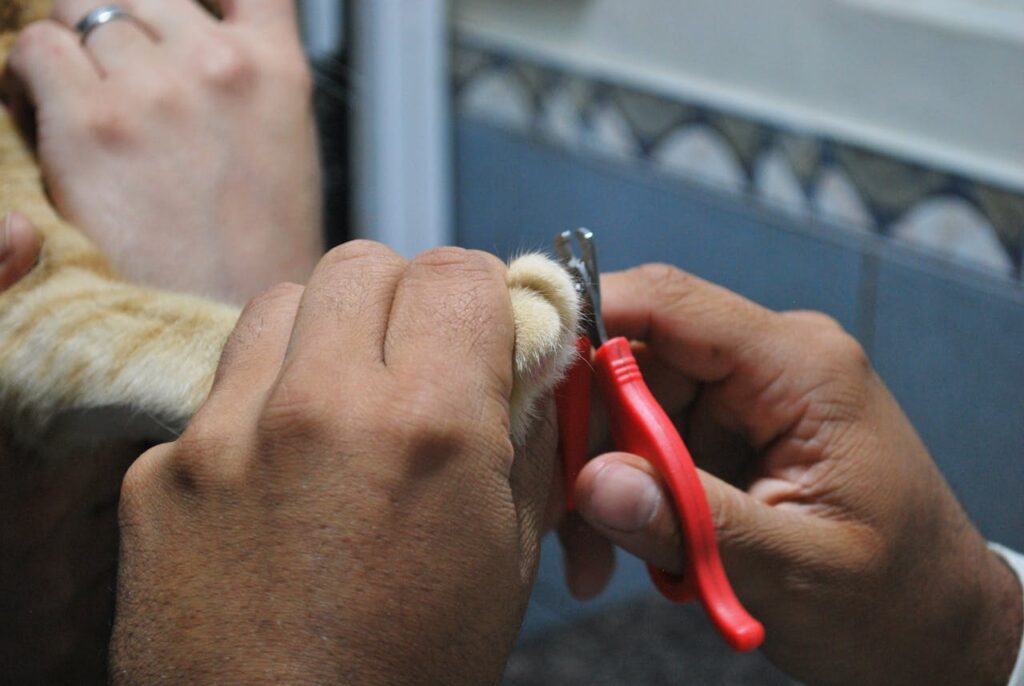
Regular grooming is more than just a pampering session; it’s crucial for outdoor cats facing harsh weather. Matted fur can trap moisture and decrease insulation. By maintaining a grooming routine, you ensure their coat stays healthy and weather-ready. Use a brush suitable for their coat type, gently removing tangles and distributing natural oils that help waterproof their fur. An extra gentle session during the shedding seasons can prevent issues and keep your cat feeling and looking their best, regardless of the weather.
14. Use Microchip Technology

Ensure your cat is microchipped to enhance their safety when exploring outdoors in adverse weather. Microchips provide a permanent form of identification and are crucial if your cat gets lost or seeks shelter elsewhere. This tiny device can be the key to reuniting with your pet and is a simple, reliable way to keep them safe. Keep your contact information updated in the pet recovery database, allowing for quick communication should your kitty be found far from home. It’s a small step with significant peace of mind benefits.
15. Train for Indoor Transition
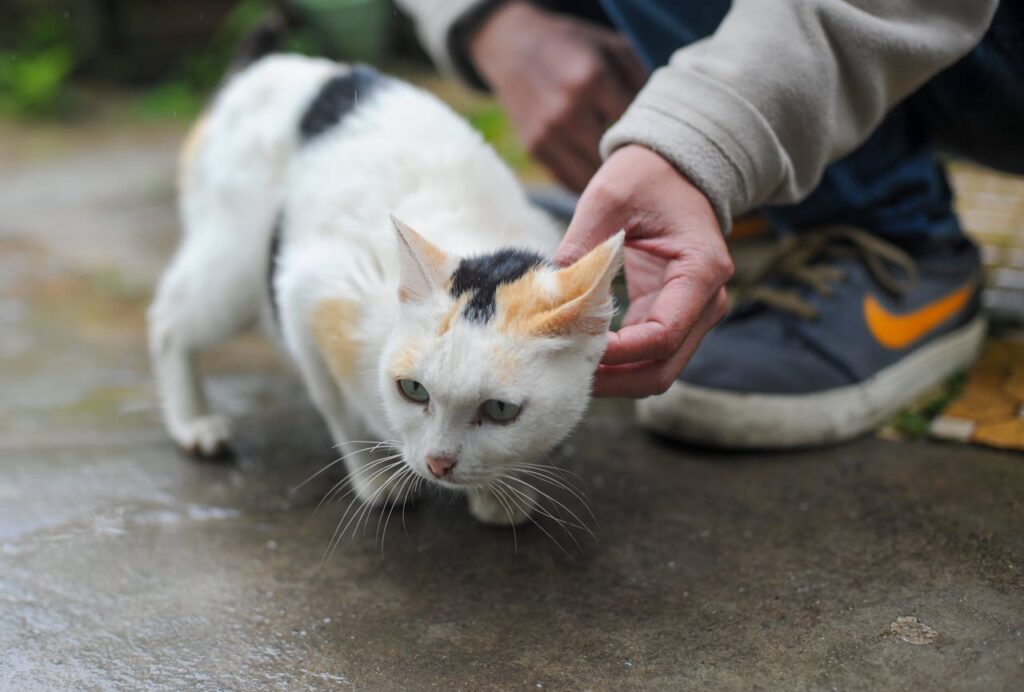
Turning your outdoor cat into a happy indoor dweller may require some finesse but is incredibly rewarding. Begin by creating a welcoming indoor habitat with engaging toys, cozy spots, and scratching posts. Gradually increase their indoor time, offering treats and play sessions as positive reinforcement. Familiar scents and a calming environment will ease their anxiety. Cats are creatures of habit, so consistency is key. According to vets, this indoor transition not only shields them from harsh weather but also extends their lifespan by protecting them from outdoor dangers. Replace long walks with interactive prey-like toys to satisfy their hunting instincts safely inside.