

Nothing beats a fun day at the beach—especially if you have a four-legged friend who loves to splash in the waves! Some dog breeds were practically made for the ocean, with webbed feet, water-resistant coats, and an instinctive love for swimming. However, not all pups enjoy the beach; for some, the feeling of sand between their toes is more of a nightmare than a treat. In this post, we’ll explore 16 dog breeds that thrive in beach settings and 9 breeds that would rather stay on solid ground.
1. Labrador Retriever

Labrador Retrievers, with their muscular build and water-resistant double coats, are natural beach enthusiasts. Originally bred as working dogs in Newfoundland, Canada, they assisted fishermen by retrieving nets and catching fish that escaped from fishing lines. Their webbed feet and strong tails, often referred to as “otter tails,” make them powerful swimmers, allowing them to navigate through water with ease. Their playful and friendly demeanor makes them excellent companions for families looking to spend a day by the sea.
2. Golden Retriever
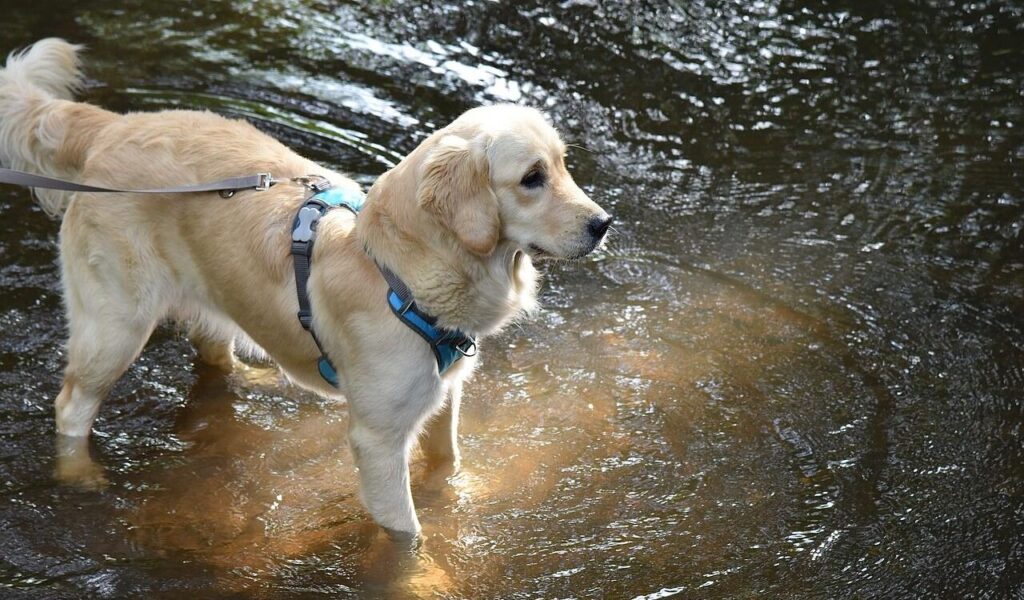
Golden Retrievers are renowned for their friendly disposition and love for water, making them ideal beach companions. Their dense, water-repellent coats protect them from cold temperatures, allowing them to enjoy swimming regardless of the weather. Historically, they were bred in Scotland for retrieving game from water and land, which explains their innate affinity for aquatic activities. At the beach, Golden Retrievers are in their element, eagerly participating in games of fetch, swimming alongside their owners, and exploring the shoreline.
3. Portuguese Water Dog

Originating from the Algarve region of Portugal, Portuguese Water Dogs were traditionally used by fishermen to herd fish into nets, retrieve lost tackle, and act as couriers between ships. Their curly, waterproof coats and webbed feet make them exceptional swimmers, perfectly suited for beach adventures. Energetic and intelligent, they enjoy engaging in various water-based activities, from swimming to playing fetch in the surf. Their loyal and affectionate nature ensures they stay close to their owners, making them reliable companions during beach outings.
4. Chesapeake Bay Retriever

The Chesapeake Bay Retriever, often called “Chessie,” is a breed known for its love of water and exceptional retrieving skills. Developed in the United States for retrieving waterfowl in the icy waters of the Chesapeake Bay, they possess a dense, oily coat that provides insulation and repels water. Their strong, muscular build and endurance make them adept at swimming in various conditions, from calm lakes to rough seas. At the beach, Chessies are in their element, eagerly diving into the surf to retrieve toys or simply enjoying a swim alongside their owners.
5. Newfoundland

Newfoundlands are gentle giants renowned for their swimming prowess and lifesaving instincts. Originating from the Canadian island of Newfoundland, they were initially used by fishermen for hauling nets and rescuing individuals from the water. Their thick, water-resistant double coats and webbed feet make them powerful swimmers, capable of navigating strong currents and cold waters. At the beach, Newfoundlands often attract attention with their size and calm demeanor, happily wading into the water or lounging on the sand.
6. Standard Poodle

While often associated with fancy haircuts and show rings, Standard Poodles are, at their core, water dogs. Originally bred in Germany for waterfowl hunting, their name “Poodle” comes from the German word “Pudel,” meaning “to splash in water.” Their curly, dense coats are water-resistant, and their athletic build makes them excellent swimmers. At the beach, Standard Poodles exhibit their playful and energetic nature, joyfully running along the shoreline and diving into the waves. Their intelligence and trainability ensure they can learn various beach games, from fetching to agility exercises.
7. Irish Water Spaniel

The Irish Water Spaniel, often dubbed the “clown” of the spaniel family, is a breed that thrives in aquatic environments. Recognizable by their curly, liver-colored coats and distinctive “rat tail,” they were historically used for retrieving game from water. Their water-repellent coats and strong, agile bodies make them adept swimmers, capable of navigating various water conditions. At the beach, Irish Water Spaniels are lively and inquisitive, enjoying activities like swimming, fetching, and exploring tidal pools.
8. American Water Spaniel

Originating from the United States, the American Water Spaniel is a versatile hunting dog known for its love of water. Their curly or wavy coats are water-resistant, and their compact, muscular build enables them to swim efficiently. Bred for retrieving game from boats, they are comfortable in various aquatic settings, from rivers to lakes to oceans. At the beach, American Water Spaniels are energetic and eager to please, engaging in activities like swimming, retrieving, and playing in the sand.
9. Spanish Water Dog

The Spanish Water Dog is a versatile breed known for its curly coat and strong work ethic. Historically used for herding and water-based tasks, they possess a natural affinity for water. Their woolly, curly coats are both water-resistant and hypoallergenic, making them well-suited for aquatic activities. At the beach, Spanish Water Dogs are lively and enthusiastic, enjoying swimming, fetching, and exploring the shoreline. Their intelligence and trainability ensure they can adapt to various beach games and activities, providing endless entertainment for their owners.
10. Nova Scotia Duck Tolling Retriever

Originating from Nova Scotia in Canada, the Nova Scotia Duck Tolling Retriever is the smallest of the retrievers, bred specifically to lure and retrieve waterfowl. Their energetic, playful nature and love for water make them excellent beach companions. With a water-resistant coat and agile build, these dogs excel in swimming and retrieving toys in the surf. Their enthusiastic demeanor and natural athleticism ensure endless fun and adventure by the sea.
11. Boykin Spaniel
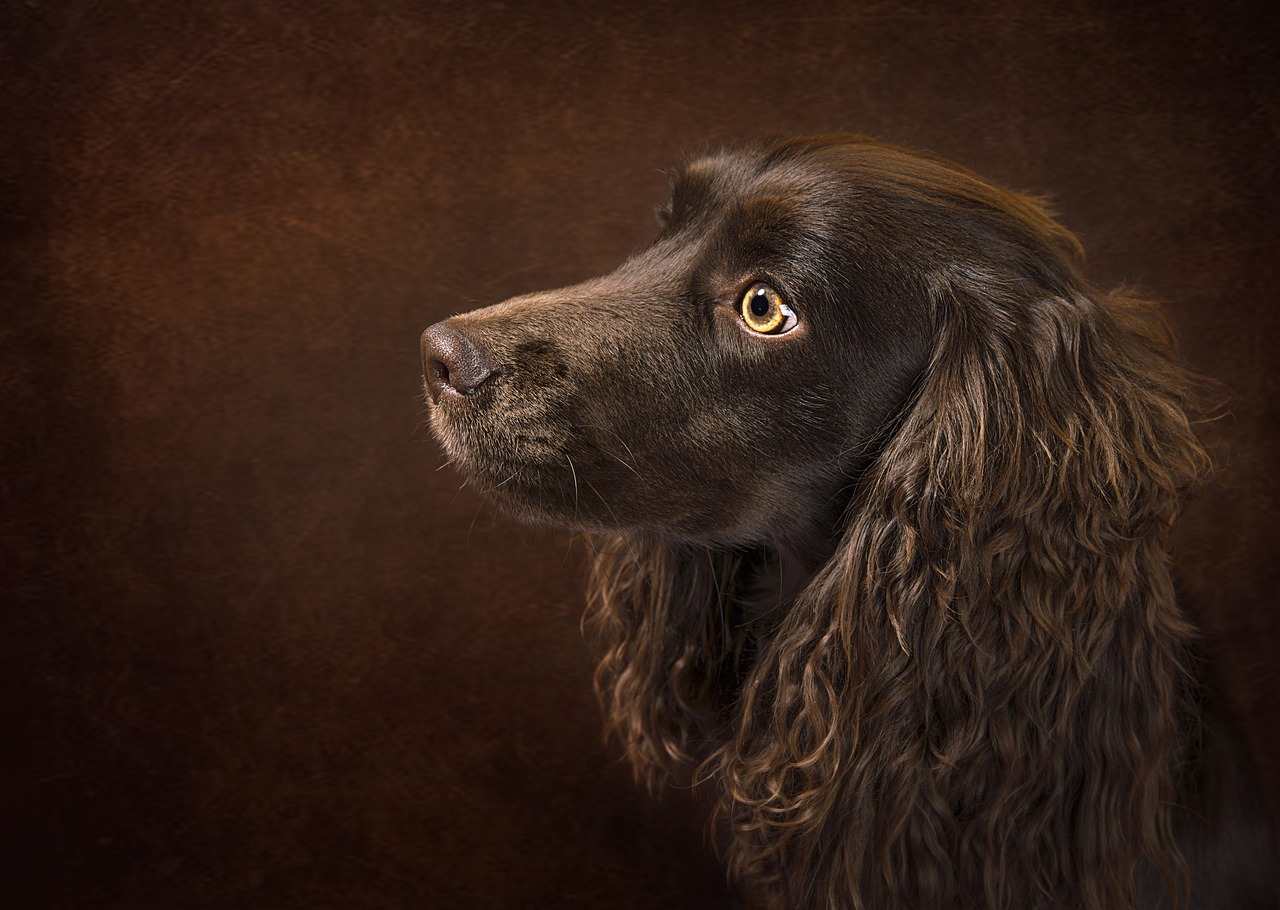
Boykin Spaniels are energetic and friendly dogs that thrive in water, making them excellent beach companions. Originally bred in South Carolina for hunting waterfowl and wild turkeys, these dogs are natural swimmers. Their dense, water-resistant coats protect them from the cold, while their webbed feet enhance their swimming ability. At the beach, Boykin Spaniels love to play fetch in the waves, explore the shoreline, and interact with their owners. Their affectionate and social nature makes them great for families who enjoy outdoor adventures.
12. Curly-Coated Retriever

Curly-Coated Retrievers are one of the oldest retriever breeds, known for their unique, tightly curled coats that repel water. Originally bred in England for retrieving game from water and land, they possess excellent endurance and swimming abilities. Their confident and independent nature allows them to enjoy beach outings without hesitation. These retrievers love to dive into the waves, retrieve floating toys, and run along the shore. While they are highly intelligent and trainable, they also enjoy some independent exploration.
13. Flat-Coated Retriever

Flat-Coated Retrievers are cheerful and energetic dogs that thrive in water. Bred in the 19th century for retrieving game from both land and water, they possess a sleek, water-resistant coat that helps them swim efficiently. Their friendly and outgoing nature makes them excellent beach companions, always ready for a game of fetch or a swim in the ocean. Unlike some retrievers, Flat-Coats retain a puppy-like enthusiasm throughout their lives, ensuring that every trip to the beach is filled with excitement.
14. Barbet

The Barbet is a rare French water dog known for its thick, curly coat and strong swimming ability. Originally bred for retrieving waterfowl, this breed has a natural love for aquatic environments. Their webbed feet and strong muscles make them excellent swimmers, allowing them to navigate both calm and rough waters with ease. At the beach, Barbets enjoy playing in the waves, retrieving toys, and digging in the sand. Their affectionate and loyal nature ensures they stay close to their owners, making them reliable companions for seaside adventures.
15. Otterhound

Otterhounds are large, energetic dogs originally bred in England for hunting otters in rivers and lakes. Their thick, rough coats are water-resistant, and their webbed feet make them powerful swimmers. Although they are not as common as other breeds, Otterhounds excel in water activities and love to explore the beach. They enjoy swimming, splashing through waves, and playing in the sand. Their strong sense of smell may lead them to investigate interesting scents along the shore, making beach trips even more exciting.
16. Irish Setter

Irish Setters are known for their striking red coats, high energy levels, and love for outdoor adventures. Originally bred for hunting and retrieving game, they have a natural affinity for water. Their athletic build and stamina allow them to enjoy long swims, beach runs, and active play sessions. At the beach, Irish Setters are playful and enthusiastic, always eager to chase waves, retrieve balls, or explore the shoreline. Their friendly and affectionate nature makes them excellent companions for families who enjoy beach outings.
9 Dogs That Hate Sand Between Their Toes
1. Pug

Pugs may be playful and affectionate, but when it comes to sandy environments, they often prefer to stay away. Their short legs and compact bodies make it difficult for them to walk on loose sand, causing them to sink slightly with each step. Additionally, their short snouts make them prone to breathing difficulties, which can be worsened by the heat and humidity often found at the beach. Sand can also get into their facial folds, leading to irritation and discomfort. If you’re planning a beach day, your Pug might be happier relaxing under the shade than running through the sand.
2. Shih Tzu

The Shih Tzu’s long, flowing coat is one of its most beautiful features, but it also makes sandy environments less than ideal for them. Sand can easily get trapped in their fur, leading to matting and discomfort. Since this breed is not naturally athletic or built for rough terrain, walking on shifting sand can be tiring and frustrating. They are also prone to overheating, which makes hot beach trips uncomfortable. If you want to bring your Shih Tzu to the shore, consider using protective booties and keeping them in a shaded area to prevent excessive sand exposure.
3. Dachshund

Dachshunds were originally bred for hunting in tunnels and burrows, but their elongated bodies and short legs make sandy environments challenging. The uneven surface of the beach can be difficult for them to navigate, putting extra strain on their spine, which is already prone to injury. Additionally, sand can get trapped in their low-hanging bellies and short legs, making them feel itchy and uncomfortable. Many Dachshunds will avoid walking on sand altogether, preferring firmer ground where they can move around more easily.
4. Boxer

Boxers are known for their high energy and playful nature, but sand is not their favorite surface to run on. Their strong, muscular build makes it harder for them to move efficiently in loose sand, which can cause them to tire quickly. Additionally, their short coats offer little protection against the heat, making hot sand uncomfortable for their paws. Many Boxers will try to avoid walking on sand altogether, preferring grassy or solid surfaces. If you plan on taking your Boxer to the beach, bring a cooling mat or keep them on a boardwalk to prevent discomfort.
5. Maltese

The Maltese is a small, delicate breed with long, silky fur that easily traps sand and debris. Walking on a sandy surface can be frustrating for them because grains of sand can get stuck between their toes and irritate their skin. Additionally, their small size means they may struggle to walk on loose sand, as each step requires extra effort. Many Maltese dogs dislike the sensation of sand between their paws and will try to avoid it whenever possible. If you bring your Maltese to the beach, regular brushing and rinsing their paws can help minimize discomfort.
6. Basset Hound

Basset Hounds have long, droopy ears and short, sturdy legs, making them one of the breeds that struggle the most with sandy environments. Their low-to-the-ground bodies pick up a lot of sand, which can get trapped in their fur and cause irritation. Additionally, their heavy build makes it harder for them to walk on loose, shifting sand, leading to exhaustion. Since Basset Hounds are prone to joint issues, walking on an unstable surface like sand can also put unnecessary strain on their legs and spine.
7. Yorkshire Terrier

Yorkshire Terriers, or Yorkies, are small but confident dogs that enjoy adventure—just not when it involves getting wet or sandy. Their long, silky coats can easily become tangled and dirty in the sand, making grooming a challenge. Wet fur also makes them feel cold quickly, which is uncomfortable for their small bodies. Their tiny paws make sand an annoyance, as grains can get stuck between their toes, causing irritation. Many Yorkies will actively avoid stepping into water or damp areas.
8. Pomeranian

Pomeranians may be energetic and playful, but water and sand are not their favorite things. Their thick double coat is difficult to dry once wet, and sand can become stuck in their dense fur, leading to matting. Since Pomeranians are small, their tiny paws easily collect sand, which can be uncomfortable as they walk. Additionally, they are sensitive to cold, so even a quick swim can make them shiver. Most Pomeranians prefer staying on solid, dry surfaces rather than navigating through sand or water.
9. Chihuahua

Chihuahuas, one of the smallest dog breeds, often dislike both water and sand. Their small size makes them extra sensitive to cold, and getting wet can be an uncomfortable experience for them. Chihuahuas typically resist water-related activities and may shiver even after a bath. Sand can also be problematic, as the tiny grains can get trapped in their small paw pads, making walking on the beach an unpleasant experience. Many Chihuahuas prefer staying warm and dry, avoiding both swimming and sandy terrain.
Love Pets as Much as We Do?

Scroll up and click the ‘Follow’ button to stay updated with the latest heartwarming, hilarious, and helpful pet posts from Pawdown, delivered straight to your Microsoft Start feed and MSN homepage!