

Dogs have been our loyal companions for thousands of years, yet many misconceptions about their breeds persist. These myths, often rooted in outdated or incomplete information, shape how we perceive and treat our furry friends. Whether you’re a first-time dog owner or a lifelong canine enthusiast, understanding the truth about different breeds is crucial for responsible pet ownership. Let’s break down 20 of the most common beliefs about dog breeds that simply aren’t true, separating fact from fiction and paving the way for better-informed decisions about our canine companions.
1. Pit Bulls Are Naturally Aggressive

One of the most widespread myths is that pit bulls are inherently aggressive. However, aggression is not a breed-specific trait but is often the result of an individual dog’s upbringing, training, and environment. Studies show that pit bulls frequently score high in temperament tests, ranking more tolerant than many other breeds. These loyal and affectionate dogs thrive in loving, well-managed homes. Blaming aggression on the breed alone ignores the critical role that human influence plays in shaping any dog’s behavior. Education and responsible ownership are vital to dispelling this harmful stereotype.
2. Chihuahuas Are Just Lap Dogs

Known for their petite size, chihuahuas are often dismissed as fragile, lap-loving pets. However, this breed is full of energy and athleticism. Historically, chihuahuas served various roles and have a confident, spirited demeanor. They excel in activities like agility sports and enjoy physical and mental challenges that go beyond simply cuddling. Their intelligence and boldness mean they thrive in homes where they receive consistent training and stimulation. These traits prove that chihuahuas are much more than decorative companions—they’re capable, active, and versatile.
3. German Shepherds Are Only Good as Guard Dogs

While German shepherds are renowned for their protective instincts, they are incredibly versatile and excel in various roles beyond guarding. They are widely employed in search-and-rescue missions, therapy work, and as service animals, thanks to their intelligence and adaptability. Their loyal and loving nature makes them outstanding family pets when properly trained and socialized. These dogs form deep bonds with their owners and are capable of learning complex tasks, showcasing their multifaceted and remarkable capabilities.
4. Poodles Are Fancy but Not Smart

Poodles are often stereotyped as pampered and purely ornamental dogs. In reality, they are among the most intelligent breeds. Historically, poodles were highly skilled water retrievers and excelled as working dogs. Their trainability and eagerness to learn make them outstanding in activities like obedience, agility, and even hunting. Available in standard, miniature, and toy sizes, poodles thrive in environments that challenge both their minds and bodies. Their elegance complements their practical abilities, making them a breed that blends beauty with remarkable intelligence.
5. Bulldogs Can’t Exercise

Bulldogs are often perceived as lazy or incapable of physical activity due to their stocky build and breathing challenges. However, moderate exercise is crucial for their overall well-being. Bulldogs enjoy short walks, playtime, and engaging activities that help them maintain a healthy weight and prevent joint issues. Their laid-back demeanor doesn’t mean they should skip out on activity altogether. With proper care and attention, they can lead active, happy lives while avoiding health complications associated with a sedentary lifestyle.
6. Dachshunds Are Fragile

Dachshunds, with their elongated bodies, are often thought to be fragile and prone to injury. While they are susceptible to back problems, this doesn’t mean they can’t live active and fulfilling lives. These tenacious little dogs were originally bred to dig and hunt, showcasing their toughness and determination. Avoiding activities that strain their backs, like jumping from high places, can help prevent injuries. With proper care and an outlet for their energetic nature, dachshunds prove to be resilient and capable companions.
7. Huskies Are Impossible to Train

Huskies are frequently labeled as untrainable because of their independent and sometimes mischievous nature. In truth, these intelligent dogs thrive on clear, consistent guidance and mental stimulation. Bred as working dogs for pulling sleds, they possess strong problem-solving skills and a high energy level. Their perceived stubbornness often reflects a lack of adequate exercise or engagement. With patience, structure, and an understanding of their needs, huskies can become obedient, loyal companions who excel in a variety of activities.
8. Golden Retrievers Never Bite

Golden retrievers are famous for their friendly and gentle demeanor, but assuming they are incapable of biting is misleading. Any dog can bite if provoked, frightened, or poorly trained, regardless of breed. Goldens are naturally good-natured, but they still require proper socialization and consistent training to ensure they remain well-behaved. Understanding their needs and treating them with care helps maintain their reputation as one of the most loving and trustworthy breeds.
9. Small Dogs Don’t Need Training

Many people assume that small dogs don’t require formal training due to their size, but this misconception can lead to behavioral problems. Without guidance, small dogs can develop fear-based aggression, excessive barking, or other undesirable behaviors. Training is just as important for small breeds as it is for larger ones. Establishing boundaries and providing proper socialization ensures they grow into confident and well-mannered pets. Treating them as capable individuals rather than indulging bad habits sets them up for success.
10. Greyhounds Are Hyperactive

The image of greyhounds racing often leads to the belief that they are high-energy and hyperactive. In reality, greyhounds are surprisingly laid-back and enjoy lounging for most of the day. While they do appreciate regular exercise, their energy needs are moderate, and they’re content with short, brisk walks or brief play sessions. Their calm and gentle nature makes them ideal pets for families or individuals seeking a relaxed companion. Greyhounds are the epitome of couch potatoes with a touch of athletic grace.
11. Boxers Are Aggressive

Boxers’ muscular build and high energy often give the impression that they are aggressive. However, this breed is typically playful, friendly, and excellent with children. Their exuberant nature can sometimes be overwhelming, but with proper training and socialization, they channel their energy positively. Boxers are loyal and affectionate, thriving in homes where they are given attention and guidance. This debunks the myth that their physical appearance equates to aggression; they are loving family dogs at heart.
12. Beagles Are Disobedient

Beagles’ strong sense of smell and curiosity often lead to the misconception that they are disobedient. In reality, their independent streak is tied to their hunting instincts. Beagles are intelligent and eager to explore, which can sometimes be mistaken for stubbornness. With consistent training, positive reinforcement, and mental stimulation, they can become well-behaved companions. Patience and understanding of their nature are key to helping beagles thrive in a structured environment.
13. Rottweilers Are Dangerous

Rottweilers often face unfair stereotypes due to their strength and protective instincts. While they are naturally confident and alert, they are also incredibly loyal and affectionate when raised in a loving environment. Like any breed, their behavior depends on training, socialization, and how they are treated. Rottweilers excel as family pets, working dogs, and therapy animals when given the right care. Their reputation for aggression is undeserved and fails to capture their true, loving nature.
14. Cocker Spaniels Are Always Sweet-Natured

While cocker spaniels are generally friendly and affectionate, assuming they are always sweet-tempered can lead to misunderstandings. These dogs need proper training and boundaries to prevent behavioral issues such as resource guarding or fear-based aggression. Their temperament is shaped by their upbringing and environment, not just their breed. By meeting their needs for socialization, exercise, and mental stimulation, cocker spaniels can fulfill their potential as loving and well-behaved pets.
15. Shih Tzus Are Completely Hypoallergenic

Shih Tzus are often marketed as hypoallergenic, but no dog is entirely free of allergens. While their coat may produce less dander compared to some breeds, individuals with allergies should spend time around Shih Tzus before committing to ensure compatibility. Regular grooming and maintaining a clean living environment can further reduce allergens. While they may be suitable for some allergy sufferers, it’s important to manage expectations and take preventive measures for the best experience.
16. Great Danes Don’t Need Exercise
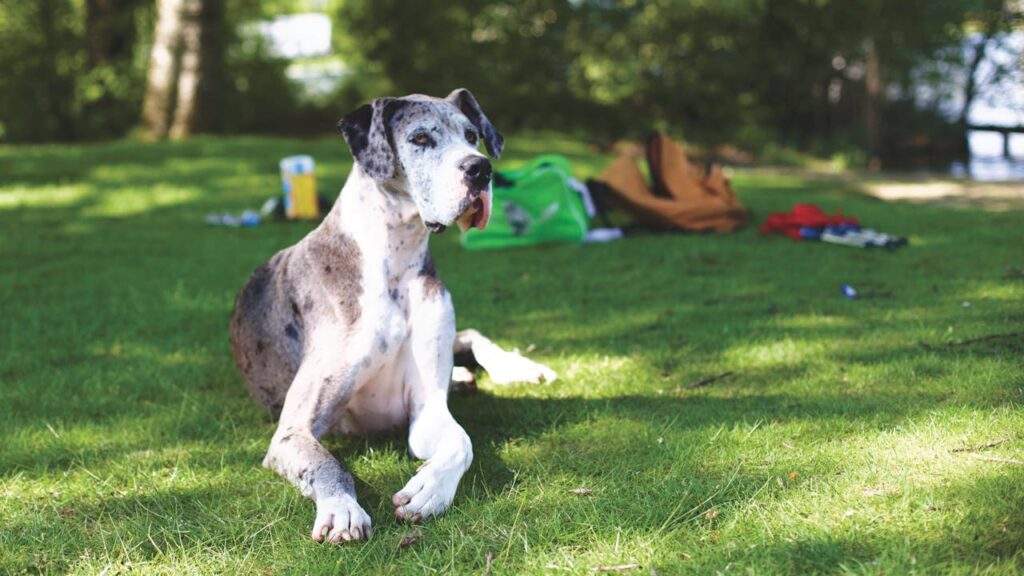
Great Danes’ massive size might suggest they are sedentary, but they require regular exercise to maintain their health. These gentle giants benefit from short walks and playtime to keep their muscles strong and joints flexible. Despite their calm demeanor, neglecting their physical needs can lead to weight-related health issues. Providing them with consistent, moderate activity ensures they stay happy, healthy, and comfortable in their large frames.
17. Yorkshire Terriers Are High Maintenance

Yorkshire terriers are often considered high maintenance due to their long, silky coats, but their grooming needs are manageable with regular care. Their luxurious coats require consistent brushing to prevent tangles, but this grooming routine also offers an opportunity to bond with your pet. Beyond their appearance, Yorkies are sturdy, energetic dogs that thrive on mental and physical stimulation. They adapt well to various living environments, including apartments, as long as their needs for exercise and engagement are met. Treating them as resilient and active companions helps dispel the myth that they’re solely ornamental pets.
18. Mixed Breeds Are Less Healthy

A common belief is that mixed-breed dogs are less healthy than their purebred counterparts, but the opposite is often true. Mixed breeds benefit from genetic diversity, which can reduce the likelihood of inherited health issues prevalent in certain purebred lines. Known as “hybrid vigor,” this genetic advantage often leads to stronger immune systems and overall better health. While no dog is immune to illness, mixed breeds frequently live longer, healthier lives when given proper care. Choosing a mixed-breed dog not only challenges this myth but also provides a loving home to a deserving pet.
19. Dobermans Are Only Suitable for Protection

Dobermans are frequently portrayed as aggressive guard dogs, but they are much more than their protective instincts. This breed is highly intelligent, affectionate, and loyal, making them excellent family companions when raised in a nurturing environment. Dobermans are eager to please and excel in obedience training, therapy work, and canine sports. Their loving and playful nature, especially with their families, showcases a depth of character that goes beyond their stereotypical role as protectors. Understanding their true personality helps dispel the myth of them being solely intimidating watchdogs.
20. All Dogs of the Same Breed Act Alike

One of the most pervasive misconceptions is that all dogs of a particular breed will exhibit the same behavior. While breeds do share general traits, individual personalities vary widely due to factors such as upbringing, training, and environment. Two dogs of the same breed can have vastly different temperaments based on their experiences. Recognizing each dog’s unique personality encourages a more compassionate and tailored approach to pet ownership. By valuing dogs as individuals, we can foster deeper connections and better meet their specific needs, regardless of breed.
Love Pets as Much as We Do?

Scroll up and click the ‘Follow’ button to stay updated with the latest heart-warming, hilarious, and helpful pet posts from Pawdown, delivered straight to your Microsoft Start feed and MSN homepage!