
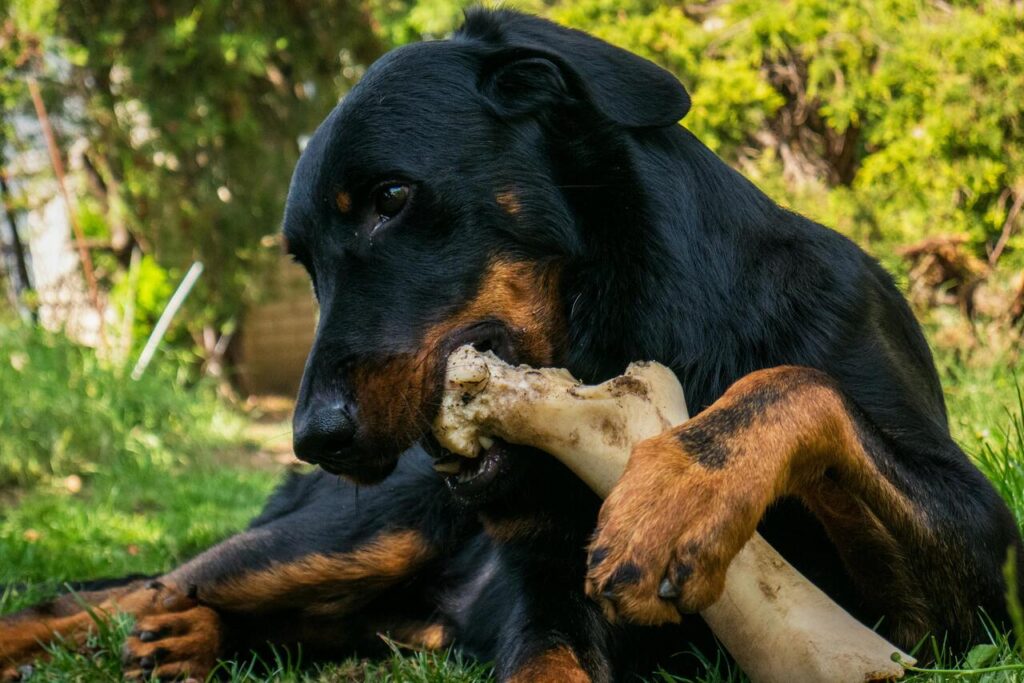
While dogs are often known as loyal companions, some breeds are more frequently involved in bite incidents than others. Recent data shows that dog bite claims rose by 8.3% in 2023, with over 19,000 reported cases nationwide. Research by the MKP Law Group indicates that dog bite incidents are influenced more by factors like training, environment, and ownership rather than breed alone, highlighting the importance of responsible pet ownership. Let’s explore which dogs make this list of 20 breeds with the highest bite reports, and why.
What to Know Before Judging These Breeds

Dog bite statistics can be misleading if not interpreted correctly. A dog’s behavior is shaped by multiple factors, including socialization, training, environment, and the owner’s responsibility. Some breeds may appear in bite reports more often due to their size, strength, or popularity rather than inherent aggression. Additionally, larger breeds with stronger bite force tend to cause more severe injuries, making their incidents more noticeable. Responsible ownership and proper training play a critical role in preventing aggression in any breed.
1. Pit Bull

Pit Bulls are often central to dog bite discussions due to their strength and history. They are responsible for 284 deaths, accounting for 65.6% of fatal dog attacks. Despite this, experts emphasize that well-raised Pit Bulls are not inherently aggressive. Unfortunately, many are mistreated or bred for illegal fighting, contributing to their reputation. Proper training and responsible ownership play critical roles in ensuring they develop into friendly, loving pets. Their bite force is measured at 235 PSI, making their bites particularly strong.
2. Rottweiler

Rottweilers are known for their loyalty and protective nature, making them excellent guard dogs. However, their powerful bite force makes their attacks more severe when they do occur. They account for 45 deaths, which represents 10.4% of fatal dog bites. Despite their reputation, well-trained Rottweilers are affectionate and intelligent. They require firm, consistent training from an early age to ensure they grow into well-behaved companions. Their bite force is measured at 328 PSI, contributing to the severity of their bites.
3. German Shepherd

German Shepherds are one of the most intelligent and trainable breeds, widely used in police and military roles. Their protective instincts make them prone to biting if they perceive a threat. They have been linked to 20 fatal attacks, making up 4.6% of fatal dog bites. However, they are highly obedient and excel in structured environments. Without adequate training, they may become territorial or reactive. Their bite force is measured at 238 PSI, giving them a strong and potentially dangerous bite.
4. Mixed Breed Dogs

Many dog bite reports list the offender as a “mixed breed,” making it challenging to identify specific trends. Mixed breeds account for 17 deaths, or 3.9% of reported fatalities. Their unpredictable genetics mean their temperament, bite force, and aggression levels vary. Proper training, socialization, and responsible ownership play more significant roles than breed alone. Some mixed-breed dogs inherit protective instincts, while others are naturally friendly. Their bite force varies significantly depending on their genetic makeup and size.
5. American Bulldog

American Bulldogs are strong and muscular, often mistaken for Pit Bulls due to their similar appearance. They have been involved in 15 deaths, which accounts for 3.5% of fatal attacks. While they are naturally protective, their temperament depends largely on training and socialization. Without proper guidance, they may develop dominant tendencies. Early training helps them become affectionate and reliable pets. Their bite force is measured at 305 PSI, making them capable of delivering powerful bites.
6. Mastiff

Mastiffs are powerful yet gentle giants when properly trained. However, their massive size and strength mean their bites can be particularly dangerous. They have been linked to 14 deaths, making up 3.2% of fatal attacks. Mastiffs require early socialization and clear boundaries to prevent aggressive tendencies. If they aren’t trained properly, they might end up being too protective. Their bite force is measured at 552 PSI, making them one of the strongest biters among dog breeds.
7. Husky

Huskies are energetic, intelligent, and independent dogs. While they are not typically aggressive, their high prey drive and strong personalities can sometimes lead to biting incidents. They have been responsible for 13 deaths, or 3.0% of fatal attacks. Huskies require extensive exercise, mental stimulation, and socialization to prevent destructive behaviors. Without proper training, they may develop stubborn or reactive tendencies. Their bite force is measured at 320 PSI, making their bites capable of causing significant injury.
8. Labrador Retriever

Labradors are one of the most popular family pets, known for their friendly and affectionate nature. However, their high energy levels can lead to nipping, particularly in young dogs. Despite their gentle reputation, Labradors have been responsible for nine deaths, accounting for 2.1% of fatal dog attacks. Proper training from an early age helps prevent behavioral issues. They require plenty of exercise and stimulation to maintain balanced temperaments. Their bite force is measured at 230 PSI, which is strong but moderate compared to larger breeds.
9. Boxer

Boxers are playful, energetic dogs with a strong build. While not naturally aggressive, they can be protective and reactive if not trained properly. They have been involved in seven deaths, making up 1.6% of fatal attacks. Boxers require consistent training and socialization to ensure they develop good behavior. They respond well to positive reinforcement methods. Due to their playful nature, they may exhibit excessive jumping and mouthiness, which should be managed early. Their bite force is measured at 230 PSI, making their bites potentially harmful if provoked.
10. Doberman Pinscher

Dobermans are smart, loyal, and naturally protective. Their strong bite force and natural guarding instincts can make them prone to defensive biting. While their bite statistics are unspecified, they are well-documented for their protective tendencies. Proper training, early socialization, and firm leadership are crucial to preventing aggressive behavior. When raised in a structured environment, Dobermans become loving and devoted pets. Their bite force is measured at 245 PSI, making them capable of inflicting severe injuries if threatened.
11. Chow Chow

Chow Chows are distinguished by their lion-like mane and reserved demeanor. Originating from China, they were historically used for hunting and guarding, which contributes to their territorial nature. This breed’s aloofness can sometimes be misinterpreted as unfriendly, leading to potential misunderstandings with strangers. Their strong-willed personality requires consistent training and early socialization to prevent unwanted behaviors. Chow Chows have a measured bite force of approximately 190 PSI, indicating their capability to inflict significant injury if provoked. Responsible ownership and proper training are essential to manage their innate guarding instincts effectively.
12. Akita
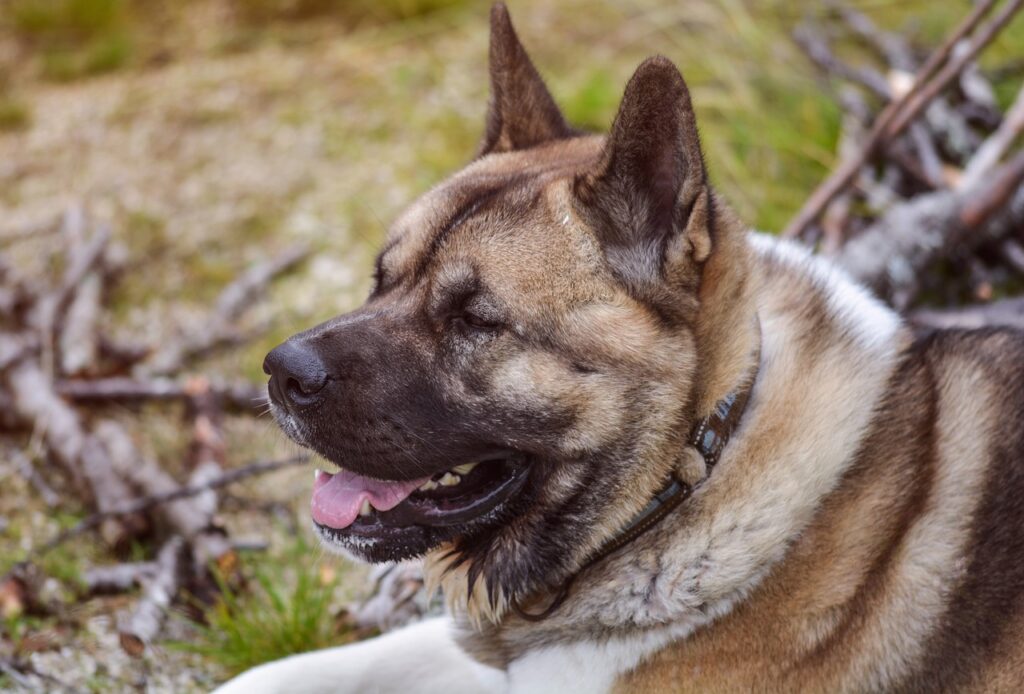
Akitas are large, powerful dogs originating from Japan, bred for guarding and hunting large game. Their strong protective instincts make them loyal family companions but can also lead to aggression if they perceive a threat. Proper training and socialization from a young age are crucial to ensure they distinguish between real and perceived threats. Akitas have a substantial bite force, measured between 350-400 PSI, underscoring the importance of responsible ownership. Their independent nature requires experienced handlers who can provide firm yet positive guidance to harness their strength appropriately.
13. Alaskan Malamute

Alaskan Malamutes are robust sled dogs known for their endurance and strength. Their high energy levels necessitate regular exercise to prevent boredom-induced behaviors like nipping or chewing. If they don’t get enough exercise and mental engagement, they might start acting out destructively. Malamutes possess a significant bite force, estimated between 400-500 PSI, reflecting their capability to handle large prey and challenging tasks. Early training and socialization are essential to channel their energy positively and ensure they become well-adjusted companions.
14. Great Dane

Great Danes, often referred to as gentle giants, are known for their towering stature and friendly disposition. Despite their amiable nature, their sheer size means that any aggressive behavior can result in serious injuries. They require firm and consistent training to ensure they are well-mannered, especially given their strength. Great Danes have a measured bite force of approximately 238 PSI, which, combined with their size, can be formidable. Proper socialization from a young age helps mitigate potential aggression and ensures they interact safely with people and other animals.
15. Bullmastiff

Bullmastiffs are large, muscular dogs originally developed to guard estates. Their protective nature makes them excellent watchdogs, but without proper training, they can exhibit aggressive behaviors. Early socialization and clear boundaries are essential to prevent unwanted aggression. Bullmastiffs have a notable bite force, measured at approximately 556 PSI, highlighting the potential severity of an unprovoked attack. Responsible ownership involves providing consistent training and ensuring they are well-socialized to differentiate between real threats and normal interactions.
16. Jack Russell Terrier

Jack Russell Terriers are small but energetic dogs known for their feisty temperament. Without proper training and sufficient stimulation, they can develop behavioral issues, including biting. Their high prey drive and intelligence require engaging in activities to prevent frustration-based behaviors. While their bite force is not as substantial as larger breeds, it is still significant relative to their size. Early training and socialization are crucial to ensure they become well-adjusted pets and to mitigate potential aggressive tendencies.
17. Border Collie

Border Collies are highly intelligent herding dogs renowned for their work ethic. Their natural herding instincts can lead to nipping behaviors if not properly managed. They require ample mental and physical stimulation to prevent boredom, which can result in undesirable behaviors. While their bite force is not as high as some other breeds, their agility and speed can make their nips more impactful. Proper training from a young age is essential to channel their instincts appropriately and ensure they are well-behaved companions.
18. Cocker Spaniel

Cocker Spaniels are generally affectionate dogs but can exhibit aggressive behaviors if not properly trained. They are prone to a condition known as “Cocker Rage Syndrome,” which can lead to sudden aggression. Early training and socialization are crucial to mitigate these tendencies. Their bite force is moderate but can still cause injury if they become aggressive. Ensuring they receive proper care, training, and socialization helps in developing a well-adjusted temperament and reduces the risk of biting incidents.
19. Saint Bernard

Saint Bernards are known for their gentle and friendly nature; however, their large size requires proper training to prevent potential issues. Without adequate training, their size can lead to dangerous situations, especially if they become unruly. They have a measured bite force of approximately 195 PSI, which, combined with their size, can cause significant injury. Early socialization and consistent training are essential to ensure they grow into well-mannered companions and to prevent any aggressive tendencies.
20. Dalmatian

Dalmatians are lively dogs recognized for their unique spotted fur. They can be territorial and reactive without proper training and socialization. Their high energy levels necessitate regular exercise and mental stimulation to prevent behavioral issues. While their bite force is not as high as some larger breeds, it is still significant enough to cause injury. Ensuring they receive proper training and socialization from a young age is crucial to prevent aggression and develop a well-balanced temperament.
Love Pets as Much as We Do?

Scroll up and click the ‘Follow’ button to stay updated with the latest heart-warming, hilarious, and helpful pet posts from Pawdown, delivered straight to your Microsoft Start feed and MSN homepage!