

Imagine coming home to find your couch cushions shredded, shoes mysteriously missing, or holes dug deep into your backyard — all thanks to a bored, intelligent dog left to their own devices. It’s easy to forget that highly intelligent breeds aren’t just smart for tricks and training; their sharp minds need constant stimulation. Without it, they turn their creativity into chaos. These dogs don’t mean to be “bad” — they’re simply looking for something to do. Let’s dive into the world of clever canines who, when left unchallenged, can become unexpected masters of mischief.
1. Border Collie

Border Collies are often hailed as the Einsteins of the dog world. Their problem-solving skills, intense focus, and sheer work ethic make them unmatched in herding livestock. However, when deprived of purpose, their intelligence can quickly turn into a problem. Without enough mental stimulation, Border Collies may resort to herding children, chasing moving objects, or fixating on patterns like lights and shadows. Boredom can also lead to compulsive behaviors, excessive barking, or destructive chewing. These dogs need constant engagement through agility training, advanced obedience work, or even interactive puzzle toys to keep their sharp minds occupied. A Border Collie without a job is a dog looking for trouble.
2. Poodle

Poodles are not just elegant and stylish—they’re among the smartest breeds in the world. Originally bred as water retrievers, they excel in problem-solving, learning new commands, and even performing tricks. But their intelligence can be a double-edged sword. Without proper stimulation, Poodles can develop destructive behaviors like excessive chewing, escape attempts, and obsessive barking. Their sharp minds need daily challenges, whether through advanced obedience training, interactive games, or canine sports like agility and scent work. A Poodle left alone for too long will find ways to entertain itself, and that often spells disaster for household items.
3. German Shepherd

Few breeds match the intelligence, loyalty, and trainability of the German Shepherd. They are commonly used in police and military roles due to their problem-solving skills and strong work ethic. However, a German Shepherd without enough to do can become anxious, overprotective, or outright destructive. Chewing furniture, digging up the yard, and pacing relentlessly are common signs of boredom. They also form deep bonds with their owners and can develop separation anxiety if left alone for long periods. To keep a German Shepherd happy, they need structured activities such as obedience training, tracking exercises, or even protection work. A bored German Shepherd is a frustrated one, and that frustration will always find an outlet.
4. Golden Retriever
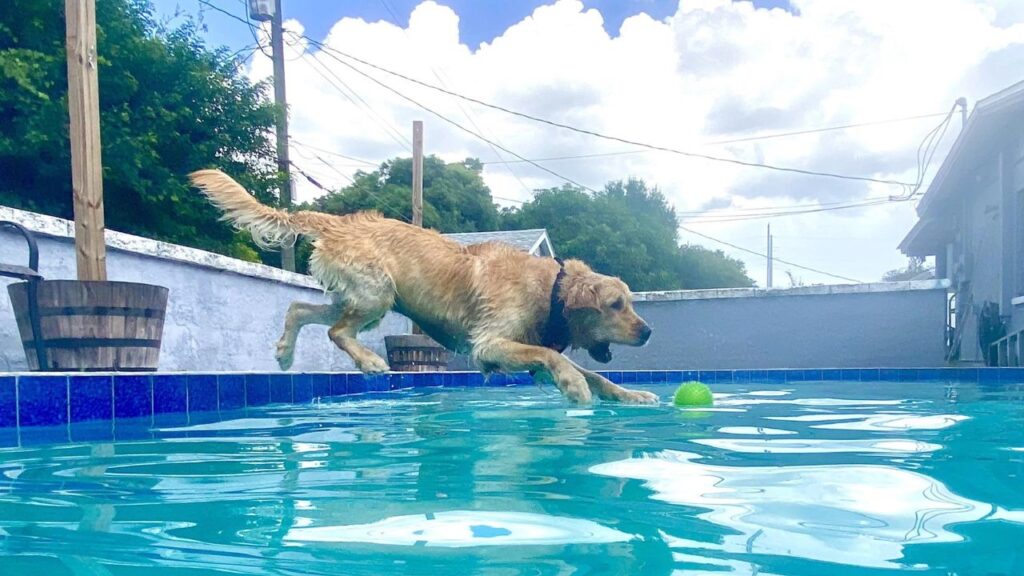
Golden Retrievers are known for their affectionate nature, but beneath their friendly demeanor lies an intelligent and eager-to-learn mind. Originally bred as hunting companions, they thrive when given tasks that challenge their intellect. If left unstimulated, Goldens can develop bad habits like excessive chewing, digging, or counter-surfing for food. Their social nature also makes them prone to separation anxiety, which can lead to destructive behaviors when left alone. Keeping a Golden Retriever engaged with obedience training, scent games, and interactive play sessions can help prevent boredom-induced mischief. These dogs need more than just cuddles—they need mental and physical challenges to stay happy.
5. Doberman Pinscher

Dobermans are natural protectors with a keen intelligence that makes them highly trainable. Their sharp minds allow them to quickly learn commands and problem-solve, but when left without direction, they can become restless and destructive. A bored Doberman may engage in obsessive behaviors like pacing, chewing furniture, or even attempting to escape the yard. Their high energy levels also mean they require extensive physical exercise, but mental engagement is just as crucial. Advanced obedience work, protection training, or interactive puzzle games can help keep their minds occupied. If not properly stimulated, a Doberman’s intelligence can turn into a challenge rather than an asset.
6. Shetland Sheepdog

The Shetland Sheepdog, or Sheltie, is a small but incredibly intelligent herding breed. Known for their quick learning ability and problem-solving skills, Shelties thrive when given tasks that challenge their minds. However, if left without enough mental stimulation, they can develop nervous habits such as obsessive barking, spinning, or destructive chewing. Shelties also have a tendency to herd anything that moves, including children and other pets, when they’re bored. Providing them with agility training, obedience exercises, or interactive toys can prevent them from turning their energy into unwanted behaviors. A Sheltie without a job is a Sheltie looking for something—anything—to do.
7. Labrador Retriever

Labradors are known for their affectionate and playful nature, but they are also highly intelligent working dogs. Originally bred for retrieving game, they excel in problem-solving and task-oriented activities. However, their love for food and curiosity can lead to destructive behaviors when bored. Labs are notorious for chewing anything they can get their paws on, from shoes to furniture. They also tend to dig and engage in excessive barking if left unstimulated. Regular exercise, scent work, and advanced training can help channel their intelligence into productive activities. A bored Labrador is a Labrador looking for mischief, and with their energy levels, mischief is never far away.
8. Papillon

Papillons may be small, but they have big brains. Their intelligence and eagerness to learn make them excellent competitors in agility and obedience sports. However, their sharp minds also mean they require consistent mental engagement. Without it, Papillons can develop destructive habits such as excessive barking, chewing, and even resource guarding. Their strong attachment to their owners also makes them prone to separation anxiety. Keeping them entertained with puzzle toys, trick training, and interactive play can help prevent behavioral issues. Despite their size, Papillons have the same mental needs as larger working breeds, and neglecting those needs can result in a very unhappy dog.
9. Rottweiler

Rottweilers are powerful, intelligent dogs bred for guarding and herding. They are independent thinkers with a strong desire to work, but when left without structure, they can develop destructive behaviors. A bored Rottweiler may resort to chewing, excessive barking, or even testing boundaries by escaping the yard. They also have a protective instinct that can become problematic if not properly managed. Engaging them in advanced training, scent work, or even structured play sessions helps channel their intelligence in a positive direction. Without mental stimulation, a Rottweiler’s intelligence and strength can quickly turn into a challenge for any owner.
10. Australian Cattle Dog

Australian Cattle Dogs are bred for herding livestock in challenging conditions, which means they have high intelligence and near-endless energy. They are problem-solvers by nature, often figuring out how to escape enclosures or manipulate their environment to get what they want. When bored, they can become destructive, chewing through furniture, digging, or even herding unsuspecting family members. Their stubborn streak makes them a challenge for inexperienced owners, but with proper engagement—such as obedience training, herding exercises, or agility sports—they can be incredible companions. These dogs need a purpose; without one, they’ll create their own, often to their owner’s dismay.
11. Australian Shepherd

Australian Shepherds are the definition of brains and brawn combined. Bred for herding livestock, they are incredibly sharp, quick learners, and masters at problem-solving. However, their intelligence and energy can be a double-edged sword. If left without mental stimulation or a job to do, Aussies can become destructive — chewing furniture, digging holes, and herding children or other pets out of sheer boredom. They also tend to bark excessively if understimulated. Structured activities like agility courses, trick training, and herding games are vital for keeping their active minds satisfied. Without consistent mental and physical engagement, these clever dogs will create their own forms of entertainment — and it’s rarely something their owners appreciate.
12. Belgian Malinois

The Belgian Malinois is a breed built for work — often seen in military and police roles due to their keen intelligence and fierce loyalty. But that razor-sharp mind can cause trouble if they’re not given enough to do. Bored Malinois are notorious for chewing, digging, and even attempting to escape by figuring out door handles or scaling fences. They’re high-strung by nature and need both physical and mental stimulation every day. Without advanced training exercises or interactive play, they can become anxious and destructive. Owners must treat them like the working dogs they are — with structured activities like protection sports, obedience drills, and puzzle games — or risk the consequences of an idle, restless Malinois.
13. Pembroke Welsh Corgi

Pembroke Welsh Corgis may be small, but their intelligence and herding instincts make them surprisingly energetic and sharp-minded. These clever dogs love to learn new tricks and solve puzzles, but when they get bored, they can quickly develop bad habits. A restless Corgi might bark at every little noise, nip at heels to “herd” their family members, or chew on furniture for entertainment. They thrive on training, interactive toys, and activities like agility courses. Without enough mental and physical stimulation, Corgis can become vocal, mischievous, and sometimes even aggressive in their pursuit of something to do. Keeping their clever minds engaged is the key to a happy, well-behaved Corgi.
14. Miniature Schnauzer

Miniature Schnauzers are small but mighty thinkers. Bred to catch rats and guard property, they are quick-witted, curious, and highly independent. While their intelligence makes them easy to train, it also means they get bored easily. Without enough mental stimulation, a Miniature Schnauzer may bark incessantly, dig through trash, or tear apart furniture. They’re also known for their escape artist skills — figuring out how to open gates or slip through small spaces. To prevent destructive behavior, Mini Schnauzers need regular training, interactive puzzle toys, and games that tap into their hunting instincts. Without a proper outlet, their sharp minds will find trouble.
15. English Springer Spaniel

English Springer Spaniels are bright, energetic, and always ready for action. Originally bred for flushing game in the field, their intelligence and stamina mean they need constant stimulation. When bored, they can resort to chewing furniture, digging holes in the yard, or barking endlessly. These dogs are also prone to separation anxiety, which can heighten their destructive tendencies. Engaging them with scent work, advanced obedience training, or retrieving games helps keep their minds busy. Without daily mental challenges and physical activities, a Springer Spaniel’s boredom can quickly spiral into chaotic, destructive behaviors.
16. Cane Corso

Cane Corsos are powerful, intelligent dogs with a natural protective instinct. As working breeds originally used for guarding property and hunting large game, they have strong minds that require constant engagement. When bored, Cane Corsos can become destructive — chewing furniture, digging, and barking excessively. They may also develop territorial or aggressive behaviors if left unstimulated. Structured training sessions, guard dog exercises, and mental challenges like puzzle feeders are essential to keep their sharp minds focused. Without a sense of purpose, a Cane Corso will create their own tasks — often involving destruction.
17. Irish Doodle

Irish Doodles, a cross between an Irish Setter and a Poodle, inherit high intelligence from both parent breeds. They are quick learners with a playful, inquisitive nature. While their smarts make them trainable, they also mean these dogs get bored easily. A restless Irish Doodle may resort to digging, chewing furniture, or barking excessively. Their active minds need consistent mental stimulation through trick training, scent games, and puzzle toys. If left alone for long periods without something to occupy them, Irish Doodles can quickly turn to mischief — making creative, often destructive, ways to pass the time.
18. Dogo Argentino

The Dogo Argentino is a muscular, intelligent breed originally developed for big-game hunting. They are independent thinkers with a strong drive to work, which can become problematic when left unstimulated. A bored Dogo Argentino may resort to chewing, digging, or testing boundaries by breaking out of enclosures. Their intelligence requires structured mental exercises like advanced obedience training, scent work, and problem-solving games. Without a job to do, they often turn their energy toward destructive behaviors. Keeping their minds and bodies active is crucial for preventing these powerful dogs from wreaking havoc.
19. Akita

Akitas are large, intelligent dogs with a deeply independent streak. Bred for hunting and guarding, they are both clever and strong-willed. When bored, Akitas can become destructive — chewing, digging, and barking at anything that catches their attention. They are also known for being escape artists, using their smarts to figure out how to open gates or slip out of yards. Akitas need consistent mental stimulation through obedience training, tracking exercises, and interactive toys. Without these outlets, their boredom can quickly turn into a destructive force, making daily engagement a necessity.
20. Dalmatian

Dalmatians are famous for their striking spots, but their intelligence and energy levels often catch people off guard. Originally bred to run alongside carriages, they are highly active and quick-witted. When left bored, Dalmatians can become destructive — chewing furniture, digging up gardens, or barking nonstop. They also have a mischievous side, using their smarts to open doors or escape enclosures. To prevent chaos, they need structured training, advanced trick work, and physically demanding activities like running or agility training. A mentally and physically unstimulated Dalmatian is a recipe for destruction.
Love Pets as Much as We Do?

Scroll up and click the ‘Follow’ button to stay updated with the latest heartwarming, hilarious, and helpful pet posts from Pawdown, delivered straight to your Microsoft Start feed and MSN homepage!