
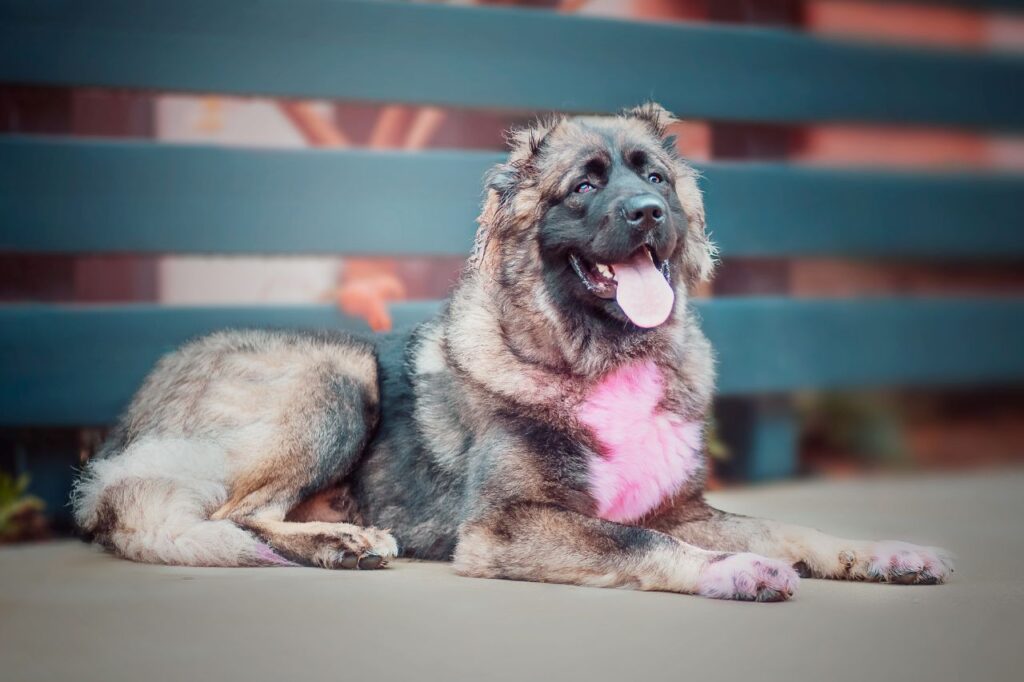
The Caucasian Shepherd, also known as the Caucasian Ovcharka, is a majestic and powerful breed originating from the rugged Caucasus Mountains. Bred for centuries to protect livestock and guard against predators, these dogs are known for their immense size, courage, and unwavering loyalty. Their imposing appearance and natural protective instincts make them excellent guardians, while their loving demeanor towards family members showcases their softer side. However, owning a Caucasian Shepherd requires understanding their unique needs, strong temperament, and physical demands. Let’s delve into the history, characteristics, and care requirements of this remarkable breed.
1. Origins and History

The Caucasian Shepherd’s history spans over two millennia, with roots in the Caucasus Mountains, a region known for its harsh conditions. These dogs were initially bred by shepherds to guard livestock from predators such as wolves and bears. Archaeological records suggest their lineage may trace back to ancient Molosser dogs, known for their strength and bravery. Over time, selective breeding enhanced their guarding abilities, focusing on size, endurance, and intelligence. During the Soviet era, they were further refined to serve as prison guards.
2. Physical Characteristics

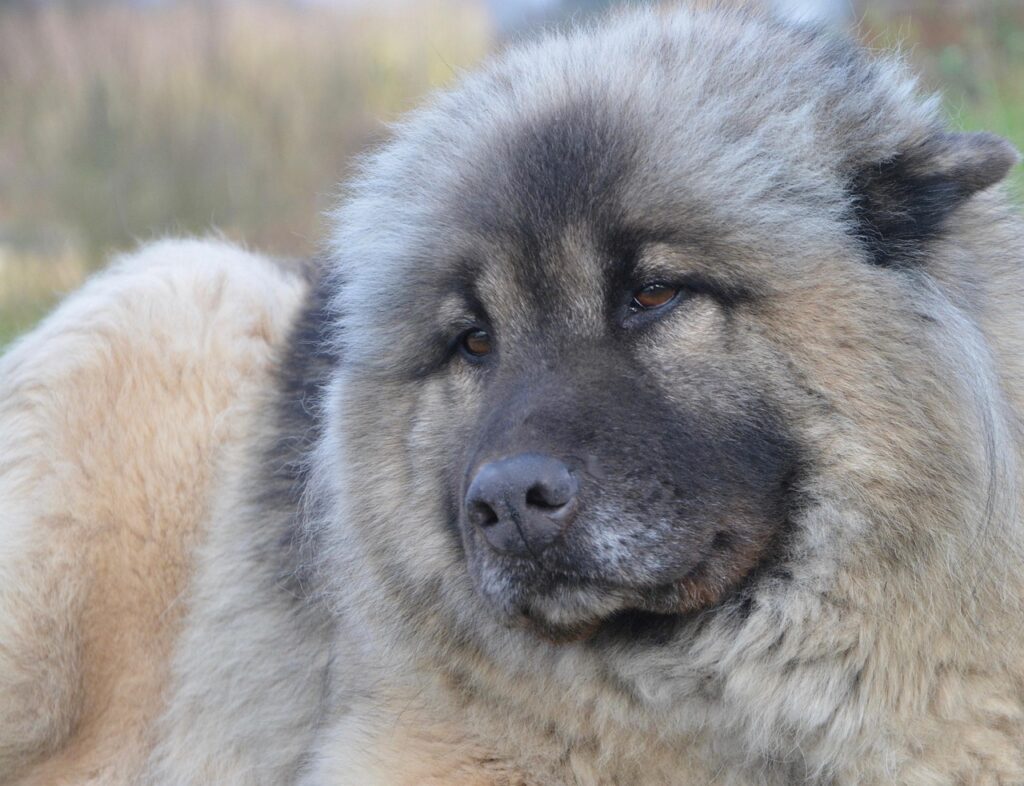
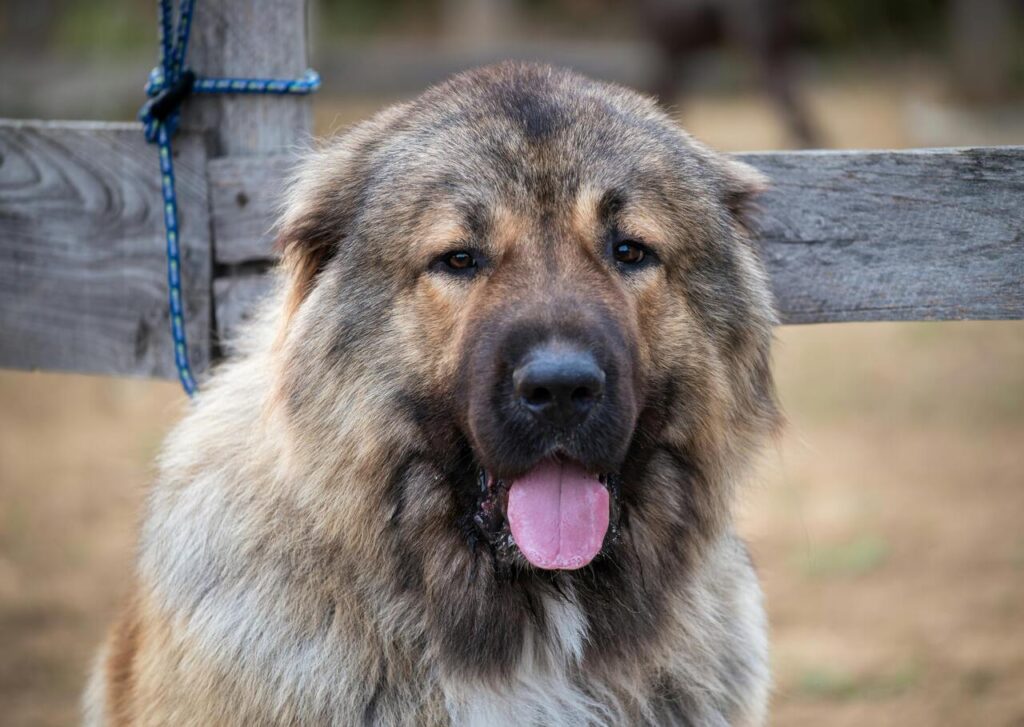
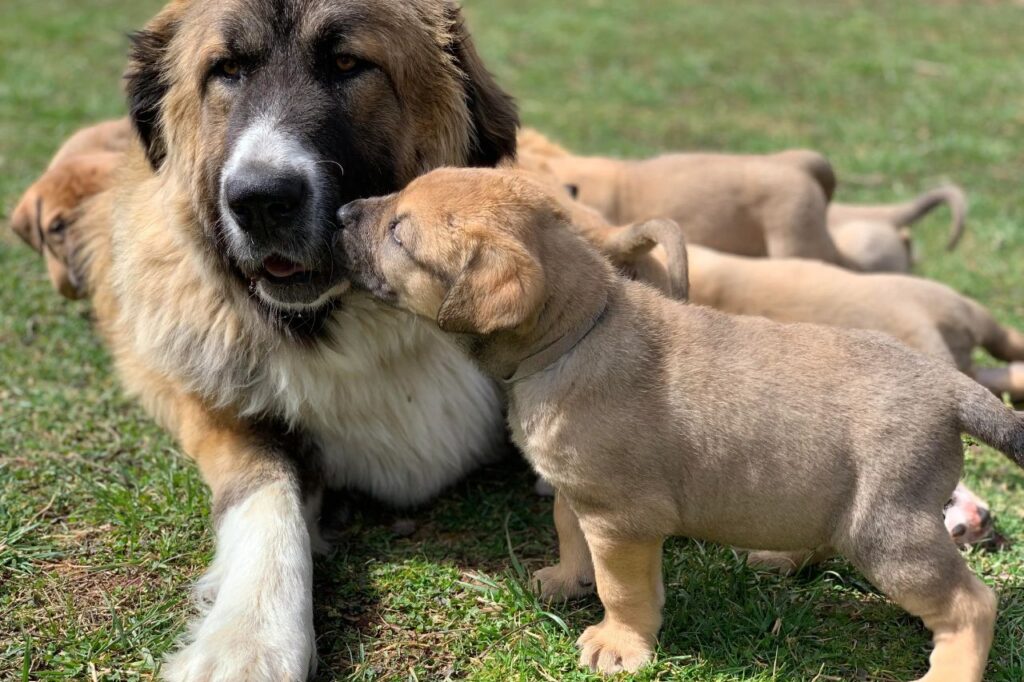
Caucasian Shepherds are known for their massive size and muscular build, often weighing between 100 to 170 pounds and standing up to 30 inches tall. Their dense double coat provides insulation, enabling them to endure extreme weather conditions. Coat colors range from white, gray, and brindle to shades of red or black. They have a broad head with a strong jaw, small ears often cropped in traditional practices, and a bushy tail. Their sturdy, wide frame and thick fur make them appear even more imposing. These physical traits contribute to their strength and resilience in guarding tasks.
3. Temperament and Behavior
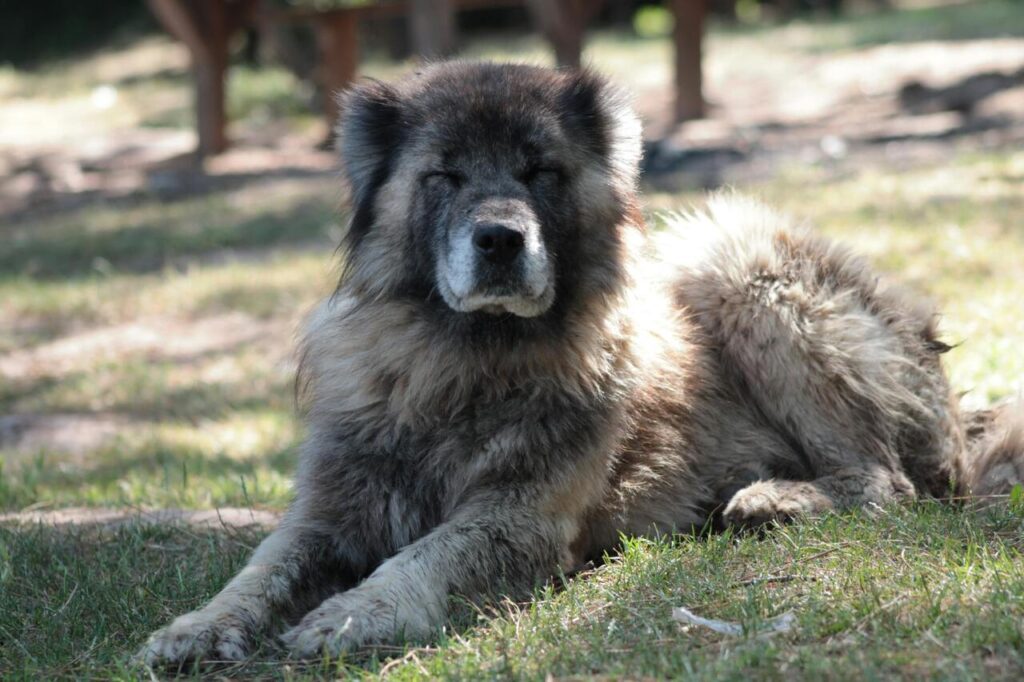
This breed is characterized by its confident and assertive nature, combined with strong protective instincts. Caucasian Shepherds are naturally distrustful of strangers, making them exceptional guard dogs, but they are deeply loyal and affectionate toward their families. Despite their intimidating demeanor, they can be gentle with children when socialized properly. However, their independent streak requires firm and consistent training. Without early socialization, they may exhibit territorial aggression.
4. Socialization Needs
Socialization is crucial for a Caucasian Shepherd to develop a balanced temperament. Due to their natural wariness of unfamiliar people and animals, early exposure to a variety of environments, sounds, and experiences is essential. Introducing them to other pets, children, and visitors in a controlled and positive manner helps curb aggressive tendencies. Socialization should begin during puppyhood and continue throughout their life. This effort reduces the risk of them becoming overly territorial or reactive in new situations.
5. Training Challenges
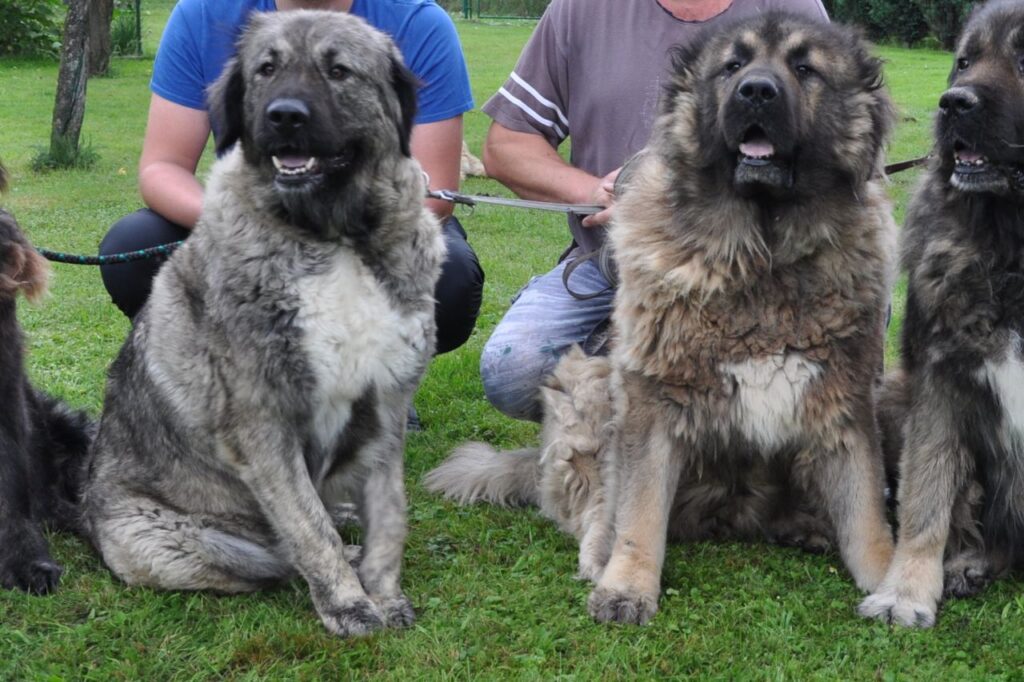
Training a Caucasian Shepherd requires patience, consistency, and a strong leader who understands the breed’s mindset. Their independent nature means they often question commands, so positive reinforcement techniques work best. Harsh training methods should be avoided, as they can lead to distrust or resistance. Establishing clear boundaries and routines helps them understand expectations. Regular obedience training is vital to manage their size and strength effectively. Advanced training, including commands for controlling guarding behavior, is often necessary.
6. Exercise Requirements

Despite their large size, Caucasian Shepherds are not overly active dogs but still require regular exercise to maintain their health and prevent boredom. Daily walks and opportunities to roam in a secure, spacious yard are ideal. They enjoy mentally stimulating activities, such as puzzle toys or scent-based games. Due to their guarding instincts, they often prefer patrolling their territory over vigorous play. While they are not suited for high-energy tasks like running long distances, moderate exercise paired with mental engagement keeps them happy and well-behaved.
7. Diet and Nutrition
Proper nutrition plays a vital role in supporting the Caucasian Shepherd’s large frame and overall health. A high-quality diet rich in protein, healthy fats, and essential vitamins is essential. Many owners choose large-breed-specific dog food to meet their unique dietary needs. Puppies require balanced meals to ensure steady growth and avoid joint problems later in life. Adult dogs need calorie-controlled diets to prevent obesity, as excess weight strains their joints. It’s important to always have fresh water accessible, particularly following physical activity.
8. Grooming and Coat Care
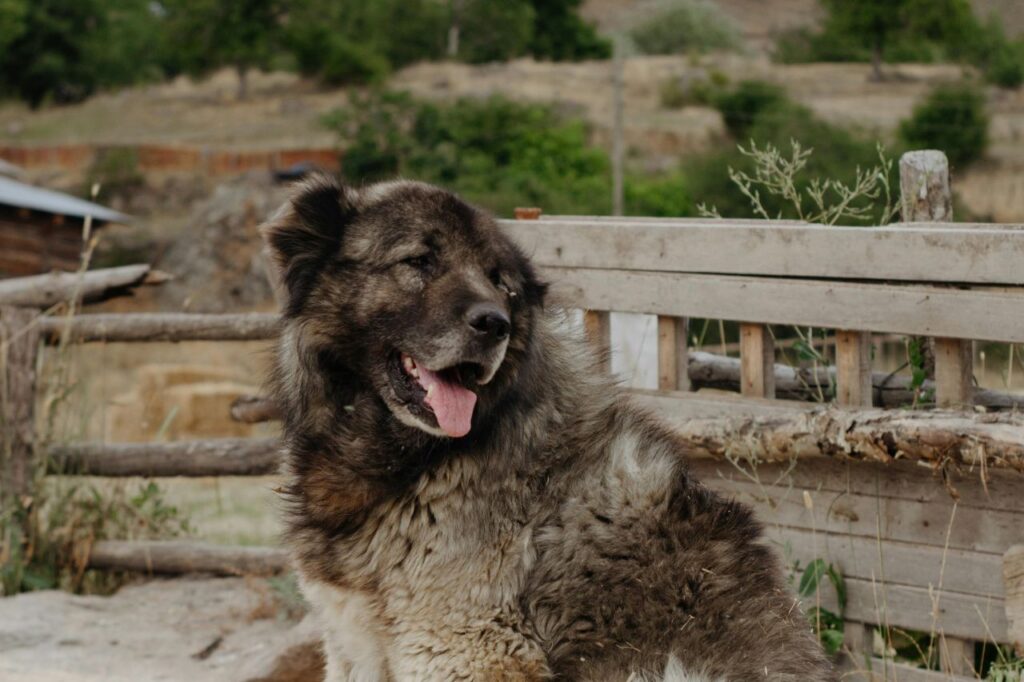
The Caucasian Shepherd’s thick double coat requires regular grooming to keep it in top condition. Weekly brushing helps prevent matting and removes loose fur, with more frequent grooming during seasonal shedding periods. A slicker brush or undercoat rake is ideal for managing their dense fur. Bathing should be done occasionally, as excessive washing can strip their coat of natural oils. Regular checks for tangles, debris, and skin irritations are necessary, especially in areas like the belly and behind the ears.
9. Health and Longevity
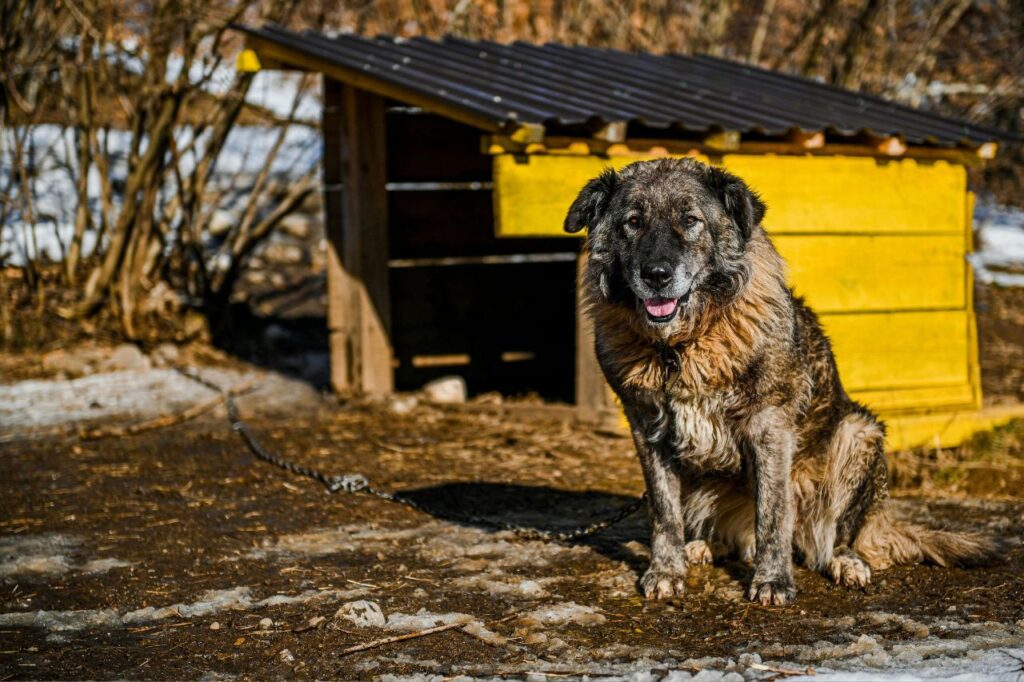
Caucasian Shepherds are generally robust dogs, but they are prone to certain health conditions, especially due to their large size. Common issues include hip and elbow dysplasia, heart problems, and obesity. Routine visits to the vet are essential for spotting and addressing these issues early on. They may also experience eye issues such as cataracts or entropion. With proper care, a well-balanced diet, and regular exercise, they can live 10 to 12 years. Responsible breeding practices and health screenings are essential to minimize the risk of inherited disorders in this breed.
10. Protective Instincts
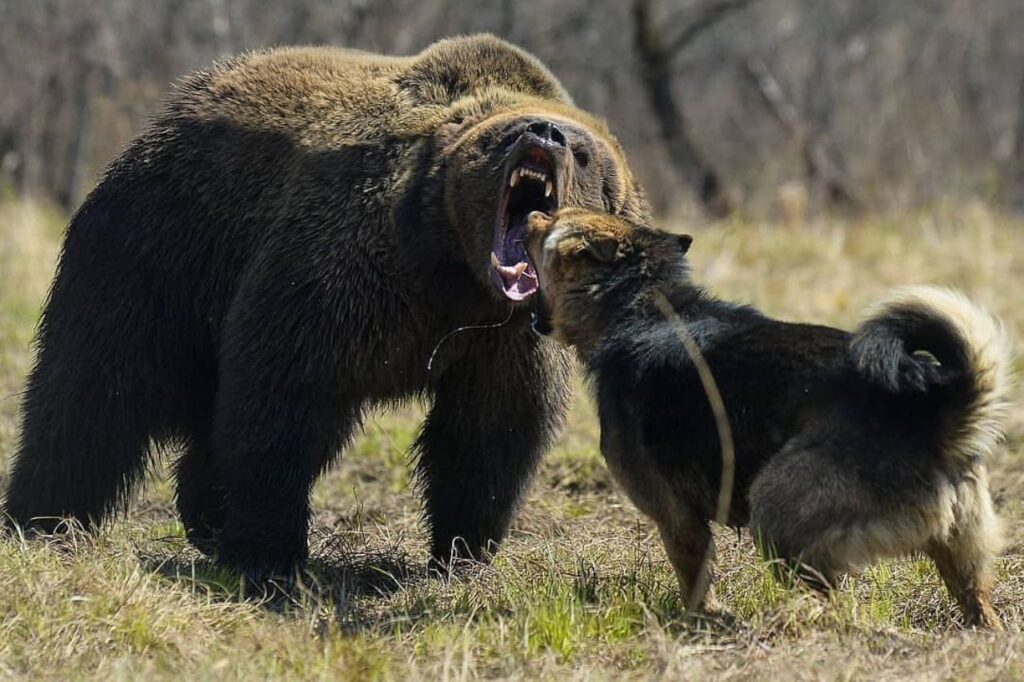
As natural guardians, Caucasian Shepherds have exceptionally strong protective instincts. They are highly territorial and will not hesitate to defend their family, property, or livestock from perceived threats. This trait makes them ideal watchdogs but also requires careful management. Without proper training, their protective nature can escalate into aggression toward strangers or other animals.. Owners must be prepared to handle situations where their dog’s guarding instincts might conflict with everyday interactions in urban or social settings.
11. Adaptability to Living Spaces
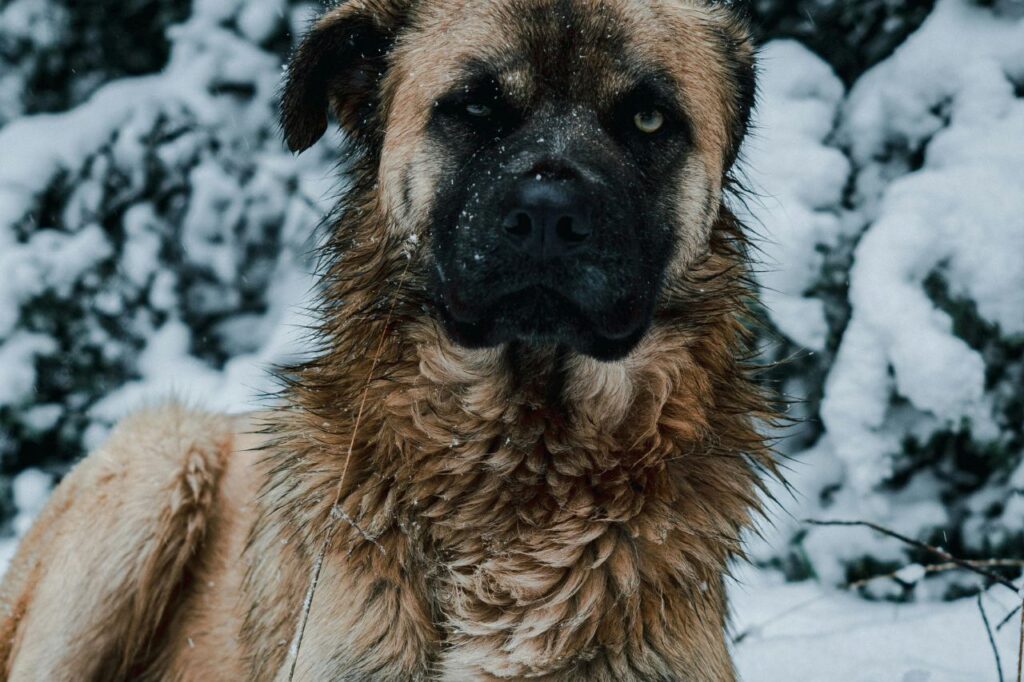
While Caucasian Shepherds thrive in rural or suburban environments, they can adapt to city living if provided with adequate space and exercise. Their size and energy levels make them unsuitable for small apartments. A securely fenced yard is ideal for them to patrol and explore. Despite their adaptability, they are not an ideal choice for first-time dog owners due to their complex needs. Urban environments require careful management of their interactions with strangers and other animals. With proper accommodations and effort, they can adjust to different living arrangements while maintaining their well-being.
12. Interaction with Children
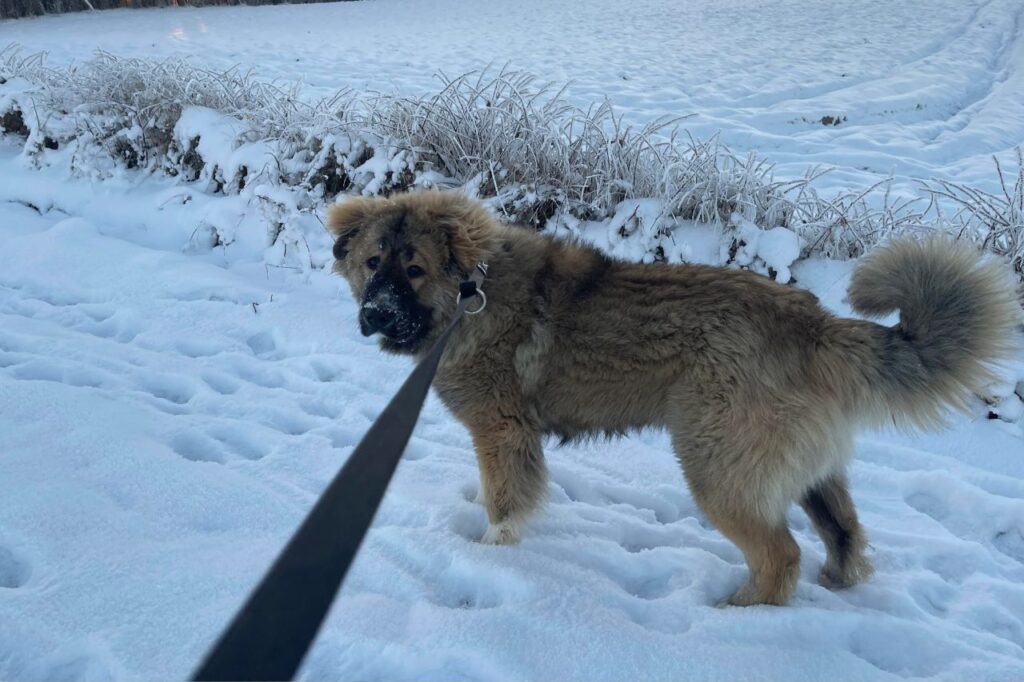
When properly socialized, Caucasian Shepherds can be gentle and protective toward children. Their natural loyalty extends to family members, including young ones, making them reliable companions. However, their size and strength mean interactions with small children should always be supervised. Teaching children how to approach and respect the dog is equally important. The breed’s calm demeanor often helps them remain patient, but rough or unpredictable behavior from children can cause tension. Early socialization ensures they understand children as part of their “pack,” fostering trust and harmony in family settings.
13. Relationship with Other Pets
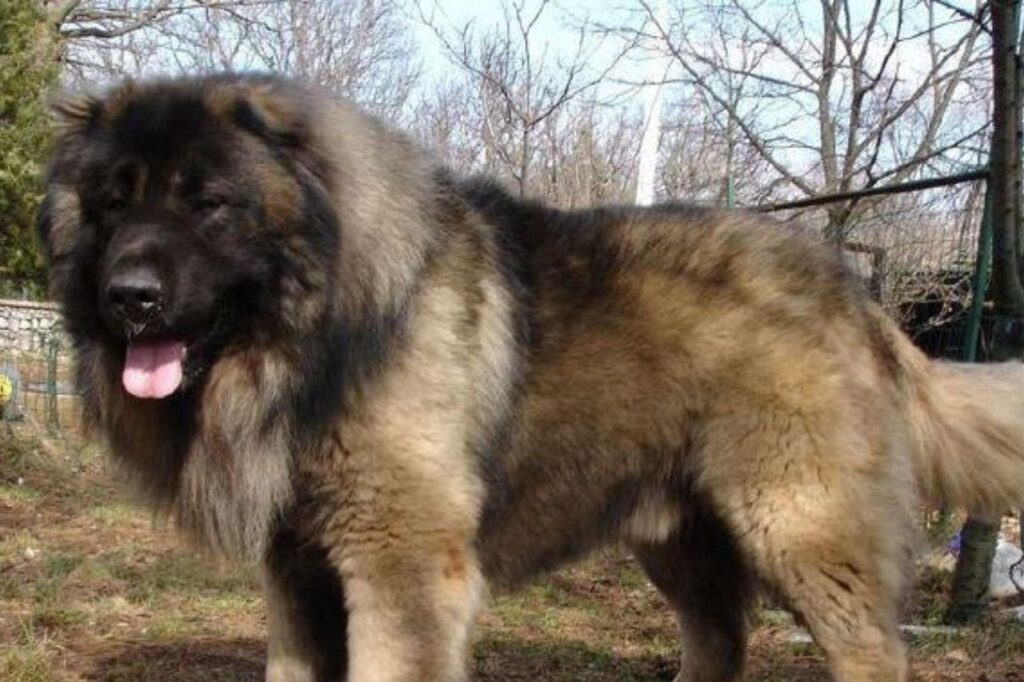
Caucasian Shepherds can coexist peacefully with other pets when raised alongside them, but their territorial instincts can create challenges. Introducing them to other animals, such as cats or smaller dogs, requires patience and careful supervision. Their strong prey drive means they may not be suitable for households with small animals like rabbits or rodents. Positive early socialization and training are essential to reduce potential conflicts. Even with proper introductions, owners should remain vigilant, as their protective nature can lead to dominance over other animals in the household.
14. Mental Stimulation
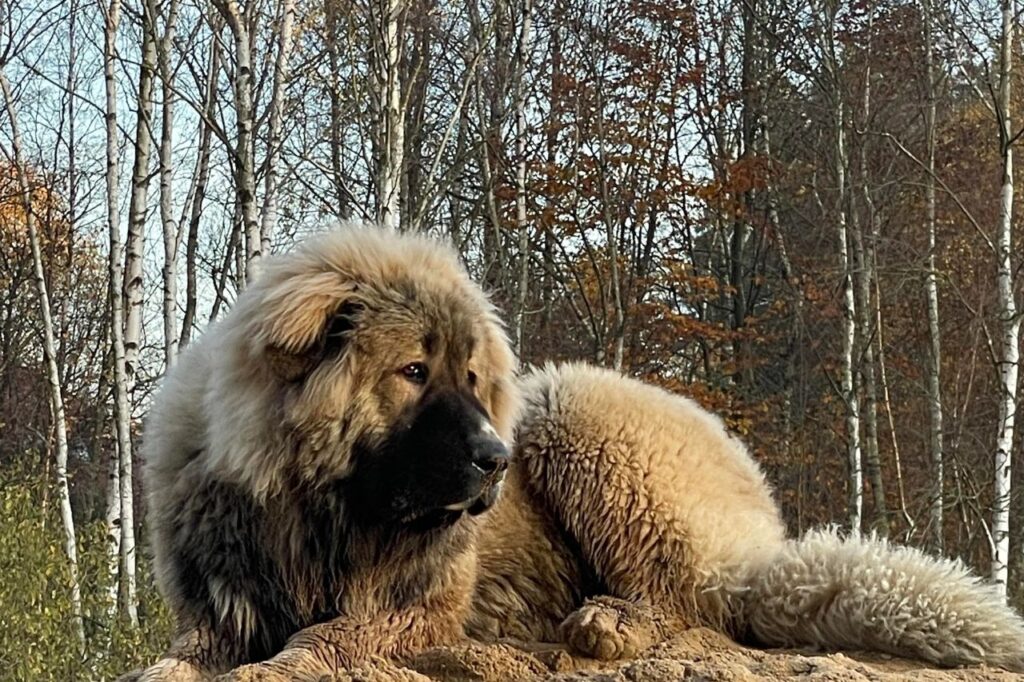
Mental stimulation is crucial for a Caucasian Shepherd to prevent boredom and undesirable behaviors. As intelligent and independent thinkers, they enjoy problem-solving activities and tasks that engage their mind. Training sessions, interactive toys, and scent-based games help keep them mentally sharp. Providing them with “jobs,” such as guarding or herding, satisfies their natural instincts. Without adequate mental stimulation, they may develop destructive habits, such as chewing or excessive barking, especially when left alone for extended periods.
15. Suitability as a First-Time Dog
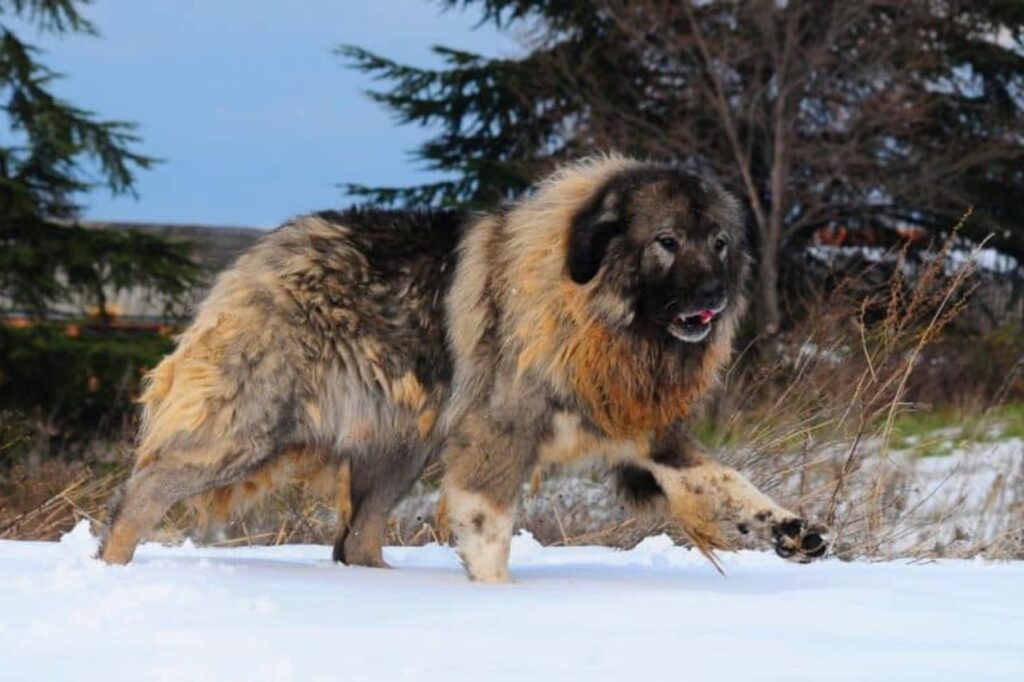
Caucasian Shepherds are not recommended for first-time dog owners due to their size, strength, and independent temperament. Managing their guarding instincts, training needs, and socialization challenges requires experience and confidence. Novice owners may struggle to establish the firm leadership necessary to prevent dominance-related issues. Additionally, their physical demands and grooming requirements can be overwhelming for inexperienced handlers. For seasoned dog owners willing to dedicate time and effort, the Caucasian Shepherd can be a rewarding and loyal companion.
16. Working Roles
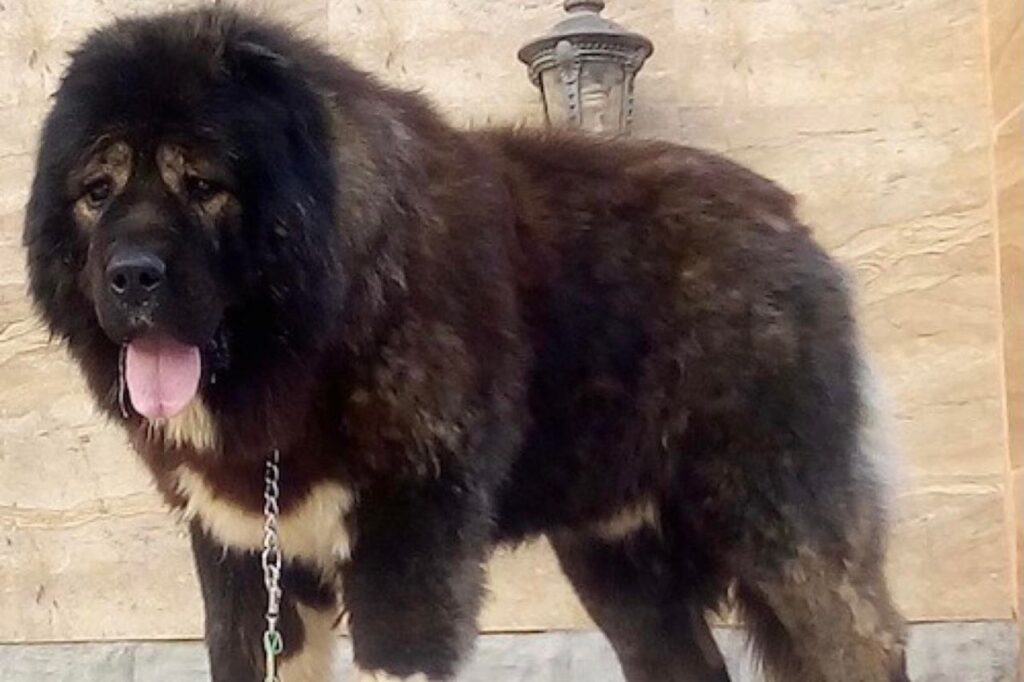
Historically bred for guarding livestock, Caucasian Shepherds excel in working roles that require strength, endurance, and vigilance. They are often employed as guard dogs for homes, businesses, and agricultural properties. In some regions, they assist with herding tasks, using their imposing presence to deter predators. Their adaptability also allows them to serve in roles such as search and rescue or police work. However, their independent nature and strong will mean they thrive in environments where they have clear, consistent guidance and a well-defined purpose, allowing them to fulfill their natural instincts.
17. Training Techniques to Avoid
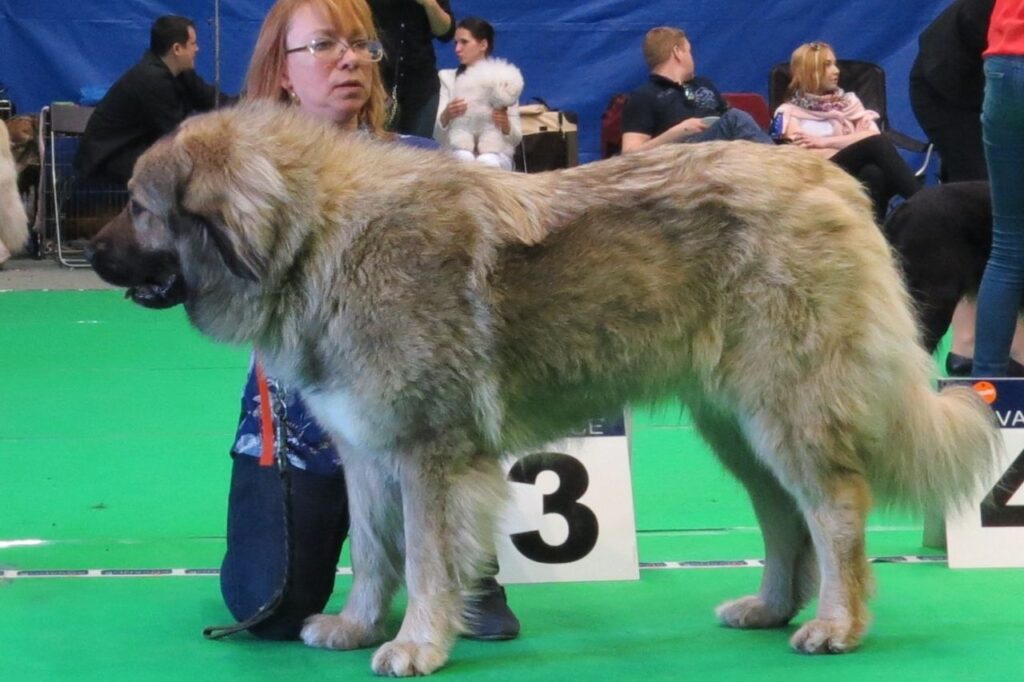
Harsh or punitive training methods should be avoided when working with Caucasian Shepherds. This breed responds poorly to physical corrections or forceful techniques, which can damage trust and escalate aggression. Instead, positive reinforcement, such as treats, praise, and rewards, fosters cooperation and strengthens the bond between owner and dog. Consistency and patience are crucial, as they may test boundaries or take time to learn commands. Using gentle, firm guidance helps them understand expectations without creating fear or resistance.
18. Travel Considerations
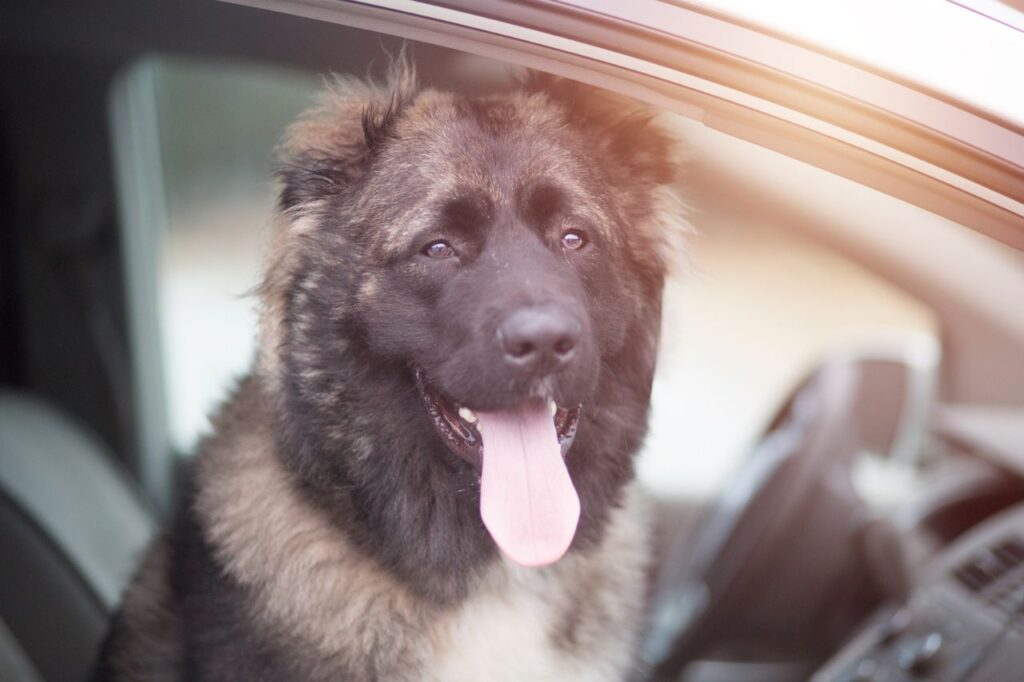
Traveling with a Caucasian Shepherd requires careful planning due to their size and temperament. Vehicles must have ample space to accommodate them comfortably, especially for long trips. Proper restraint, such as a secure harness or crate, ensures their safety. Socialization is essential before traveling, as they may react defensively to unfamiliar people or environments.. Keeping their needs in mind, such as regular breaks for exercise and hydration, helps make travel a stress-free experience for both dog and owner.
19. Breed-Specific Legislation
In some countries or regions, Caucasian Shepherds are subject to breed-specific legislation (BSL) due to their size and perceived aggression. These laws may include restrictions on ownership, mandatory muzzling in public, or special licensing requirements. Potential owners should research local regulations before adopting this breed to ensure compliance. Advocacy efforts focus on educating policymakers about responsible ownership and the importance of training and socialization rather than banning breeds.
20. Final Thoughts on Ownership

Owning a Caucasian Shepherd is a rewarding experience for those who understand and respect their unique traits. These dogs offer unparalleled loyalty, protection, and companionship, but they require a dedicated and knowledgeable owner to thrive. Their size, strength, and guarding instincts demand consistent training, socialization, and care. For families or individuals willing to invest time and effort, the Caucasian Shepherd becomes more than just a pet; they are a steadfast guardian and a beloved member of the household.
Love Pets as Much as We Do?

Scroll up and click the ‘Follow’ button to stay updated with the latest heart-warming, hilarious, and helpful pet posts from Pawdown, delivered straight to your Microsoft Start feed and MSN homepage!