
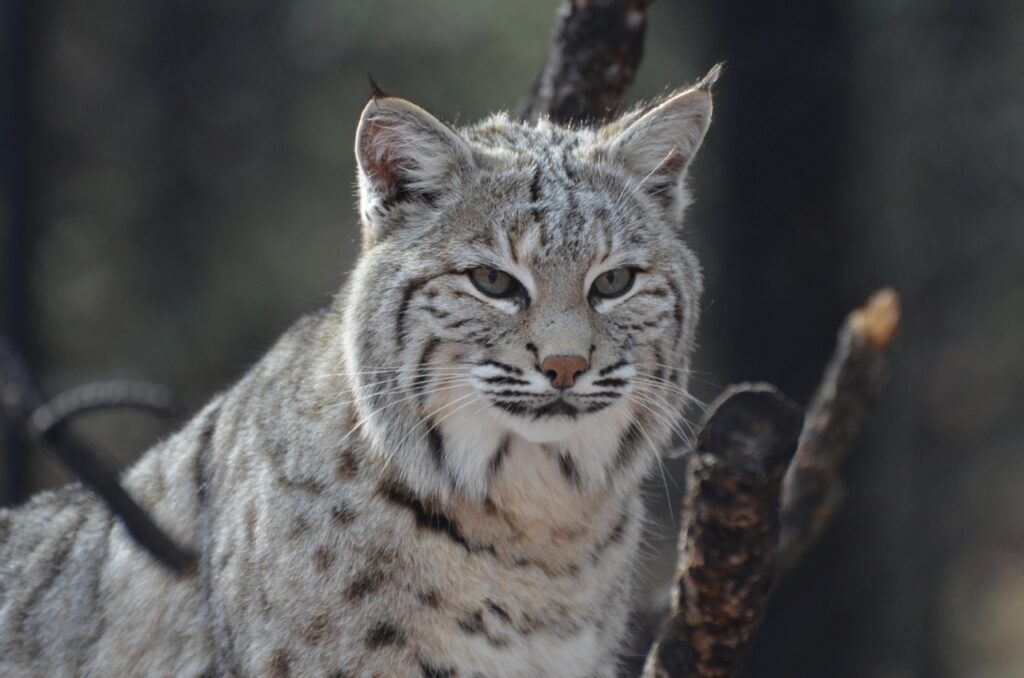
Owning a wild cat as a pet is a highly controversial yet intriguing topic for animal enthusiasts. While domestic cats are common companions, many dream of owning a more exotic feline. However, owning a wild cat comes with significant responsibilities, including meeting their complex physical and psychological needs. Laws governing exotic pet ownership vary widely across the United States. Some states allow wild cats without any restrictions, while others require strict permits or outright ban their ownership. Let’s explore 20 states enabling wild cats as pets, including essential legal requirements and considerations.
1. Alabama

Alabama is one of the few states where owning exotic cats, including bobcats and servals, is legal without requiring a special permit. While restrictions exist for certain species like mountain lions or native wildlife, the state does not impose extensive regulations for private ownership of small to medium-sized exotic cats. Prospective owners are encouraged to ensure their pets are housed in secure enclosures to avoid escapes and potential risks to neighbors or local wildlife. Alabama offers a welcoming environment for exotic cat enthusiasts, but owners must still act responsibly for safety and animal welfare.
2. Nevada

Nevada has no state restrictions on the private ownership of exotic cats, including bobcats, servals, and caracals. Residents can legally keep these animals without a permit, though local municipalities may have specific ordinances. Nevada’s lenient regulations make it one of the more exotic-pet-friendly states in the U.S. Despite the lack of restrictions, responsible ownership is vital, including providing secure enclosures and proper nutrition. Prospective exotic cat owners should also consider the safety of their community and the potential challenges of caring for an exotic animal, particularly one with wild instincts.
3. North Carolina

North Carolina does not have statewide laws regulating the private ownership of exotic cats, leaving the decision to individual counties or municipalities. Bobcats and servals are often legal to keep as pets, but permits might be required for larger species like cougars or caracals. Owners must familiarize themselves with local ordinances to avoid legal issues. Enclosures must be designed to secure the animal and prevent interaction with the public. North Carolina’s relaxed approach allows exotic cat enthusiasts to own these animals, provided they research and adhere to county-specific regulations.
4. Wisconsin

Wisconsin has some of the most lenient laws regarding exotic pets, including wild cats. Residents can own species like bobcats, servals, and even caracals without needing a special permit. However, the state emphasizes responsible ownership, as large, powerful cats can pose a safety risk if not properly contained. Owners are advised to ensure their cats have proper housing, nutrition, and veterinary care. While Wisconsin is an exotic pet-friendly state, potential owners should also consider the ethical and logistical challenges of keeping a wild cat as a pet in a suburban or urban environment.
5. South Carolina

South Carolina allows the private ownership of certain exotic cats, including bobcats and servals, without requiring a special permit. Larger species like lions and tigers, however, are prohibited. The state enforces minimal restrictions, making it an attractive location for exotic pet enthusiasts. Despite the relaxed regulations, responsible ownership is critical, including secure enclosures and regular veterinary care. Owners should ensure that their exotic cats are not a danger to the public or native wildlife. South Carolina’s laws make it possible for residents to enjoy the companionship of exotic cats responsibly.
6. Texas

Texas allows exotic cats like servals, bobcats, and caracals as pets, but owners must obtain a permit in most counties. Each county determines its regulations, with some requiring liability insurance and strict caging requirements. Texas’s reputation for exotic pet ownership stems from its flexible laws, but it is also home to some of the largest exotic animal sanctuaries, which serve as homes for abandoned or surrendered exotic cats. Aspiring owners should be prepared for the financial and emotional responsibility that comes with caring for these unique animals by local laws.
7. Florida

Florida allows the ownership of certain exotic cats, including bobcats and servals, under specific conditions. Owners must obtain a Class II permit, which involves demonstrating proper caging, experience with the species, and a contingency plan in case of escape. Public interaction with these cats is restricted, and all enclosures must meet safety standards set by the Florida Fish and Wildlife Conservation Commission. Florida’s strict permitting process ensures that only qualified individuals can own exotic cats, protecting both the animals and the public while allowing enthusiasts to care for their unique pets.
8. Arizona
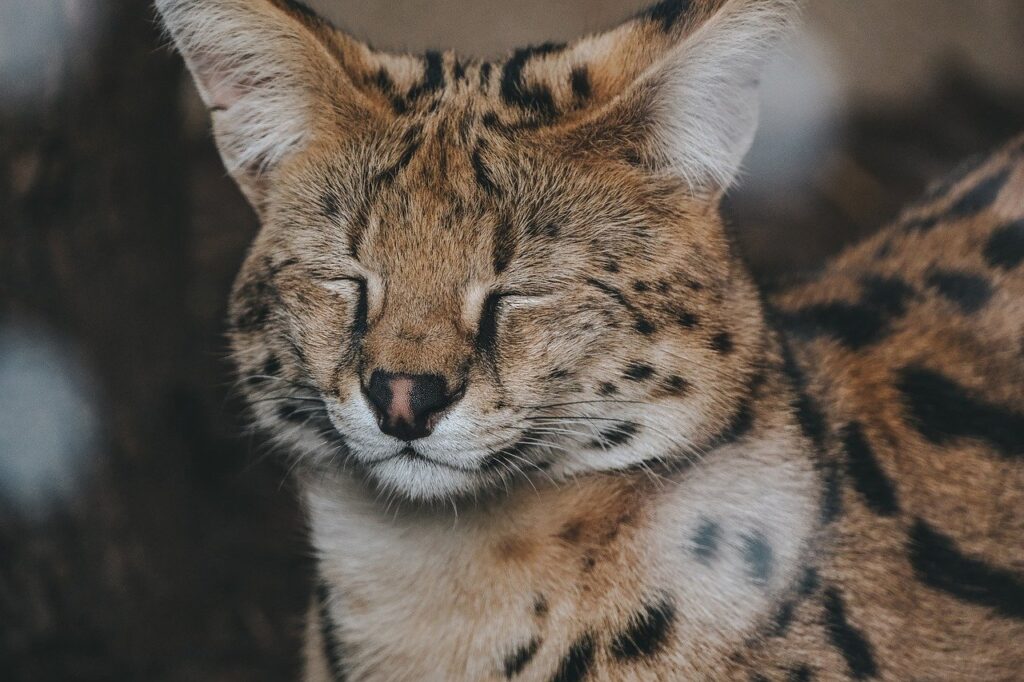
Arizona permits the ownership of some exotic cats, like bobcats and servals, under a private game farm license or wildlife holding license. Owners must meet specific requirements, including proper housing, veterinary care, and contingency plans for escapes. While Arizona bans larger species like lions and tigers, it provides pathways for responsible ownership of smaller exotic cats. The state’s dry climate can be an ideal environment for African-origin cats like servals. Aspiring owners must commit to the financial and logistical challenges associated with owning and caring for these extraordinary animals.
9. Indiana

Indiana allows private ownership of exotic cats, including servals and bobcats, with a wild animal possession permit. Applicants must renew this permit annually, ensuring enclosures meet state standards for safety and animal welfare. Indiana’s relatively relaxed regulations make it an attractive state for exotic cat enthusiasts, though restrictions apply to larger species like lions and tigers. Proper documentation of the cat’s origin and veterinary care is mandatory. While the state permits ownership, it emphasizes responsible practices, such as providing secure housing and adequate care to minimize risks to the public and native wildlife.
10. Missouri
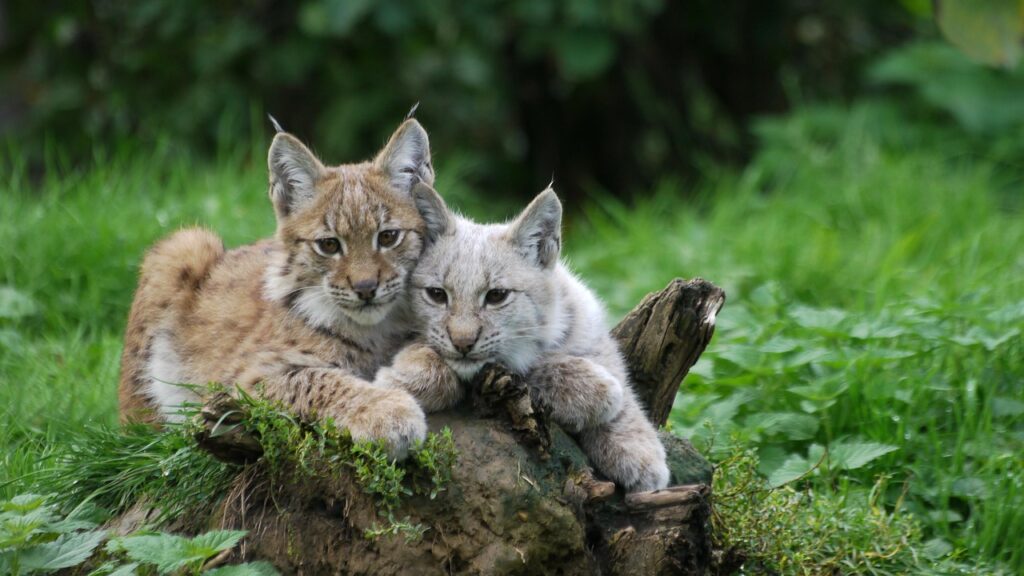
Missouri permits the ownership of exotic cats like bobcats and servals with a state-issued permit. Owners must meet specific requirements, including proof of liability insurance, secure enclosures, and veterinary documentation. Missouri’s laws aim to strike a balance between allowing private ownership and protecting public safety. While residents can enjoy keeping exotic cats as pets, the state’s permit system ensures a level of oversight. Potential owners should thoroughly research the legal requirements and the practical challenges of caring for a wild cat before committing to ownership.
11. Mississippi

Mississippi allows residents to own exotic cats like bobcats and servals, but a permit is required. The state mandates proper enclosures, liability insurance, and health documentation to ensure the animals’ safety and welfare. Mississippi’s relatively flexible laws have made it a popular state for exotic cat enthusiasts. However, the state enforces strict penalties for violations, including illegal ownership or inadequate housing conditions. Prospective owners must understand the long-term commitment and financial responsibility of owning an exotic cat, including veterinary care and ensuring their pet’s habitat meets legal and ethical standards.
12. Oklahoma

Oklahoma permits ownership of exotic cats like servals and bobcats with a commercial or non-commercial wildlife breeder’s permit. The state requires secure enclosures and proper veterinary care. While Oklahoma’s laws are relatively accommodating, owners must ensure their pets do not pose a risk to the public or native wildlife. Prospective owners should be aware of additional local ordinances that may regulate or prohibit exotic pet ownership. With the right preparations and compliance with state regulations, Oklahoma residents can enjoy keeping exotic cats responsibly and safely.
13. Montana

Montana allows private ownership of exotic cats like bobcats and servals with a wildlife possession permit. The state emphasizes responsible ownership by requiring secure housing, proper veterinary care, and escape prevention measures. Montana’s rural landscape makes it an ideal environment for exotic cats, but potential owners must consider the challenges of maintaining the health and safety of these animals. Residents are encouraged to familiarize themselves with both state and local regulations to ensure compliance and avoid legal complications.
14. North Dakota

North Dakota permits ownership of exotic cats like bobcats and servals with a nontraditional livestock permit. The state classifies exotic cats based on their size and potential risk, requiring different levels of oversight and housing standards. Owners must provide detailed records of the cat’s origin, health, and any transfers. While North Dakota’s regulations are relatively straightforward, they aim to ensure public safety and the humane treatment of exotic pets. Prospective owners must thoroughly research the responsibilities associated with keeping a wild cat before committing.
15. South Dakota

South Dakota allows ownership of exotic cats like bobcats and servals with a Captive Non-Domestic Animal Permit. Applicants must meet housing and safety requirements before receiving approval. The state emphasizes the importance of secure enclosures and proper care to prevent escapes and ensure public safety. South Dakota’s rural areas provide suitable habitats for exotic cats, but potential owners should carefully consider the long-term responsibilities involved in owning a wild animal. Regular veterinary check-ups and adherence to state regulations are essential for maintaining the pet’s health and legal compliance.
16. Pennsylvania
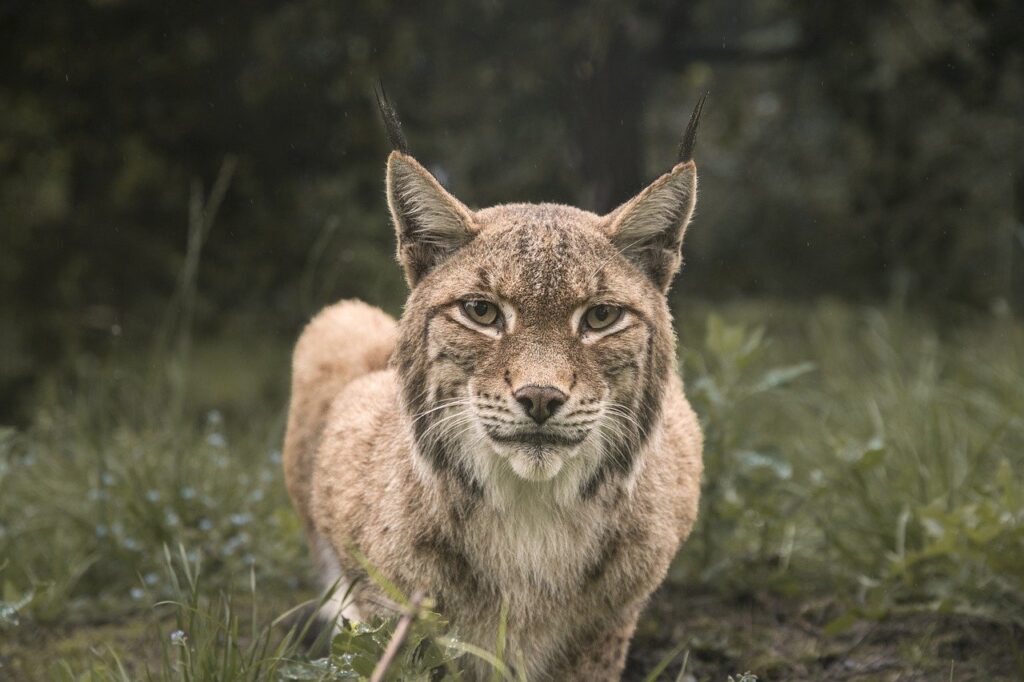
Pennsylvania permits ownership of exotic cats like bobcats and servals with an Exotic Wildlife Possession Permit. The state enforces strict requirements, including caging standards, veterinary documentation, and liability insurance. Pennsylvania’s laws aim to balance the interests of exotic pet enthusiasts with public safety and animal welfare concerns. Owners must renew their permits annually and comply with regular inspections. While the state allows exotic cats, potential owners should be prepared for the financial and logistical challenges of meeting these requirements.
17. Wyoming

Wyoming allows ownership of exotic cats like bobcats and servals with a wildlife possession permit. Owners must meet specific housing and safety requirements to ensure their pets do not pose a risk to public safety or native wildlife. Wyoming’s rural setting is well-suited for exotic cats, but prospective owners should consider the challenges of providing proper care, including secure enclosures and adequate nutrition. The state emphasizes responsible ownership to prevent escapes and protect local ecosystems.
18. Maine

Maine permits ownership of exotic cats like servals and bobcats with a special permit. Applicants must demonstrate their ability to provide proper housing, veterinary care, and escape prevention measures. Maine’s regulations aim to ensure the safety and welfare of both exotic pets and the public. Potential owners must familiarize themselves with the state’s requirements and be prepared for the financial and logistical challenges of keeping an exotic cat as a pet. Regular inspections and compliance with state laws are essential for maintaining legal ownership.
19. Delaware

Delaware allows ownership of exotic cats like bobcats and servals with an Individual Exotic Animal Permit. The state enforces strict regulations to ensure the animals’ safety and welfare. Owners must provide secure enclosures, veterinary documentation, and escape prevention plans. Delaware’s laws are designed to protect both exotic pets and the public, making responsible ownership a priority. Prospective owners should carefully research the state’s requirements and consider the long-term commitment involved in caring for an exotic cat before making a purchase.
20. Florida

Florida permits ownership of exotic cats like servals and bobcats with a Class II Wildlife Permit. The state requires proper housing, veterinary care, and public safety measures. Owners must demonstrate experience with exotic animals and provide a detailed plan for their care. Florida’s stringent regulations ensure that only qualified individuals can keep exotic cats as pets. Potential owners should consider the financial and logistical challenges of meeting the state’s requirements, as well as the ethical implications of owning a wild animal.
Love Pets as Much as We Do?

Scroll up and click the ‘Follow’ button to stay updated with the latest heart-warming, hilarious, and helpful pet posts from Pawdown, delivered straight to your Microsoft Start feed and MSN homepage!