
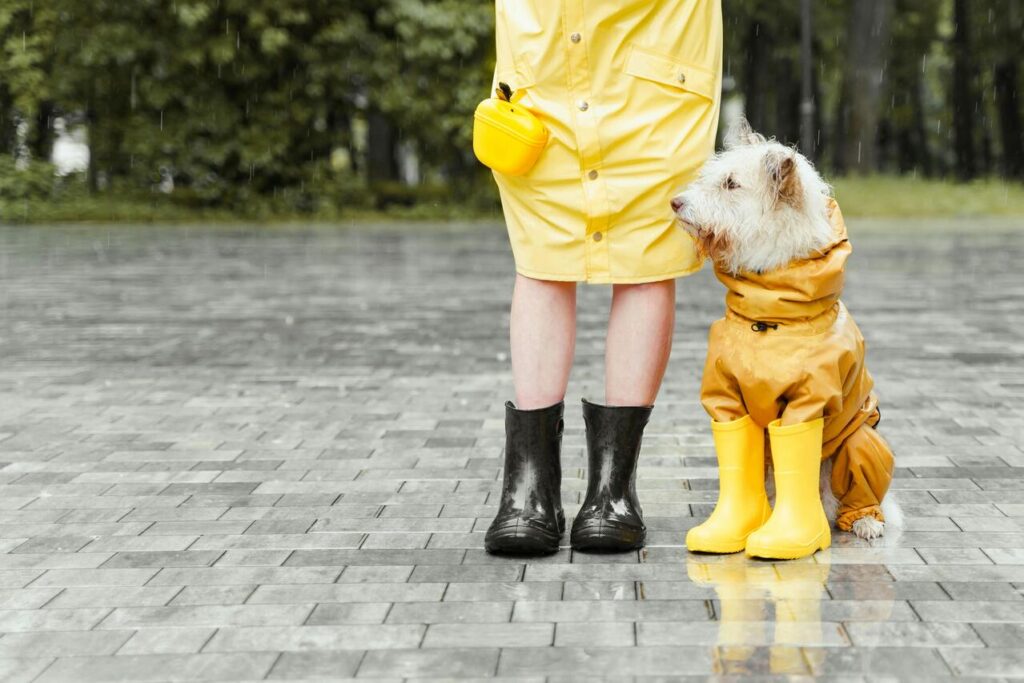
Rainy days can be tough for pets, especially when allergies rear their soggy heads. Pet parents might notice more sniffles, sneezes, and itchy skin when the dampness sets in. Managing pet allergies during the wet season doesn’t have to be daunting, though! By following a few expert-approved tips, you can help your furry friend stay comfortable and healthy. Dive into these practical strategies that vets recommend to ensure your pet breezes through the rainy season without a hitch.
1. Keep Pets Dry
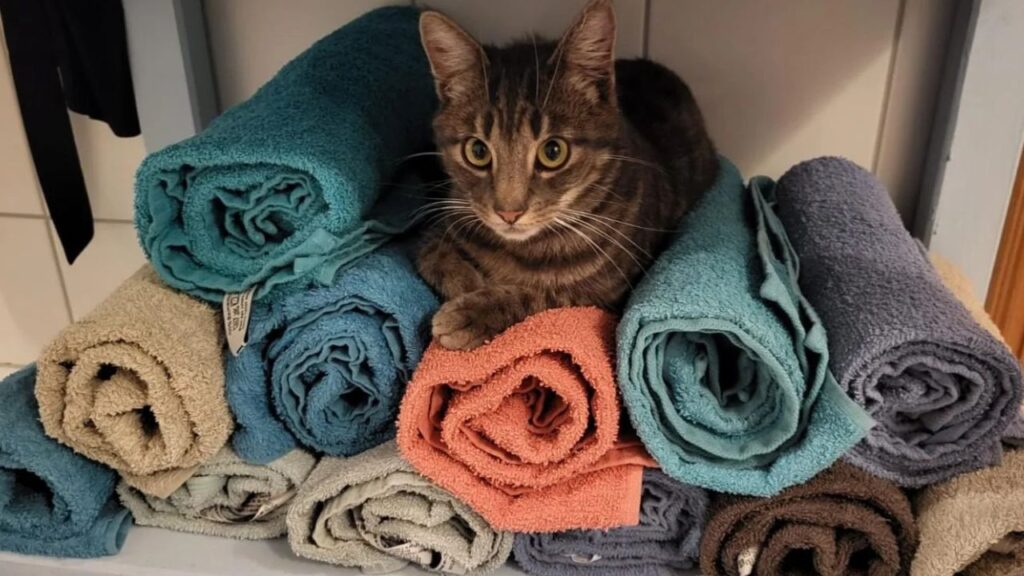
After a romp in the rain, it’s essential to dry your pet thoroughly. Water clinging to fur and skin can create a breeding ground for bacteria and mold, exacerbating allergy symptoms. Use a soft towel or a pet-friendly blow dryer to gently but thoroughly dry their coat. Pay attention to areas prone to trapping moisture, like under the ears and between toes. Keeping your pet dry not only combats allergens but also prevents skin irritations that rain-soaked fur can cause.
2. Maintain Clean Paws
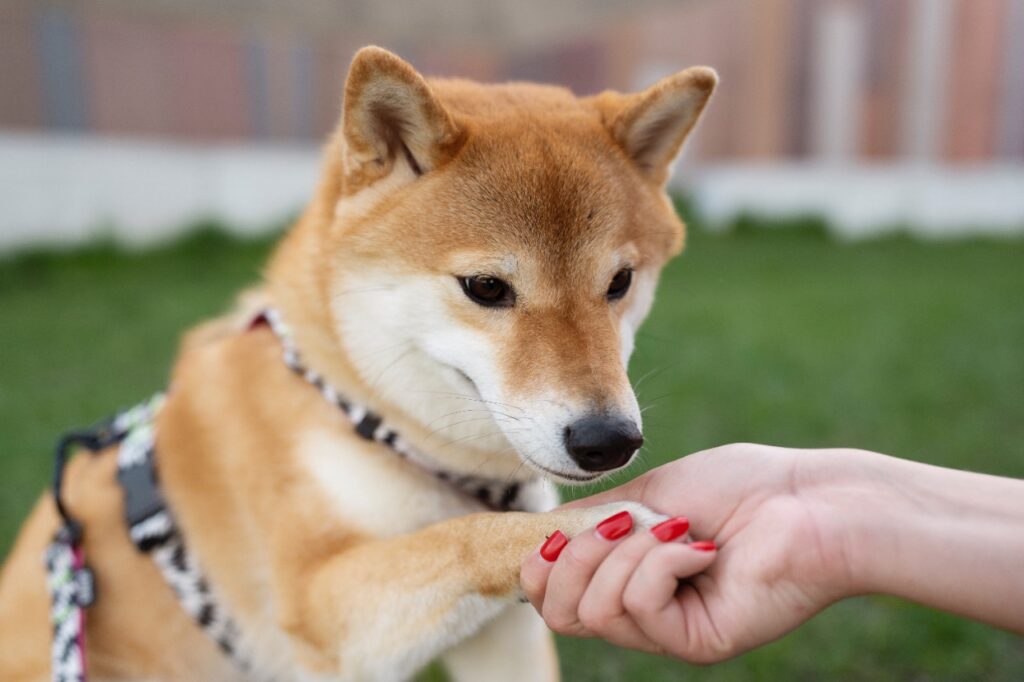
Paws are magnets for allergens, especially during the rainy season. Regularly wiping your pet’s paws with a damp cloth can help remove dirt, pollen, and mold. This simple routine minimizes allergen exposure and reduces licking and itching. Consider using pet-safe, antibacterial wipes or rinsing paws with warm, soapy water after outdoor adventures. Clean paws mean fewer allergens tracked indoors, ensuring a more comfortable environment for your furry companion.
3. Choose the Right Shampoo
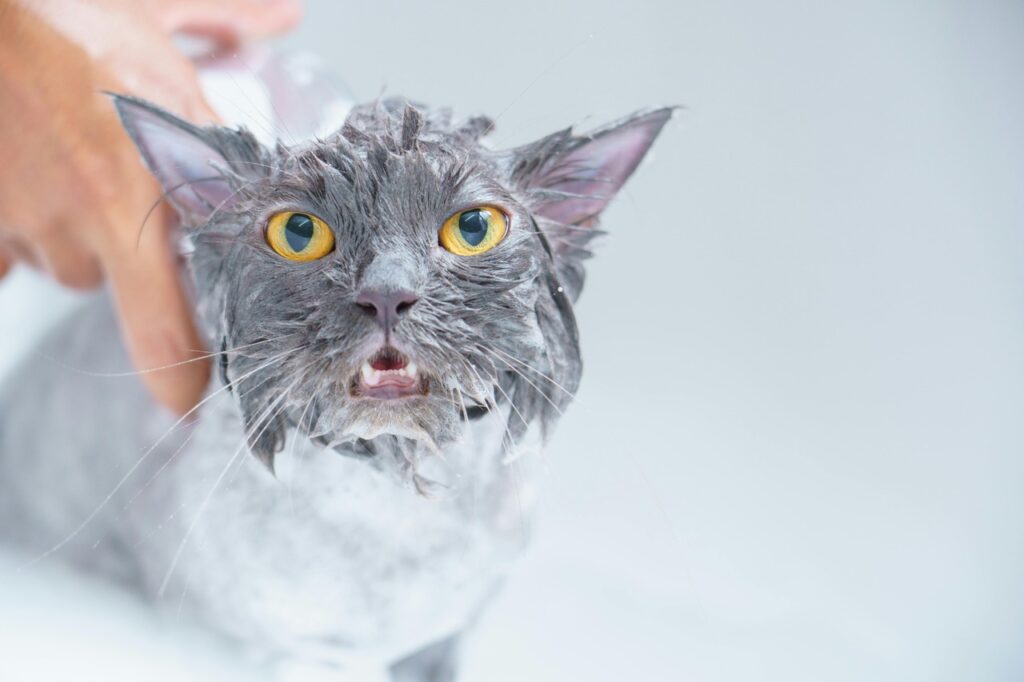
Selecting an appropriate shampoo can make all the difference during allergy season. Opt for hypoallergenic or oatmeal-based shampoos to soothe irritated skin and reduce allergic reactions. When bathing, gently massage the shampoo into your pet’s coat, ensuring it reaches the skin to effectively remove allergens. Regularly scheduled baths keep the coat clean and allergen-free. However, avoid over-bathing as it can strip natural oils and worsen skin issues.
4. Monitor Diet
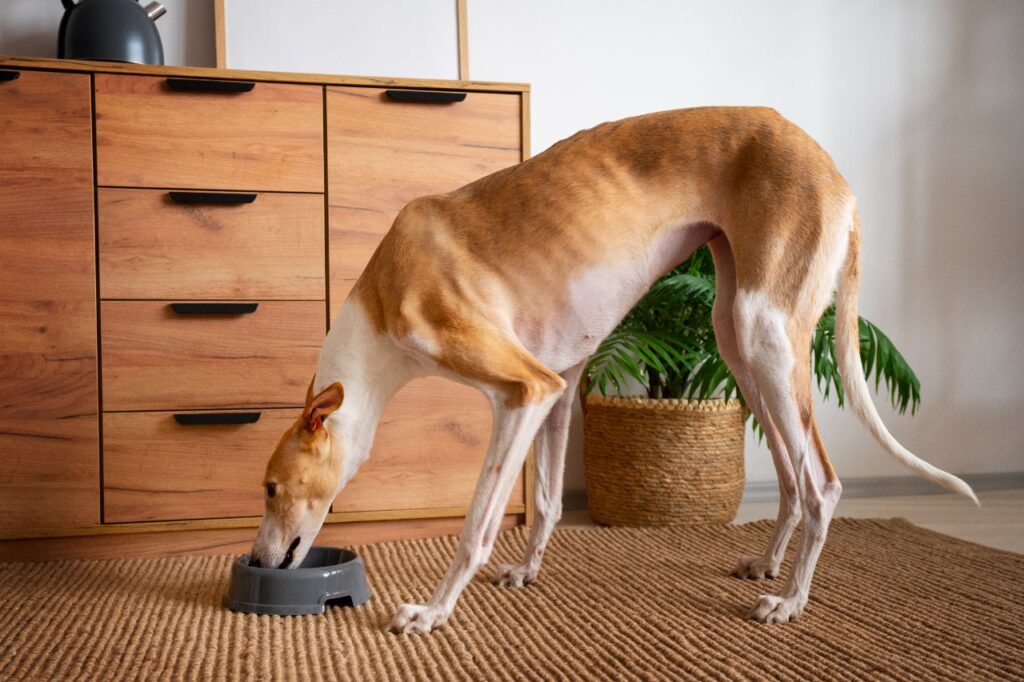
Diet plays a crucial role in managing pet allergies. Some pets may react to specific food ingredients, which can exacerbate skin conditions during humid weather. Consult your vet to tailor a diet plan that avoids common allergens while ensuring all nutritional needs are met. Integrating omega-3 fatty acids can also support skin health, reducing itchiness and inflammation. A balanced, nutritious diet helps bolster your pet’s immune system, making them more resilient to seasonal allergies.
5. Regular Vet Visits
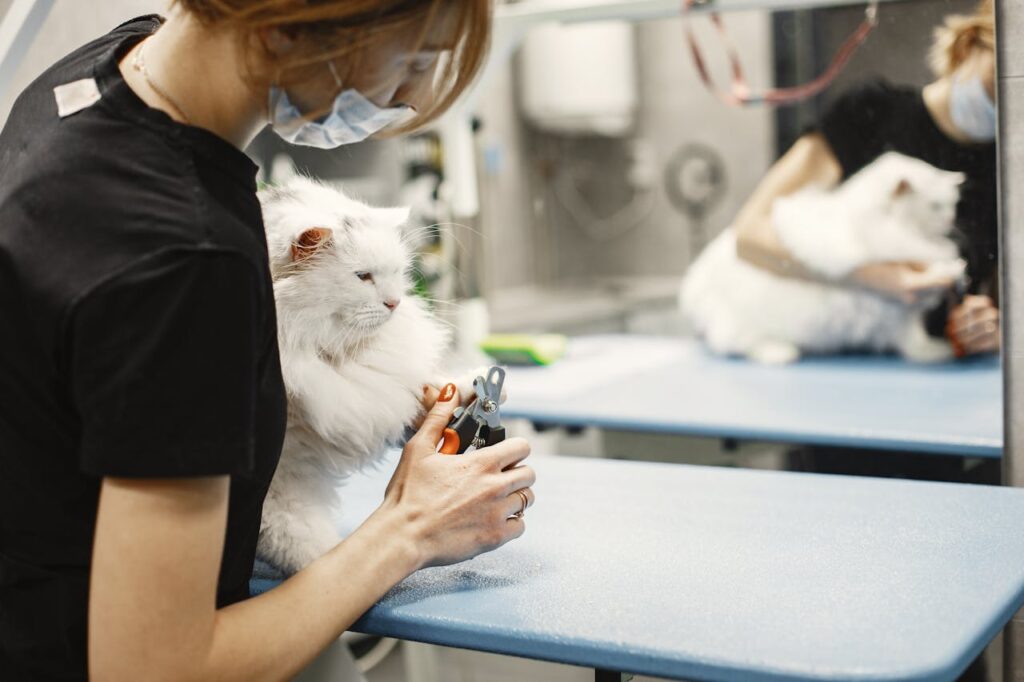
When it rains, it pours—especially for pets with allergies. Regular vet visits are crucial during the rainy season to keep those pesky allergies in check. Vets can provide insights into your pet’s health that you may not notice, catching early signs of allergies before they become a bigger problem. Routine check-ups also help in tailoring an allergy management plan specifically for your furry friend. Maintaining consistent veterinary care ensures your pet remains happy, healthy, and comfortable, even when those clouds roll in.
6. Allergy Medication
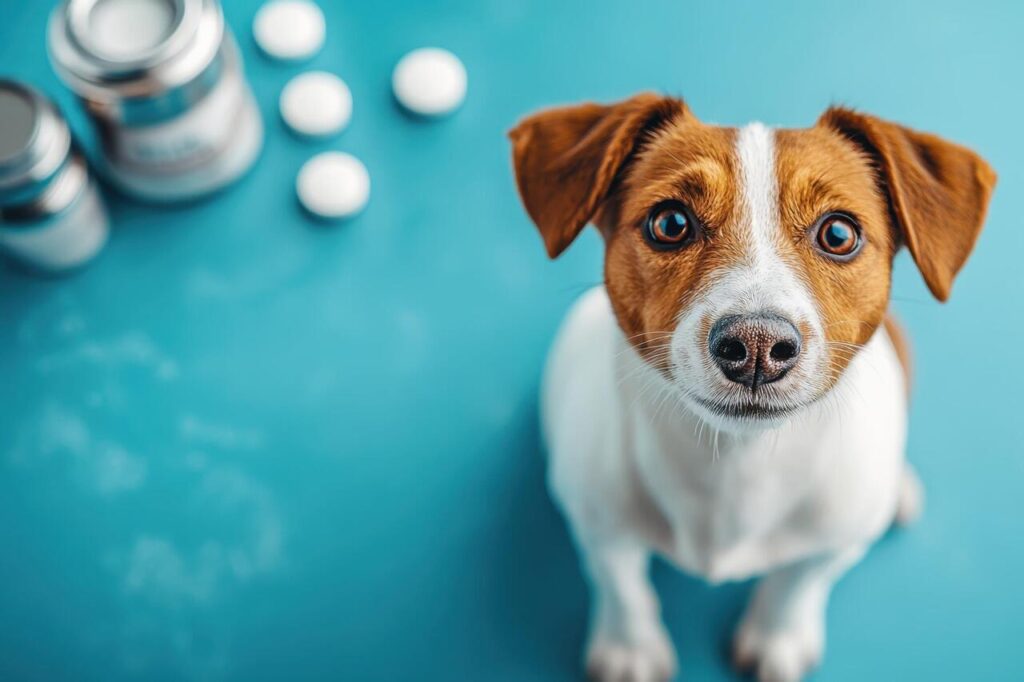
Sometimes all it takes is a tiny pill to change a pet’s whole world. Allergy medications can be lifesavers during the rainy season, mitigating symptoms such as sneezing, itching, and runny eyes. Based on specific needs, a vet may prescribe antihistamines or steroids to combat these reactions effectively. Remember not to self-medicate your pet; veterinary guidance is essential to ensure the right medication and dosage are administered, providing safe and effective relief from seasonal allergies.