

Horses are known for their beauty, grace, and companionship. However, their size, strength, and unpredictable nature can make them potentially dangerous pets if not handled properly. While many people find joy in owning a horse, it’s crucial to understand the risks involved. On the other hand, horses also possess the unique ability to offer emotional healing, provide therapy, and foster a deep bond with their owners. Let’s delve into both the dangers and the benefits of having a horse as a pet.
1. Size and Strength
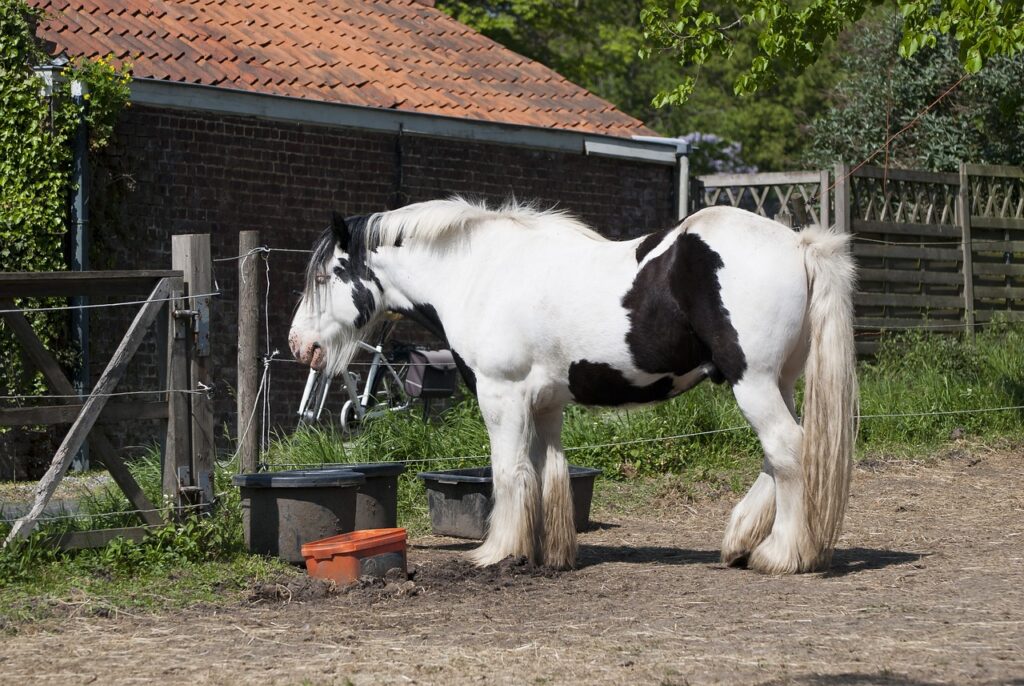
Horses are large, powerful animals with the potential to cause serious injury if not handled properly. Their size alone can create challenges for inexperienced owners. A horse that’s startled or excited can easily overpower its handler. For example, a horse may kick or push against a handler, resulting in injuries like broken bones or bruises. Even a playful nudge can cause significant harm. Therefore, it’s essential to be cautious and use the appropriate training when interacting with such large animals.
2. Unpredictable Behavior

While horses are often gentle, their behavior can be unpredictable. Stress, pain, or fear can trigger erratic reactions, including sudden bolting, rearing, or aggressive behavior like biting. Horses have complex emotional responses, and not every reaction can be anticipated, even with proper training. Understanding their body language is crucial, but horses may still react unexpectedly to unfamiliar sounds, environments, or movements. This unpredictability can make handling horses difficult and dangerous for the inexperienced.
3. Kick or Bite Risks
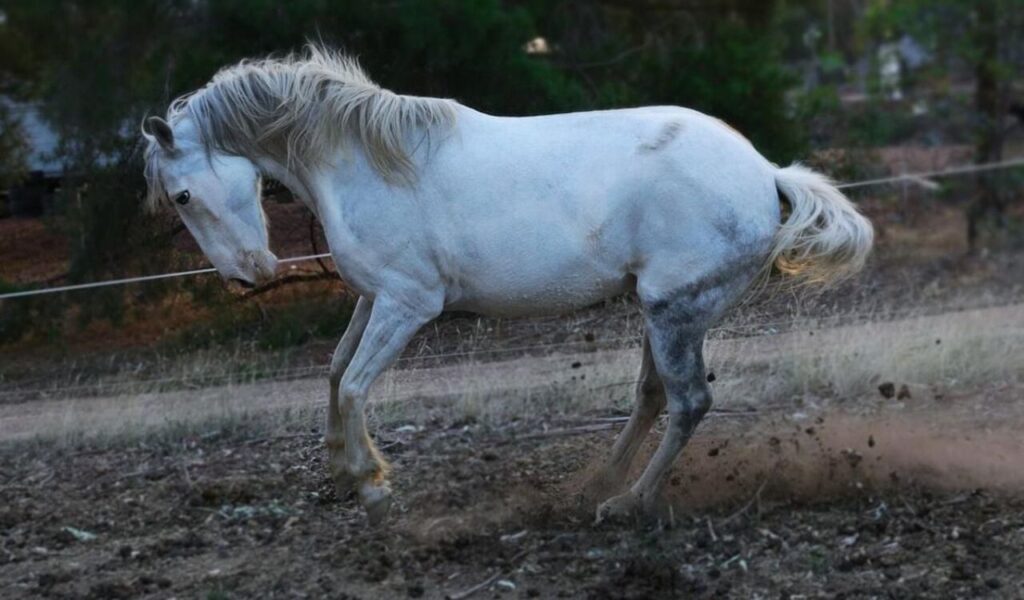
One of the most significant dangers when working with horses is the risk of being kicked or bitten. Horses possess powerful legs that can deliver forceful kicks capable of breaking bones or causing internal damage. Similarly, when they feel threatened, they may bite. This can lead to deep, painful wounds or even infections if not treated promptly. Whether in the stable or the field, owners must remain aware of a horse’s body language and avoid approaching from behind to reduce the risk of an unprovoked kick or bite.
4. Training and Temperament

Horses require consistent, patient training to be manageable and safe for their owners. A poorly trained horse with an unstable temperament can be difficult to handle. If a horse lacks the proper training, it may exhibit aggressive or unruly behavior, such as rearing, bolting, or refusing to obey commands. These actions can lead to serious accidents. Even experienced riders and handlers need to have the knowledge and skills to manage horses with challenging temperaments to ensure safety for both the animal and its owner.
5. Spooking

Horses are prey animals and have a natural instinct to react to sudden movements or unfamiliar objects in their environment. When startled or frightened, a horse may “spook” and quickly run away. This flight response can pose a significant danger, as it may lead to the horse running out of control, potentially injuring itself or its rider. Horses can be trained to handle spooking more calmly, but unexpected events can still trigger this flight instinct, making it crucial to stay alert and ensure that proper precautions are taken to prevent accidents.
6. Health Risks and Medical Conditions
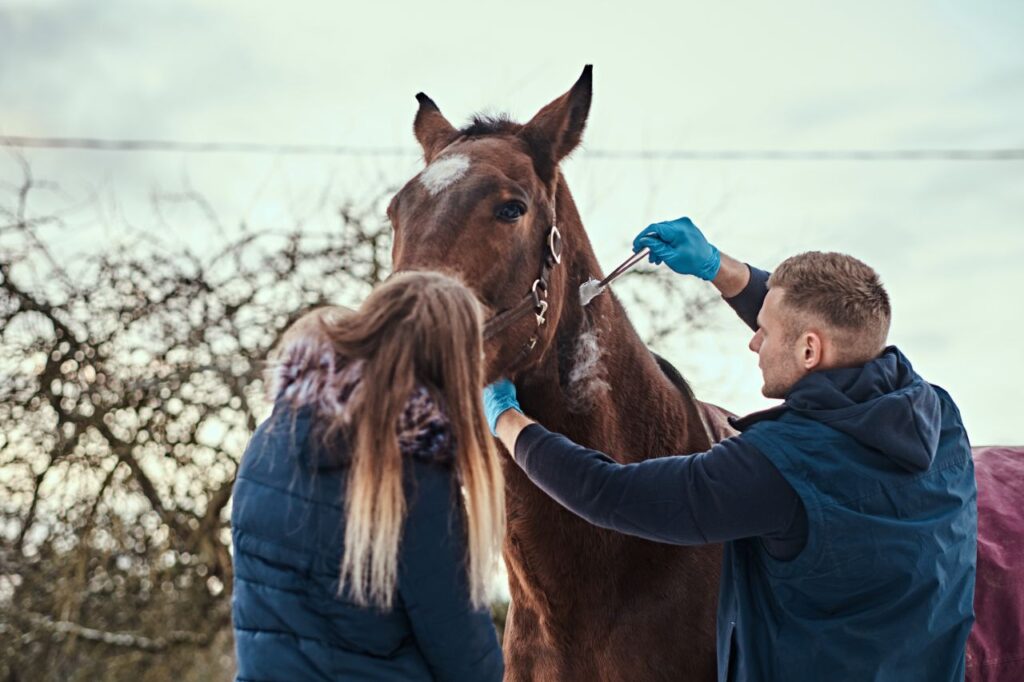
Horses, like any other living beings, can experience health issues that can affect their behavior. Conditions such as colic, laminitis, or infections can make a horse restless or unpredictable. Horses in pain may lash out or refuse to obey commands. A horse’s health also needs careful monitoring to prevent sudden health emergencies. Regular veterinary care and understanding a horse’s physical condition are essential to avoid situations where the animal’s discomfort leads to dangerous behavior, keeping both the horse and its owner safe.
6 Ways Horses Can Heal Your Soul

Horses are not only beautiful and powerful creatures; they also offer profound emotional benefits to those who bond with them. Known for their therapeutic qualities, horses can provide healing in ways that go beyond physical care. Their ability to sense human emotions and form deep connections has made them powerful companions for people seeking comfort, personal growth, or simply a peaceful escape from daily stress. Here’s a closer look at how horses can heal your soul and promote emotional well-being.
1. Unconditional Connection

One of the most remarkable aspects of owning a horse is the unconditional connection that forms between the animal and its owner. Horses do not judge, and they respond only to the energy and emotions of the person around them. This non-judgmental companionship provides a unique sense of comfort, especially for people feeling lonely or emotionally strained. Spending time with a horse can offer solace, allowing people to feel understood and supported in a way that many other animals cannot provide.
2. Therapeutic Riding

Equine therapy has become increasingly recognized for its ability to help individuals cope with mental health challenges such as PTSD, depression, and anxiety. The rhythmic motion of horseback riding can have a calming effect, reducing stress and promoting mental clarity. Moreover, the bond developed through riding fosters a sense of accomplishment and confidence. Equine-assisted therapy programs have been shown to help people heal emotionally, while also offering physical benefits, such as improved balance, coordination, and strength.
3.Mindfulness and Presence

Being in the presence of a horse naturally encourages mindfulness. Horses are incredibly intuitive, responding to the emotions and body language of their handlers. This sensitivity requires the person to be present, focused, and grounded. Whether riding or simply interacting with a horse, individuals must focus on the moment and connect deeply with the animal. This process helps people forget about their worries, allowing them to experience a sense of peace and emotional clarity that brings mental rejuvenation.
4.Building Trust and Confidence

Horses require patience, consistency, and trust to build a strong bond. For many individuals, especially those struggling with self-doubt or low self-esteem, learning how to communicate with and care for a horse can boost confidence. Establishing trust with a horse allows individuals to see their growth, not only in handling the animal but also in developing a sense of accomplishment. This process fosters a belief in oneself and creates a sense of self-worth that can extend into other aspects of life.
5. Natural Stress Relief
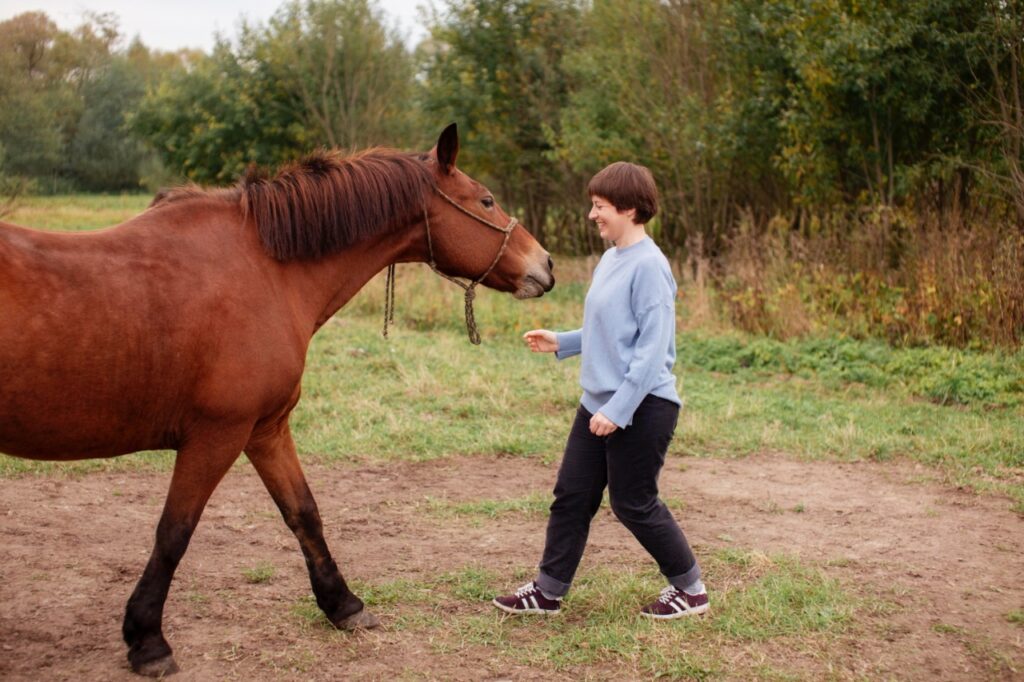
The presence of a horse has been shown to reduce stress and anxiety levels. Simply being around horses, whether in the stable or while riding, promotes relaxation. Horses offer a sense of calm that can help lower blood pressure and improve overall mental health. They provide an escape from the pressures of everyday life, offering their owners a peaceful environment in which to reconnect with themselves. This soothing experience makes horses valuable companions for reducing daily stress and finding mental clarity.
6. Sense of Purpose and Responsibility

Caring for a horse requires dedication and responsibility, which can provide individuals with a sense of purpose. Whether feeding, grooming, or exercising a horse, these tasks require attention and commitment. For individuals experiencing a lack of direction or motivation, taking on the responsibility of caring for a horse can restore a sense of routine and stability. This sense of purpose can lead to greater emotional satisfaction, creating an ongoing bond that nurtures both the horse and its owner’s well-being.
Love Pets as Much as We Do?

Scroll up and click the ‘Follow’ button to stay updated with the latest heart-warming, hilarious, and helpful pet posts from Pawdown, delivered straight to your Microsoft Start feed and MSN homepage!