
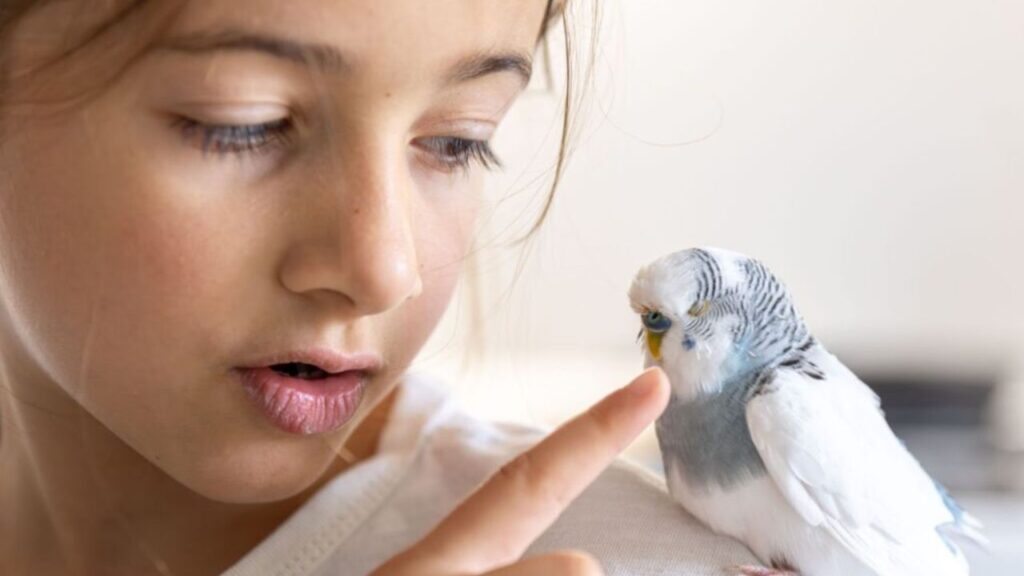
Owning a pet bird can be an incredibly fulfilling experience, offering companionship, entertainment, and a unique connection with nature. These intelligent and affectionate creatures bring joy to many homes. However, like any pet, they come with their own set of responsibilities and challenges. Before deciding to bring a bird into your life, it’s essential to weigh both the benefits and the difficulties to ensure you can meet their needs properly.
1. Companionship & Bonding
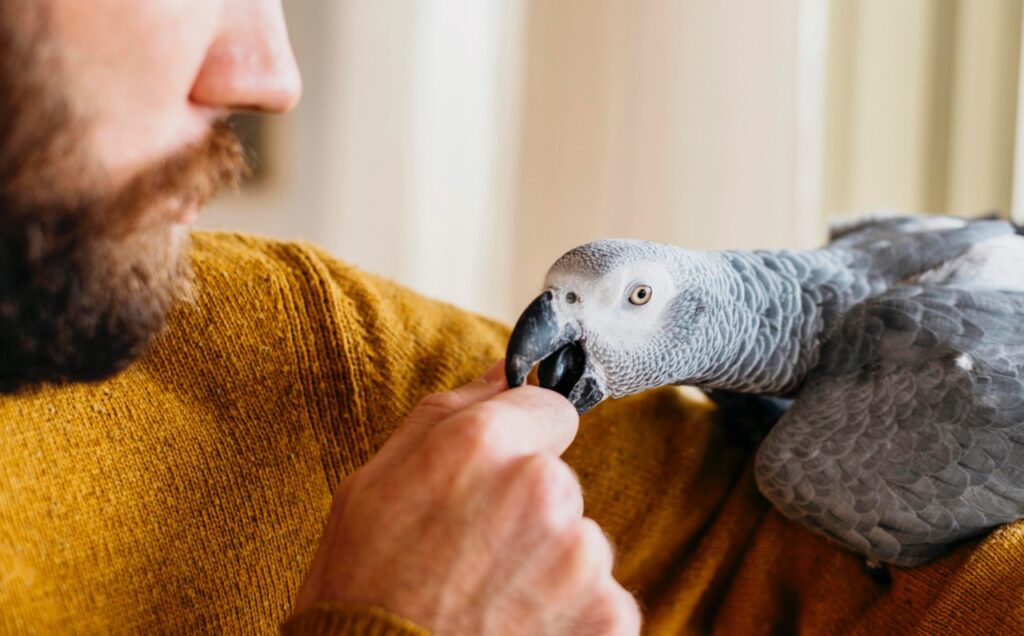
Birds can form deep emotional bonds with their owners, providing a strong sense of companionship. Many species, such as parrots and cockatiels, enjoy social interaction and will actively seek attention from their humans. They can recognize faces, respond to their names, and even show affection through chirping, cuddling, or preening their owners. Their presence can help reduce loneliness and stress, making them excellent emotional support animals for people in need of companionship.
2. Intelligence & Trainability

Birds are among the most intelligent pets, with species like African greys and budgies demonstrating remarkable cognitive abilities. They can learn words, phrases, and even problem-solving skills. With consistent training, birds can perform tricks, respond to cues, and develop a deeper bond with their owner. Teaching a bird new skills provides mental stimulation for them and a rewarding experience for the owner, making them highly engaging pets that keep their environment lively and interactive.
3. Low Space Requirements

Unlike larger pets that require extensive space for movement, birds can thrive in smaller environments. A well-sized cage with room for perching, flying, and playing, along with supervised out-of-cage time, is usually sufficient. This makes birds ideal for people living in apartments or homes with limited space. They don’t require outdoor walks or large play areas, making them a more convenient pet option for those who may not have the space for a dog or other larger animals.
4. Long Lifespans
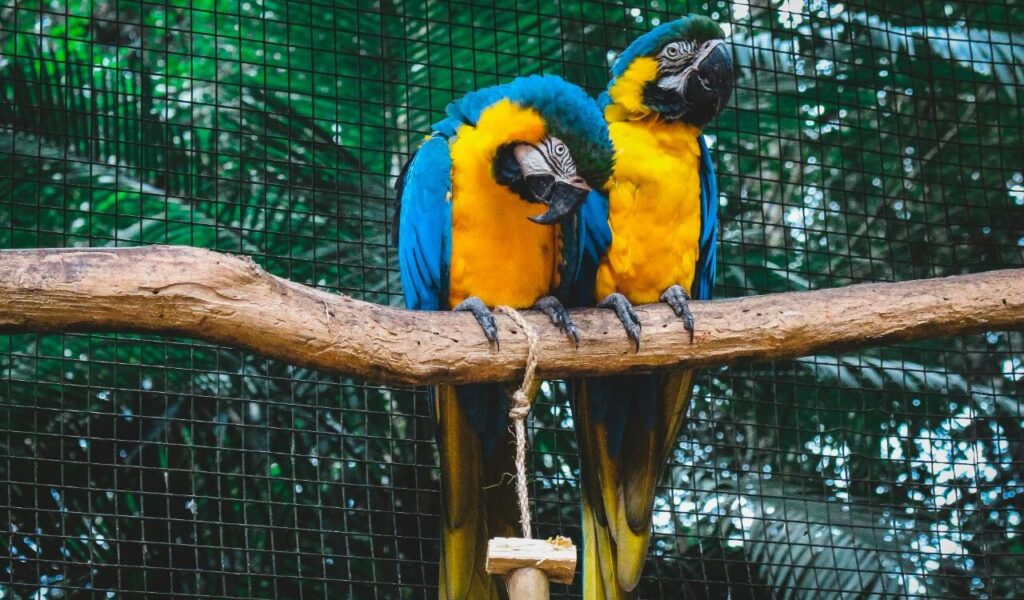
Many bird species live significantly longer than traditional pets. Parrots, for example, can live for several decades, with some species, like macaws, reaching 50 years or more. This longevity allows for a lifelong bond to develop, making them enduring companions. Unlike dogs or cats, which may only live for 10-15 years, birds provide a sense of long-term companionship, allowing owners to develop a deep and lasting connection with their feathered friends.
5. Entertainment & Personality

Birds are highly entertaining creatures with unique personalities and quirks. They may sing, whistle, dance, or mimic household sounds and words. Some birds even display comedic behaviors that can brighten up their owner’s day. Their playful nature and ability to interact with people make them captivating pets. Whether it’s watching them play with toys, communicate with their owners, or perform tricks, their antics bring laughter and joy into a home, making every day more enjoyable.
6. Minimal Grooming Needs
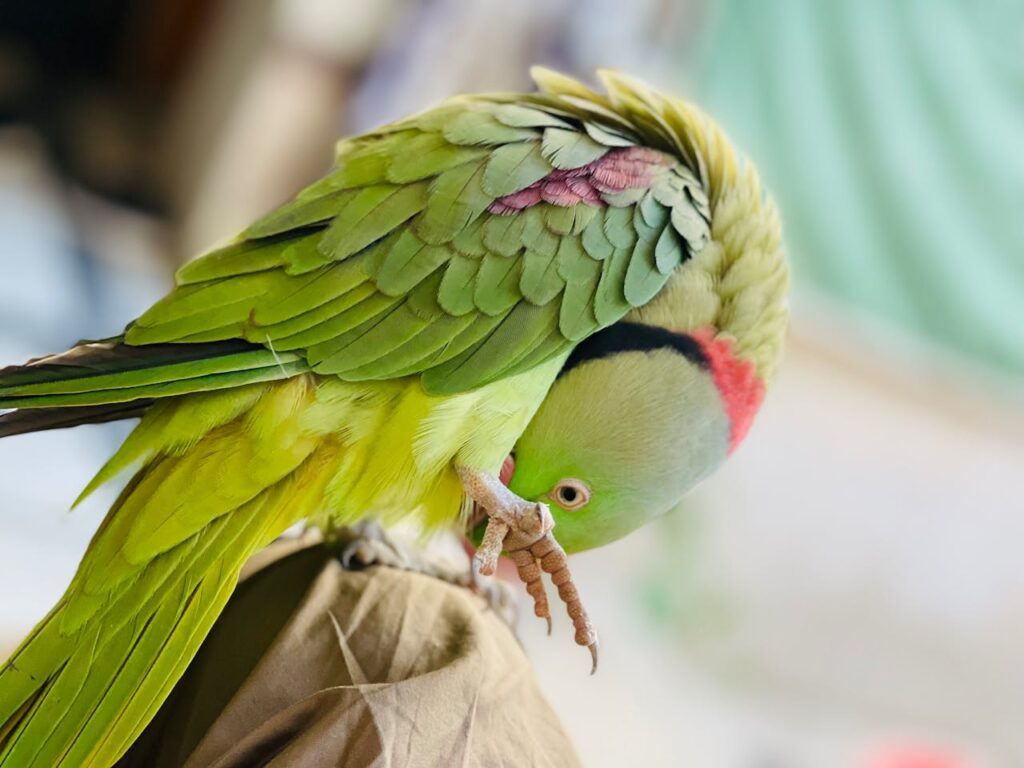
Unlike dogs and cats, birds do not require frequent bathing, haircuts, or expensive grooming. They naturally preen their feathers to stay clean, and a shallow water dish or misting session is usually enough to maintain their hygiene. There’s no need for flea treatments or professional grooming services, making their upkeep more affordable. Regular nail trimming and beak maintenance may be necessary, but overall, birds require much less hands-on grooming compared to many other types of pets.
7. Aesthetic Beauty

Birds are some of the most visually stunning pets, with a wide variety of vibrant colors, patterns, and feather textures. Their beauty is unmatched, and many owners find joy in simply observing their bird’s graceful movements and dazzling plumage. Some species, like macaws and lovebirds, have particularly striking colors that make them mesmerizing to watch. Their beauty and elegance add a natural, lively aesthetic to any home, enhancing the overall atmosphere with their presence.
7 Reasons Owning a Pet Bird Can Be Challenging

While owning a bird has many wonderful benefits, there are also challenges that come with keeping these unique pets. Birds require a significant level of commitment, time, and effort to ensure their well-being. Potential owners should be aware of the difficulties involved in bird care, from their messy habits to their specialized health needs. If you’re considering adopting a pet bird, here are seven challenges you should be prepared for.
1. Mess & Cleanup
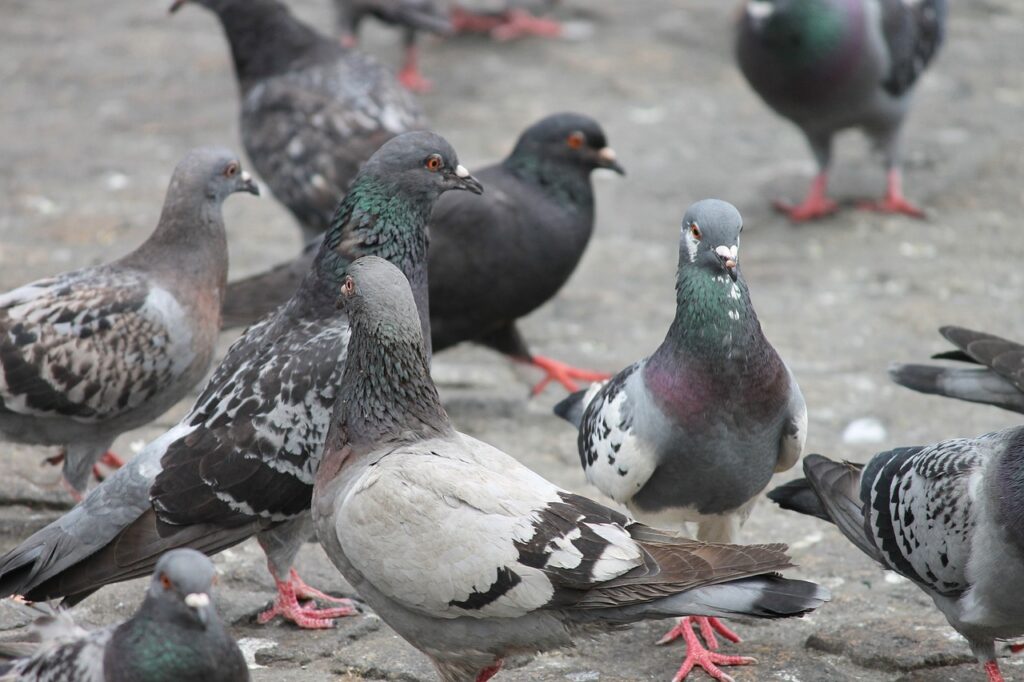
Birds can be quite messy, frequently scattering food, feathers, and droppings throughout their living space. Seed husks, fruit pieces, and shredded paper can quickly accumulate, requiring daily cleaning. Droppings often end up outside the cage, on furniture, or even on clothing. Owners need to commit to regular cage maintenance, frequent vacuuming, and wiping down surfaces to keep their home clean and odor-free. If neglected, this mess can become overwhelming and unsanitary.
2. Noise Levels
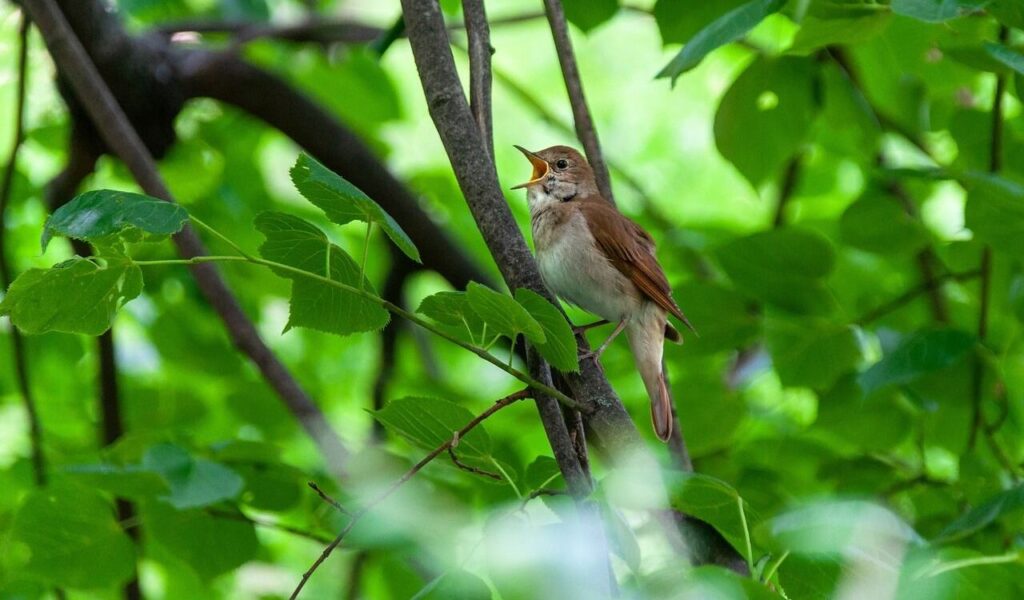
Birds, especially parrots, can be extremely noisy. Some species squawk, chirp, or mimic household sounds at high volumes. While some people enjoy their vocalizations, others may find them disruptive, especially in apartments or noise-sensitive environments. Birds may call out loudly when seeking attention, expressing excitement, or feeling distressed. If an owner is sensitive to noise or lives in a shared space with strict noise policies, a bird may not be the best pet choice.
3. Time & Attention Requirements

Birds require daily interaction and mental stimulation to stay happy and healthy. Social species, in particular, can develop behavioral issues like feather plucking or aggression if they don’t receive enough attention. Owners need to spend quality time playing, training, and socializing with their birds. Unlike low-maintenance pets, birds thrive on companionship and mental challenges, making them unsuitable for people with busy schedules or those unable to dedicate consistent time to their care.
4. Specialized Diet & Care

A proper diet for a bird goes beyond just seeds. They need a balanced mix of pellets, fresh fruits, vegetables, and occasional protein sources. Nutritional deficiencies can lead to serious health issues, such as weak bones or feather loss. Additionally, maintaining clean water, ensuring proper cage conditions, and monitoring their diet requires effort. Unlike standard pet food for dogs and cats, sourcing high-quality bird food may require specialty stores and additional preparation.
5. Potential for Biting & Behavioral Issues
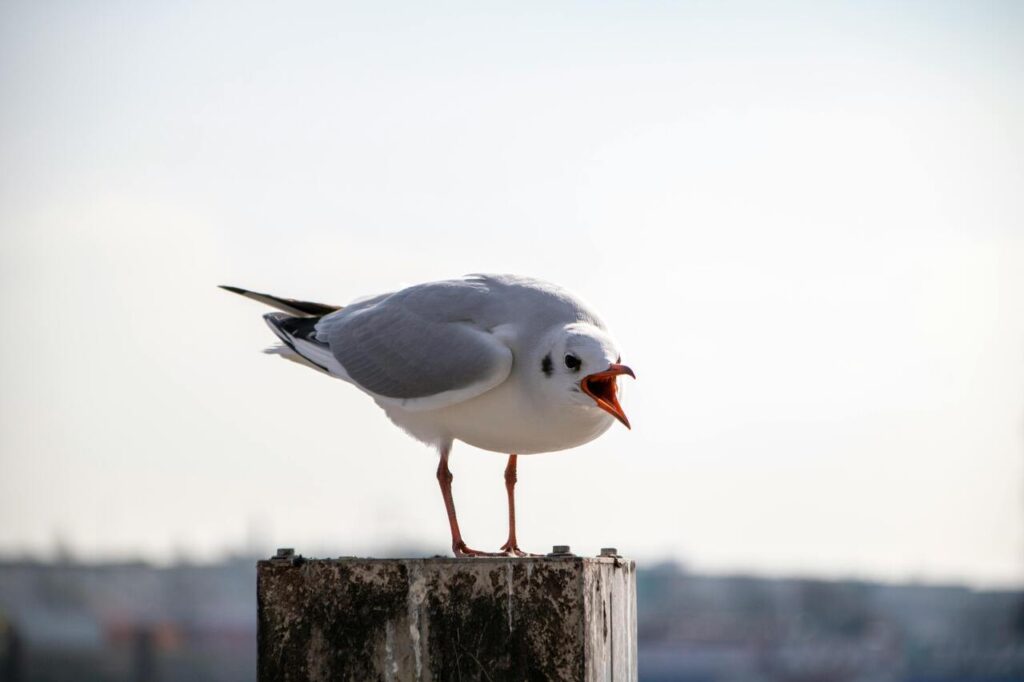
While birds can be affectionate, they may also display aggressive behaviors, including biting. This can be due to fear, territorial instincts, or lack of socialization. Some birds may become possessive of their cage or certain people, leading to aggression towards others. Training and patience are essential to manage such behaviors. Owners need to recognize warning signs, such as fluffed feathers or aggressive posturing, to prevent unwanted bites and develop a trusting relationship.
6. Veterinary Care Can Be Costly & Hard to Find

Finding a qualified avian veterinarian can be challenging, as not all vets specialize in bird care. Birds often hide symptoms of illness, making it difficult to detect health issues until they become severe. Regular check-ups and emergency care can be expensive, especially for rare or exotic species. Owners must budget for potential medical expenses and be prepared to seek specialized veterinary services, which may not always be conveniently located.
7. Long Lifespan Responsibility

While a bird’s long lifespan can be a benefit, it also comes with a significant responsibility. Some birds outlive their owners, requiring long-term planning for their care. Owners need to be prepared for decades of commitment, ensuring their bird has a safe home even if life circumstances change. Rehoming a bird can be challenging, as they form deep bonds and may struggle with new environments. Before adopting, owners must consider their ability to provide lifelong care.
Love Pets as Much as We Do?

Scroll up and click the ‘Follow’ button to stay updated with the latest heart-warming, hilarious, and helpful pet posts from Pawdown, delivered straight to your Microsoft Start feed and MSN homepage!