
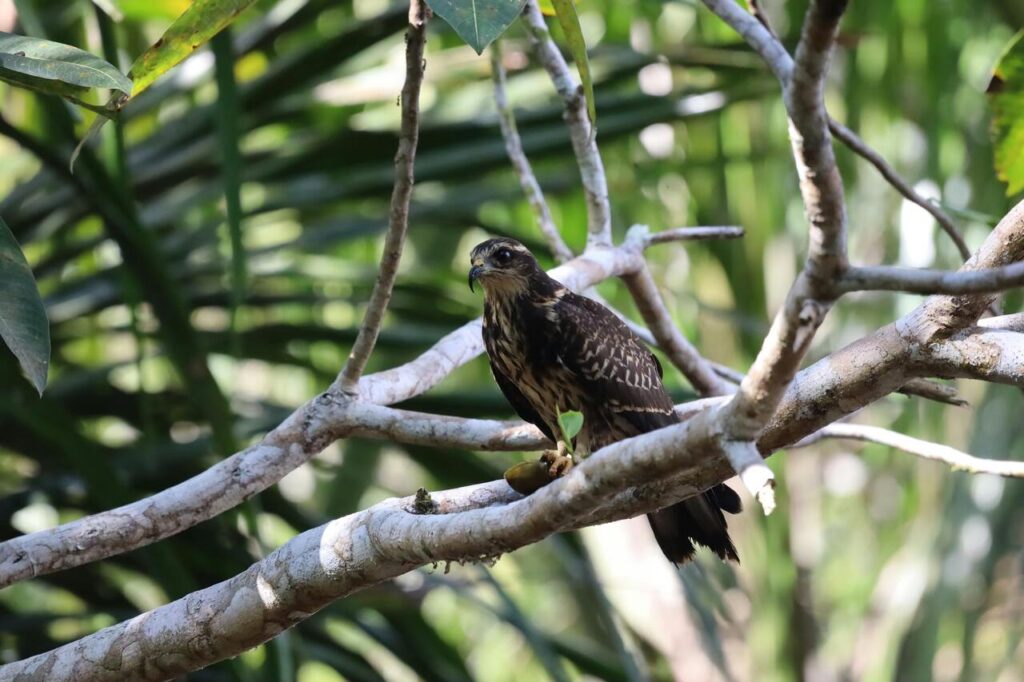
Birds are nature’s melodies, soaring across blue skies and nestling among verdant treetops. While they add vibrant splashes of color and song, many of these winged wonders face the threat of extinction. The loss isn’t just silent trees but a signal of environmental shifts. Join us as we uncover which U.S. states are home to the most endangered bird species, painting a picture of both natural splendor and urgent need for conservation.
1. California’s Bird Species
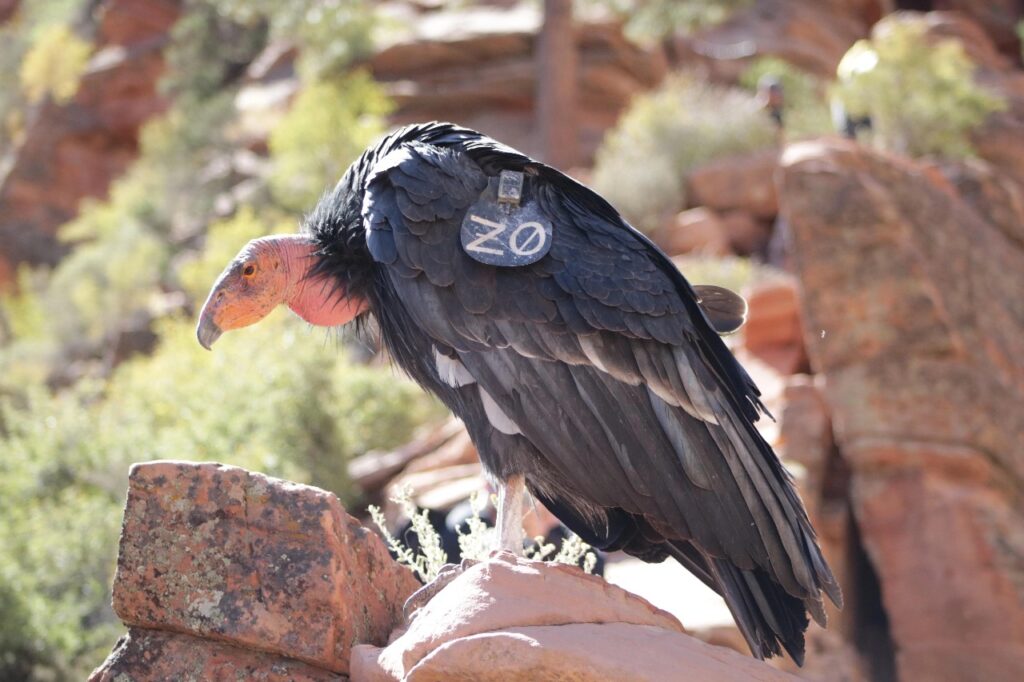
California isn’t just famous for its beaches and Hollywood glamour; it’s also a critical haven for bird species. With its varying climates and rich ecosystems, California hosts a significant number of endangered birds, including the California Condor and the Light-footed Ridgway’s Rail. Urban development and habitat destruction play significant roles in their declining populations. Conservationists are working tirelessly to reverse these trends, ensuring these majestic creatures continue to thrive in the Golden State.
2. Hawaii’s Unique Challenges
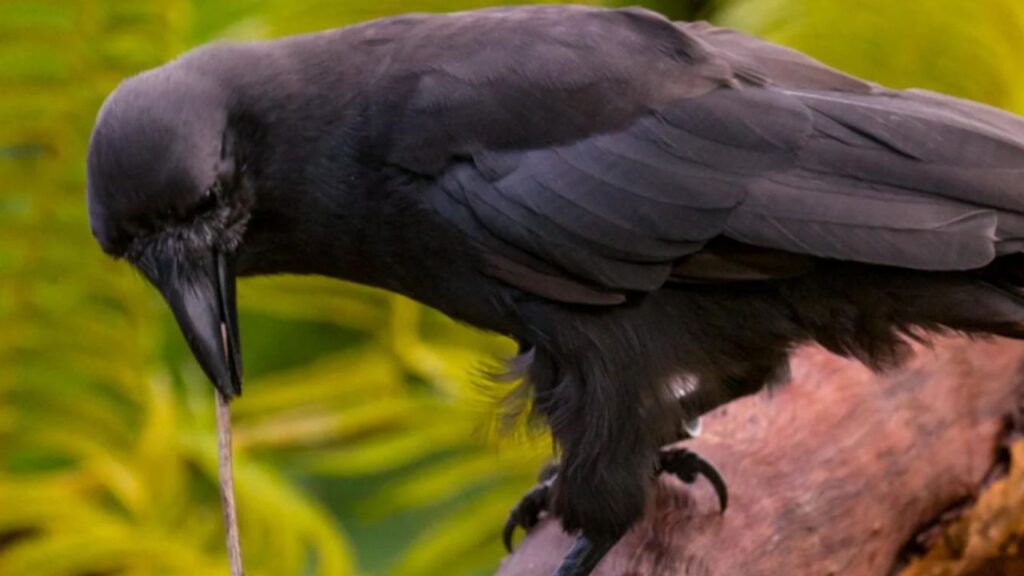
Hawaii is a tropical paradise, but it’s also at the top when it comes to endangered bird species in the U.S. The islands’ isolation allowed species like the Hawaiian Crow and Akohekohe to evolve uniquely, but it also makes them vulnerable. Invasive species, diseases, and climate change compound the threats, destabilizing this fragile ecological balance. Preservation efforts are crucial, aiming to restore native habitats and control invasive populations to support Hawaii’s avian inhabitants.
3. Florida’s Diverse Habitats
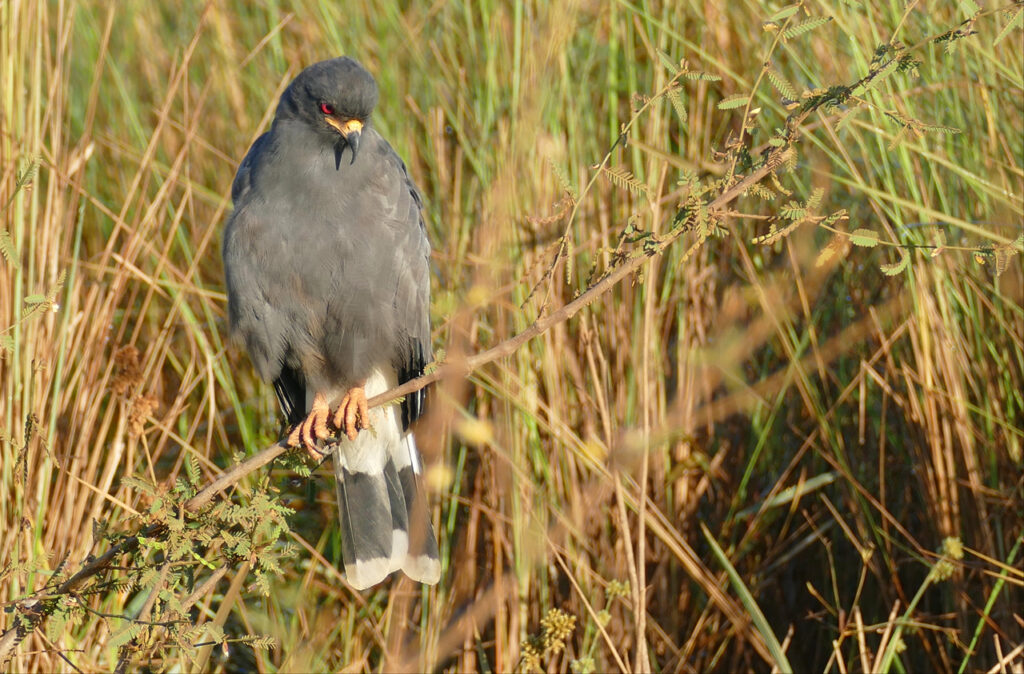
Florida, a state renowned for its sunny skies and wetlands, offers a lush patchwork of habitats. However, this diversity also shelters multiple endangered bird species, such as the Snail Kite and the Florida Grasshopper Sparrow. Urbanization and agricultural expansion have encroached upon their homes. Conservationists are galvanizing efforts to protect these species, restoring wetlands and advocating for sustainable development practices. Florida’s vibrant birdlife is a testament to the state’s rich biodiversity and the need to cherish it.
4. Texas’s Range of Ecosystems
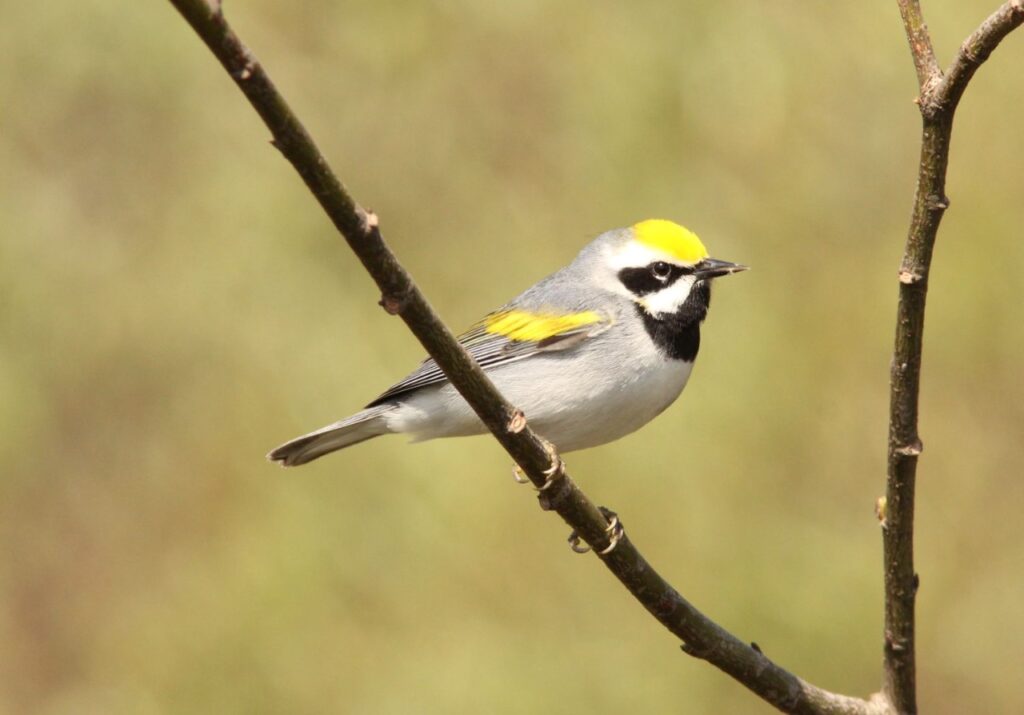
Everything is bigger in Texas, including its diverse array of ecosystems, which unfortunately means a high number of endangered bird species. From the tall grass prairies to the piney woods, Texas hosts a range of habitats that support unique avian life. Among its endangered residents is the Golden-cheeked Warbler, a small songbird reliant on central Texas’s oak-juniper woodlands. The loss of habitat due to urban development has severely impacted these birds. Conservation efforts focus on preserving these vital ecosystems to ensure that Texas remains a vibrant home for its feathered inhabitants.
5. Arizona’s Desert Species
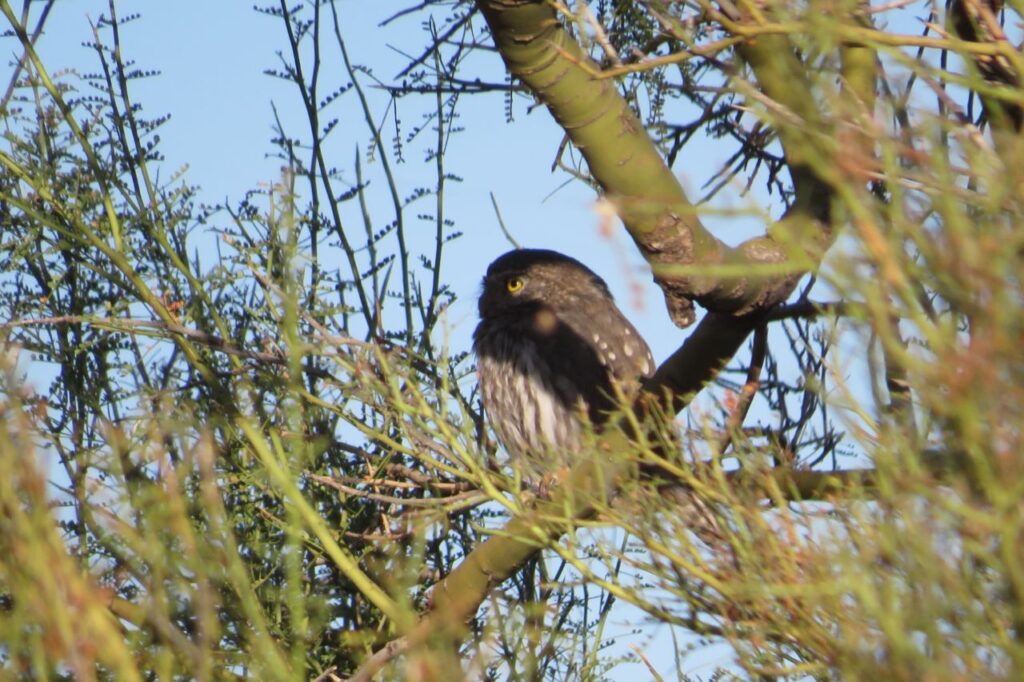
Arizona’s vast deserts bloom with rarity, including some of the most endangered bird species. The arid landscape is home to the charismatic Cactus Ferruginous Pygmy Owl, a species facing severe threats from habitat destruction. With each sunset painting the desert sky, these small owls seek shelter and food among the iconic saguaro cacti. Conservationists in Arizona emphasize habitat restoration and legal protection as crucial measures to safeguard these delicate creatures. Ensuring their survival requires innovative thinking and committed efforts to balance human development with ecological preservation.
6. Alaska’s Northern Birds
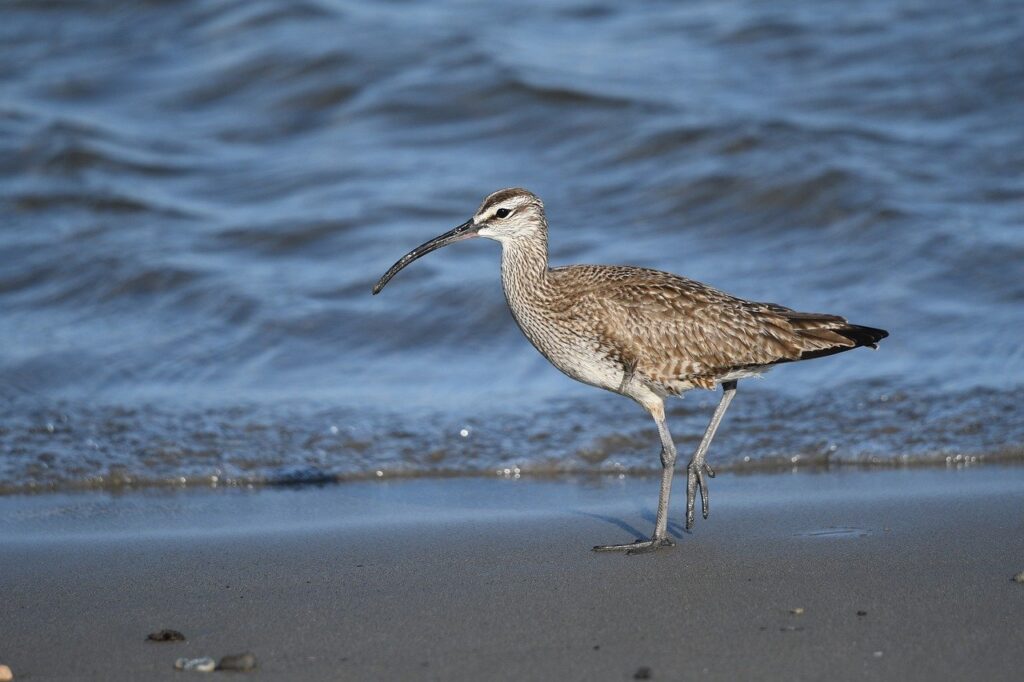
In the chilly expanses of Alaska, the landscape may seem unforgiving, but it’s a haven for many rare bird species. The Short-tailed Albatross, once nearly extinct, glides over these icy waters. Despite its resilient comeback, threats from climate change and longline fishing loom large. Conservationists celebrate the albatross’s presence as a sign of hope but stress continuous monitoring and protective measures are needed. Alaska’s rich avian life highlights the importance of preserving frozen habitats that play host to these magnificent northern birds.
7. North Carolina’s Coastal Birds
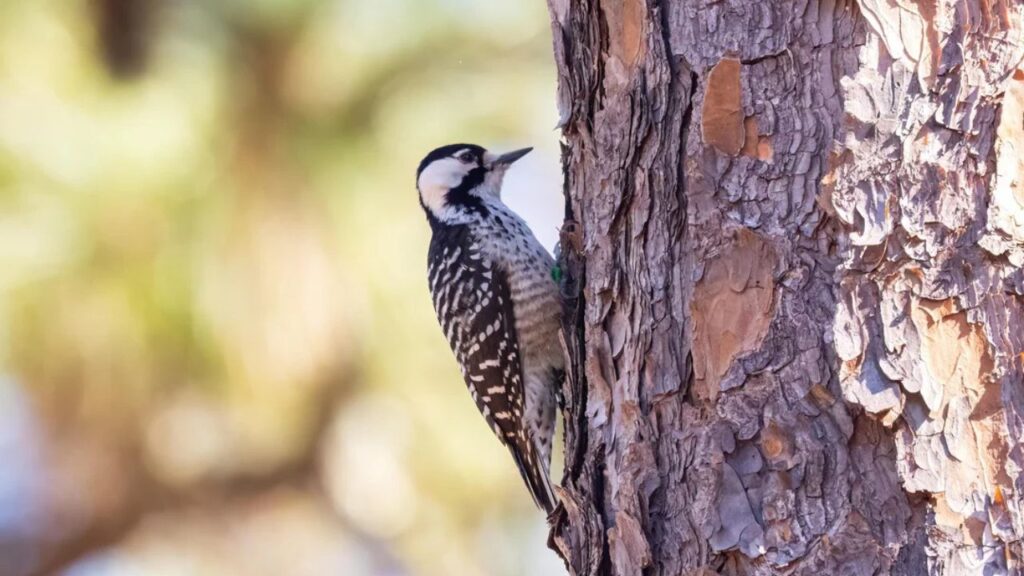
North Carolina’s picturesque coastline is not just a summer hotspot for tourists; it’s a crucial haven for endangered bird species like the Red-cockaded Woodpecker. These birds peck life into the region’s longleaf pine forests with their nesting cavities, attracting a suite of other wildlife. Urban development and deforestation pose significant threats to their survival. Conservationists work tirelessly to manage and restore pine habitats, ensuring that these resilient woodpeckers continue to thrive and contribute to the biodiversity of North Carolina’s cherished coastlines.