
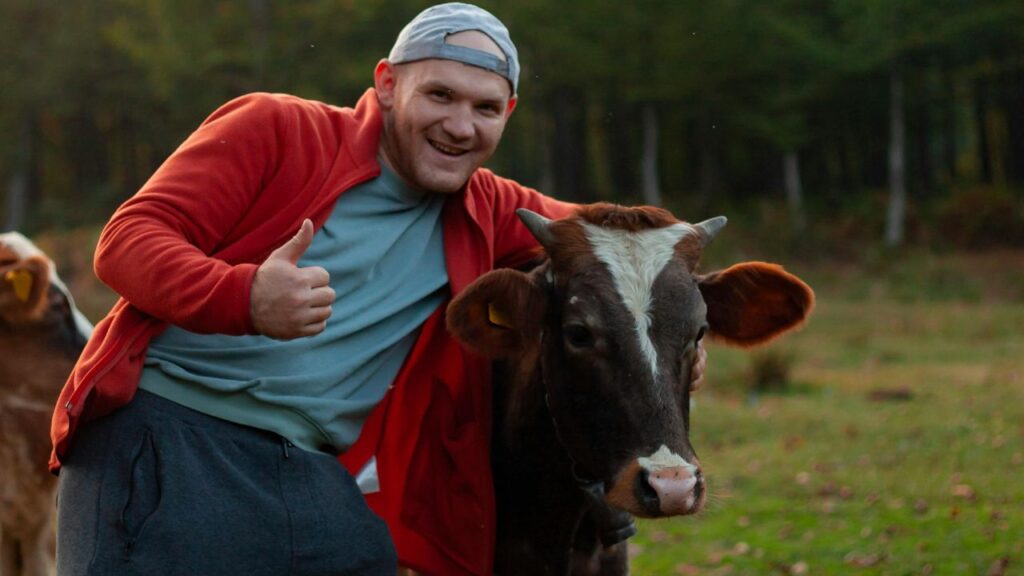
Cows have a way of soothing the soul that few other animals can match. Their gentle nature, warm bodies, and slow, rhythmic breathing create an atmosphere of peace and comfort. Petting or cuddling a cow has been shown to reduce stress, lower blood pressure, and increase feelings of happiness by releasing oxytocin—the same hormone that fosters human bonding. But while owning a pet cow can be an incredibly rewarding experience, it’s not for everyone. Let’s explore both the heartwarming benefits and the significant challenges of having a bovine companion in your life.
1. Cows Offer a Unique Form of Therapy
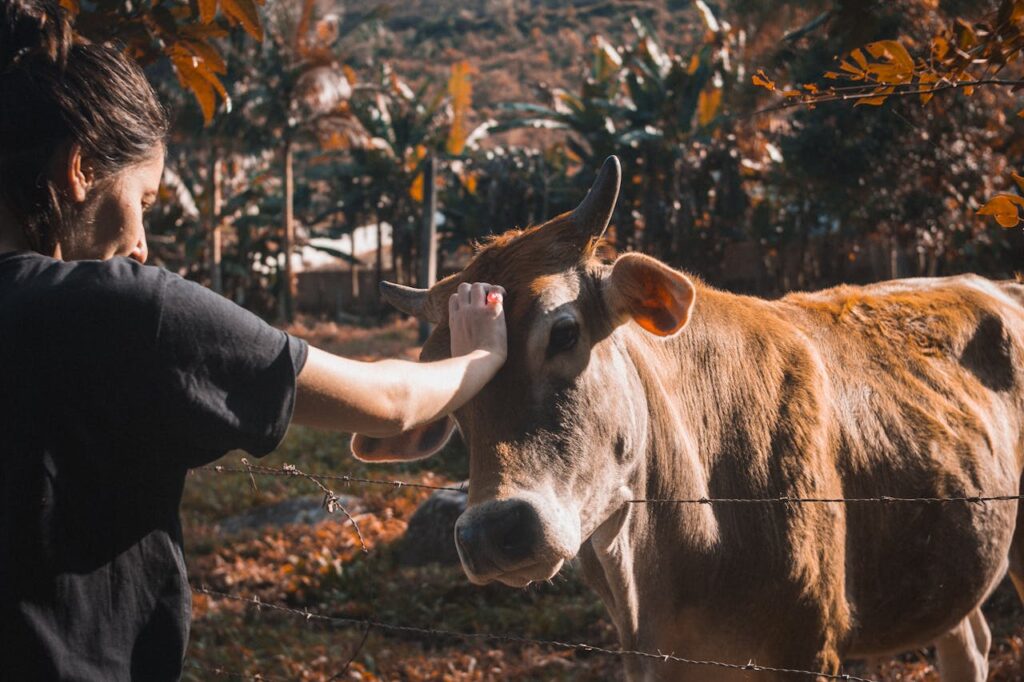
Interacting with cows provides an unmatched form of emotional healing. Their large, warm bodies and slow heartbeats have a calming effect, promoting relaxation. Studies suggest that simply being near cows can reduce cortisol levels, the hormone responsible for stress. The practice of cow cuddling, or “koe knuffelen,” which originated in the Netherlands, has gained global popularity for its therapeutic benefits. The combination of warmth, steady breathing, and gentle affection creates a serene space that encourages mindfulness, grounding, and a deep sense of emotional connection, making cows extraordinary partners in mental well-being.
2. Their Gentle Presence Reduces Anxiety
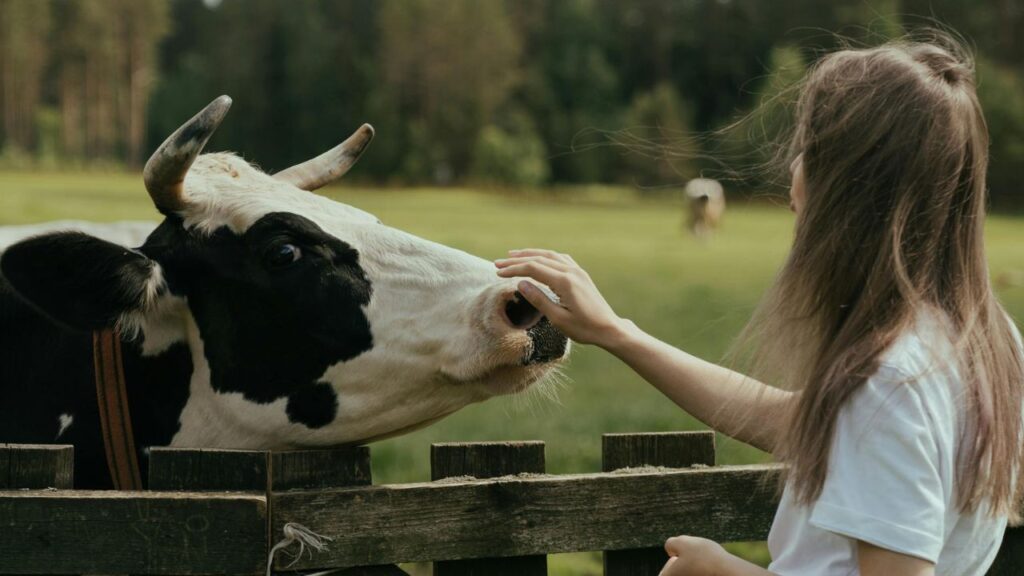
Unlike high-energy pets, cows exude a calming, nonjudgmental presence that helps alleviate anxiety. Their unhurried movements and peaceful grazing patterns encourage a slower, more mindful pace of life. Sitting beside a cow and feeling its rhythmic breath promotes a meditative state, where worries seem to dissipate. This type of animal-assisted therapy is particularly beneficial for individuals dealing with PTSD, depression, or chronic stress. The unconditional acceptance that cows offer fosters emotional healing, providing comfort without the need for words—just silent companionship that speaks directly to the heart.
3. Cows Promote Mindfulness and Presence
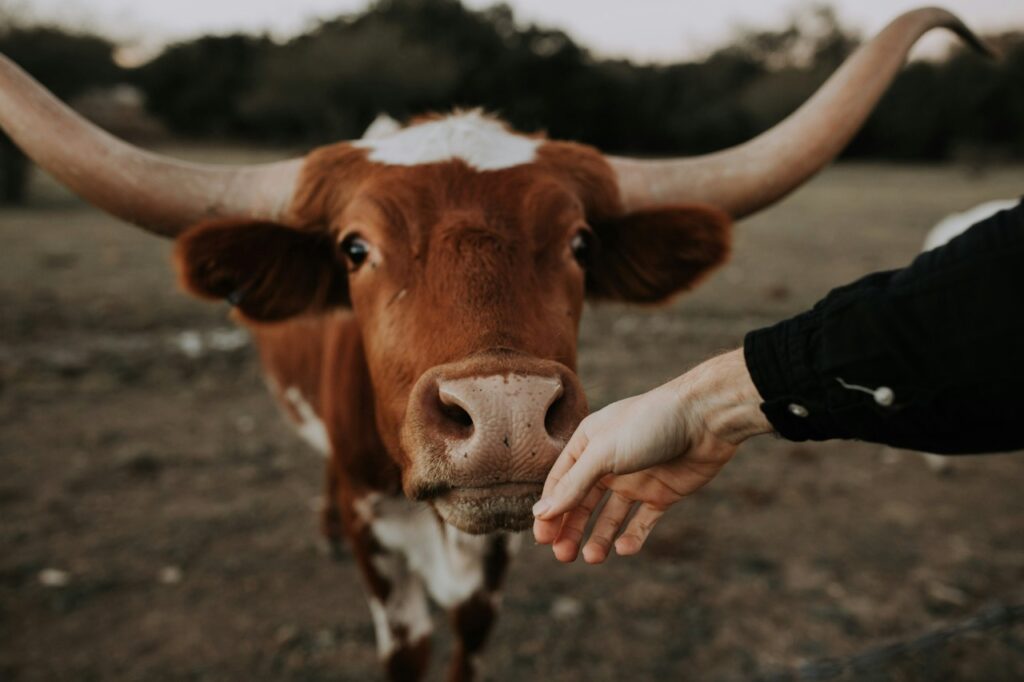
Cows live fully in the moment, focused only on grazing, chewing cud, or enjoying the warmth of the sun. Spending time with them naturally encourages mindfulness, pulling people away from the distractions of technology and everyday worries. Observing their simple, contented lives teaches a lesson in patience and appreciation for the present moment. This type of presence can help individuals struggling with overthinking or anxiety. The way cows react to their environment with calm awareness can inspire people to embrace a more peaceful, intentional way of living.
4. A Pet Cow Strengthens Emotional Bonds
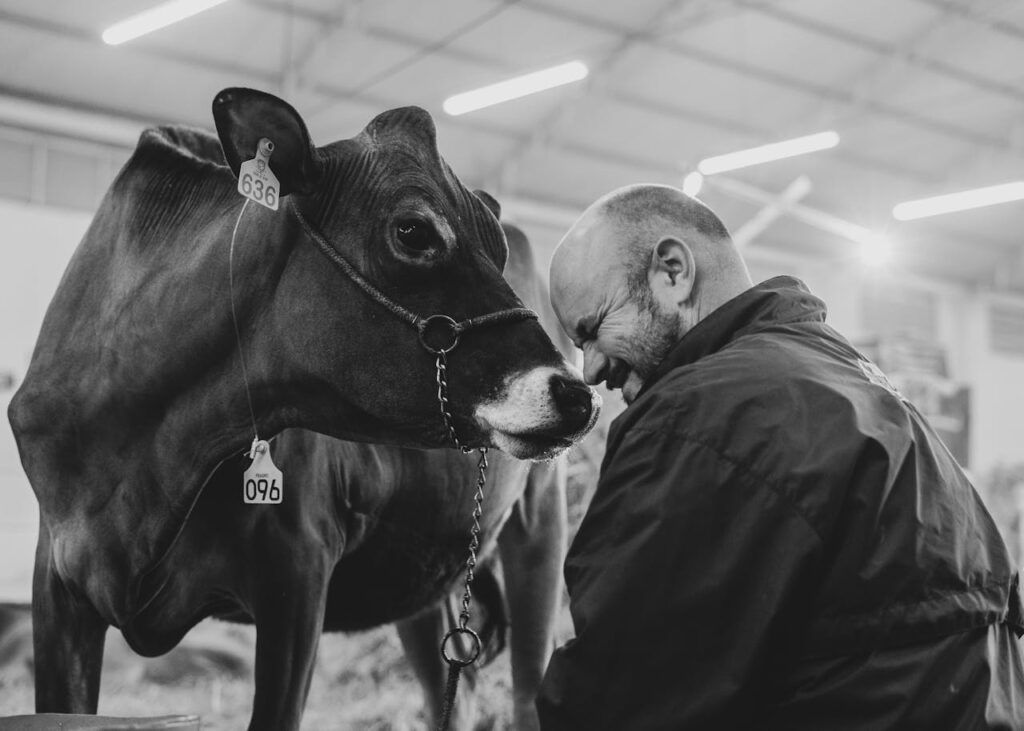
Cows are incredibly social creatures that form strong emotional attachments. When treated with kindness, they reciprocate affection, often nudging their owners or resting their heads on their laps. The bond formed with a pet cow can be profound, much like that of a dog or cat. This connection fosters trust, loyalty, and companionship, providing emotional fulfillment. For those who feel lonely or disconnected, a cow can offer unwavering companionship, responding to affection with a deep sense of trust and understanding that is both healing and heartwarming.
5. Spending Time with Cows Lowers Blood Pressure
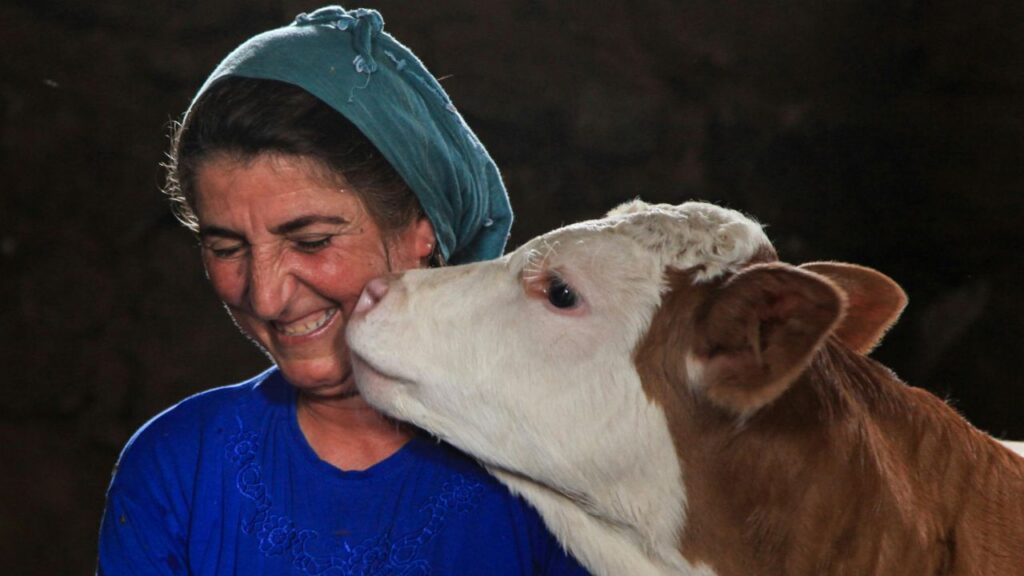
Scientific research suggests that interacting with animals, particularly large, calm creatures like cows, can lower blood pressure and heart rate. The physical act of petting a cow, much like stroking a dog or cat, releases oxytocin—a hormone that promotes relaxation and lowers stress levels. Being close to a cow’s warm body can also slow breathing patterns, helping regulate stress responses. Whether it’s through cuddling, brushing, or simply resting beside a cow, these interactions provide a natural way to improve cardiovascular health and overall well-being.
6. They Encourage Outdoor Time and Connection with Nature

Owning a pet cow requires time outdoors, which offers multiple mental and physical health benefits. Tending to a cow involves fresh air, movement, and connection with nature, all of which contribute to improved mood and reduced stress. Watching a cow graze, lie in the grass, or interact with its surroundings can be incredibly grounding. Being in nature with a gentle animal helps reset the nervous system, relieving the overstimulation of modern life and promoting a sense of balance and peace.
7. Cows Teach Compassion and Responsibility

Caring for a cow cultivates a deep sense of compassion and responsibility. Providing food, shelter, and veterinary care fosters empathy, patience, and commitment. These qualities are particularly beneficial for children and young adults, teaching them the importance of kindness, respect for animals, and the value of nurturing a living being. Developing this sense of responsibility enhances personal growth and emotional resilience, as the act of caring for another creature deepens one’s understanding of love and interconnectedness.
7 Reasons a Pet Cow May Not Be for Everyone
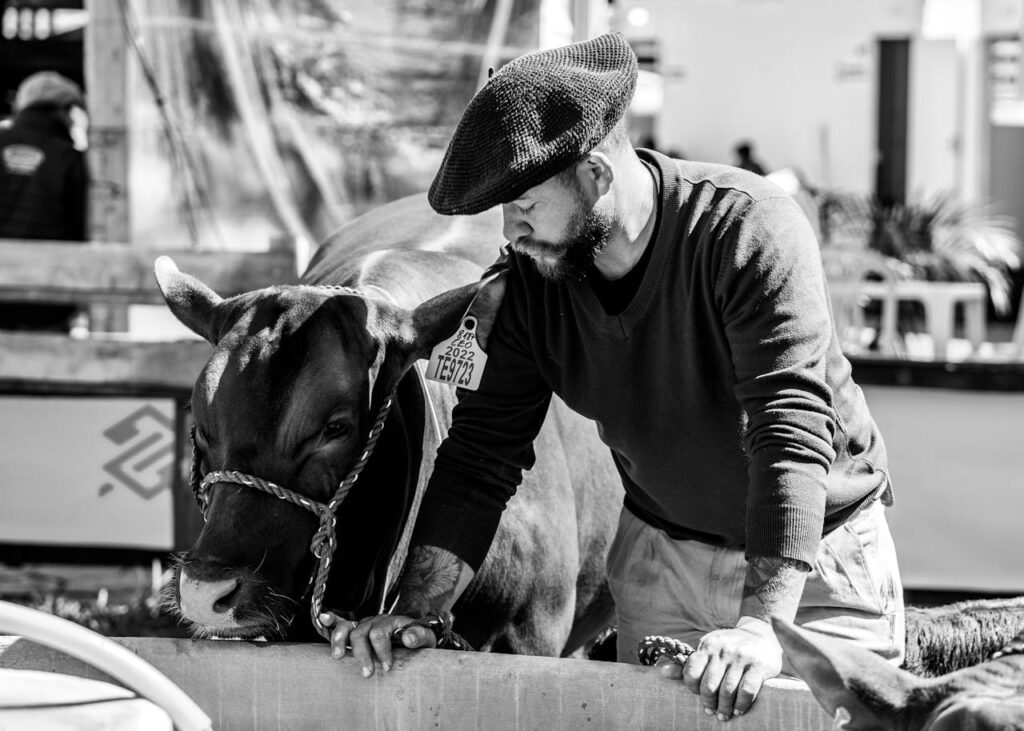
Cows can be adorable, gentle, and even affectionate, but owning one as a pet comes with challenges. While the idea of having a pet cow may sound charming, their size, care needs, and lifestyle requirements can make them a less-than-ideal choice for many. Here are seven reasons why a pet cow may not be for everyone.
1. They Require Significant Space
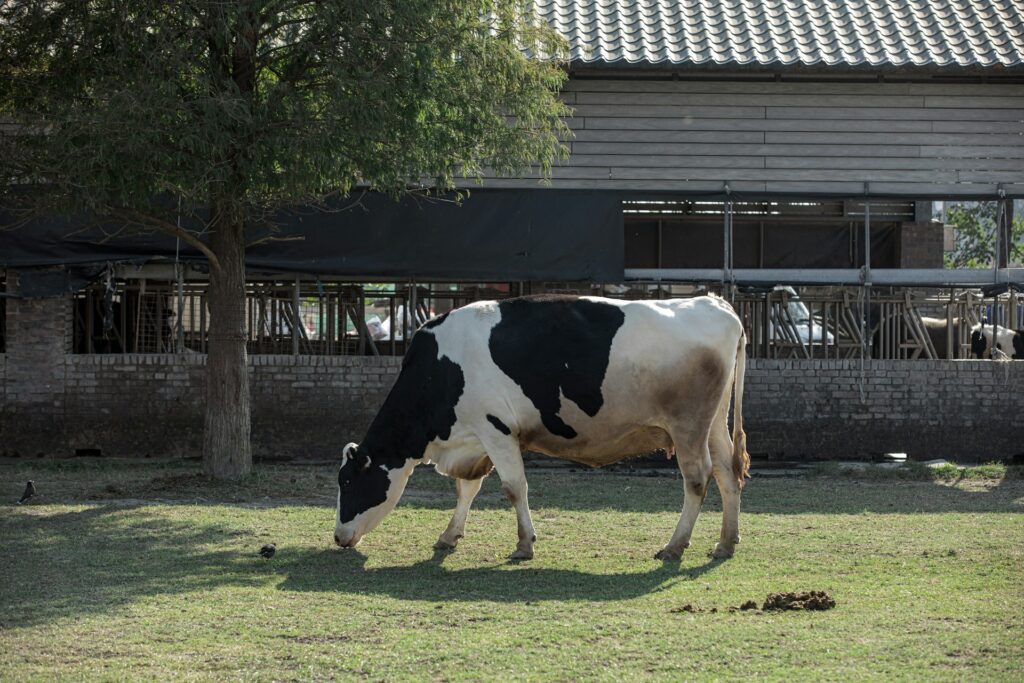
Unlike smaller pets, cows need a large amount of land to graze and move freely. A single cow requires at least one to two acres of well-maintained pasture, which may not be feasible for those living in urban or suburban areas. Without proper space, cows can become stressed and unhealthy, leading to behavioral issues. A confined cow may also develop hoof problems, nutritional deficiencies, or stress-related illnesses. Additionally, cows need a secure, fenced area to prevent them from wandering into roads or neighboring properties. If you don’t have the land or the means to provide a suitable environment, a pet cow may not be the best choice.
2. Caring for a Cow Can Be Costly

Owning a cow comes with substantial expenses. The cost of food, shelter, fencing, veterinary care, and potential emergencies can quickly add up. Unlike smaller pets, cows require specialized feed, access to fresh water, and regular medical attention, including vaccinations and hoof care. Unexpected medical expenses, such as emergency surgery or treatment for illness, can be particularly costly. If you’re not financially prepared for the long-term costs of cow ownership, it may not be a sustainable choice.
3. Veterinary Care Can Be Challenging

Finding a veterinarian experienced in cattle care can be difficult, especially for those in urban or suburban areas. Unlike dogs and cats, cows require specialized treatment for issues like bloat, hoof infections, and dietary imbalances. Routine checkups and emergency care can be expensive and logistically challenging, making it essential to have access to a knowledgeable livestock vet before committing to cow ownership. Regular vaccinations, parasite control, and dental care are also necessary, and some treatments may require transporting the cow to a clinic, which can be logistically challenging.
4. Cows Can Live a Long Time
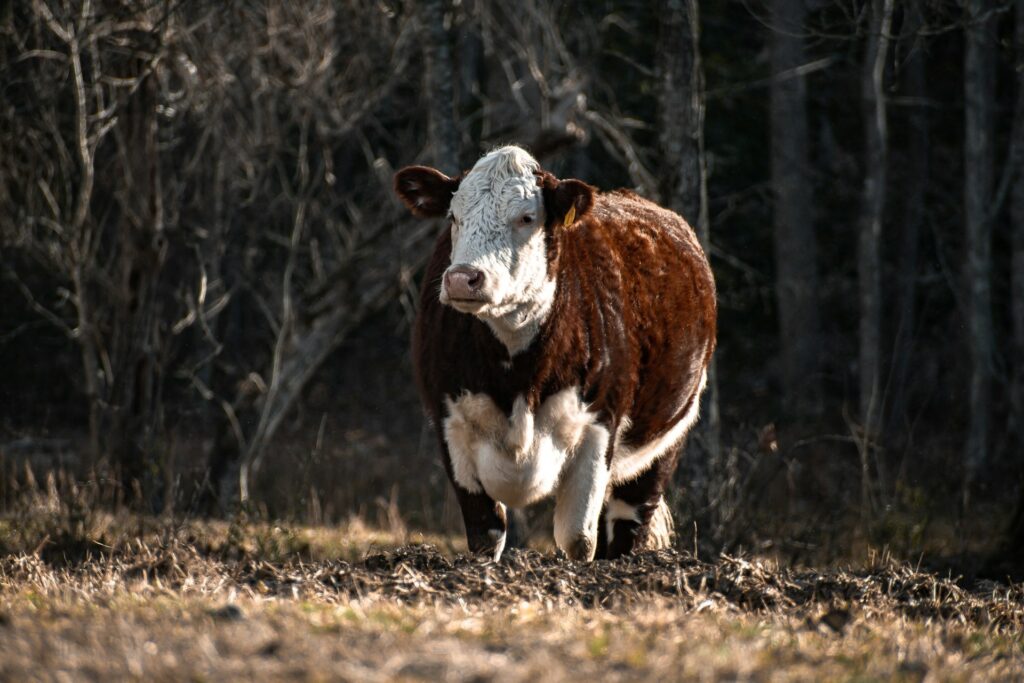
A cow’s lifespan ranges from 18 to 25 years, making them a long-term commitment that should not be taken lightly. Unlike smaller pets that may be rehomed more easily, cows require consistent care throughout their entire lives. If circumstances change, relocating a cow can be challenging due to space and transport requirements. Additionally, their dietary, medical, and shelter needs evolve over time, requiring dedicated attention. Owning a cow means planning for decades of care, ensuring that their emotional and physical well-being is maintained, which is a responsibility that not everyone is prepared to handle.
5. They Require Daily Care and Maintenance

Cows need constant attention and cannot be left unattended for extended periods. Their diet must be carefully managed to prevent health issues like bloat or malnutrition. Pastures need maintenance to ensure safe and adequate grazing. Fresh water must always be available, and weather conditions must be monitored to provide proper shelter. Unlike more self-sufficient animals, cows depend on human caregivers for their well-being. This level of responsibility makes them a high-maintenance pet choice, particularly for individuals with demanding schedules or limited time for daily animal care.
6. Cows Can Be Strong and Unpredictable
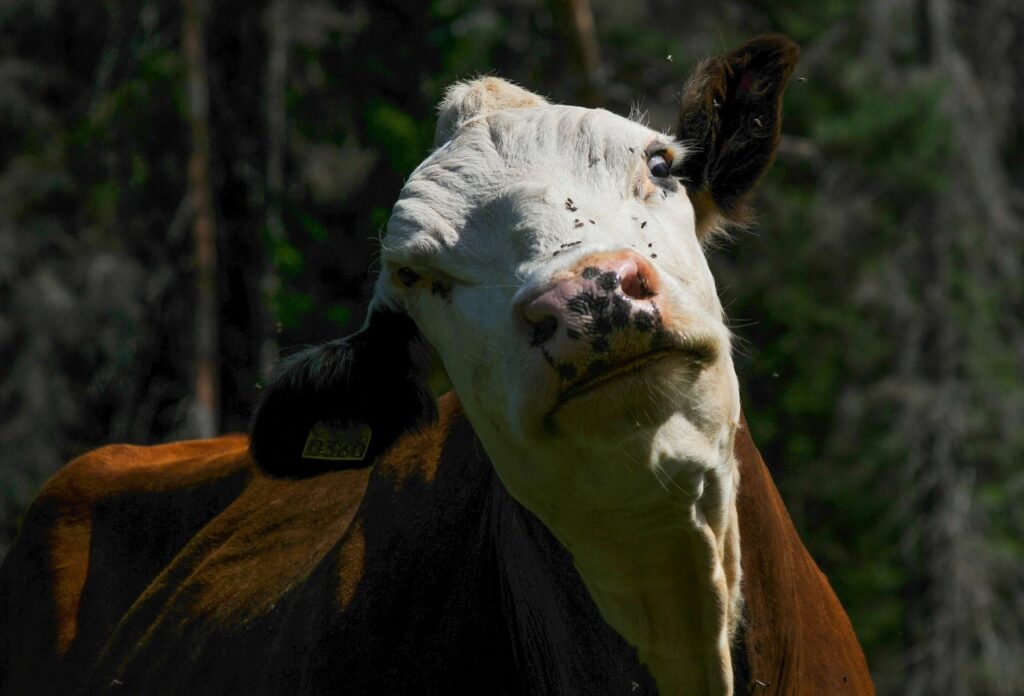
Despite their calm nature, cows can be unpredictable, especially if they feel threatened or startled. Weighing over 1,000 pounds, a frightened or agitated cow can unintentionally cause injury to humans or other animals. Even well-trained cows require careful handling, as their natural instincts may lead to sudden movements. Small children or inexperienced handlers should exercise caution, as improper handling can lead to serious accidents. Those considering a cow as a pet must be knowledgeable about proper training techniques and handling practices to ensure safe and enjoyable interactions.
7. Local Regulations May Prohibit Ownership
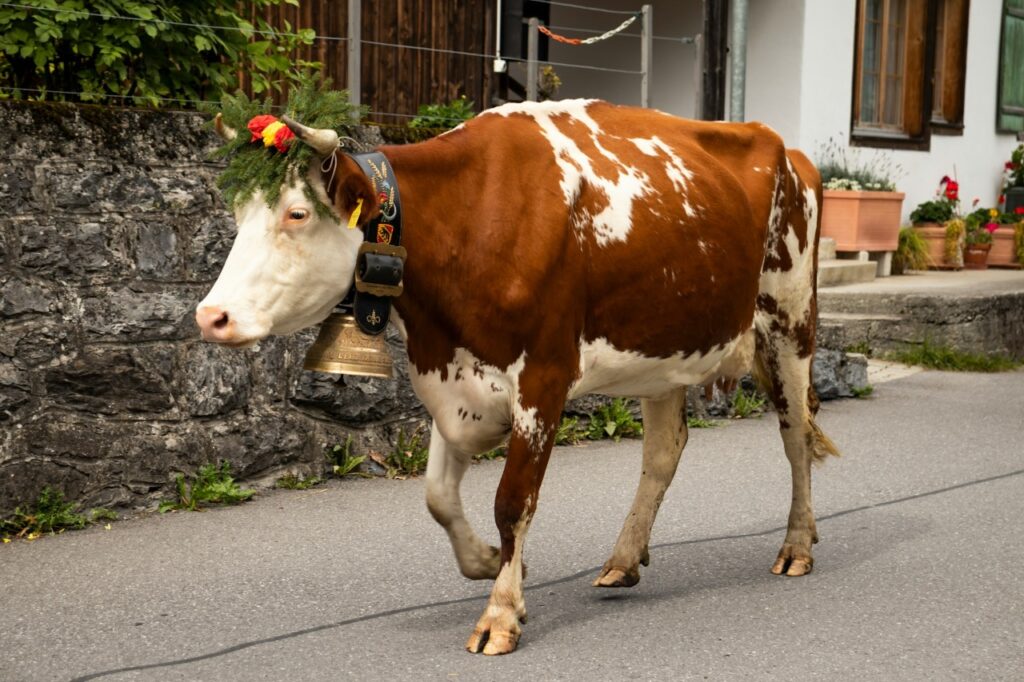
Many cities, towns, and suburban areas have zoning laws that restrict livestock ownership, including cows. Even if you have the necessary space and resources, legal limitations may prevent you from keeping a cow on your property. Some areas may require permits or have strict regulations on fencing, shelter, and waste management. Checking with local authorities before acquiring a cow is crucial to avoid legal complications, fines, or the heartbreaking possibility of having to rehome your pet due to regulatory restrictions.
Love Pets as Much as We Do?

Scroll up and click the ‘Follow’ button to stay updated with the latest heart-warming, hilarious, and helpful pet posts from Pawdown, delivered straight to your Microsoft Start feed and MSN homepage!