
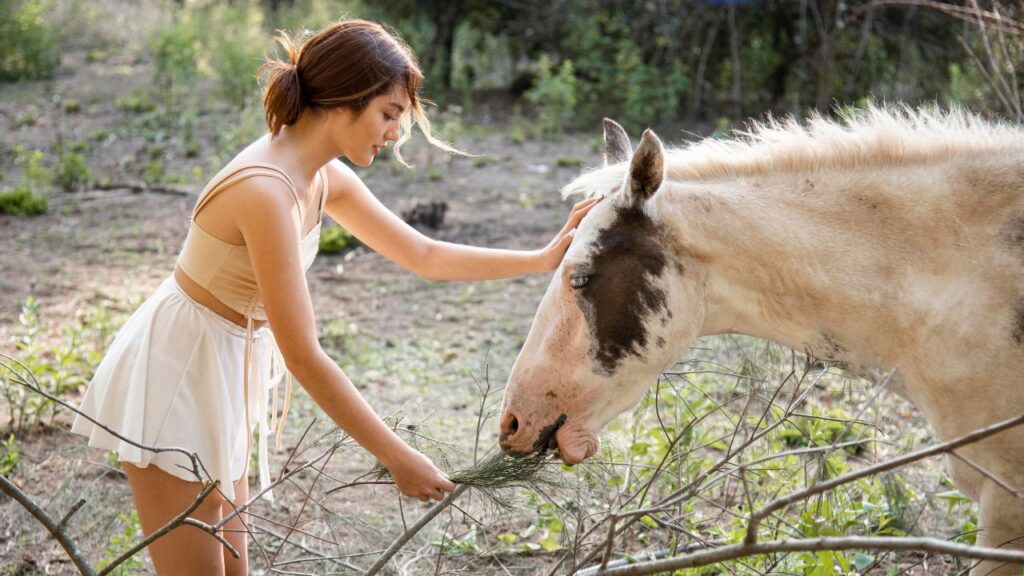
Owning a horse is more than a hobby—it’s a profound journey that shapes character, builds resilience, and fosters deep emotional connections. Horses teach patience, trust, and discipline while offering a unique sense of belonging. However, this transformative experience comes with challenges, from financial burdens to time commitments. Let’s look at seven ways a horse can change your life for the better and seven realities that make horse ownership demanding.
1. Builds Confidence and Independence

Riding and caring for a horse requires skill, patience, and decision-making. As you learn to communicate with your horse, you gain confidence in your abilities and develop a strong sense of independence. The responsibility of training and maintaining a horse’s well-being instills perseverance, teaching you to handle challenges with a calm and strategic mindset. This newfound confidence extends beyond the stable, influencing your personal and professional life. Many horse owners attribute their self-assurance and resilience to the lessons they learned in the saddle and through daily care routines.
2. Provides Emotional Healing and Comfort

Horses are known for their therapeutic qualities. Their gentle nature and deep intuition make them exceptional emotional support animals. Many individuals find solace in their presence, especially during difficult times. Horses listen without judgment, offering a sense of companionship that eases loneliness, anxiety, and grief. Grooming, riding, and simply being around them can be meditative, helping to reduce stress and improve mental well-being. Equine-assisted therapy programs further demonstrate how horses help individuals cope with trauma, depression, and personal struggles, proving that their impact extends beyond physical activity.
3. Strengthens Bonds and Creates Lifelong Friendships
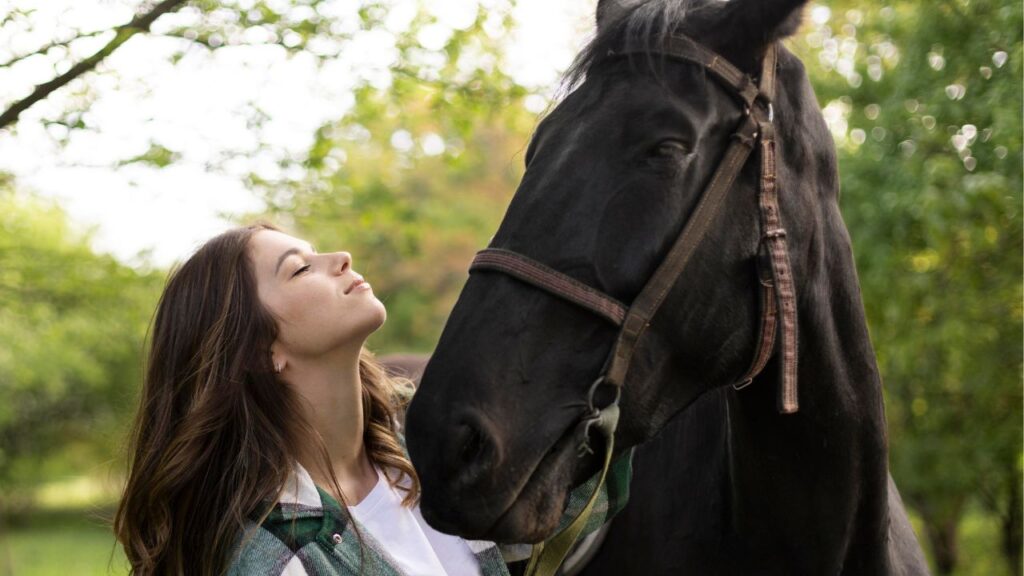
The equestrian community is vast and welcoming, bringing together people with a shared passion. Owning a horse often means engaging with fellow riders, trainers, and caregivers, creating a network of friendships that last a lifetime. Horses themselves become trusted companions, forming deep bonds with their owners. They recognize voices, respond to emotions, and offer unconditional loyalty. For families, horse ownership can be a unifying experience, fostering teamwork and shared responsibility. Whether at a stable, competition, or trail ride, horses have a remarkable way of connecting people in meaningful ways.
4. Teaches Responsibility and Discipline

Caring for a horse is a daily commitment that requires organization, punctuality, and effort. From feeding and grooming to exercise and healthcare, maintaining a horse’s well-being demands responsibility. Horse owners quickly learn the importance of consistency, as neglecting even small tasks can affect a horse’s health. These responsibilities cultivate discipline, a trait that extends into other areas of life. Many young riders find that their experience with horses prepares them for adulthood, teaching them to manage time, prioritize tasks, and develop a strong work ethic that benefits them in school, careers, and relationships.
5. Enhances Physical Fitness and Coordination

Horseback riding is an excellent full-body workout. It strengthens core muscles, improves balance, and enhances coordination. Beyond riding, stable chores such as lifting hay bales, cleaning stalls, and leading horses contribute to overall physical fitness. The constant engagement of muscles and reflexes helps develop strength, endurance, and flexibility. Unlike traditional workouts, riding combines fitness with enjoyment, making it an appealing form of exercise. Whether training for competitions or leisurely riding trails, equestrian activities promote a healthy lifestyle while providing the joy of being outdoors in nature.
6. Offers a Deep Connection with Nature

Horses encourage owners to spend more time outside, reconnecting with nature. Trail riding through scenic landscapes, feeling the wind against your face, and watching the world from horseback provide an unmatched sense of freedom. Horse ownership fosters an appreciation for wildlife, weather patterns, and the changing seasons. The tranquility of being around horses and experiencing open fields or wooded trails creates a sense of peace and mindfulness. This connection with nature enhances overall well-being, helping riders escape the stresses of modern life and find solace in the beauty of the outdoors.
7. Fulfills Lifelong Dreams and Ambitions
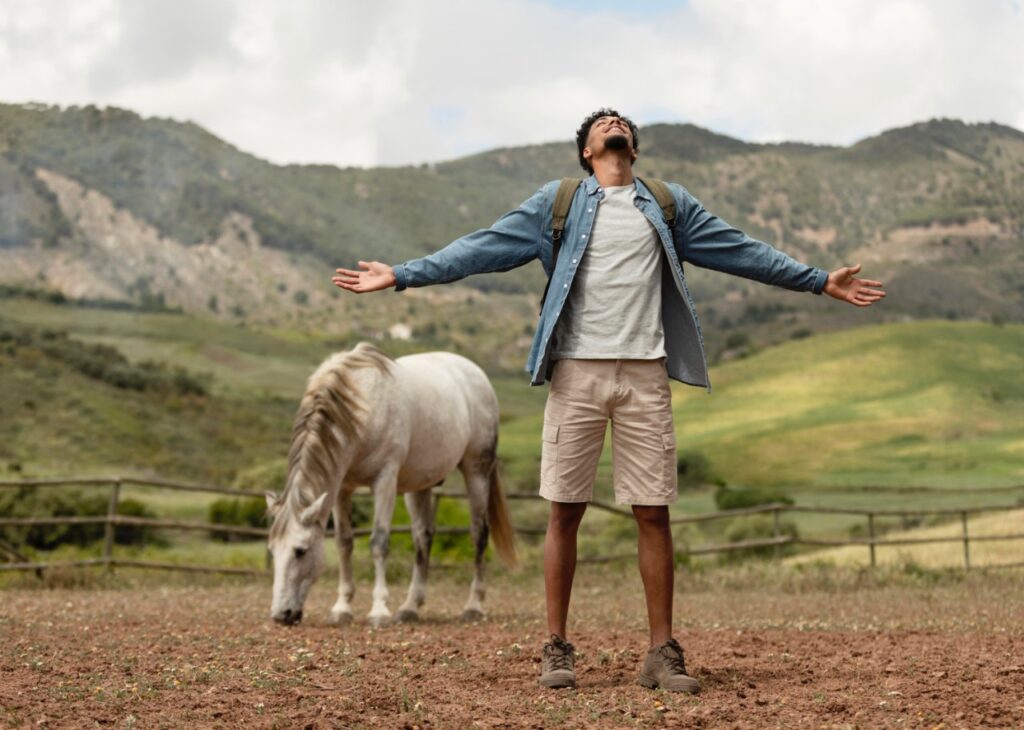
For many, owning a horse is the realization of a childhood dream. The fulfillment of this passion brings immense joy and purpose. Whether pursuing competitive equestrian sports, engaging in casual riding, or simply enjoying the companionship of a horse, the experience is deeply rewarding. Horses inspire personal growth, pushing individuals to set and achieve goals. They encourage ambition, whether through mastering riding techniques, participating in shows, or training for endurance rides. The journey of horse ownership is a testament to dedication, perseverance, and the pursuit of dreams.
7 Ways Owning a Horse Can Be Challenging

While owning a horse can be deeply rewarding, it also comes with significant challenges that require careful consideration. The same majestic creatures that build confidence, offer emotional healing, and strengthen bonds also demand financial investment, time, and unwavering dedication. Beyond the joys of riding and companionship, horse owners must navigate daily care, training, safety risks, and long-term commitments. Understanding these challenges is crucial for those considering horse ownership. Here are seven key hurdles that every aspiring horse owner should be prepared for before embarking on this life-changing journey.
1. High Financial Costs

Horses require a substantial financial commitment beyond the initial purchase price. Owners must budget for feed, boarding, veterinary bills, farrier services, and essential tack. Unexpected medical emergencies can escalate costs, making it necessary to have a financial cushion. Competitive riding, specialized training, and insurance add to the financial strain. Even with careful planning, the expenses can be overwhelming. Some owners seek part-time work at barns to offset costs or invest in horse-sharing arrangements. Owning a horse is a privilege that requires long-term financial stability and responsible financial planning to ensure the horse’s well-being.
2. Time-Consuming Commitment

Horses require constant care, making ownership a significant time investment. Daily tasks include feeding, watering, grooming, cleaning stalls, and exercising the horse. Training sessions, farrier visits, and vet appointments add to the schedule. Even boarding a horse at a stable doesn’t eliminate responsibilities, as regular check-ins and bonding time are essential. Owners often sacrifice weekends, holidays, and social events to care for their horse. The commitment can be overwhelming, especially for those balancing work, school, or family life. Understanding this time demand is crucial before embarking on horse ownership.
3. Finding and Maintaining Proper Housing
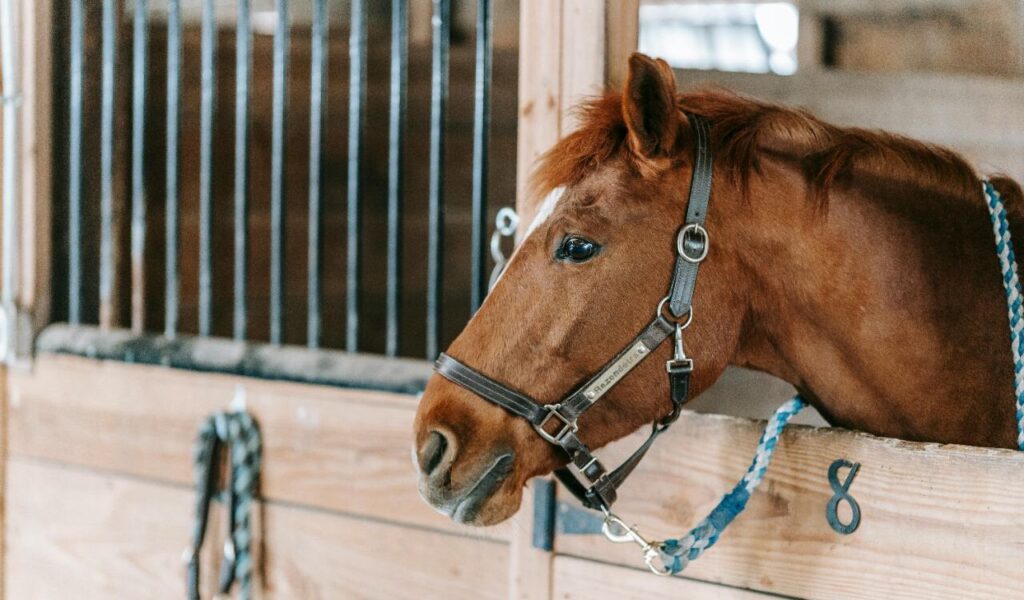
Horses need appropriate living conditions to remain healthy and happy. Owners must decide whether to board at a stable or provide accommodations on personal property. Boarding offers convenience but comes with significant costs and reliance on stable management. Keeping a horse at home requires pasture maintenance, fencing, shelter, and water supply, all of which demand time and financial resources. Climate considerations also play a role, as extreme weather may necessitate additional care. Choosing the right housing is vital to ensuring a horse’s safety, comfort, and access to essential resources year-round.
4. Physical and Emotional Challenges

Owning a horse requires substantial physical effort, from lifting hay bales to mucking stalls. Riding itself engages muscles and demands endurance. Additionally, injuries—both to horse and rider—are a real possibility. Falls, kicks, and unpredictable behavior can result in serious harm. The emotional toll is equally significant, as owners develop deep bonds with their horses. Dealing with injuries, behavioral struggles, and eventually saying goodbye can be heartbreaking. The highs of horse ownership come with profound lows, requiring resilience, patience, and unwavering dedication to overcome the physical and emotional hurdles involved.
5. Training and Behavioral Management
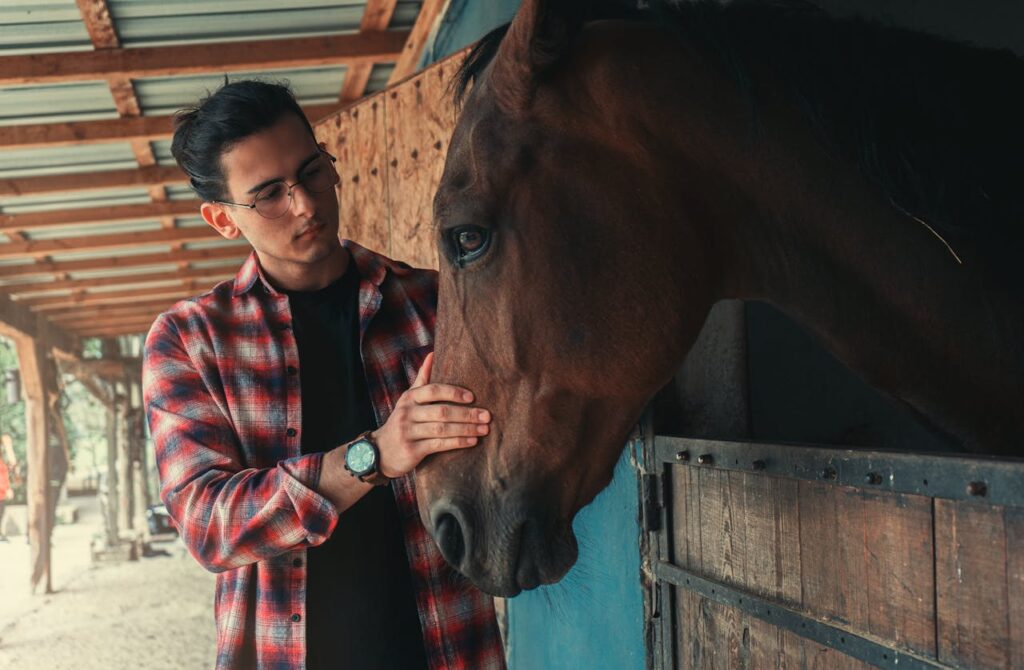
raining a horse is a continuous process requiring time, patience, and expertise. Even experienced riders face challenges when working with a new or strong-willed horse. Behavioral issues can arise due to improper handling, past trauma, or lack of trust. Without consistent training, horses can develop bad habits that may be difficult to correct. Professional trainers can help but come at a high cost, and lessons must be reinforced daily. Riders must establish clear communication, as misunderstandings can lead to frustration or even dangerous situations. Successful training requires commitment, proper techniques, and a deep understanding of equine psychology.
6. Risk of Injury and Safety Concerns
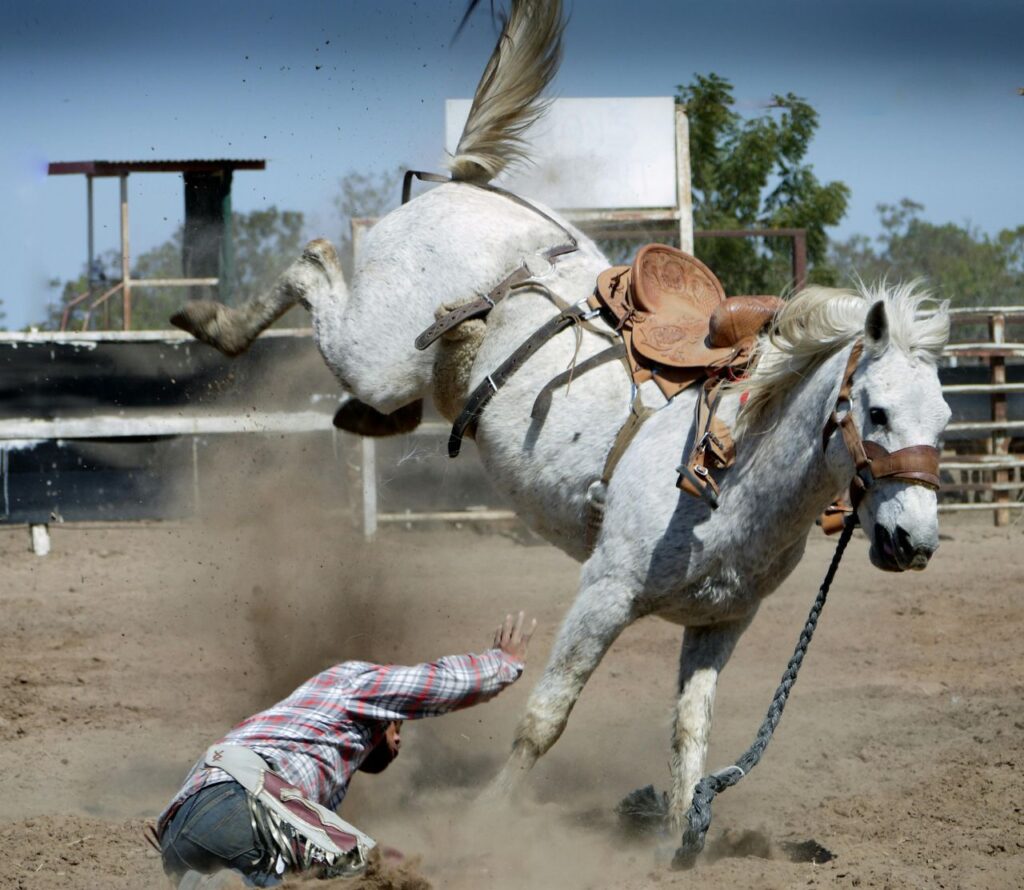
Horses are large, powerful animals that can be unpredictable, making safety a top priority. Even well-trained horses can spook unexpectedly, potentially causing accidents. Falls, kicks, and bites are common risks that riders and handlers must always be mindful of. Protective gear, such as helmets and proper riding boots, helps minimize injuries. Handling horses on the ground also requires caution, as sudden movements can result in accidents. Regular training and desensitization help reduce risks, but accidents can still happen. Understanding horse behavior, maintaining situational awareness, and following safety protocols are essential for minimizing injury risks.
7. Long-Term Commitment and Lifestyle Changes

Owning a horse is a commitment that can last 20-30 years. Their daily care, medical needs, and emotional well-being require long-term dedication. Unlike smaller pets, horses cannot be easily rehomed, making ownership a serious responsibility. Travel, social life, and flexibility in schedules become limited, as horses require consistent care. Boarding options exist, but they come with costs and may not replace the personal attention an owner provides. Life changes such as job relocations, financial hardships, or family obligations can make horse ownership challenging. Prospective owners must consider the long-term impact before taking on this responsibility.
Love Pets as Much as We Do?

Scroll up and click the ‘Follow’ button to stay updated with the latest heart-warming, hilarious, and helpful pet posts from Pawdown, delivered straight to your Microsoft Start feed and MSN homepage!