

As seasons change, so can our furry friends’ comfort levels. Just like humans, dogs and cats can suffer from seasonal allergies that leave them feeling miserable. Sneezing, itching, and watery eyes are just a few signs that your pet might be battling allergies. Fortunately, there are ways to help your beloved companions find relief. From consulting with your veterinarian to adjusting grooming habits, these simple steps can make a world of difference. Let’s see how you can ease your pet’s allergy symptoms and ensure they enjoy every season to the fullest.
1. Consult Your Veterinarian
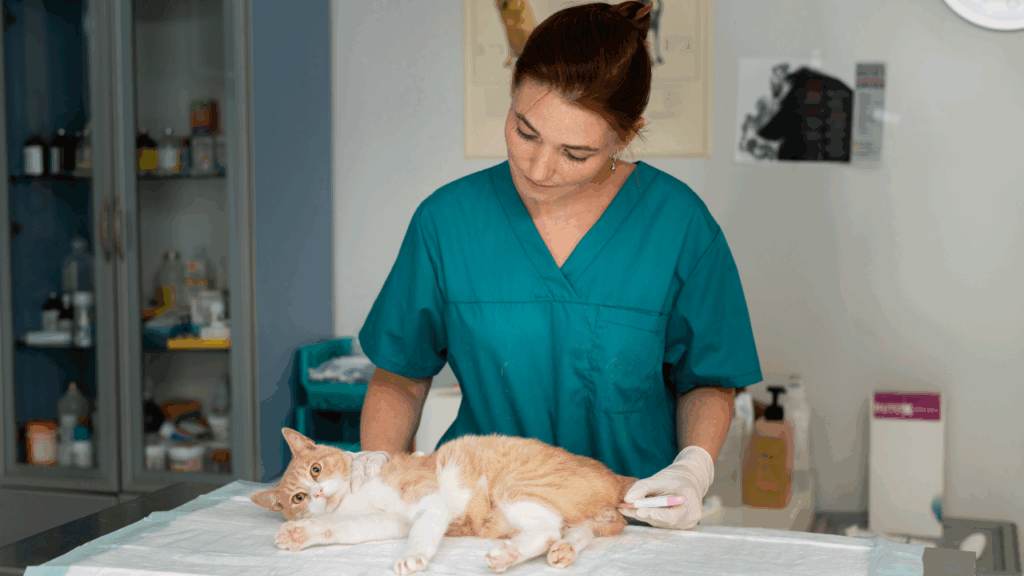
Your first step in managing your pet’s allergies is to consult your veterinarian. They can identify specific allergens and recommend effective treatments or medications. Vets often perform tests to pinpoint the cause of your pet’s discomfort, whether it’s pollen, dust mites, or something else entirely. Tailored solutions such as allergy shots or antihistamines may be suggested. Your vet’s expertise is crucial in navigating the best path for alleviating those pesky symptoms, ensuring your pet gets the right care they need.
2. Regular Grooming
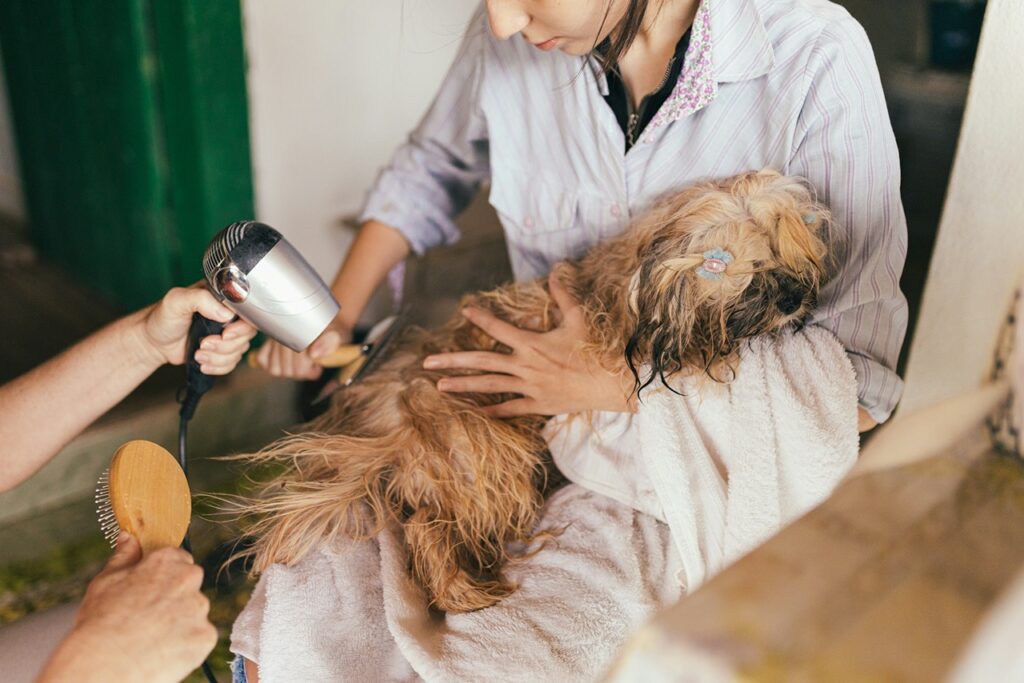
Keeping a regular grooming schedule is more critical during allergy season. Brushing your pet frequently helps remove allergens trapped in their coat, reducing itchiness and irritation. A bath with a gentle, pet-safe shampoo can also work wonders by washing away allergens. Pay special attention to your pet’s paws, as they often pick up irritants from grass and pavement. Grooming isn’t just about cleanliness—it’s an essential part of alleviating allergy symptoms, keeping your pet comfortable and happy.
3. Use Hypoallergenic Products

Using hypoallergenic products can be a game changer for pets suffering from allergies. Shampoos and conditioners specially formulated to be gentle on the skin help reduce irritation. Opt for bedding and toys made from hypoallergenic materials to limit exposure to triggers. These products minimize the chances of allergen buildup, providing a more soothing environment. By incorporating hypoallergenic options into your pet care routine, you relieve discomfort and make allergy management more effective.
4. Monitor Diet

Diet plays an enormous role in managing allergies in pets. Food sensitivities often exacerbate allergic reactions, so monitor what your pet eats. Switching to a diet with limited ingredients or hypoallergenic formulations can reduce flare-ups. Look for foods rich in Omega-3 fatty acids, known to support skin health and minimize itching. Always discuss dietary changes with your vet to ensure your pet’s nutritional needs are met while tackling their allergies. A well-balanced, careful diet is key to a more comfortable, allergy-free life.
5. Limit Outdoor Exposure

As seasons change, pollen and other allergens can wreak havoc on sensitive pets. By limiting your dog or cat’s outdoor exposure, especially during peak allergen times, you can significantly reduce their discomfort. Aim for morning or late evening walks when pollen levels are lower. After each outdoor adventure, give your pet’s paws and coat a quick wipe-down to eliminate lingering allergens. This simple precaution helps in minimizing itching, sneezing, and other allergy symptoms, ensuring your furry friend remains comfortable year-round.
6. Create a Clean Environment
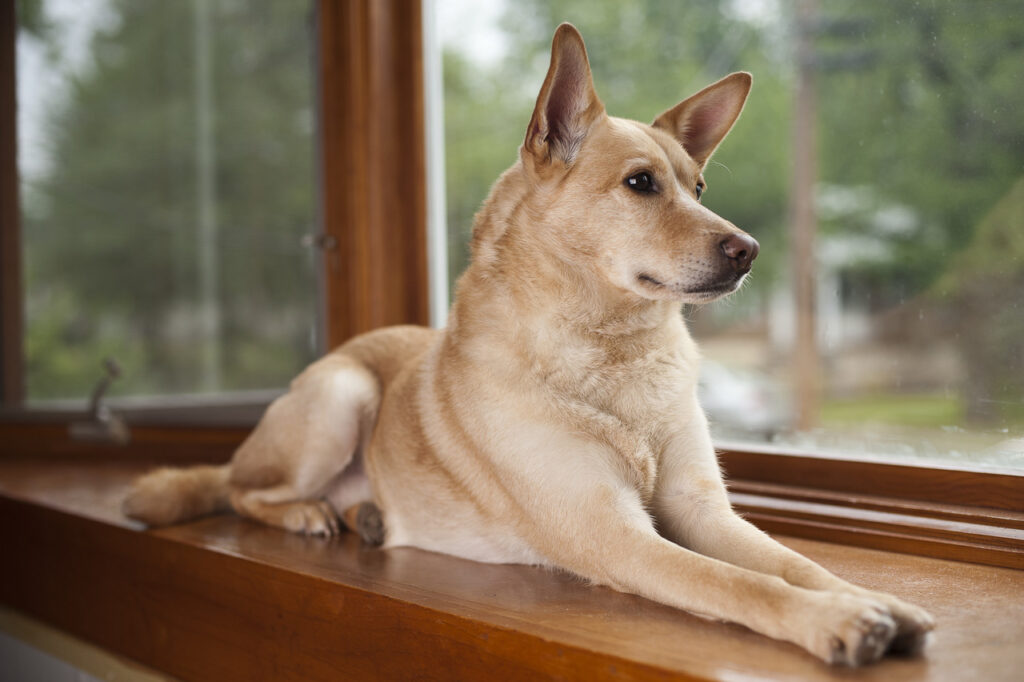
Creating a pristine indoor sanctuary for your pet can be a game changer in managing seasonal allergies. Regularly vacuuming carpets and upholstery will help keep dust and pollen at bay. Incorporate pet-friendly cleaning products to avoid adding irritants to their living area. Consider choosing hypoallergenic bedding and washing it weekly to remove accumulated allergens. With a thoughtfully maintained environment, your furry friend’s exposure to allergy triggers can be effectively minimized, promoting a happier, healthier home life.
7. Use Air Purifiers
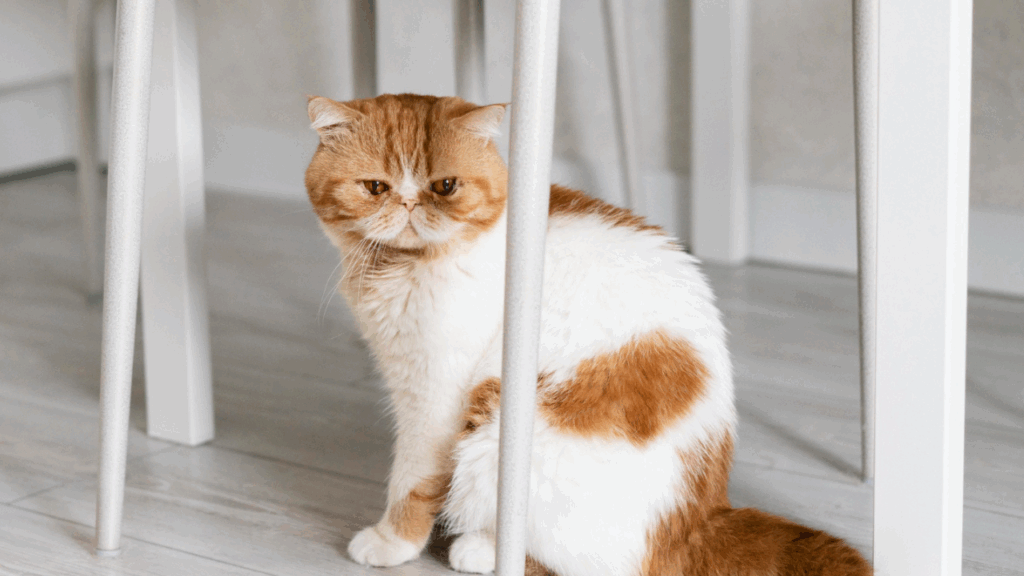
Investing in a high-quality air purifier can be a wise decision to combat seasonal allergies for your pets. These devices work relentlessly to filter out pollen, dust, and even pet dander from the air in your home. Selecting a purifier with a HEPA filter will offer the best results, significantly reducing allergens that exacerbate your dog or cat’s symptoms. By ensuring your indoor air remains clean and fresh, you’re taking an important step in safeguarding your pet’s health and well-being, making breathing easier for everyone.