
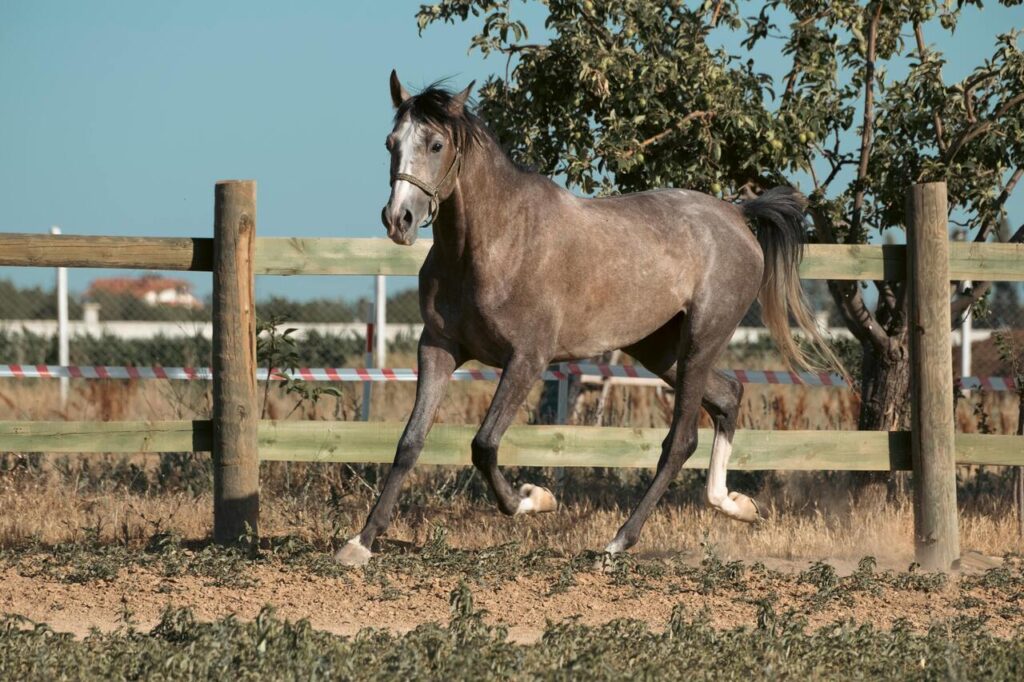
Horses are magnificent creatures, but not all breeds are suitable for beginners. Some are too energetic, sensitive, or high-maintenance for new riders to handle comfortably. While these breeds may pose challenges for inexperienced horse owners, they are highly prized by experts for their skills, intelligence, and capabilities. Here are seven horse breeds that beginners should avoid but are beloved by experienced equestrians.
1. Akhal-Teke

The Akhal-Teke is a rare and striking breed known for its metallic coat and exceptional endurance. However, its independent and sensitive nature makes it unsuitable for beginners. These horses tend to bond with a single rider and can be difficult to handle if not trained properly. They require consistent guidance and patience, which can be overwhelming for a novice. Additionally, their high-energy levels and quick reactions can make them unpredictable. Experts love them for their endurance, intelligence, and adaptability in long-distance riding.
2. Thoroughbred

Thoroughbreds are famous for their speed and agility, but their racing background makes them a poor choice for beginners. Bred for competition, they are high-strung, energetic, and prone to nervous behavior. Many ex-racehorses require extensive retraining to become manageable riding horses. Their strong flight instinct can make them difficult to control in unexpected situations. Because of their athleticism and sensitivity, they demand an experienced rider who understands their needs. Experts appreciate their agility and competitive nature, making them ideal for eventing and jumping.
3. Arabian

Arabians are one of the oldest and most intelligent horse breeds, but their energy and sensitivity can be too much for beginners. They are highly alert and quick to react, which can be intimidating for novice riders. Their intelligence means they learn quickly but can also develop bad habits if not handled properly. Arabians require consistent training and a confident rider to bring out their best qualities. They are widely adored by experienced equestrians for their stamina, versatility, and elegance, particularly in endurance riding and classical disciplines.
4. Friesian
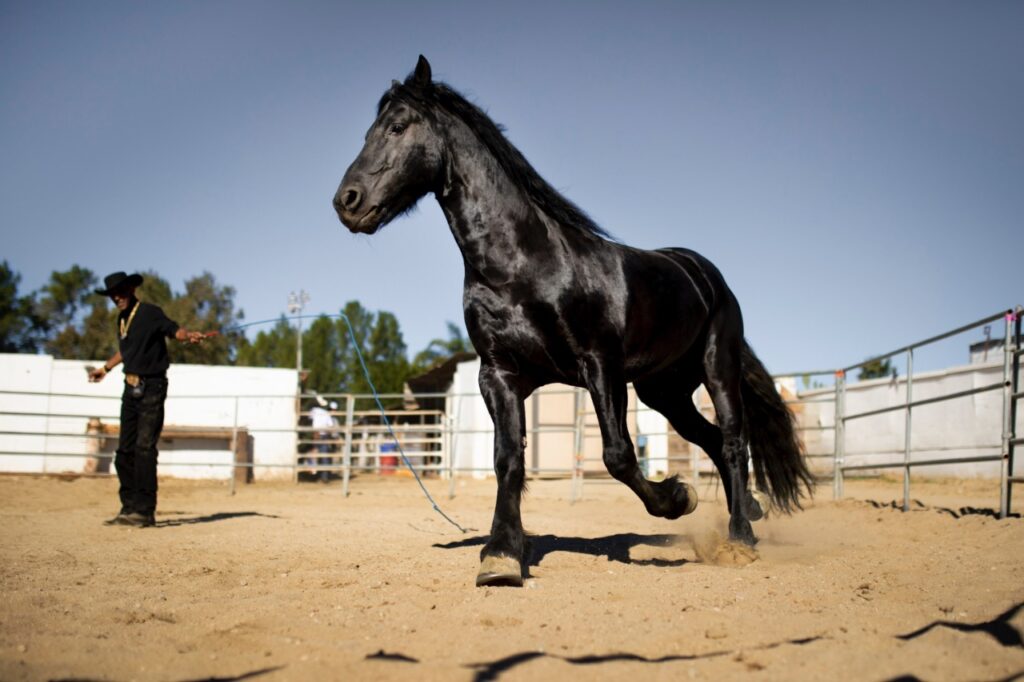
Friesians are stunning horses with their long, flowing manes and powerful builds, but they can be high-maintenance. Their thick coats and feathered legs require constant grooming, and they are prone to health issues like colic and respiratory problems. Despite their typically calm temperament, their strength can be overwhelming for a beginner. They need an experienced handler who can properly guide their movements. Experts admire them for their beauty, smooth gaits, and exceptional performance in dressage and carriage driving, where their majestic presence shines.
5. Andalusian

The Andalusian is a strong and athletic breed known for its intelligence and agility. However, their spirited nature and powerful movements can be challenging for beginners to manage. They respond best to precise, confident handling, and if not properly trained, they can become dominant. Their natural collection and energetic gaits require a rider who understands advanced equestrian techniques. Despite these challenges, they are adored by experts for their grace, willingness to learn, and exceptional performance in dressage and traditional Spanish riding disciplines.
6. Warmbloods (Hanoverian, Dutch Warmblood, Trakehner)

Warmbloods are often used in competitive equestrian sports, but their strength and athleticism make them less suitable for beginners. These horses are bred for jumping and dressage, meaning they require a skilled rider to bring out their full potential. Their size and power can be difficult to manage, especially for someone still developing balance and control. Additionally, they can be sensitive to rider cues, which may be confusing for an inexperienced handler. Experts love them for their versatility, responsiveness, and high performance in professional equestrian sports.
7. Mustang

Mustangs are wild horses that have been domesticated, but their strong instincts and independent nature make them challenging for beginners. They require extensive training and patience to become reliable riding horses. Their survival instincts make them highly alert and sometimes unpredictable. Because they are often adopted from the wild, they may not have the same level of training as domesticated breeds. However, experienced riders appreciate their resilience, adaptability, and intelligence. With the right training, they become loyal and hardworking companions in trail riding and ranch work.
Love Pets as Much as We Do?

Scroll up and click the ‘Follow’ button to stay updated with the latest heart-warming, hilarious, and helpful pet posts from Pawdown, delivered straight to your Microsoft Start feed and MSN homepage!