
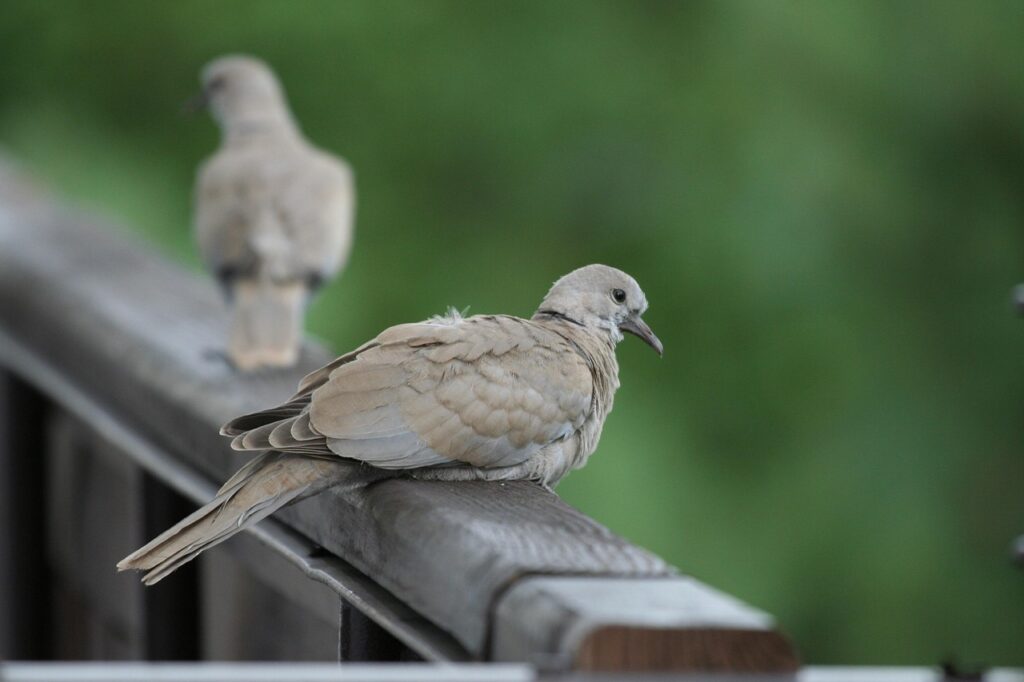
Birds have long been a popular choice for pets, admired for their vibrant colors, unique personalities, and ability to mimic sounds. However, not all birds are legal to own in every state. Some species are considered invasive, aggressive, or a threat to local ecosystems, leading to bans or restrictions in certain regions. Meanwhile, other birds are widely accepted and legal to keep as pets in all states. Let’s look at eight birds that are banned in some states, followed by eight birds that are legal everywhere.
1. Quaker Parrot (Monk Parakeet)

The Quaker parrot, also known as the monk parakeet, is an intelligent and social bird, making it a favorite among bird enthusiasts. However, this species has been banned in several states, including California, Georgia, and Pennsylvania, due to its ability to establish feral colonies. These colonies can become invasive, damaging crops and displacing native species. Quaker parrots also have a high reproductive rate, which contributes to their rapid spread. Despite restrictions, they remain popular where legal.
2. European Starling
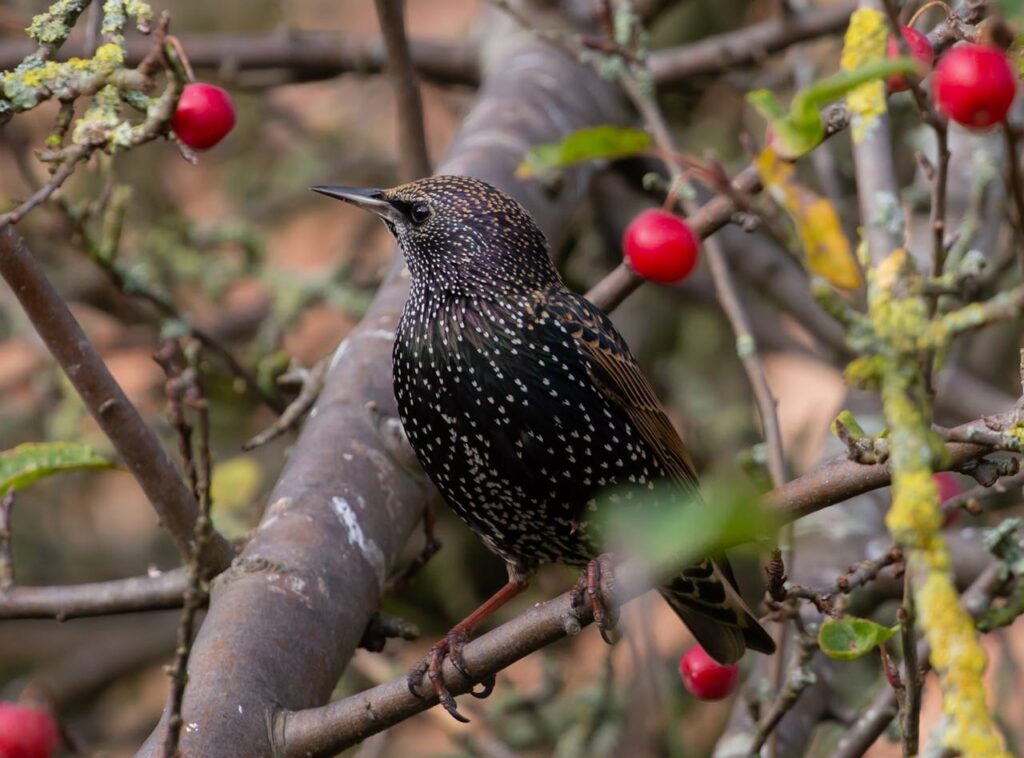
European starlings were introduced to North America in the 19th century and have since become one of the most invasive bird species in the country. They compete aggressively with native birds for food and nesting sites, often driving out species such as bluebirds and woodpeckers. Due to their destructive nature and impact on agriculture, some states prohibit their ownership. Starlings are known for their adaptability and intelligence, but their presence can significantly disrupt local ecosystems.
3. Myna Bird

Myna birds are highly intelligent and known for their exceptional ability to mimic human speech. Despite their appeal, some states have banned them due to their invasive tendencies. If released into the wild, they can compete with native species, potentially harming local bird populations. Myna birds are also known for their aggressive behavior, which can lead to ecological imbalances. Though they make fascinating pets, their potential to establish feral populations has led to ownership restrictions.
4. Indian Ringneck Parakeet

The Indian ringneck parakeet is a beautiful and talkative bird that has been domesticated for centuries. However, in some states, it is banned due to its ability to form wild colonies if released or escaped. These colonies can compete with native birds for food and nesting space, disrupting local ecosystems. Their adaptability allows them to thrive in different climates, raising concerns about their impact on agriculture. Despite these concerns, they remain popular where ownership is permitted.
5. Eurasian Collared Dove
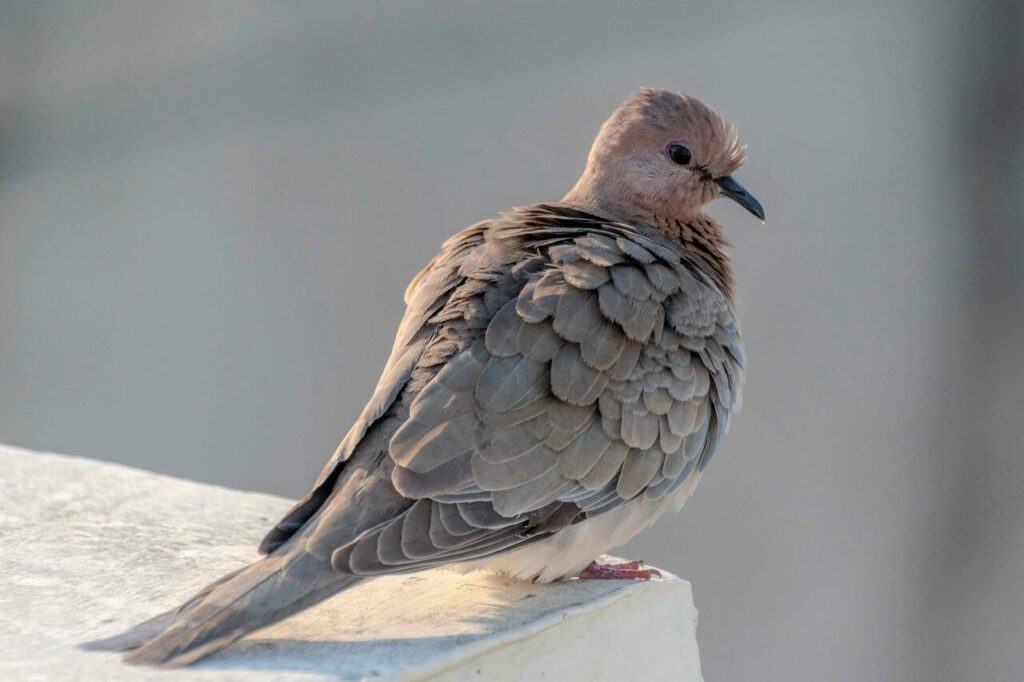
Eurasian collared doves were introduced to the United States in the 1980s and have since spread rapidly across the country. Some states consider them invasive and have placed restrictions on their ownership. These doves can outcompete native bird species and disrupt ecological balances. While they are generally peaceful birds, their rapid reproduction and adaptability make them a concern in areas where their population growth is uncontrolled. They are legal in many places but restricted in certain regions.
6. Mute Swan

Mute swans are large, elegant birds often associated with grace and beauty. However, they are also known for their aggressive behavior, particularly toward native waterfowl. In some states, mute swans are banned because they can damage aquatic ecosystems by overgrazing on vegetation. Their territorial nature often leads to conflicts with other bird species. While they remain a symbol of beauty, their environmental impact has resulted in restrictions on their ownership in some states.
7. Pigeon (Rock Dove)
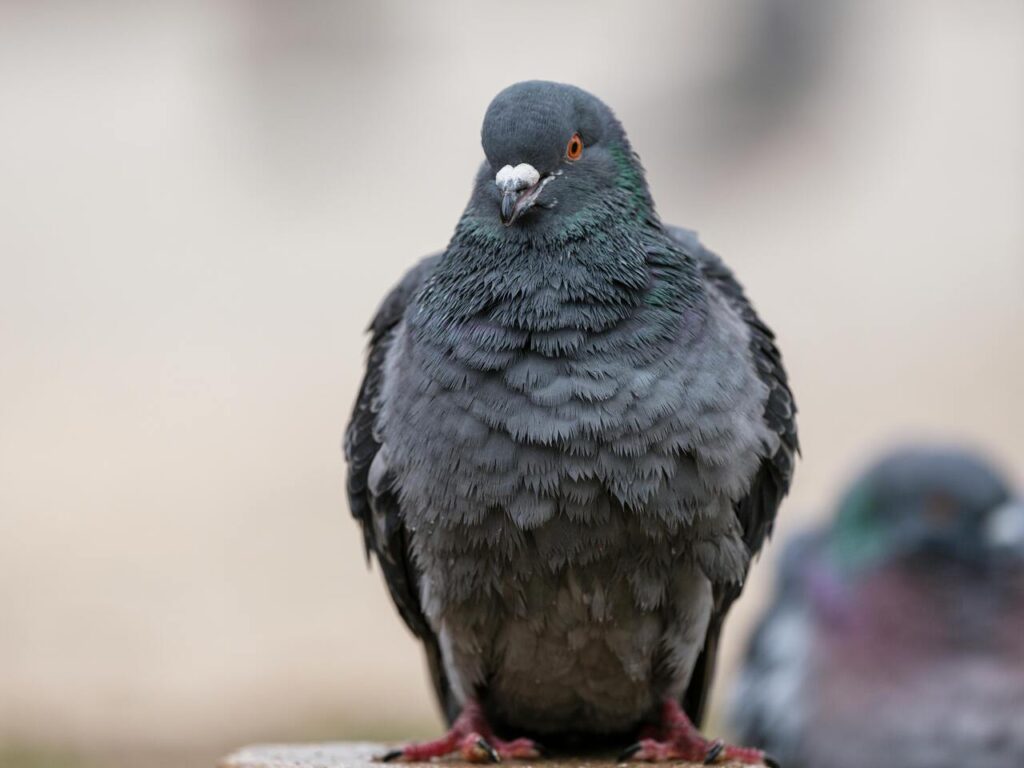
Pigeons, or rock doves, are commonly found in urban areas and are sometimes kept as pets. However, due to their tendency to overpopulate and their association with disease transmission, some states and cities have placed restrictions on keeping them. Pigeons are highly adaptable and can survive in various environments, making them difficult to control once established. While domesticated pigeons are legal in most places, wild pigeons may be subject to regulations in certain areas.
8. Crow (American Crow and Other Corvids)
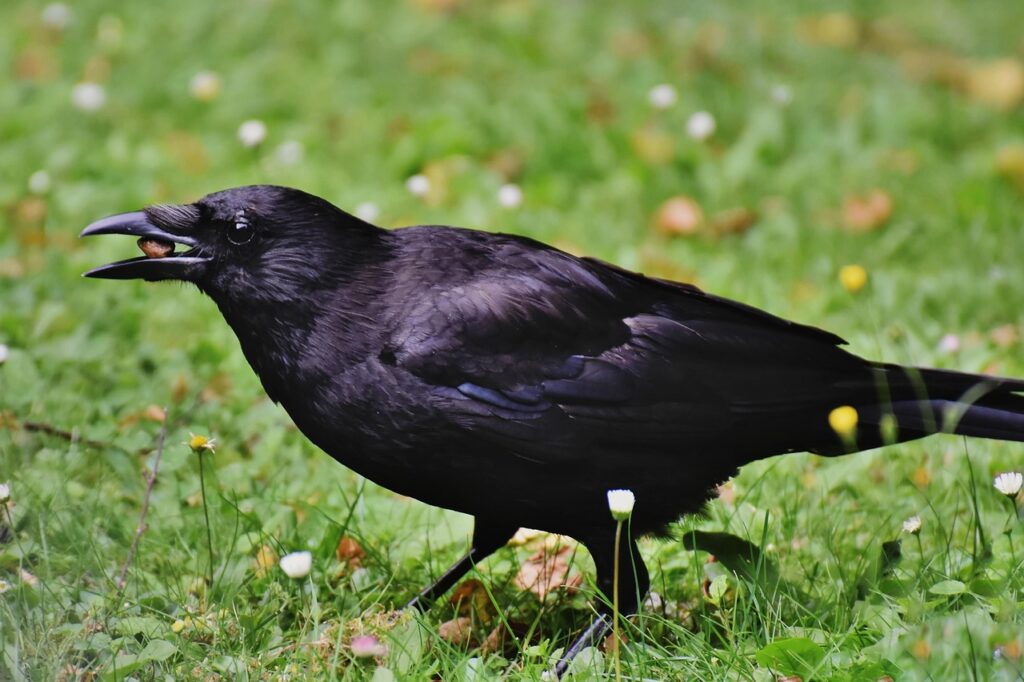
Crows and other corvids are among the most intelligent birds, capable of using tools and solving complex problems. However, they are banned in some states due to concerns about their potential to spread diseases, such as West Nile virus. Additionally, crows can be highly disruptive to agriculture, often damaging crops and creating noise disturbances. Their adaptability and problem-solving abilities make them fascinating creatures, but their ecological impact has led to legal restrictions in certain regions.
8 Birds That Are Legal Everywhere

While some birds are restricted due to their invasive nature or potential harm to the environment, many bird species are completely legal to own in all U.S. states. These birds are domesticated, pose no significant threat to ecosystems, and are widely accepted as suitable pets. Here are eight birds that are legal everywhere.
1. Budgerigar (Budgie or Parakeet)

Budgerigars, commonly known as budgies or parakeets, are one of the most popular pet birds in the world. They are small, colorful, and relatively easy to care for, making them an excellent choice for beginners. Budgies are highly social and enjoy human interaction, often learning to mimic sounds and words. Since they are domesticated and pose no threat to native ecosystems, they are legal to own in all states. Their playful nature makes them beloved pets everywhere.
2. Cockatiel
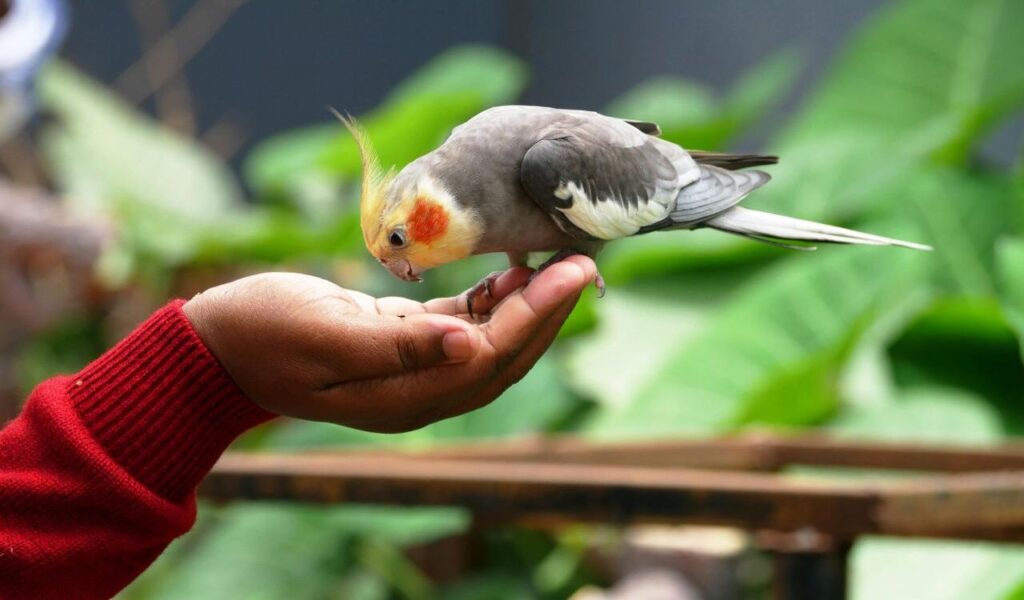
Cockatiels are affectionate, intelligent birds that form strong bonds with their owners. They are known for their expressive crests and cheerful whistles. Cockatiels are widely legal as they are domesticated and do not pose any risk to native wildlife. Their small size and friendly demeanor make them an ideal pet for first-time bird owners. Easy to train and relatively low maintenance, cockatiels continue to be a favorite among bird enthusiasts across the country.
3. Canary

Canaries are admired for their melodious singing and bright plumage. These small songbirds have been domesticated for centuries and pose no risk to local ecosystems. They are independent, easy to care for, and do not require extensive social interaction, making them ideal pets for people with busy lifestyles. Since they do not threaten native species or agriculture, canaries are legal in every state. Their beautiful songs make them a favorite among bird lovers.
4. Finch (Zebra Finch, Society Finch, etc.)

Finches are small, social birds that thrive in captivity. Their charming personalities and minimal care requirements make them an excellent choice for pet owners. Unlike invasive species, domesticated finches do not establish wild populations, ensuring they pose no ecological risk. They are widely available and legal in every state, making them a popular option for those who enjoy watching birds interact in small groups. Their gentle nature makes them easy to keep.
5. Lovebird

Lovebirds are tiny parrots famous for their loving behavior and close connections with their mates. Despite their name, they can be kept individually with proper attention. Unlike larger parrots, lovebirds do not pose an invasive threat and are widely accepted as pets. They are playful, intelligent, and legal in all states. Their bright colors and lively personalities make them highly desirable pets for those seeking a compact yet interactive companion.
6. Parrotlet

Parrotlets are tiny parrots with big personalities. These birds are highly intelligent and energetic, requiring regular interaction to stay happy. Due to their small size, they are easy to care for and do not pose environmental threats. Since they are domesticated and do not establish wild colonies, they are legal everywhere. Their playful and curious nature makes them a delightful choice for pet bird enthusiasts. Despite their small size, they have a bold and adventurous spirit that makes them endlessly entertaining.
7. Dove (Domestic Varieties)
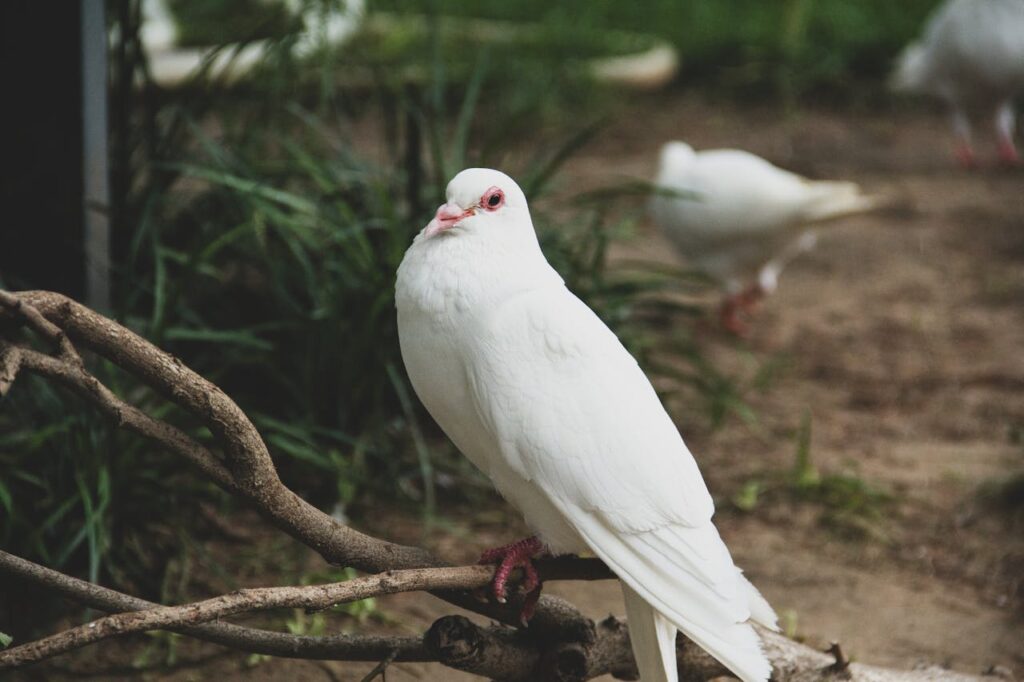
Domesticated doves, such as ring-necked doves, are gentle and easy to care for. They are widely accepted as pets since they do not disrupt local ecosystems. Doves are known for their calming coos and affectionate demeanor. Their peaceful nature and simple care requirements make them a wonderful addition to households looking for a quiet companion bird. They are also highly adaptable to various living environments, making them a low-maintenance yet rewarding pet option.
8. Pionus Parrot

Pionus parrots are known for their gentle and quiet nature. Unlike larger, louder parrot species, they are easygoing and adaptable. They do not pose any ecological risks, making them legal in all states. Their intelligence and affectionate personality make them a great choice for those seeking a calm and trainable pet bird. With proper care and attention, Pionus parrots can live long and fulfilling lives, forming deep bonds with their human companions.
Love Pets as Much as We Do?

Scroll up and click the ‘Follow’ button to stay updated with the latest heart-warming, hilarious, and helpful pet posts from Pawdown, delivered straight to your Microsoft Start feed and MSN homepage!