

Some dog breeds are so devoted that their protective instincts can become overwhelming, leading to excessive barking or guarding. While their loyalty is endearing, guiding these behaviors for a balanced relationship is essential. Let’s discover eight dog breeds known for their overprotective nature and learn five effective training tips to keep their love for you calm and controlled.
1. Boxer
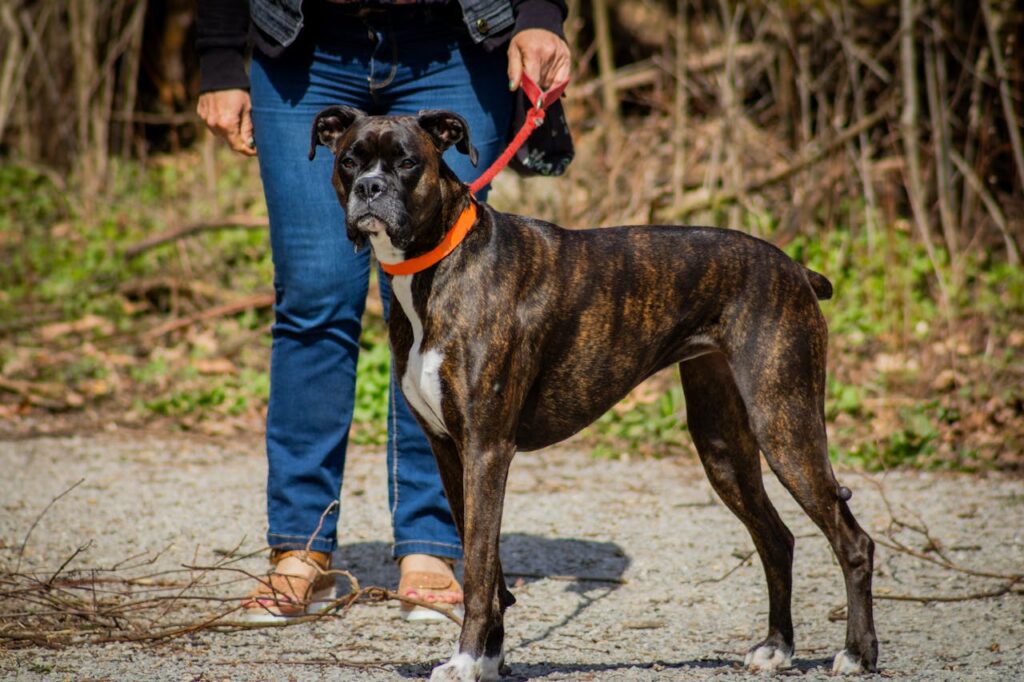
Boxers are a beloved breed known for their playful energy and unwavering loyalty to their families. Their protective nature makes them excellent watchdogs, but it can also lead to overprotectiveness, especially around strangers. This behavior stems from their strong desire to keep their loved ones safe. While Boxers are intelligent and eager to please, their high energy and alertness require consistent training to help them stay calm and focused. Socialization from a young age is crucial to ensure they learn to differentiate between genuine threats and harmless situations, creating a well-balanced companion.
2. Bullmastiff
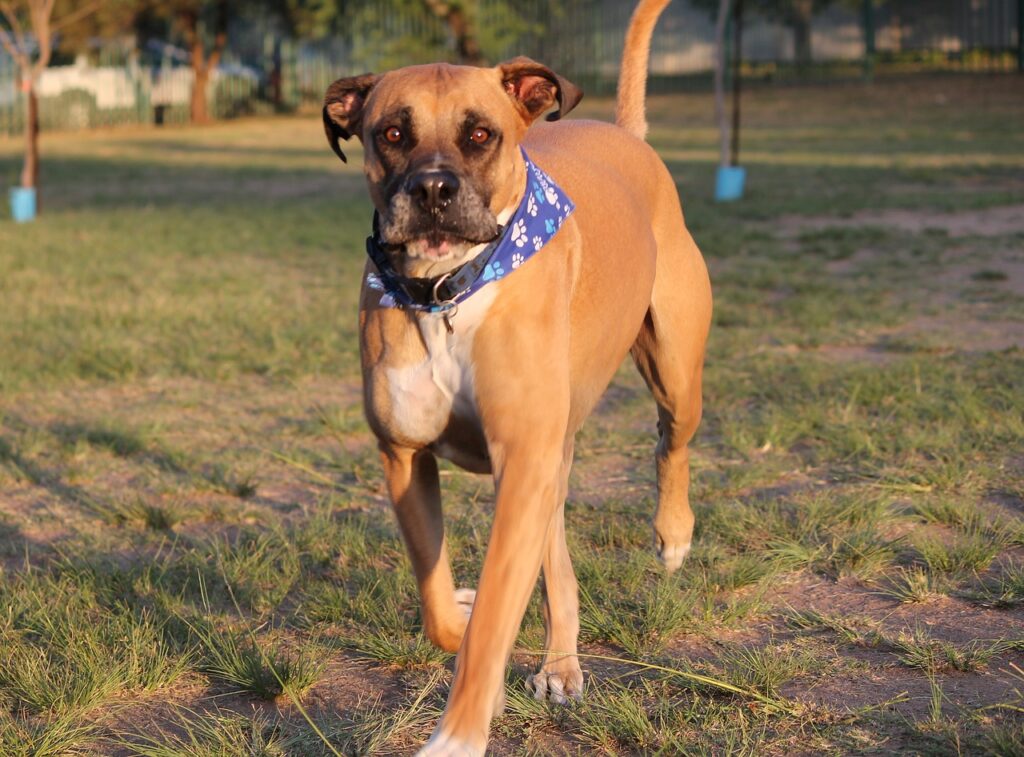
The Bullmastiff is a powerful yet affectionate breed known for its unwavering loyalty and natural guarding instincts. Originally bred to protect estates, this breed is naturally cautious around strangers and can become overly protective of its family without proper guidance. While their calm demeanor makes them excellent family dogs, Bullmastiffs require consistent training and socialization to ensure their protective tendencies don’t turn into aggression. With firm but gentle leadership, they thrive as devoted and balanced companions.
3. Cane Corso
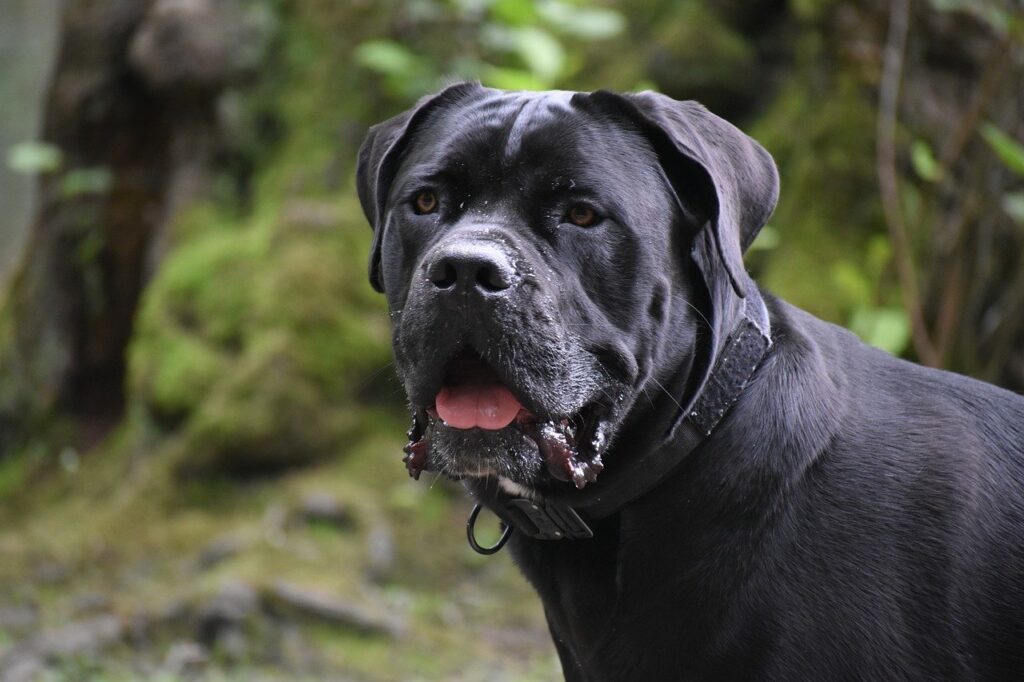
The Cane Corso is a powerful and loyal guardian, originally bred in Italy as a working and protection dog. Known for their strong bond with their families, they are naturally wary of strangers, which can sometimes translate into overprotective behavior if not managed early. Their intimidating presence and alert nature make them excellent watchdogs, but proper socialization and consistent training are crucial to prevent aggression. A well-trained Cane Corso is a confident, calm, and devoted companion, capable of balancing protection with affection.
4. Doberman Pinscher
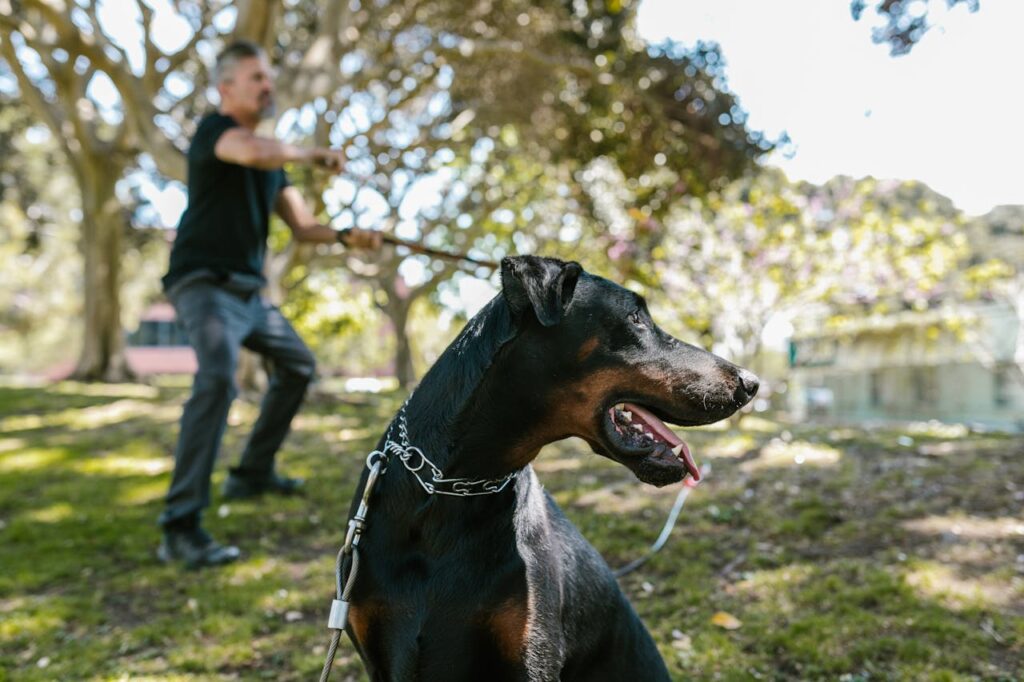
The Doberman Pinscher is a sleek, intelligent, and highly loyal breed, making it a favorite among families and security enthusiasts alike. Known for their protective instincts, Dobermans are quick to assess potential threats and respond with unwavering dedication to their owners. However, their overprotective nature can sometimes manifest as excessive vigilance or aloofness toward strangers. Early socialization and consistent training are essential to help Dobermans distinguish between real threats and everyday situations, ensuring they remain calm and confident companions.
5. German Shepherd
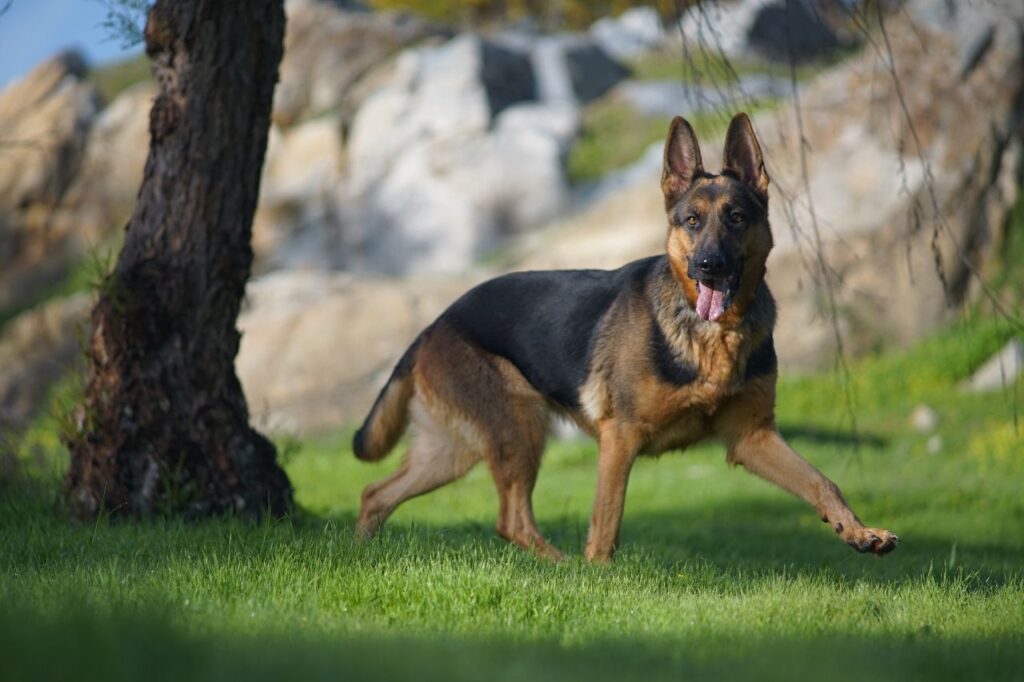
German Shepherds are renowned for their loyalty and intelligence, making them one of the most protective dog breeds. Their natural guarding instincts often lead to overprotectiveness, especially toward their family members. While this trait makes them excellent watchdogs, it can sometimes result in excessive barking or wariness around strangers. Early socialization and consistent training are crucial to help them distinguish between genuine threats and everyday situations. With proper guidance, their devotion can be harnessed into calm, confident behavior, strengthening their bond with their owners.
6. Belgian Malinois
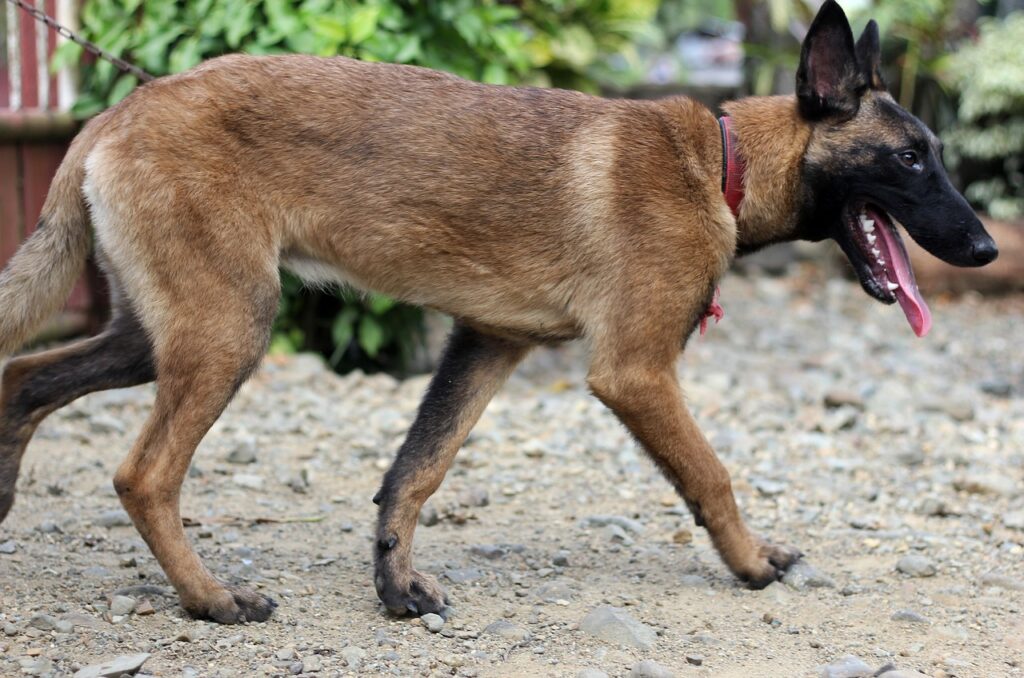
The Belgian Malinois is a devoted and protective breed, often used in law enforcement due to its intelligence and agility. Their loyalty to family members can sometimes evolve into overprotectiveness, making them wary of strangers and prone to guarding behaviors. While their instinct to protect is strong, early socialization and training are crucial to prevent anxiety-driven behaviors. Regular exercise and mental stimulation also help channel their energy, ensuring they stay calm and well-adjusted in a home environment.
7. Rottweiler
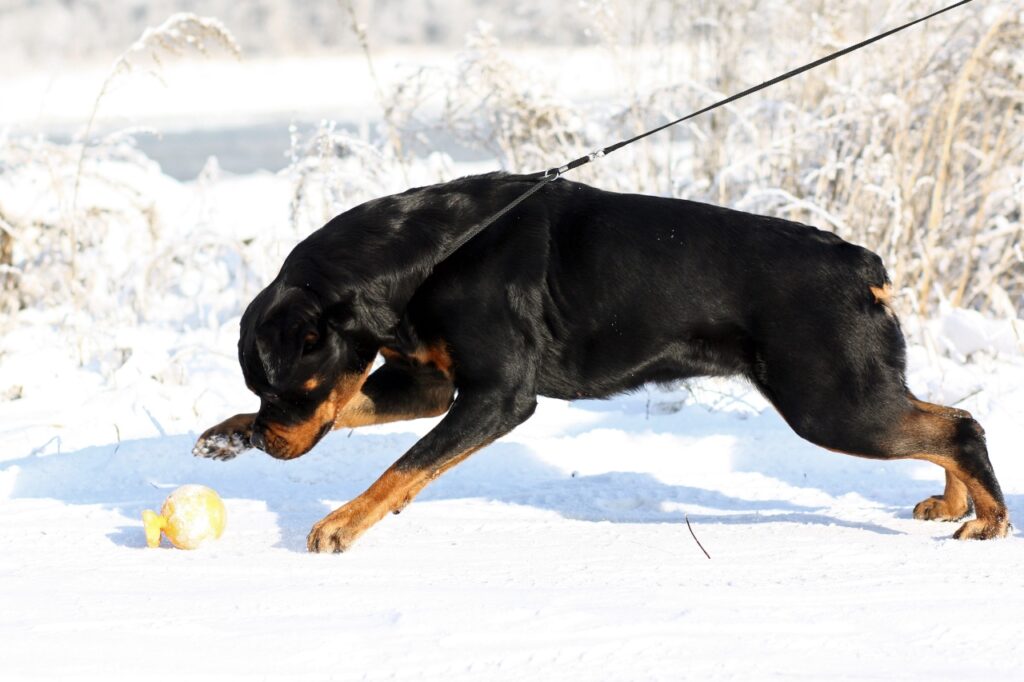
Rottweilers are fiercely loyal and protective, making them devoted companions. Their strong guarding instincts can, however, lead to overprotectiveness, especially around unfamiliar people or in new environments. To manage this, it’s vital to introduce them to various situations and individuals early on. Structured training and positive reinforcement help them understand boundaries, while regular exercise keeps them physically and mentally engaged. With the right guidance, Rottweilers can be calm, well-adjusted pets without compromising their protective nature.
8. Akita
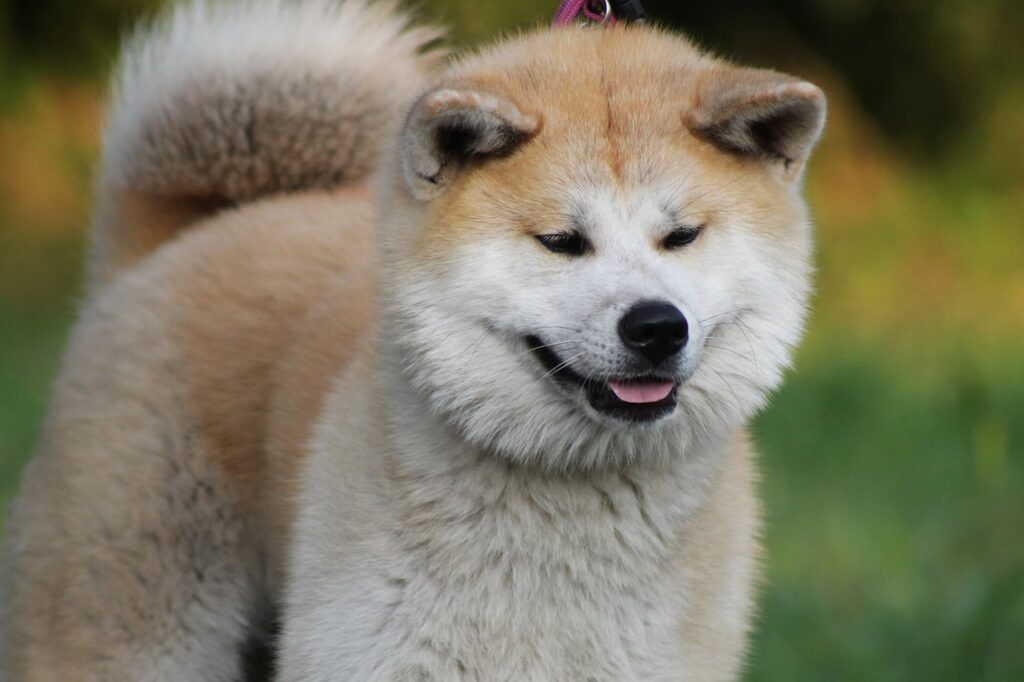
The Akita is a fiercely loyal and protective breed, often forming strong bonds with its family. While they are gentle and affectionate with loved ones, their overprotective nature can lead to wariness of strangers and territorial behavior. Early socialization is essential to help them distinguish between normal situations and potential threats. Training should be consistent and firm, as Akitas are independent-minded. Regular exercise also helps prevent boredom, ensuring they stay calm and controlled while still being loving companions.
9. Consistent Socialization
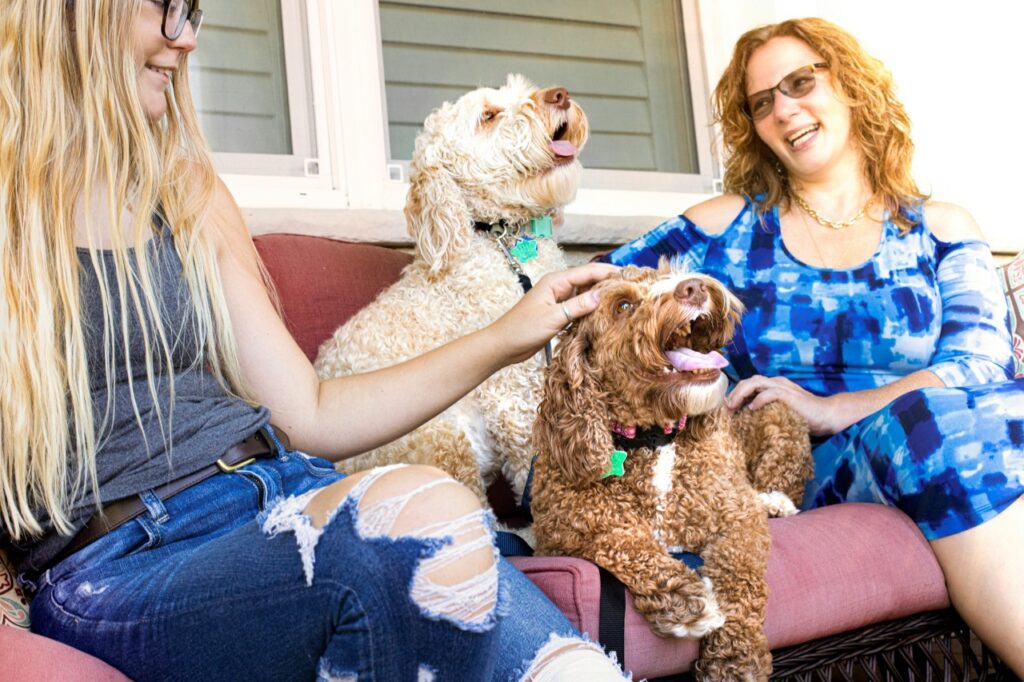
Consistent socialization is crucial for calming overprotective dogs. Regular exposure to different people, animals, and environments helps them build confidence and learn appropriate responses. Start socializing at an early age, gradually introducing them to new experiences in a positive and controlled manner. This process reduces fear and anxiety, making them less likely to react defensively. Ongoing socialization throughout their lives keeps them adaptable and comfortable in various situations, helping to prevent overly protective behavior.
10. Maintain Composure

Maintaining composure is crucial when handling overprotective dogs. Your attitude and energy can directly influence their behavior. If you remain calm, confident, and relaxed, your dog will sense this and be less likely to become agitated. Conversely, if you show signs of stress, anxiety, or excitement, your dog may mirror those emotions, potentially triggering protective instincts. By staying composed, you help create a stable environment that encourages calmness and reduces the likelihood of overreaction to perceived threats.
11. Avoid Rewarding Aggression
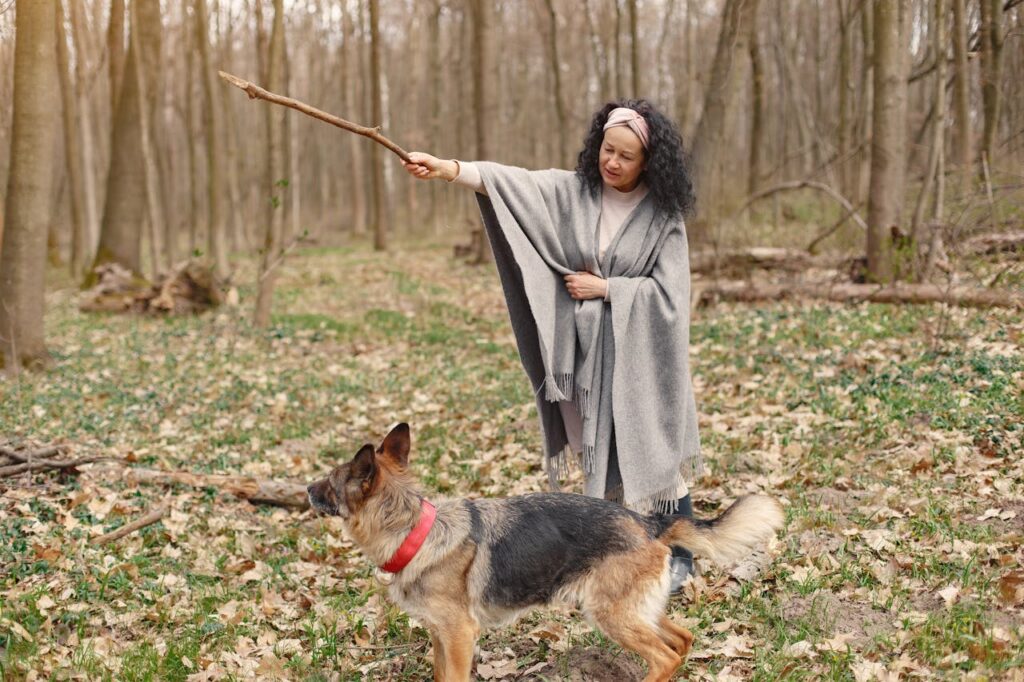
Avoiding the reward of aggressive behaviors is crucial in managing overprotective dogs. Reacting positively to aggression, whether through attention or treats, reinforces the behavior. Instead, remain calm and assertive, redirecting the dog’s focus to a positive activity or behavior. By not rewarding aggression, you teach your dog that calm, composed behavior is more desirable and results in positive outcomes. Consistency in this approach helps create a clear boundary between acceptable and unacceptable actions.
12. Using Behavior Correction Equipment
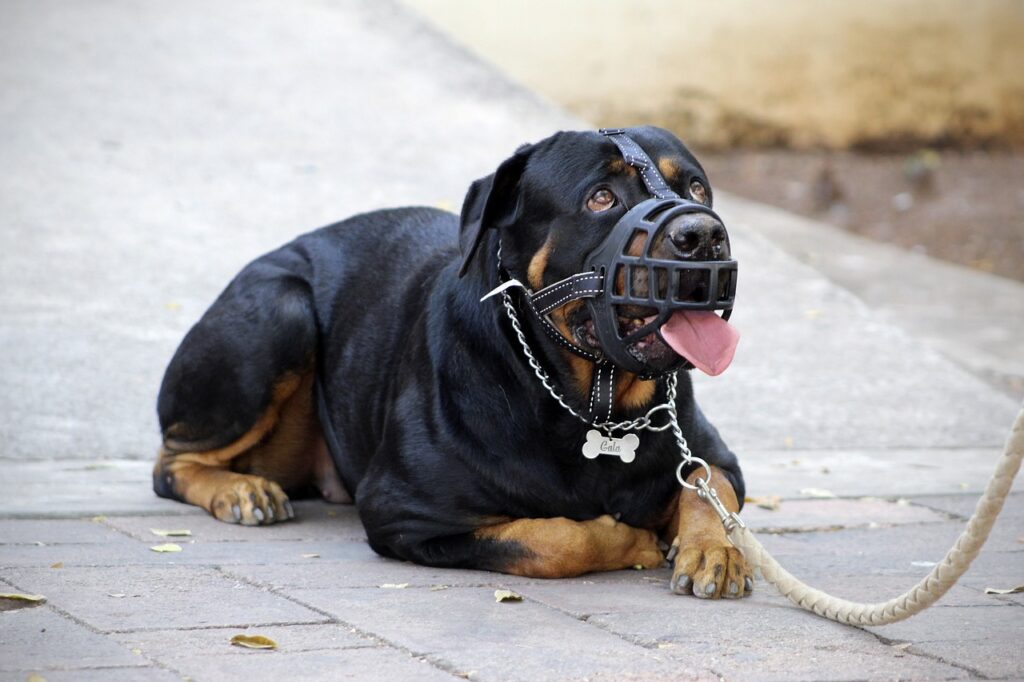
Using behavior correction equipment like muzzles, gentle leaders, and leashes can be highly effective tools for managing overprotective dogs during training and outdoor activities. A muzzle can prevent aggressive behaviors while still allowing your dog to interact safely in various environments. Gentle leaders provide gentle control, helping to reduce pulling and increase focus. Leashes ensure you can maintain control during walks, promoting better obedience. When used appropriately, these tools support calmness, prevent undesirable behaviors, and aid in consistent training.
13. Consistent Mental and Physical Stimulation
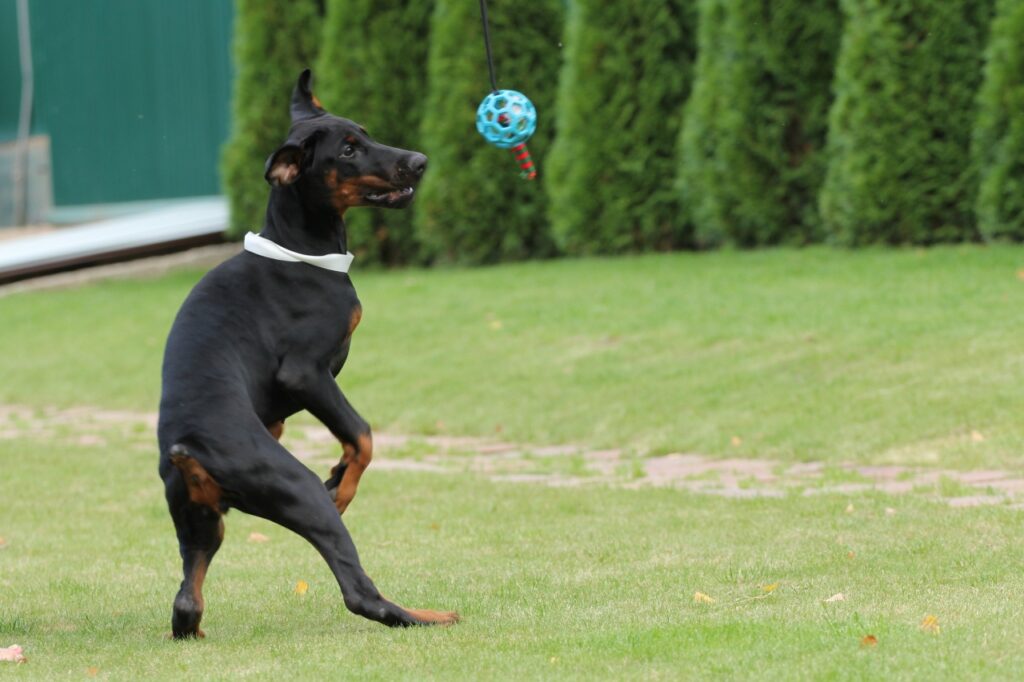
Consistent mental and physical stimulation is essential for calming overprotective dogs. These dogs thrive on activity, and without it, they may become anxious or exhibit unwanted behaviors. Daily exercise, such as walks or playtime, helps burn off excess energy. Mental engagement through puzzle toys, training sessions, and interactive games keeps their minds sharp and satisfied. By incorporating regular stimulation into their routine, dogs remain focused, calm, and less prone to overprotective tendencies.
Love Pets as Much as We Do?

Scroll up and click the ‘Follow’ button to stay updated with the latest heart-warming, hilarious, and helpful pet posts from Pawdown, delivered straight to your Microsoft Start feed and MSN homepage!