
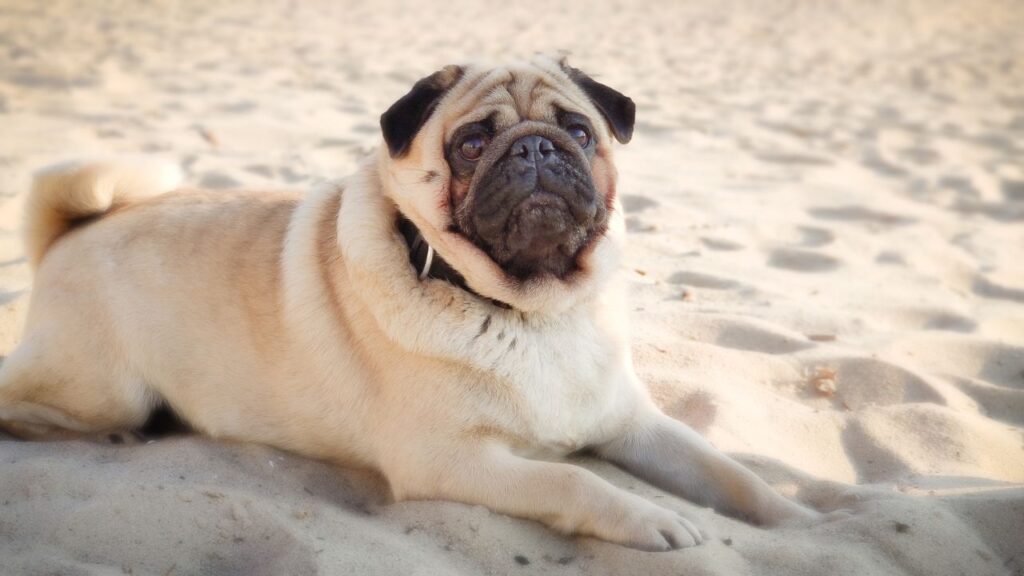
Scorching temperatures and arid landscapes define states like Arizona and Nevada, presenting unique challenges for our furry friends. While some dogs thrive in these conditions, others face significant hurdles. Short-muzzled breeds and dogs with thick coats often struggle. Understanding their needs is crucial for ensuring their comfort and health. Let’s explore which breeds need extra care amidst the desert heat.
1. Bulldogs and Breathing Issues
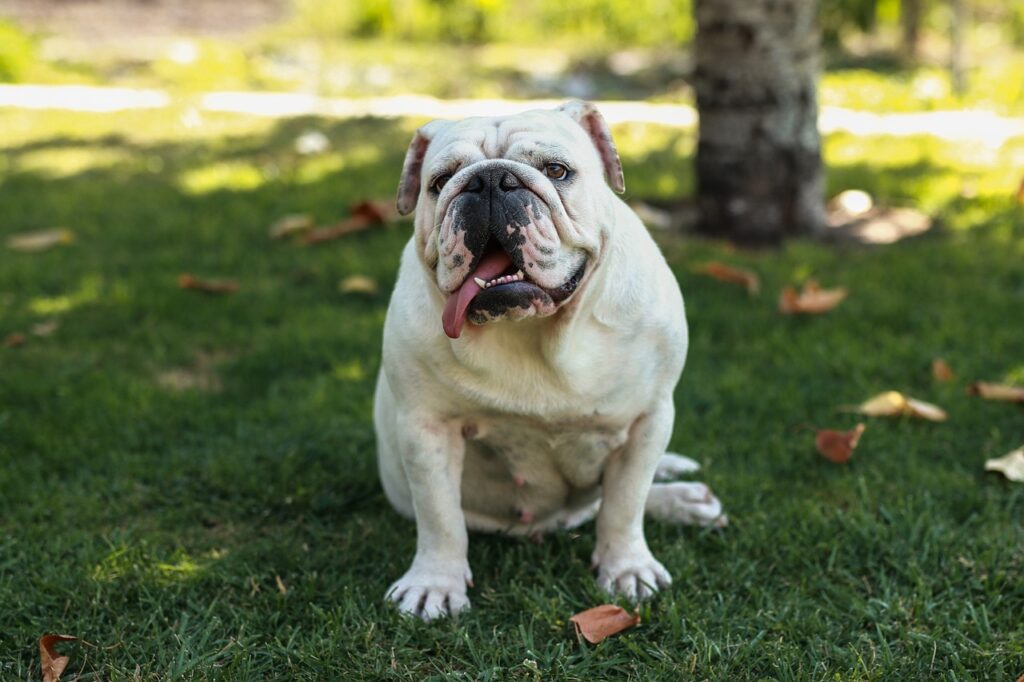
Bulldogs, with their adorably wrinkled faces, are known for their loving nature, but they also face serious breathing challenges. Their short muzzles and narrow airways make it difficult for them to cool down efficiently, a problem exacerbated by high temperatures. In a climate where the mercury soars, bulldogs are prone to overheating and exhaustion. Constant access to shade and water, along with limited outdoor activity during peak heat, can help them stay comfortable.
2. Pugs: Overheating Concerns

Pugs, with their compact bodies and distinctive flat faces, are beloved for their playful disposition. However, their physical structure makes them susceptible to the dangers of a desert environment. The short nasal passages in pugs impair their ability to pant effectively, a primary mechanism dogs use to cool down. As a result, they can quickly overheat. Providing a cool, shaded space and avoiding midday walks are crucial for pug owners in desert regions.
3. Breathing Woes for Shih Tzus

Shih Tzus, known for their luxurious coats and affable nature, face significant challenges in arid settings. Their thick fur provides insulation, which, while excellent in cold climates, becomes a hindrance in the heat. Coupled with a flat face, Shih Tzus struggle with efficient breathing and temperature regulation. Regular grooming to thin their coat, alongside ample water and air conditioning, helps them navigate the challenges of hot, dry regions.
4. Why Saint Bernards Struggle
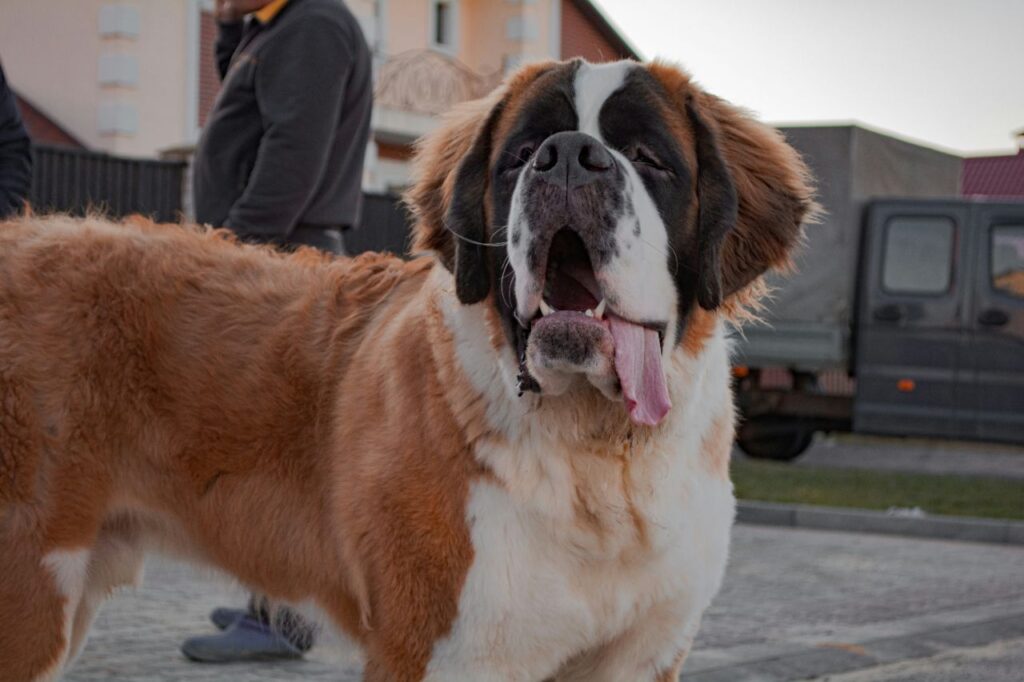
Saint Bernards are gentle giants known for their thick, dense coats which were originally designed to protect them from the harsh cold of the Alps. However, when placed in arid, scorching environments such as those found in desert states like Arizona and Nevada, they can face significant challenges. Their impressive fur becomes a liability, leading to overheating. These dogs are more comfortable in cooler climates, where they can frolic without risking heatstroke. Frequent grooming and hydration are crucial for their well-being in hotter regions.
5. Newfoundlands in Hot, Dry Conditions
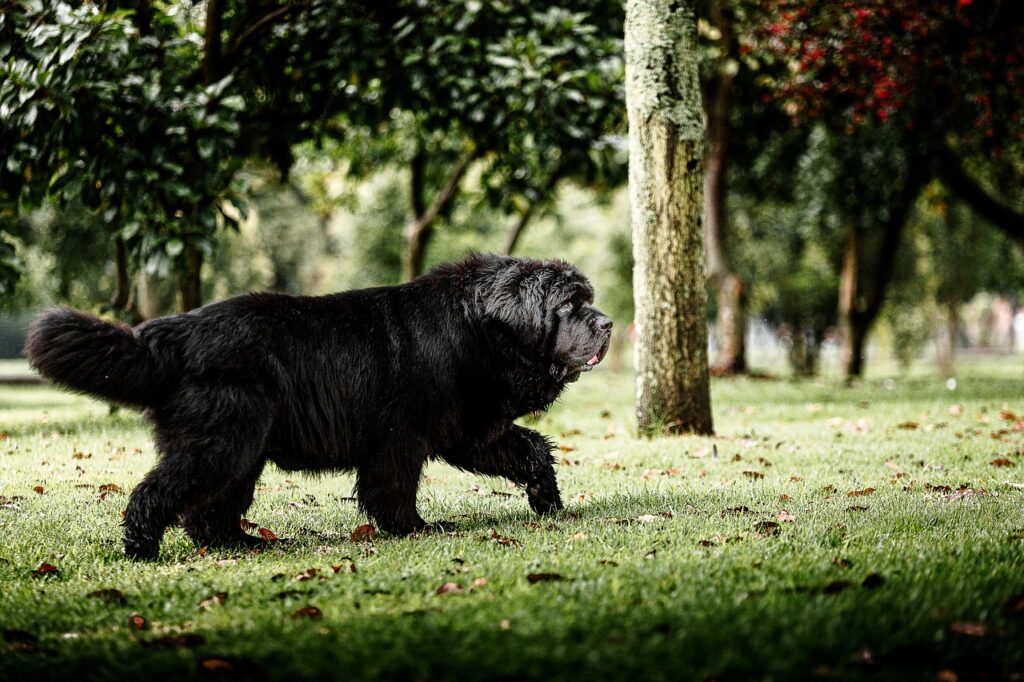
Newfoundlands, like their Saint Bernard counterparts, are coated in thick, dark fur that excels in water and cold but struggles against extreme heat. Bred as working dogs for cold maritime environments, they thrive in cooler, damp climates. The dry, relentless heat of desert areas can lead to overheating and severe discomfort. Owners in these areas must take precautionary measures, such as shade and air conditioning, to ensure these gentle giants remain healthy and happy.
6. Chow Chows’ Temperature Sensitivity
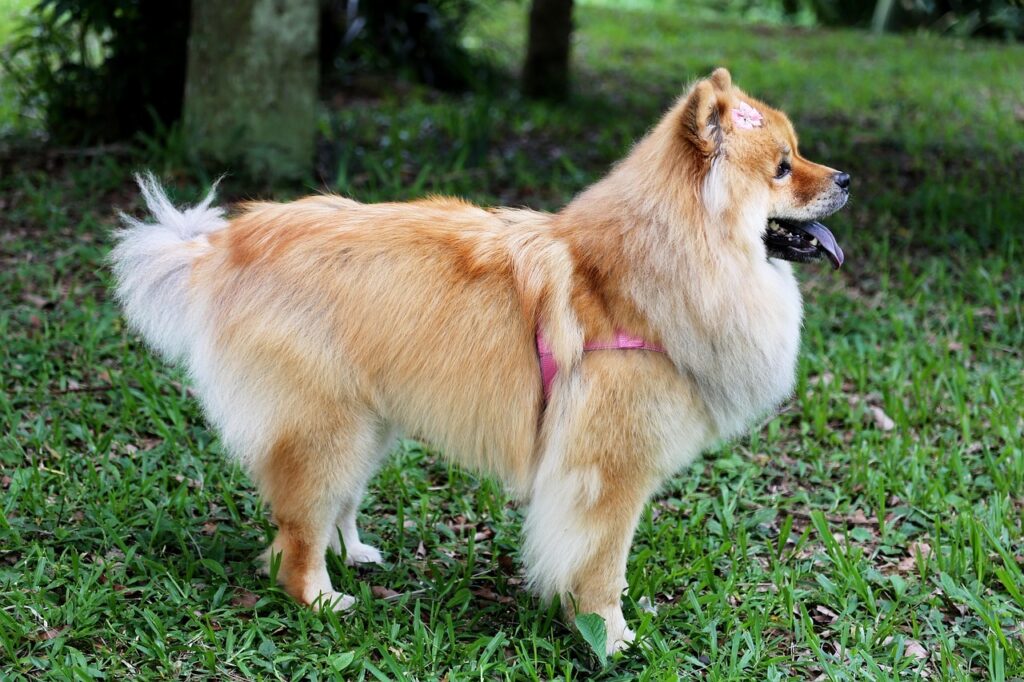
Chow Chows are majestic creatures with a noble demeanor and a dense, fluffy coat that offers little relief from arid desert climates. Their lush fur traps heat, posing risks in high temperatures common in states like Arizona. Chow Chows also have a unique scowl and deep-set eyes that require attentive care to prevent overheating and heatstroke. Proper care for these fluffy companions in hot climates includes avoiding peak sun hours and ensuring they have access to plenty of water and shade.
7. Basset Hounds: Keeping Cool
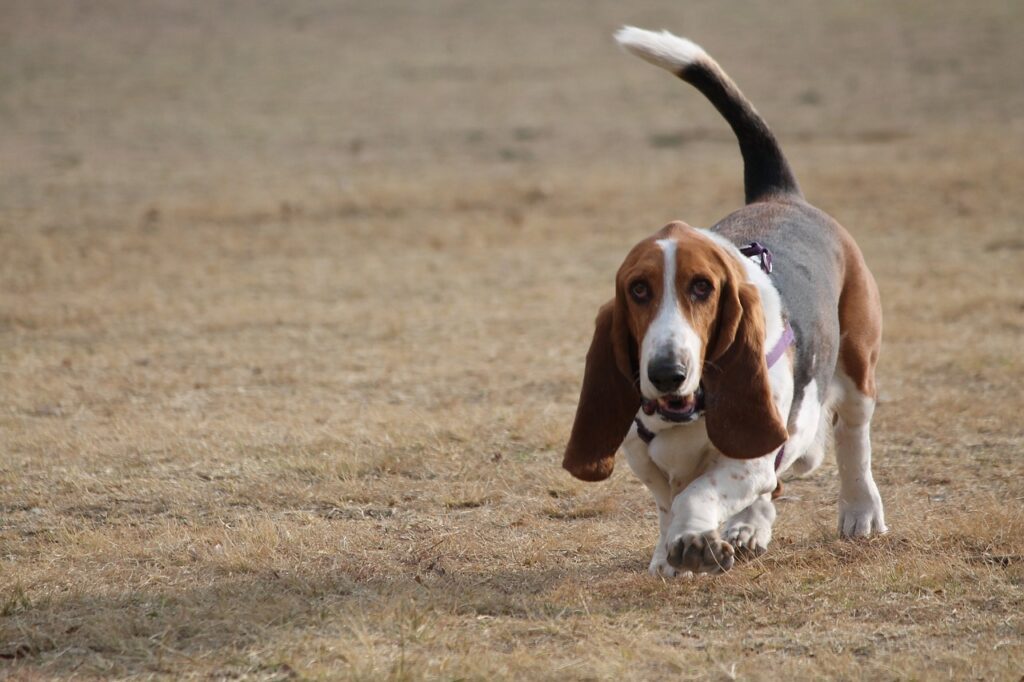
Basset Hounds, with their short stature and long ears, are not the immediate breed that comes to mind when considering heat intolerance. However, their unique build and excess skin can hinder efficient heat dissipation. Although their short coat may seem suitable for warm climates, the blazing heat of the desert can still overwhelm these lovable dogs. Ensuring they have a cool, shaded resting place and access to fresh water can help manage their temperature in sweltering desert conditions.
8. Alaskan Malamutes: Built for the Snow, Not the Sand
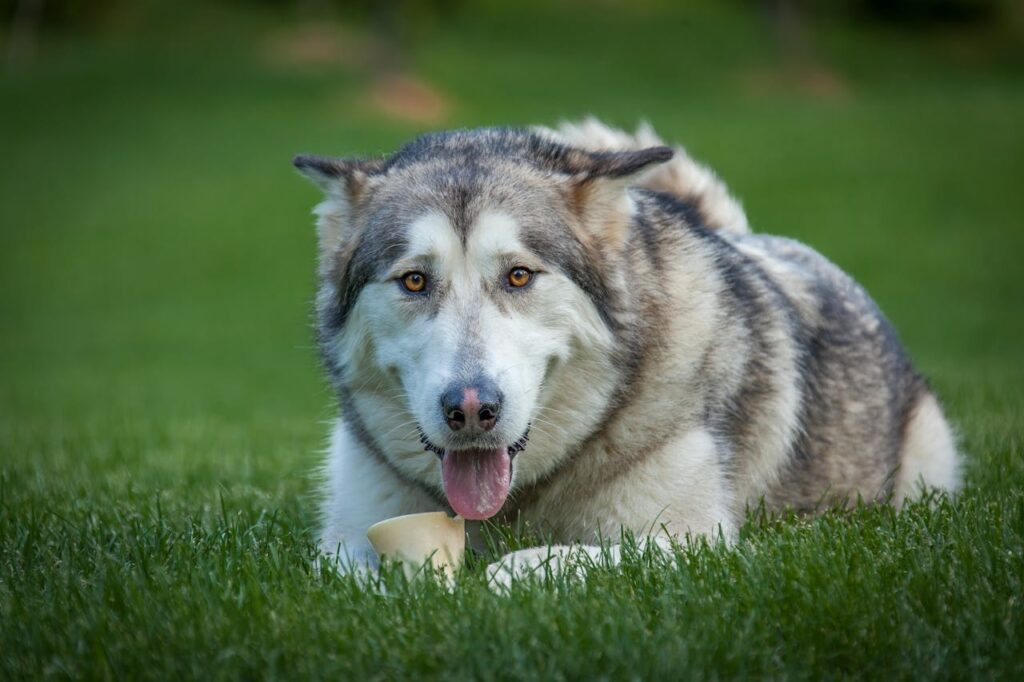
Alaskan Malamutes are powerful sled dogs bred for Arctic endurance, boasting a thick double coat designed to insulate against frigid temperatures. In desert environments, however, this same insulating fur works against them, trapping heat and making it difficult for their bodies to cool down. The dry, scorching air of states like Nevada or Arizona can quickly lead to heat stress or dehydration. Regular grooming to reduce excess undercoat, combined with limited outdoor activity during peak hours, is vital to help these northern natives adjust to a southern sun.