

Dogs are known for their ability to communicate through barking, a behavior that ranges from endearing to essential for many owners. While some breeds are famously loud and expressive, others are remarkably quiet, barely making a sound unless necessary. Choosing the right dog for your home often depends on whether you appreciate a vocal companion or prefer a more subdued presence. Here we dive into eight breeds celebrated for their barking prowess and five breeds that are known for their calm and quiet demeanor.
1. Chihuahua: Tiny Dog, Big Voice
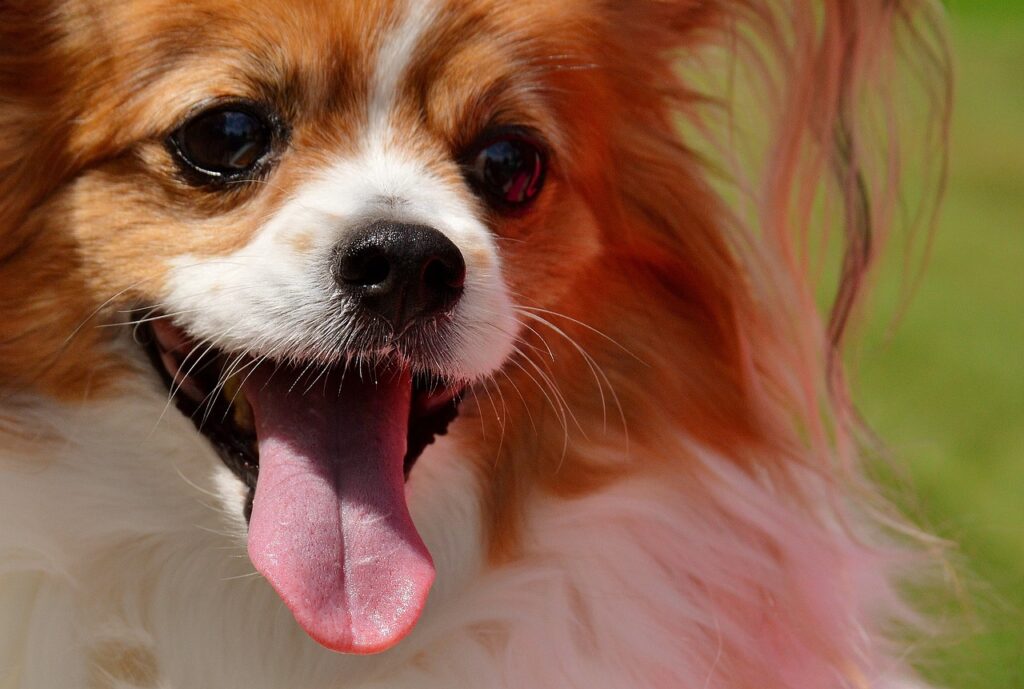
Chihuahuas may be small in size, but their voices are anything but tiny. Known for their feisty personalities, these dogs are quick to bark at anything they perceive as a threat or simply to get your attention. Despite weighing only a few pounds, Chihuahuas often see themselves as protectors of their territory and will vocalize their concerns without hesitation. Their sassy demeanor makes them endearing, but it also requires a patient owner who can train them to control their barking. Early socialization and keeping them engaged with activities can help manage their vocal tendencies.
2. Maltese: Lively And Protective

The Maltese is a breed often associated with elegance and charm, thanks to its flowing white coat. However, beneath that glamorous exterior lies a dog that loves to bark. Maltese are highly alert and protective. Their barking is not just about protection—these dogs also vocalize their joy and excitement. A happy Maltese will often wag its tail while letting out cheerful barks. While their vocal nature can be managed with consistent training, it’s important to understand that their barking is often their way of looking out for you.
3. Siberian Husky: The Howling Communicator

Siberian Huskies are famous not just for their barks but also for their distinctive howls. These energetic and intelligent dogs have a natural inclination to be vocal, often using their voices to express a range of emotions. Originally bred as sled dogs, their howls were a practical way to communicate over long distances in icy terrain. Huskies are known for their dramatic personalities and will often “talk” to their owners through a combination of howls, barks, and whines. Keeping a Siberian Husky entertained is crucial to curbing excessive vocalization.
4. Miniature Schnauzer: Bold And Vocal Watchdog

Miniature Schnauzers are small in size but pack a big bark. Known for their distinctive bearded faces and spirited personalities, these dogs are incredibly alert and quick to sound the alarm. They were originally bred as farm dogs to guard property and keep vermin at bay, which explains their instinct to bark at anything unusual. These intelligent terriers thrive on activity and love being involved in family life. However, their tendency to vocalize requires consistent training to manage. Early socialization and engaging activities can help prevent excessive barking.
5. Poodle: Clever Canine With A Lot To Say

Poodles, whether standard, miniature, or toy, are known for their intelligence and vocal nature. These dogs are quick to bark when they sense something amiss or when they’re trying to get your attention. Poodles are highly perceptive, often using their barking as a way to communicate their needs or alert you to potential issues. Their cleverness means they’re easy to train, but they also require mental stimulation to keep them happy. Without enough activity or engagement, a Poodle might resort to excessive barking out of boredom.
6. Fox Terrier: Energetic And Vocal

Fox Terriers are small but mighty when it comes to their energy and barking tendencies. These dogs were originally bred for hunting small game, and their alertness and drive make them natural barkers. They’re always on the lookout for anything that might catch their attention, ready to vocalize their findings. Fox Terriers have a strong prey drive and love to chase, which often leads to barking during play or when they’re excited. Training them to manage their barking can be a challenge due to their strong-willed nature, but with patience and consistency, it’s achievable.
7. West Highland White Terrier: Cuddly And Vocal

West Highland White Terriers, often called Westies, are small, affectionate dogs known for their bold personalities and love for barking. They’re highly alert and eager to let you know about anything unusual happening in their surroundings. Their strong prey drive and curiosity make them enthusiastic watchdogs. Westies thrive on companionship and enjoy being part of the family’s daily activities. However, their vocal tendencies can become excessive without proper training and engagement. Regular exercise and mental stimulation can help keep their barking under control.
8. Yorkshire Terrier: Tiny Yet Vocal

Yorkshire Terriers, or Yorkies, may be one of the smallest dog breeds, but their barks can fill a room. These confident little dogs are quick to vocalize their opinions, whether it’s to alert you of something new or simply to demand attention. Yorkies were originally bred as rat hunters, and their alertness and energy reflect their working dog roots. Training a Yorkie to manage its barking can be challenging due to its strong-willed nature, but consistent efforts can make a big difference. These dogs are perfect for owners who love a pet with a big personality in a small package.
9. Basenji: The Barkless Wonder

The Basenji, often called the “barkless dog,” is unique for its quiet nature. Basenjis are not entirely silent while they don’t bark like most breeds. They produce a distinctive yodel-like sound known as a “barroo,” which adds to their charm. Originating from Africa, these hounds were bred for hunting and are known for their independence and intelligence. Basenjis have a short, low-maintenance coat and are often described as cat-like due to their grooming habits. They thrive in active households where they can expend their energy and satisfy their curious nature.
10. Cavalier King Charles Spaniel: The Quiet Companion

Cavalier King Charles Spaniels are adored for their friendly and affectionate nature, and their quiet demeanor only adds to their appeal. These toy-sized dogs are well-suited for city living, as they are rarely inclined to bark without reason. Their calm and gentle personality makes them fantastic companions for families and individuals alike. With their silky coats and soulful eyes, Cavaliers are easy to care for and love being around their owners. While they enjoy short bursts of playtime, they are just as content lounging by your side.
11. French Bulldog: The Chill Entertainer

French Bulldogs are small, muscular dogs with a reputation for being laid-back and quiet. Their playful nature doesn’t typically manifest in barking, making them great pets for apartment dwellers. Frenchies are social and thrive on human interaction, often amusing their owners with their quirky personalities and expressive faces. Due to their brachycephalic (short-nosed) structure, French Bulldogs are not suited for intense physical activity and prefer moderate exercise, like leisurely walks.
12. Bulldog: The Gentle Sleeper

English Bulldogs are well-known for their calm and docile temperament. These sturdy dogs are content to spend their days lounging on the couch and rarely feel the need to bark. Their easygoing nature makes them excellent pets for quiet households or those with a more laid-back lifestyle. Bulldogs are highly affectionate and loyal, often forming strong bonds with their families. While they enjoy short walks, they’re not overly active and prefer resting indoors. Their minimal barking and relaxed demeanor make them perfect companions for anyone looking for a peaceful and loving pet.
13. Bernese Mountain Dog: The Gentle Giant

Bernese Mountain Dogs are large, gentle dogs that are as quiet as they are affectionate. Originally bred as working dogs in the Swiss Alps, these dogs are known for their calm and steady demeanor. They bark only when necessary, such as to alert their owners of something unusual. Despite their size, Bernese Mountain Dogs are incredibly gentle and great with children, making them ideal for families. They have a thick, beautiful coat that requires regular grooming and a temperament that’s both friendly and composed.
Love Pets as Much as We Do?

Scroll up and click the ‘Follow’ button to stay updated with the latest heartwarming, hilarious, and helpful pet posts from Pawdown, delivered straight to your Microsoft Start feed and MSN homepage!