
Water can be a source of joy or discomfort for different farm animals. Some animals thrive in water, using it for cooling, bathing, or even socializing, while others actively avoid it due to instinct, health risks, or discomfort. Understanding which animals enjoy the water and which despise it helps farmers and pet owners create suitable environments. Some species need access to water for their well-being, while others may suffer from exposure, leading to stress or disease. Let’s explore which farm animals love water and which would rather stay dry.
1. Ducks
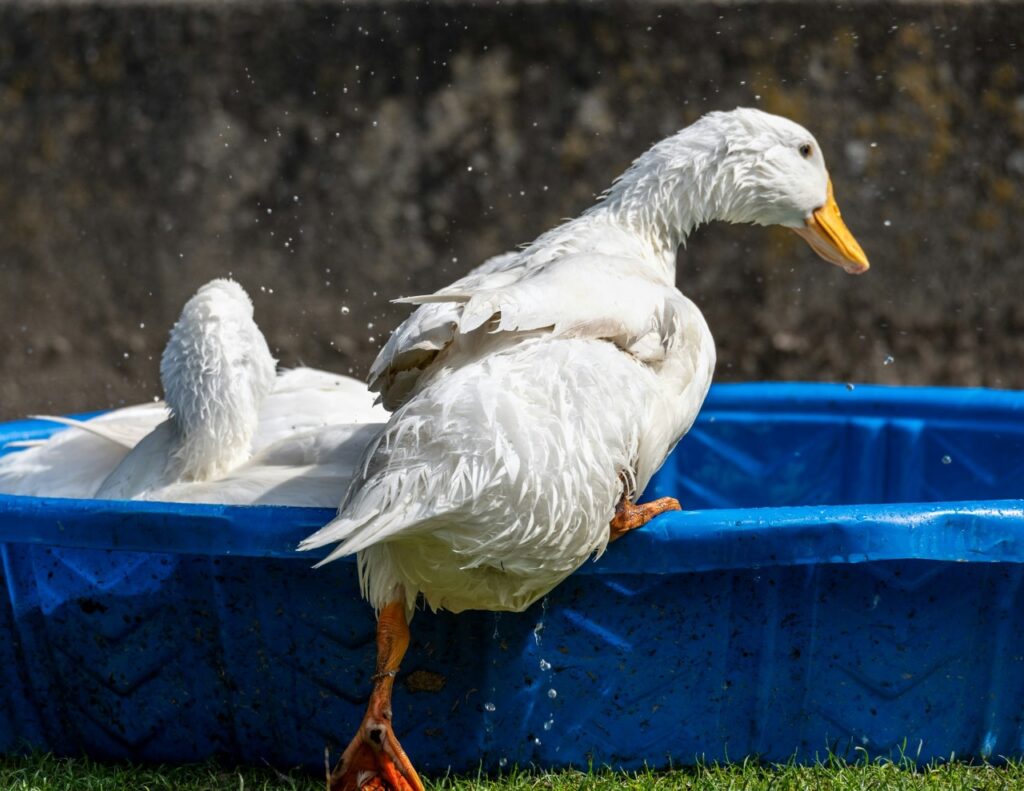
Ducks are natural swimmers, spending much of their time in ponds or water bodies. Their waterproof feathers keep them buoyant, and their webbed feet allow for smooth movement. Ducks rely on water not only for bathing but also for feeding, as they dabble and filter food from the water. Their preen gland produces oil, ensuring their feathers remain resistant to water absorption. Without regular access to water, ducks may develop health issues, including dry skin and clogged nostrils. Providing a clean water source enhances their well-being and supports their natural behaviors.
2. Geese

Geese are highly aquatic birds that thrive in lakes, rivers, and ponds. They use water for swimming, bathing, and foraging for aquatic plants. Their powerful wings and sturdy legs make them excellent swimmers, and they often migrate long distances over water. Water access is essential for their hygiene, as it helps them maintain feather health and prevent parasites. Without enough water, geese may exhibit signs of stress and discomfort. Their natural love for water is deeply ingrained, making it a crucial element in their daily lives on a farm.
3. Pigs
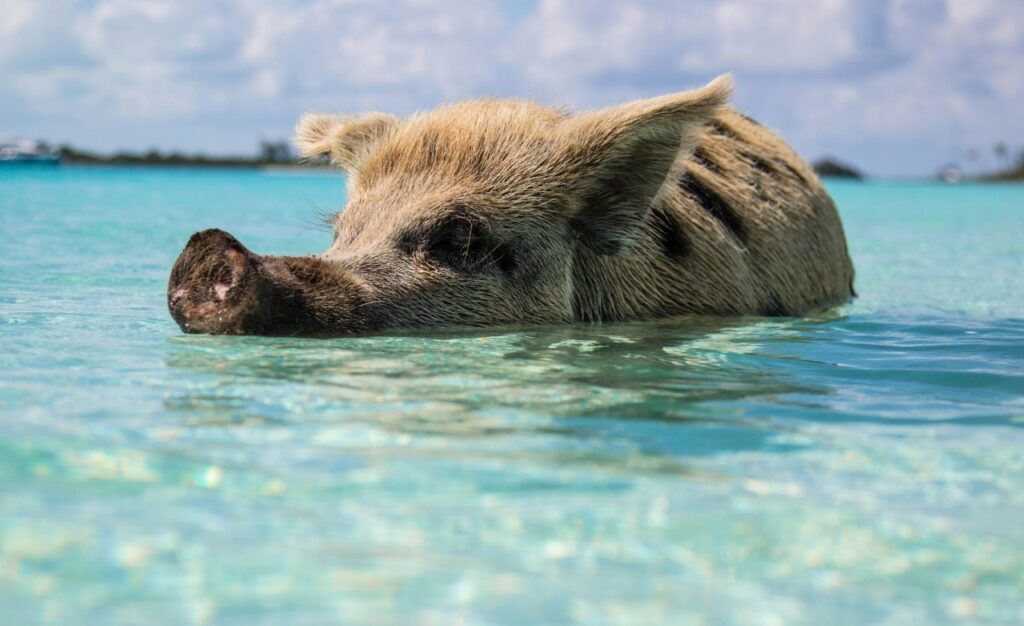
Despite their muddy appearance, pigs love water and require it for thermoregulation. Since they lack functional sweat glands, pigs rely on water or mud baths to cool off during hot weather. Wallowing in mud helps prevent sunburn and insect bites, keeping their skin healthy. Providing fresh drinking water and a shallow pool reduces heat stress and improves their overall comfort. Without water access, pigs can overheat quickly, leading to health complications. Ensuring they have a consistent supply of clean water enhances their quality of life and prevents dehydration-related issues.
4. Water Buffalo
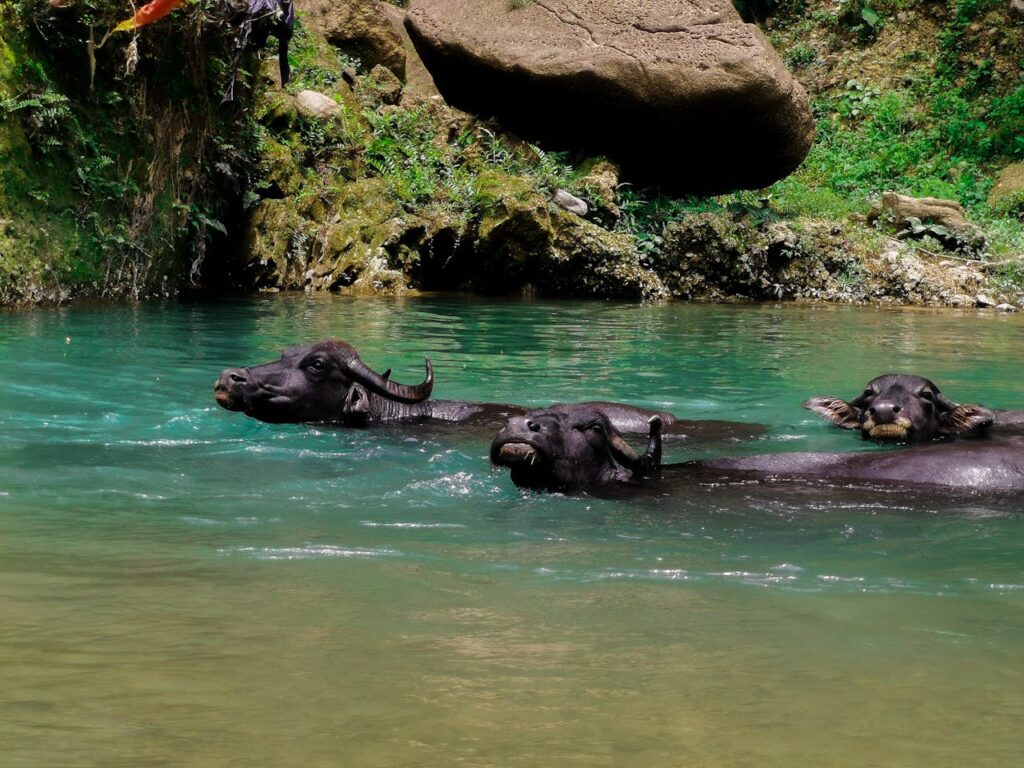
As their name suggests, water buffaloes are strongly associated with water. Originating from swampy regions, they thrive in marshlands and rice paddies. Their thick hides and large bodies retain heat, making water essential for cooling. These animals spend hours submerged to regulate body temperature and escape pests. Their ability to swim efficiently makes them valuable in agricultural settings where water sources are abundant. Without water access, they may become stressed and less productive. Farmers raising water buffalo should ensure they have mud wallows or shallow ponds to meet their natural needs.
5. Swans
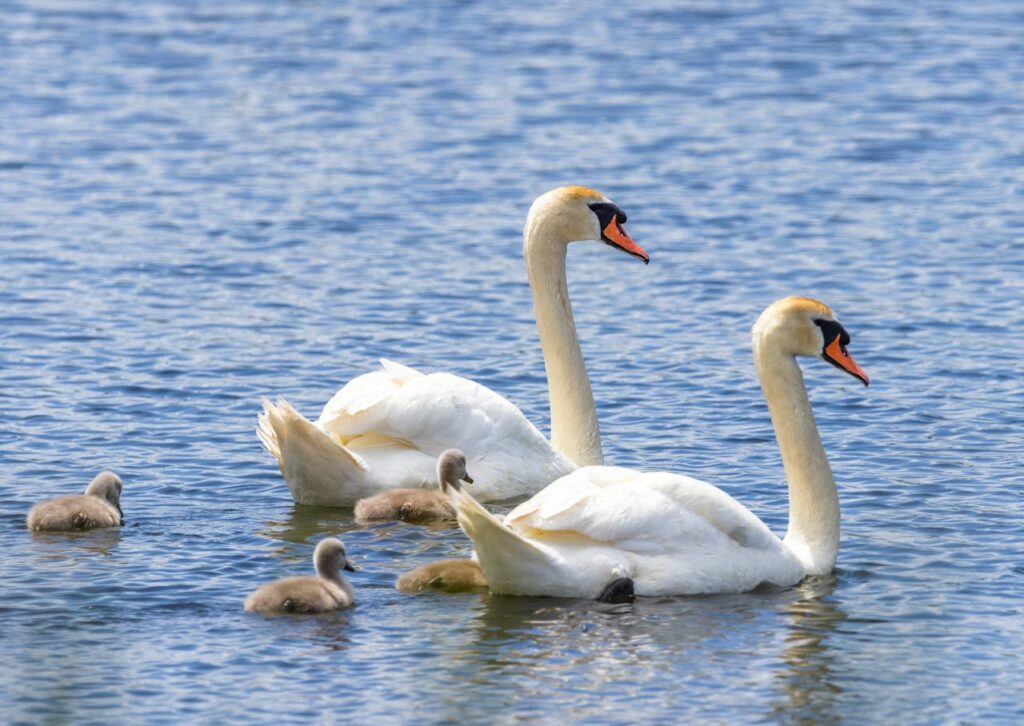
Swans are graceful, aquatic birds that rely on water for feeding, grooming, and socializing. Their long necks help them reach underwater vegetation, while their buoyant bodies allow for effortless gliding. These birds form strong bonds, often seen floating together on lakes or rivers. Their water-loving nature is essential for survival, as they use it to evade predators and maintain feather integrity. Swans require clean water for their habitat, and without it, they may become agitated or unhealthy. Keeping them near ponds or large water sources ensures their well-being and natural behaviors.
6. Frogs (Farm-Friendly Amphibians)
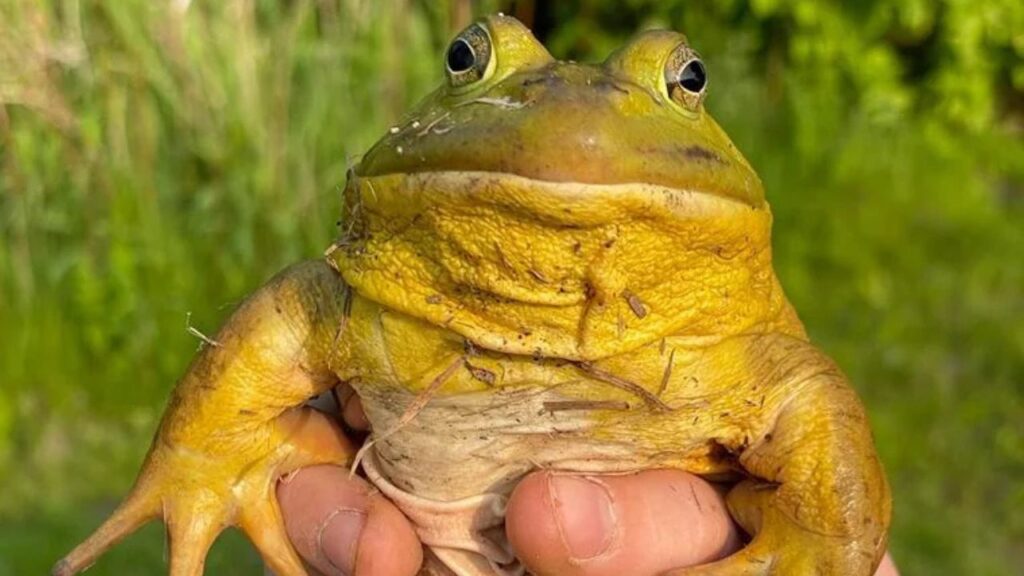
Although not traditional farm animals, frogs play a vital role in pest control on farms. They require water for breeding and hydration. Many farmers welcome frogs because they help reduce insect populations naturally. Frogs thrive in ponds, wetlands, and damp areas, making water a critical component of their environment. Without sufficient moisture, they can dehydrate and perish quickly. Farms with natural water bodies or artificial ponds provide excellent habitats for frogs, allowing them to contribute to ecological balance by preying on pests that could harm crops and livestock.
7. Cows (Especially Dairy Cows)

Cows, particularly dairy breeds, consume large amounts of water daily. A lactating cow can drink between 68 and 155 liters per day. Some cows also enjoy standing in shallow water to cool off during hot weather. Access to clean water is essential for their digestion, milk production, and body temperature regulation. Dehydration can lead to lower milk yields and health problems. While they don’t actively swim, cows appreciate water-rich environments and may wade into ponds or streams to escape the heat. Farmers must ensure constant water availability to maintain their health and productivity.
8. Horses (With a Preference for Wading)

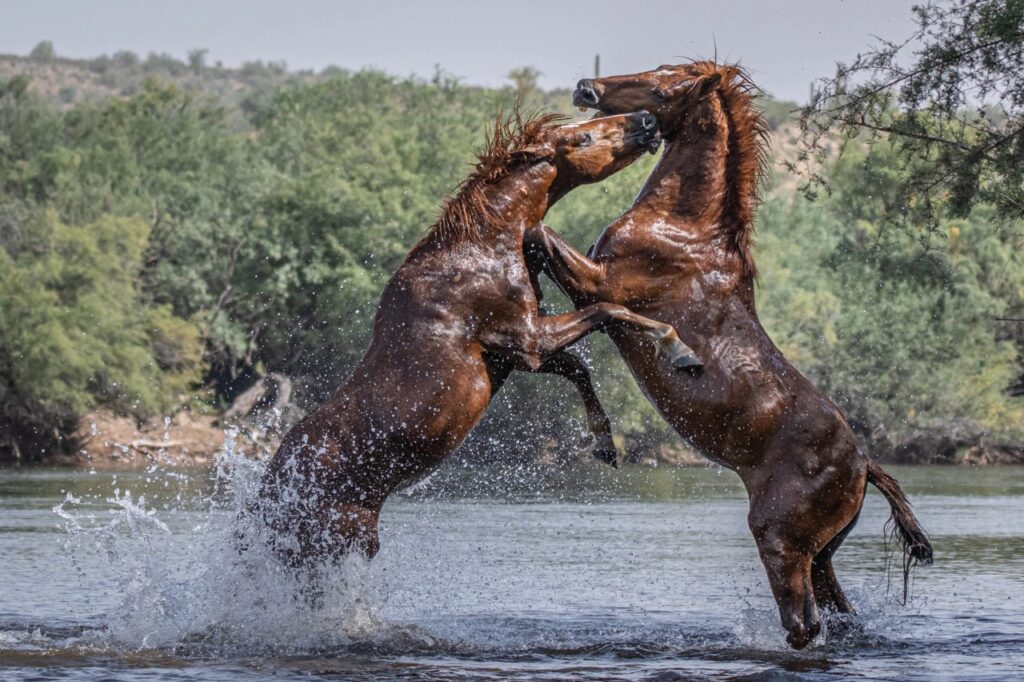
Horses don’t typically swim for leisure, but many enjoy wading into shallow waters to cool off. Some breeds, especially those used for endurance or working in warm climates, seek out water for relief. Horses may also play in water, splashing with their hooves. However, they require clean and safe water sources, as stagnant or muddy water can lead to infections. While they don’t need a pond like ducks or geese, access to fresh drinking water and occasional wading opportunities can enhance their comfort and health on a farm.
Farm Animals That Hate Getting Wet
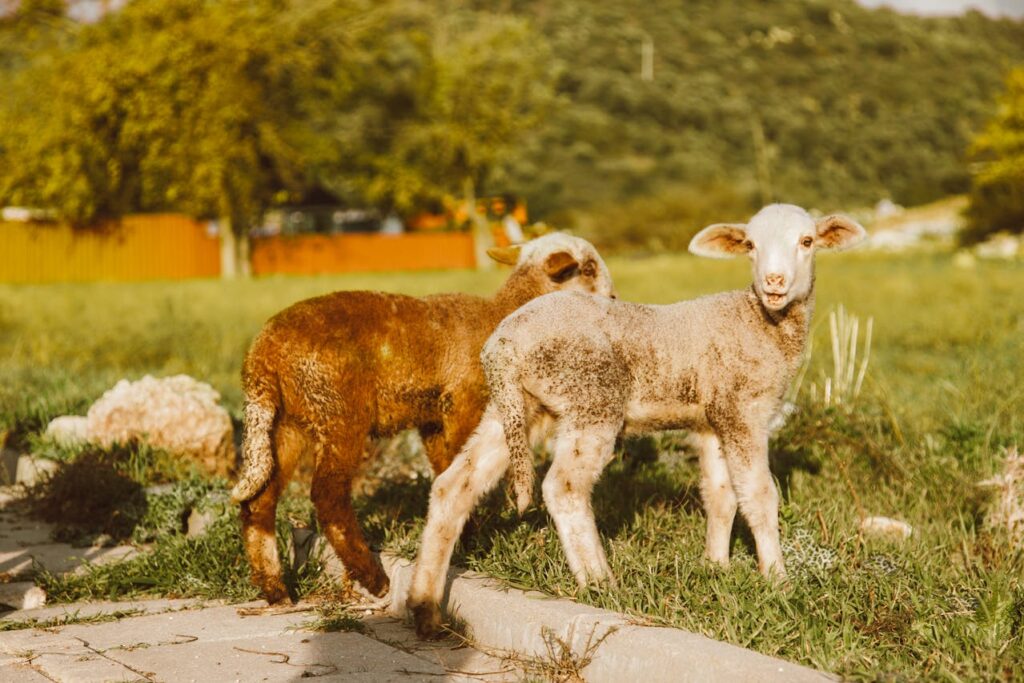
While some farm animals thrive in water, others instinctively avoid it. For these animals, getting wet can lead to stress, health issues, or even life-threatening conditions. Unlike ducks or pigs that enjoy water for bathing and cooling, certain species struggle with wet environments due to their fur, feathers, or hooves. Excess moisture can cause infections, respiratory problems, and discomfort. Understanding which animals dislike water helps farmers provide proper shelter and care. Protecting these animals from rain, puddles, and damp conditions ensures their health and well-being, just as water-loving animals thrive when given access to aquatic spaces.
1. Goats
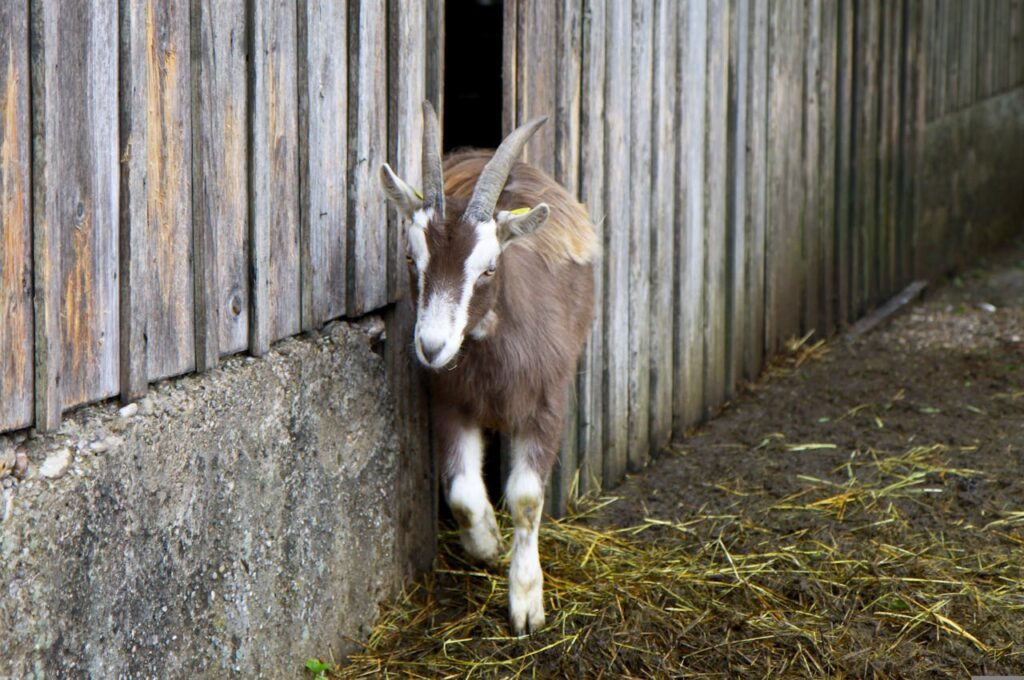
Goats despise water and will go to great lengths to avoid rain or puddles. Their natural instincts prevent them from walking on slippery or unstable surfaces, as a fall could make them vulnerable to predators. Wet conditions can also lead to hoof rot and fungal infections. Dairy goats, in particular, are sensitive to excessive moisture, which can cause respiratory issues. When bathing goats for shows or health reasons, farmers must dry them thoroughly to prevent illness. Keeping them in dry, well-ventilated shelters ensures their comfort and well-being.
2. Sheep

Sheep have thick wool that absorbs water, making them heavy and uncomfortable when wet. If their fleece remains damp for too long, they are prone to skin infections and hypothermia. Unlike some animals that shake off excess water, sheep struggle to dry quickly, leading to potential health risks. Farmers often provide shelters to protect them from rain and maintain dry bedding to prevent foot rot. While sheep need drinking water, they avoid standing in puddles or mud whenever possible. Their aversion to wet conditions helps them stay warm and healthy.
3. Chickens

Chickens prefer to stay dry because wet feathers can lead to chilling and disease. Unlike ducks or geese, their feathers are not waterproof, making them susceptible to cold weather when wet. A damp environment can cause respiratory issues and fungal infections in their feet. Farmers often provide covered coops and avoid placing waterers in areas where chickens might get soaked. While they enjoy dust baths to maintain cleanliness, they instinctively avoid water and mud. Keeping their living space dry reduces health risks and keeps them comfortable year-round.
4. Alpacas
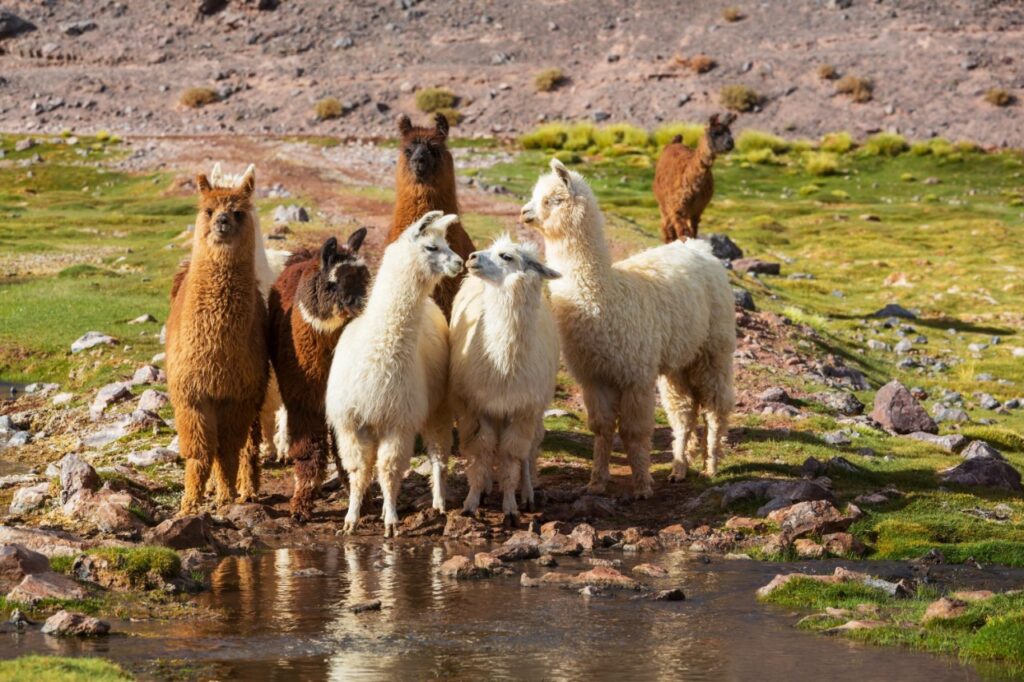
Alpacas are sensitive to wet conditions, especially in cold weather. Their dense fleece can become waterlogged, leading to chilling and stress. Prolonged exposure to dampness can also cause skin issues. Unlike some farm animals that roll in mud to cool off, alpacas prefer dry environments. Farmers ensure they have shelters during rain and provide dry spaces for resting. While they need fresh drinking water, they instinctively avoid standing water. Proper herd management includes monitoring weather conditions and ensuring alpacas remain dry to maintain their fiber quality and overall health.
5. Donkeys
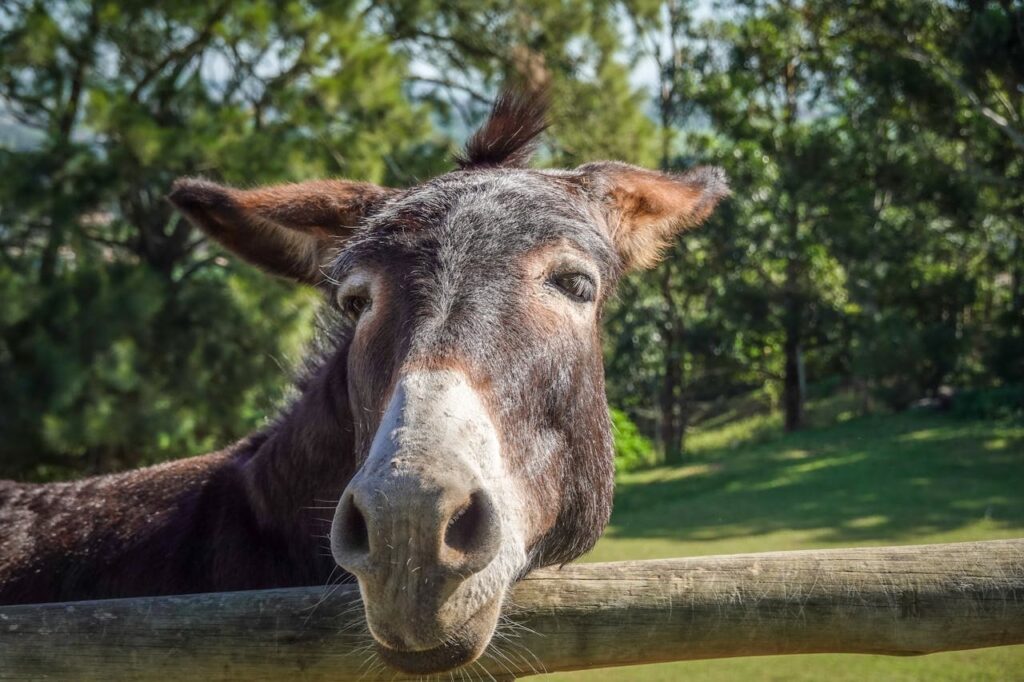
Donkeys have evolved in dry, arid environments and dislike getting wet. Their coats do not repel water effectively, making them prone to chills in damp weather. Unlike horses, which may enjoy splashing in water, donkeys prefer to stay on dry ground. Wet conditions can also lead to hoof problems, as excessive moisture softens their hooves and makes them more vulnerable to infections. Providing dry shelters and keeping their pastures well-drained helps prevent health issues. Donkeys thrive best when kept away from excessive rain and mud.
6. Rabbits (Farm Varieties)
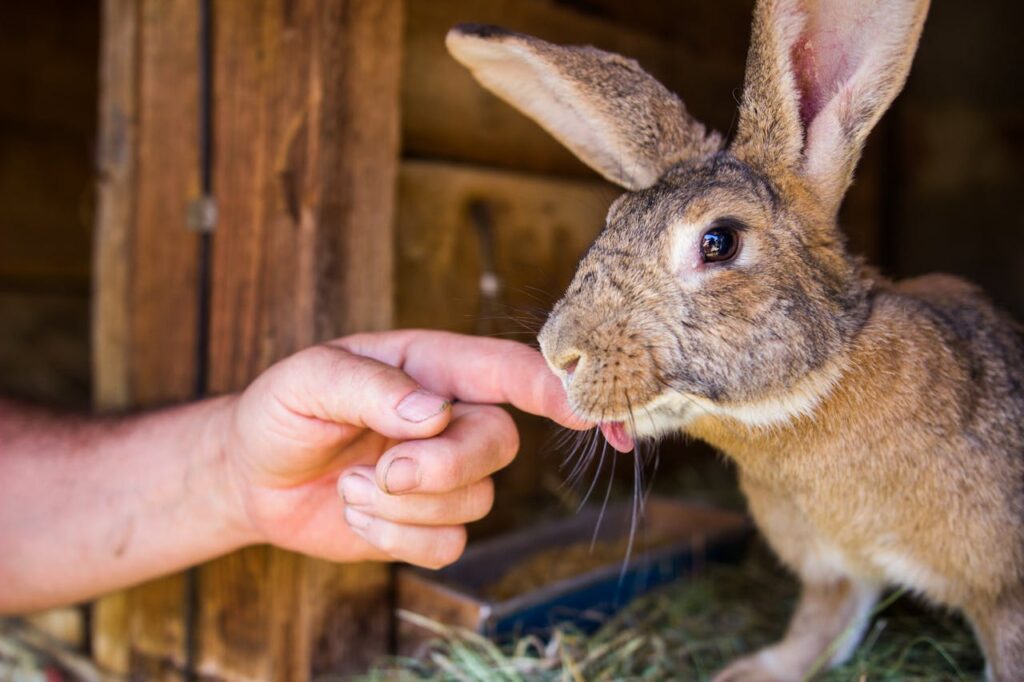
Farm rabbits dislike water exposure, as their dense fur takes a long time to dry. Wet fur can lead to hypothermia, skin infections, and stress. Unlike other animals, rabbits cannot efficiently shake off water, making them vulnerable to cold and illness. Farmers ensure their hutches are covered and dry, preventing damp conditions that can cause respiratory problems. While they need fresh drinking water, they instinctively avoid standing water. Bathing is discouraged, as it can cause panic or shock. Keeping their bedding dry and well-ventilated is crucial for their health and comfort.
7. Turkeys

Turkeys dislike wet conditions, as their feathers are not waterproof, making them prone to chilling and illness. Damp feathers increase the risk of respiratory infections and foot diseases like bumblefoot. Farmers provide covered coops and ensure proper drainage to keep them dry. While turkeys need plenty of drinking water, they instinctively avoid standing water and muddy areas. Wet conditions also increase stress, reducing their overall health and productivity. Ensuring a dry environment with good ventilation and clean bedding helps turkeys stay comfortable and disease-free.
8. Cats (Farm Cats)
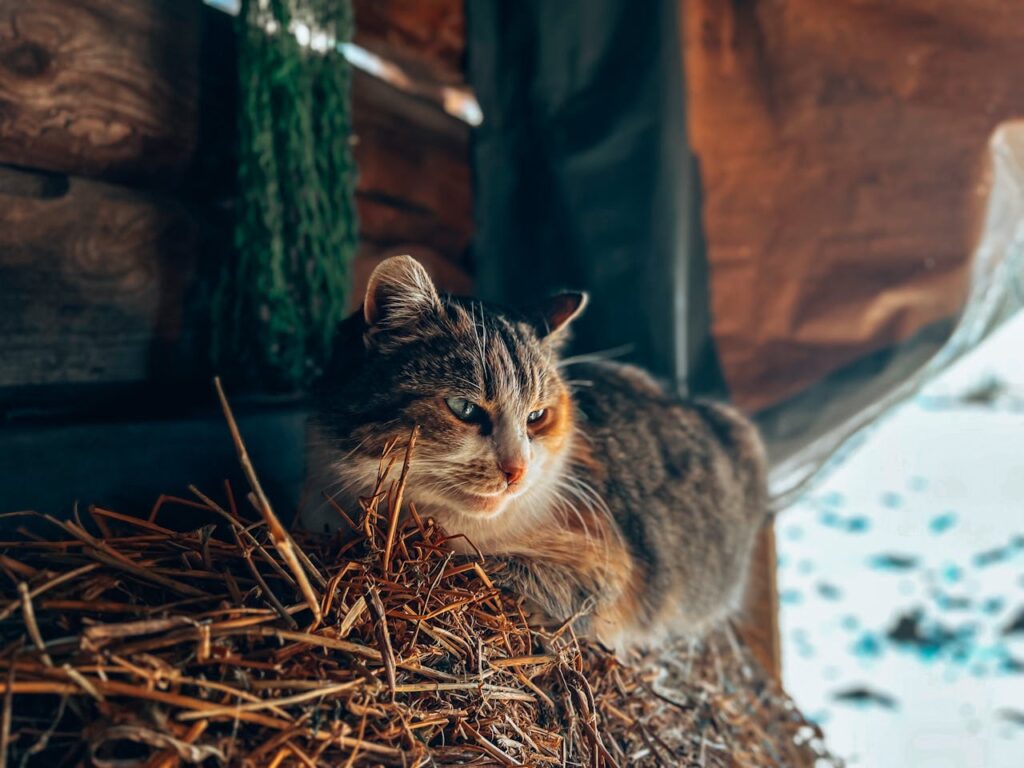
Farm cats, like their domestic counterparts, have a strong aversion to water. Their fur absorbs moisture, reducing insulation and making them uncomfortable. Wet fur can lead to chilling, skin irritation, and fungal infections. Unlike some farm animals, cats do not need water for cooling and will instinctively seek shelter from rain. They prefer dry bedding in barns, sheds, or sheltered areas. While they need fresh drinking water, they avoid standing water and wet environments. Providing dry, warm spaces ensures their comfort and helps maintain their effectiveness as rodent hunters.
Love Pets as Much as We Do?

Scroll up and click the ‘Follow’ button to stay updated with the latest heart-warming, hilarious, and helpful pet posts from Pawdown, delivered straight to your Microsoft Start feed and MSN homepage!