
Farm life has an undeniable charm — the soft clucking of hens, the playful bounce of goats, and the gentle nuzzle of a curious pig. Some animals fit seamlessly into a peaceful, pet-like role, bringing both joy and practicality. Others, however, come with hidden challenges that demand more time, space, and effort than you might expect. Whether you’re dreaming of a backyard farm or a sprawling homestead, understanding which animals make easy companions — and which are more work than they seem — is key to a happy, balanced farm life.
1. Chickens

Chickens are a perfect blend of practicality and personality. They don’t ask for much — just a secure coop, clean water, and a steady supply of feed — yet they reward their owners with fresh eggs almost daily. Surprisingly social, chickens can recognize their caretakers and often enjoy gentle handling when raised from chicks. While predators are a concern, their day-to-day care is simple. For small farms or backyard setups, chickens are easygoing companions that bring both nourishment and a bit of feathered charm to farm life.
2. Goats

Goats are bundles of energy and charm. Known for their playful personalities and sharp intelligence, they’re great for both milk production and companionship. These curious escape artists need sturdy fencing but thrive on a varied diet and adapt well to most climates. Many owners find their bond with goats surprisingly strong, with these animals often following them around like dogs. With the right space and care, goats are a fun and rewarding addition to any farm.
3. Rabbits

Rabbits are small but full of personality, making them ideal farm pets for those with limited space. They’re quiet, reproduce quickly, and are easy to feed with hay, pellets, and vegetables. Their gentle nature makes them great for families, and they don’t require intensive care — just a secure hutch to keep them safe from predators. Whether kept for companionship or as sustainable livestock, rabbits are low-maintenance animals with a big impact.
4. Pigs

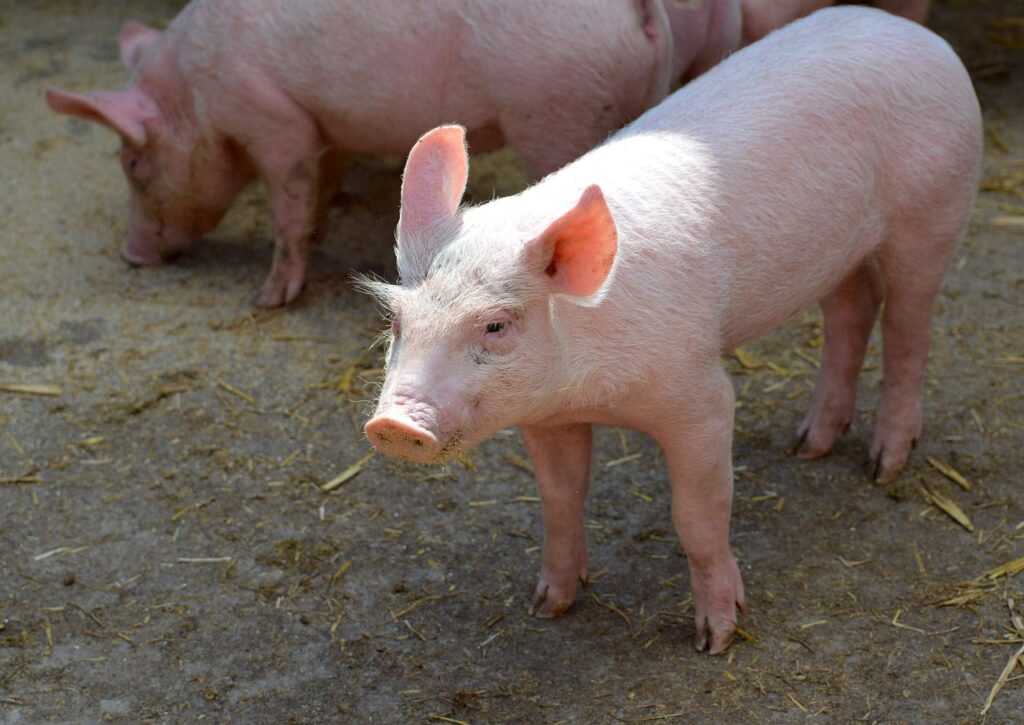
Pigs are surprisingly clever and affectionate animals. Despite their reputation, they are clean creatures when given space to root and wallow at their leaisure. Smaller breeds, like potbellied pigs, bond deeply with their owners and can be trained much like dogs. They need secure pens and access to both shade and mud but aren’t as high-maintenance as larger livestock. For those wanting a pet with personality and purpose, pigs are a fantastic farm companion.
5. Ducks
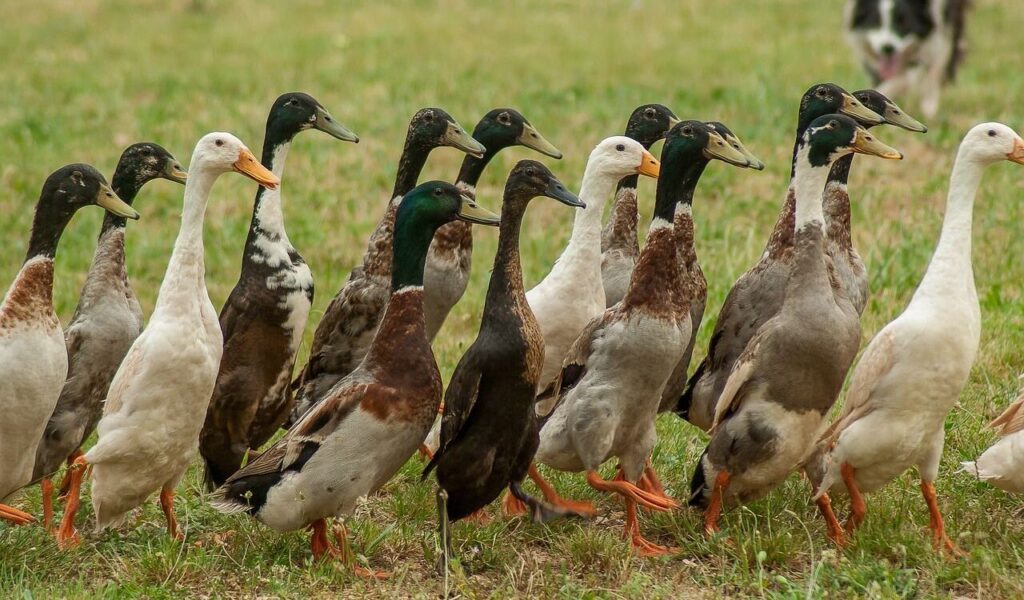
Ducks bring both charm and practicality to any farm. They’re not just fun to watch — they lay nutritious eggs, control pests by feasting on bugs and slugs, and require minimal care. Unlike chickens, ducks don’t need roosts or fancy coops — a simple, dry shelter and access to water keep them happy. They’re hardy, disease-resistant, and generally calm, making them easy to manage. With their gentle nature and useful habits, ducks strike the perfect balance between being low-maintenance and beneficial for farm life.
6. Honey Bees

Honey bees might not be the first “pet” that comes to mind, but they’re invaluable for both pollination and honey production. Requiring little space and only seasonal care, they offer huge rewards. A healthy hive provides fresh honey and boosts crop yields by supporting plant pollination. Beekeeping requires some learning, but once established, bees are independent workers. For those seeking a low-maintenance yet beneficial farm animal, honey bees are a sweet choice.
7. Guinea Hens
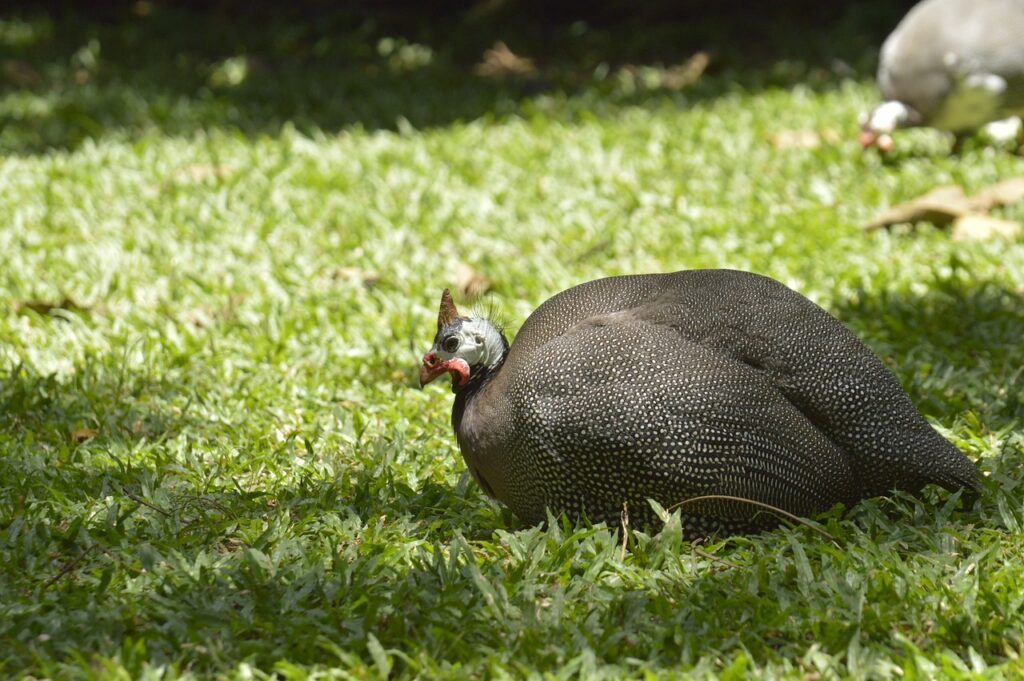
Guinea hens are fantastic for pest control, eating ticks, insects, and even small rodents. Unlike chickens, they are more self-sufficient and require less attention. They roam freely during the day but return to roost at night. While their loud calls might be a drawback for some, they make up for it with their natural ability to protect the farm from pests. With minimal care needed, guinea hens are a practical and low-maintenance addition to any homestead.
8. Turkeys

Turkeys are surprisingly friendly and social birds. Many owners are caught off guard by how affectionate they can be, often following people around like dogs. Heritage breeds, in particular, are hardy and easier to raise than their commercial counterparts. While they need proper shelter and a decent diet, they don’t require intense care. For those wanting a unique and interactive farm pet, turkeys offer both personality and practicality, all desirable in a pet.
Farm Animals That Are More Work Than You Think
Not every farm animal is as easygoing as they appear. While they may seem charming and manageable at first glance, some require far more care, space, and expertise than expected. From animals with complex diets to those needing constant supervision, these creatures can turn farm life into a full-time job. If you’re considering adding livestock to your homestead, it’s crucial to know which animals demand extra effort — and why they might be more work than you bargained for.
1. Sheep

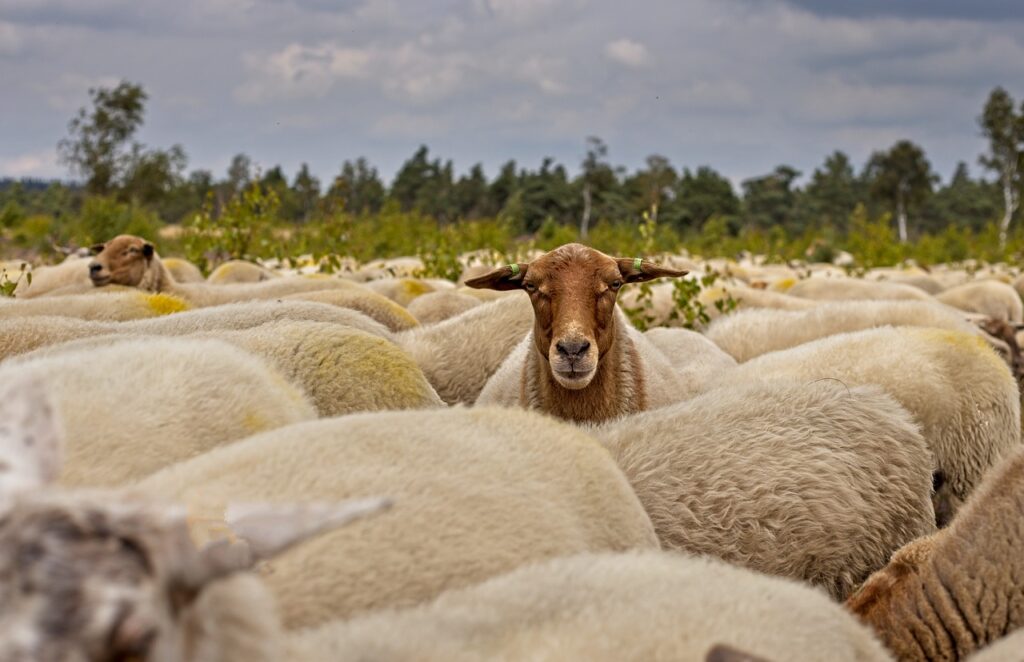
Sheep might seem like easy grazers, but they require more care than expected. Their wool needs regular shearing, they are prone to parasites, and their diet must be carefully managed. Unlike goats, sheep are picky eaters and often need supplemental feed in winter. They also struggle when isolated, needing a flock to feel secure. While charming, sheep demand consistent attention, making them less ideal for beginners looking for low-maintenance livestock.
2. Cattle

Raising cattle is a serious commitment. They need large pastures, constant access to food and water, and regular health checks. Their sheer size makes them hard to handle, requiring proper training and equipment for safe care. Whether raised for milk or meat, cattle are expensive and time-consuming. They’re also prone to diseases like bloat or mastitis. For those unprepared for daily upkeep and significant costs, cattle can be far more work than expected.
3. Alpacas
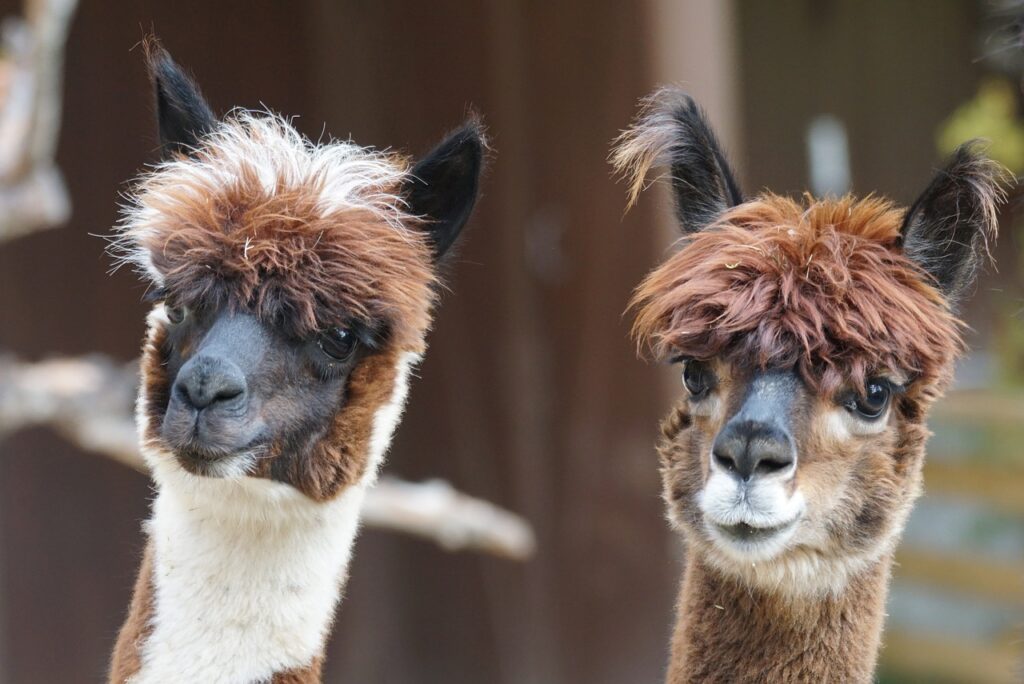
Alpacas may look soft and endearing, but they come with a surprising amount of upkeep. These high-maintenance animals require regular shearing to prevent overheating, along with a carefully balanced diet of hay, minerals, and occasional supplements. They are herd animals, meaning you can’t keep just one — they need companions to stay happy. Sensitive to extreme temperatures, alpacas also require well-built shelters. Though gentle by nature, they demand more time, money, and effort than most first-time owners anticipate.
4. Camels

Camels are exotic and fascinating, but they are far from practical farm animals. They require expansive land, specific nutrition, and handlers experienced in their unique behaviors. Camels also have strong personalities and can be stubborn or aggressive without proper training. Their slow reproduction rate and complex care make them a poor choice for small farms. Though intriguing, camels demand far more resources than most owners can manage, which is a fact.
5. Buffalo
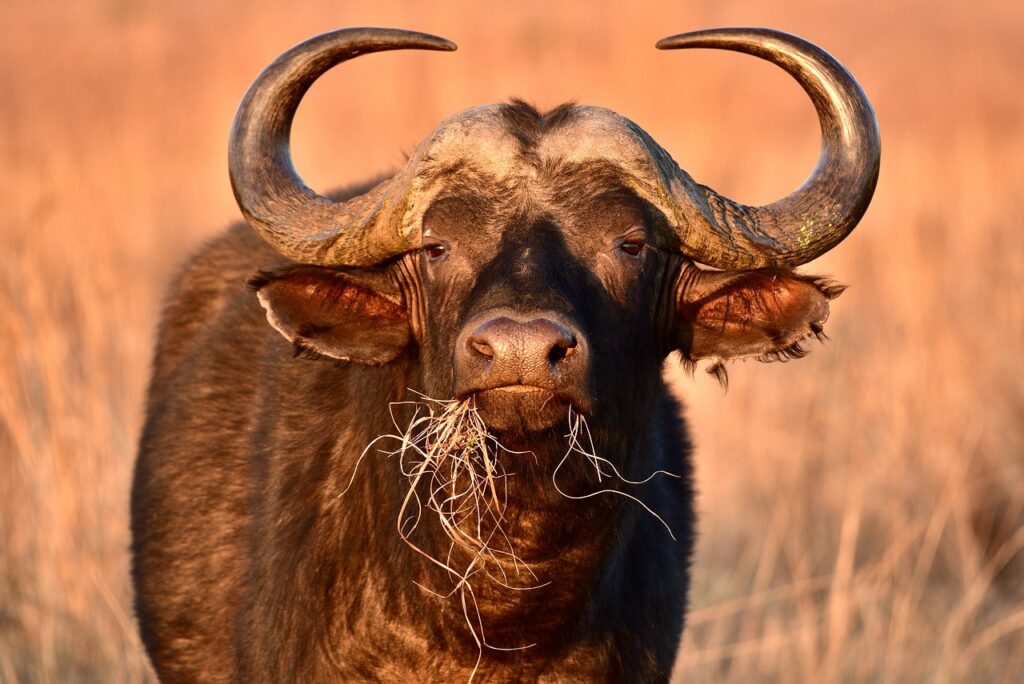
Buffalo are powerful animals that need vast grazing areas and expert handling. Unlike cattle, they are more independent and harder to control. Their size and strength make medical care difficult, and their territorial instincts can be dangerous. Raising buffalo for meat or dairy is labor-intensive, requiring strong fencing and specialized knowledge. While they offer high yields, buffalo are not suited for small farms, inexperienced owners, or as pets.
6. Emus

Emus may seem like an exciting addition to a farm, but they come with unique challenges. These large, flightless birds need tall, secure fencing since they are fast runners and powerful jumpers, easily clearing low barriers. Their diet requires a careful balance of grains, greens, and supplements to stay healthy. Known for their unpredictable, territorial behavior, emus can be difficult to handle. They’re also prone to stress, which impacts their health and egg-laying. For most, raising emus is far from a low-maintenance venture.
7. Quail
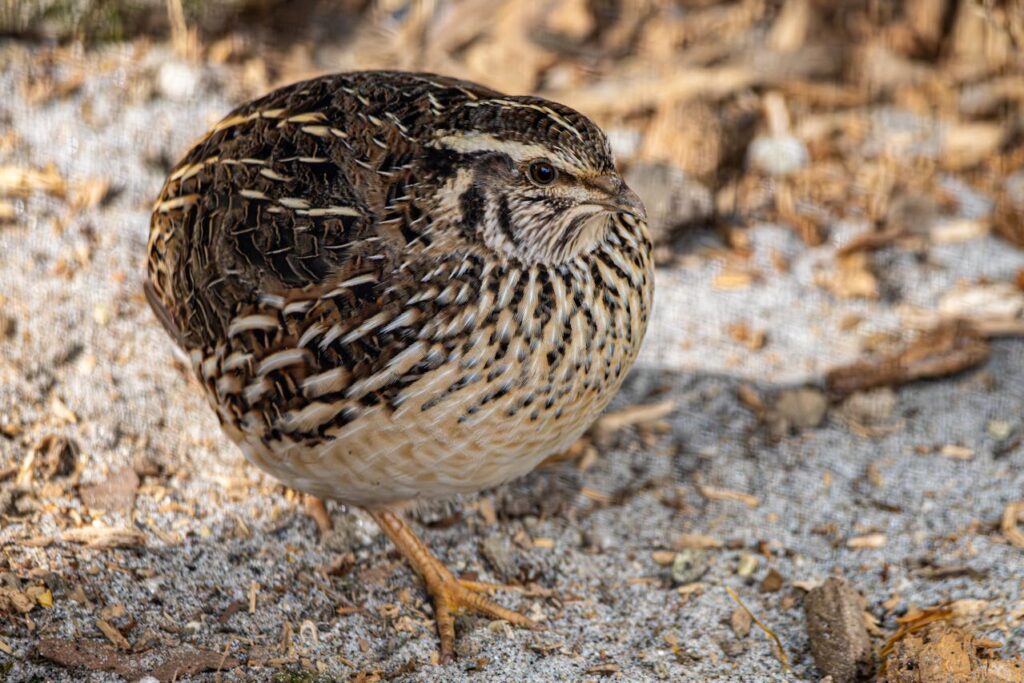
Quail may be small, but they are surprisingly labor-intensive. They require controlled environments for breeding, artificial lighting for consistent egg-laying, and a specialized diet. Unlike chickens, quail are fragile and prone to stress, which impacts their health. Their housing must be predator-proof, and their small size makes them easy targets. For those hoping for simple backyard poultry, quail often bring more work than their size suggests.
8. Poultry (General)
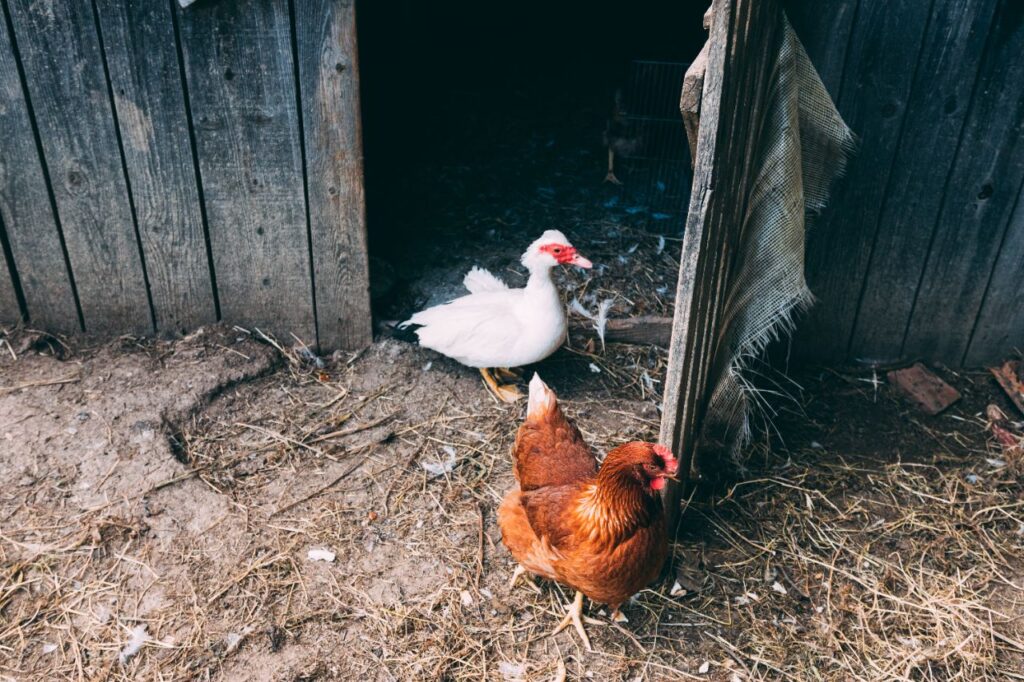
Not all poultry are easy to manage. While chickens, ducks, and turkeys have their perks, larger flocks come with unexpected challenges. They attract predators like foxes and raccoons, demanding secure, reinforced coops. Their diets must be carefully balanced, with some breeds needing specific supplements to stay healthy. Certain poultry, like meat birds, are prone to health issues or require climate control, adding to the workload. Without proper preparation, managing poultry can quickly become more demanding than most beginners expect.
Love Pets as Much as We Do?

Scroll up and click the ‘Follow’ button to stay updated with the latest heartwarming, hilarious, and helpful pet posts from Pawdown, delivered straight to your Microsoft Start feed and MSN homepage!