
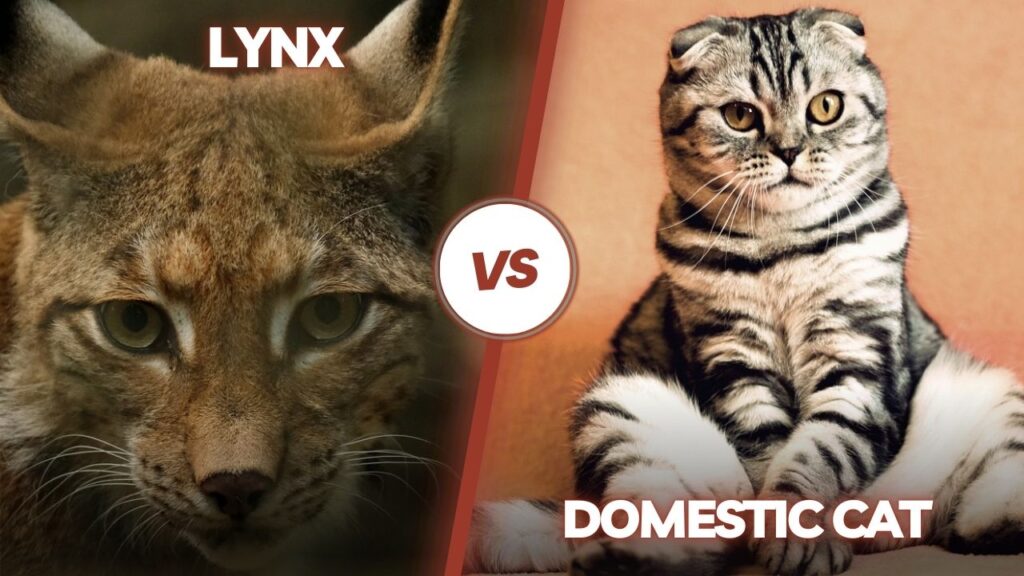
When comparing a lynx to a domestic cat, it’s easy to notice both the similarities and striking differences that set these two feline species apart. While they both belong to the same family, Felidae, their lifestyles, physical traits, and behaviors are vastly different. Lynxes, wild and elusive, are built for survival in harsh natural environments, whereas domestic cats have adapted to life alongside humans. Understanding these key differences can help deepen our appreciation for both animals and the unique roles they play in their respective ecosystems.
1. Size and Build

Lynxes are much larger and more robust than domestic cats, with some species, like the Canadian lynx, weighing up to 30 pounds or more. Their bodies are built for survival in the wild, with a sturdy, muscular frame designed for endurance and strength, which helps them in hunting and climbing. In contrast, domestic cats tend to have a more delicate build, ranging between 5 to 20 pounds, and while agile, their physical structure is suited for comfort in a home environment rather than the rugged wilderness. Lynxes are built for harsh outdoor conditions, not lounging.
2. Ears and Tufts

One of the defining features of a lynx is its distinctive ears, topped with tufts of black fur that extend beyond the ear tips. These ear tufts not only enhance their majestic look but also assist with acute hearing, helping the lynx detect the slightest movements of prey in dense forests or snow. Domestic cats, however, lack these prominent tufts, typically having rounded, smooth ears without any noticeable extensions. While some cat breeds have slightly pointed ears, these are nowhere near as pronounced or functional as the tufts on a lynx’s ears.
3. Tail Length
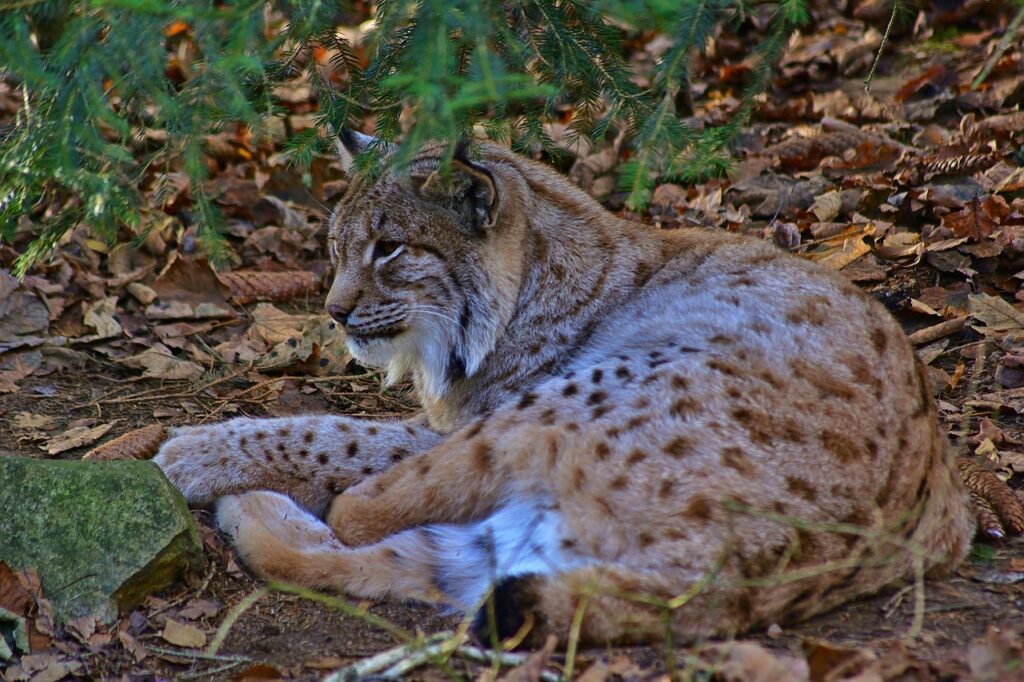
The tail of a lynx is one of its most noticeable physical features short and stubby, often measuring no more than a few inches long. This small tail serves a practical purpose, primarily aiding with balance during the lynx’s high-speed movements or when navigating through deep snow. The tail is typically straight and not flexible, contributing to their efficient and precise movements. On the other hand, domestic cats have longer, more expressive tails that are not only used for balance but also for communication and emotional expression, making them far more versatile.
4. Habitat

Lynxes are wild creatures, primarily inhabiting dense forests, snowy mountains, and isolated regions. They thrive in colder climates and have adapted to survive in remote areas with little human presence. Their ability to blend into the environment, with their thick coats and stealthy movements, aids in avoiding predators and capturing prey. Domestic cats, however, live in diverse environments ranging from urban apartments to rural homes, and are often supported by humans for food. They have adapted to a wide range of habitats and enjoy far greater proximity to human settlements than the solitary lynx.
5. Diet and Hunting Style

Lynxes are expert hunters, known for their ability to stalk and ambush larger prey like deer, rabbits, and birds. Their keen eyesight, acute hearing, and powerful limbs make them highly efficient hunters in dense forests or snowy terrain. Unlike domestic cats that hunt primarily small rodents and birds, lynxes can take down animals much larger than themselves. Their hunting strategy relies on patience and stealth, quietly waiting for the perfect moment to pounce. Domestic cats, although skilled hunters, tend to be more opportunistic and less reliant on complex tactics in comparison to their wild counterparts.
6. Behavioral Differences

Behaviorally, lynxes are solitary by nature, spending most of their lives alone and marking large territories. They are territorial animals, using scent marks and vocalizations to communicate with others of their kind. This solitary nature is essential for their survival, as it reduces the risk of competition for food. In contrast, domestic cats can also be independent but have a more social and adaptive nature, often bonding with their human owners and other pets. They are generally more tolerant of companionship and can easily adapt to living in groups or households.
7. Claws and Paws

The paws and claws of a lynx are much more specialized for survival in harsh conditions. Their large, powerful claws are not retractable, and they use them for both climbing and capturing larger prey. Their paws are significantly larger than those of domestic cats, with thick fur covering the pads to help them walk on snow without sinking. In comparison, domestic cats have retractable claws that are primarily used for hunting smaller prey, climbing, or defending themselves. Their paws are smaller, more delicate, and designed for agility, making them less suited for navigating in extreme conditions like a lynx’s.
8. Lifespan

Lynxes in the wild typically have a lifespan of 10 to 15 years, although they face numerous dangers such as predators, hunting, and environmental changes that can reduce their life expectancy. Their survival depends on their ability to find food, avoid human conflict, and withstand the elements. Domestic cats, on the other hand, can live significantly longer lives, often reaching 15 to 20 years or more when kept in safe and controlled environments. Their longer lifespan is due to the protection and consistent care provided by humans, reducing many of the risks faced by their wild relatives.
Love Pets as Much as We Do?

Scroll up and click the ‘Follow’ button to stay updated with the latest heart-warming, hilarious, and helpful pet posts from Pawdown, delivered straight to your Microsoft Start feed and MSN homepage