
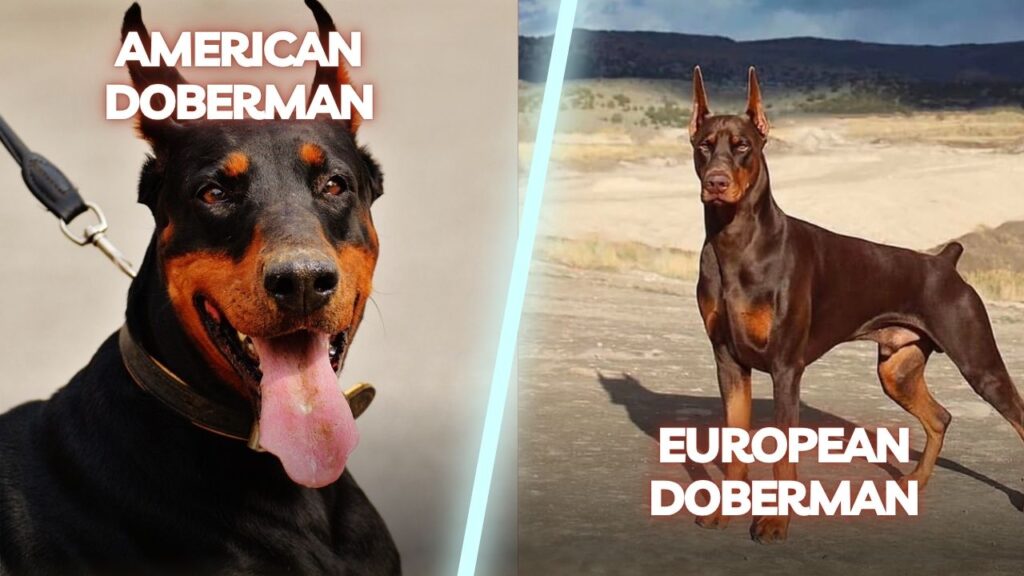
When you hear “Doberman,” a sleek, powerful silhouette often comes to mind. But did you know there’s more than one type of Doberman strutting around the dog parks? American and European Dobermans, though sharing roots, exhibit distinctive traits that make them stand out in the canine crowd. Whether you’re considering adding one of these elegant athletes to your family or just love learning about dog breeds, understanding what sets them apart can be just as fascinating as watching them in action.
1. Physical Appearance

The first noticeable distinction lies in their physique. European Dobermans boast a sturdier and more muscular build, designed for endurance and work. Their chiseled bodies are a result of Europe’s stringent breeding standards, focusing on function and form. In contrast, American Dobermans often have a sleeker, more refined appearance. They’re bred with an emphasis on conformation show aspects, highlighting elegance and grace. While both have those classic almond-shaped eyes and noble expressions, their differing physicalities are a nod to their breeding priorities.
2. Temperament

European Dobermans tend to have a more assertive and protective nature. Their strong guardian instincts make them ideal for working roles, but this also means they require consistent training and socialization. On the other hand, American Dobermans are known for being slightly more laid-back and sociable, often thriving as companion animals in family settings. Of course, both lines of Dobermans are intelligent and loyal by nature, showcasing their versatility and charm no matter where they find themselves.
3. Breed Standards

European breeders adhere to the FCI standards, which emphasize the breed’s versatility as working dogs. Their Dobermans are often required to pass working ability tests, reflecting their robust nature. American Dobermans, however, are typically bred according to the AKC standards that prioritize appearance and temperament suited for dog shows. This divide in standards highlights a key cultural difference: Europeans emphasize utility, while Americans lean toward aesthetics. Regardless, both standards aim to preserve the Doberman’s iconic legacy.
4. Working Ability

Recognized for their unwavering determination, European Dobermans excel in roles requiring agility and strength, such as military or police work. Their lineage is bred for performance and resilience, aligning with Europe’s focus on functionality. Conversely, while American Dobermans are certainly capable, their training often focuses more on obedience and showing rather than intensive field work. This doesn’t mean they lack drive; it’s just a reflection of different breeding goals. Both are eager learners, making them superb in various tasks when guided by patient and knowledgeable handlers.
5. Health Concerns
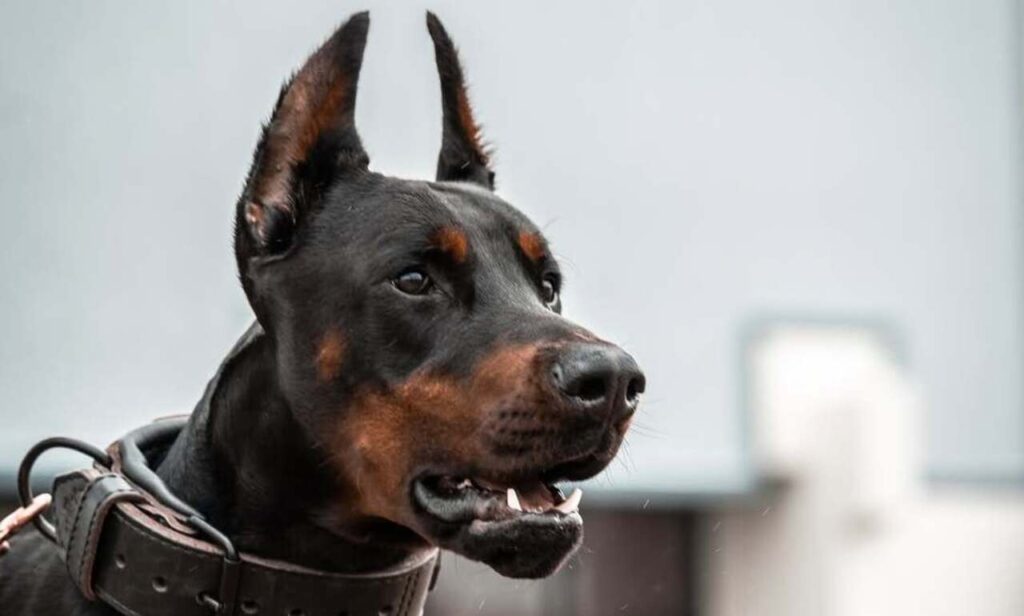
American Dobermans often face genetic conditions like hip dysplasia and dilated cardiomyopathy. Regular veterinary check-ups can help manage these issues. On the other hand, European Dobermans are bred with stricter standards, focusing on reducing health issues. While both types need attentive care, the European variant tends to have slightly fewer inherited health problems due to the rigorous breeding practices. Regardless of origin, early health screenings and responsible breeding can help mitigate risks in both varieties.
6. Energy Levels

If you’re looking for an active companion, both American and European Dobermans will eagerly fit the bill, but with subtle differences. American Dobermans are generally more suited for families and may have slightly lower energy levels, making them better for households with a less active lifestyle. European Dobermans, bred for work, exhibit higher energy levels and drive, requiring ample exercise and mental stimulation. Owners should be prepared for extensive playtime and structured activities to keep these high-energy dogs satisfied.
7. Training Needs

Training a Doberman, regardless of its origin, is a must for a harmonious pet-owner relationship. American Dobermans typically have a slightly softer temperament, which can make them more adaptable to a variety of training methods. European Dobermans, with their working backgrounds, are often more assertive and might require a firmer hand in training. Both variants are intelligent and can excel in obedience with consistent, positive reinforcement strategies. Socialization from an early age is key to managing their protective instincts.
8. Popularity and Availability

In the USA, the American Doberman is more commonly seen, gracing dog shows and family homes alike. Their sleek build and adaptable nature contribute to their popularity. European Dobermans are less available due to stricter breeding regulations overseas, making them a rarer sight. International interest in the European type has grown, especially among those looking for working dogs. For enthusiasts seeking a particular type, understanding these availability differences is crucial when deciding which variant suits their lifestyle best.
9. Ear and Tail Cropping Practices

While both American and European Dobermans are often seen with cropped ears and docked tails, the cultural and legal views on these practices differ. In Europe, many countries have outlawed cosmetic cropping and docking, so European Dobermans are increasingly seen with natural ears and full tails. In the U.S., however, cropping and docking remain common, especially among show dogs, aligning with American Kennel Club standards. This distinction not only affects appearance but also speaks to differing philosophies on tradition versus animal welfare across continents.