
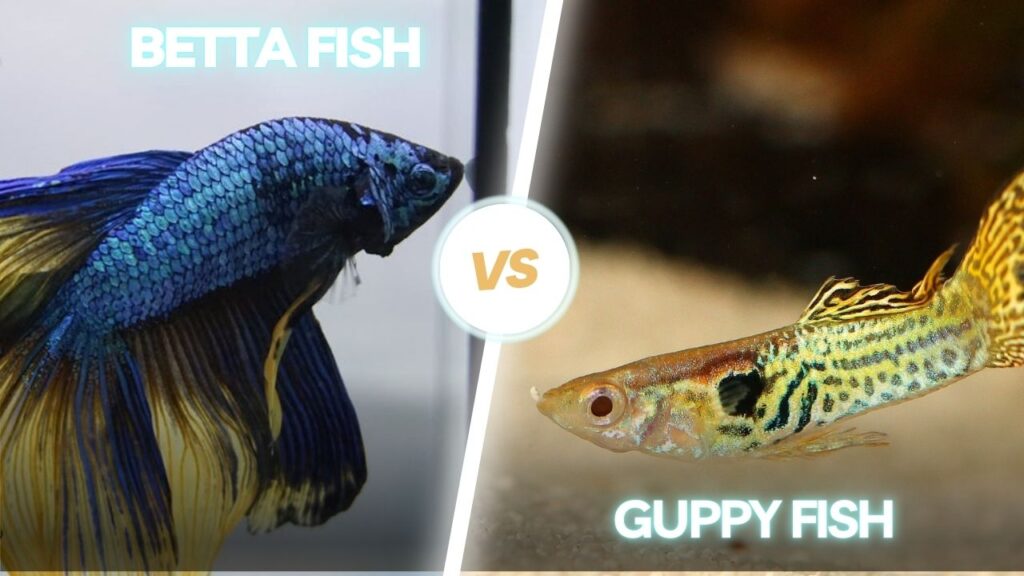
Betta fish and guppies are among the most popular freshwater aquarium species, admired for their vibrant colors and unique behaviors. Though they might appear similar at first glance, these two fish species have distinct differences in size, temperament, reproduction, and habitat preferences. Understanding these differences is crucial for aquarium enthusiasts to create an ideal environment for these beautiful creatures. From their origins to their striking physical features, let’s explore the key characteristics distinguishing betta fish from guppies, helping you appreciate their unique qualities and make informed decisions about keeping them.
1. Size and Body Shape

Betta fish are typically larger than guppies, with an average size ranging from 1 to 3.1 inches, whereas guppies are smaller, measuring 0.6 to 1.4 inches for males and 1.2 to 2.4 inches for females. Bettas have a stockier, more muscular build, while guppies are slender and delicate in appearance. This size difference not only influences their care requirements but also their overall behavior in the tank. Bettas often command attention with their larger, flowing fins, while guppies’ smaller, streamlined bodies enable them to move swiftly and gracefully.
2. Coloration and Patterns
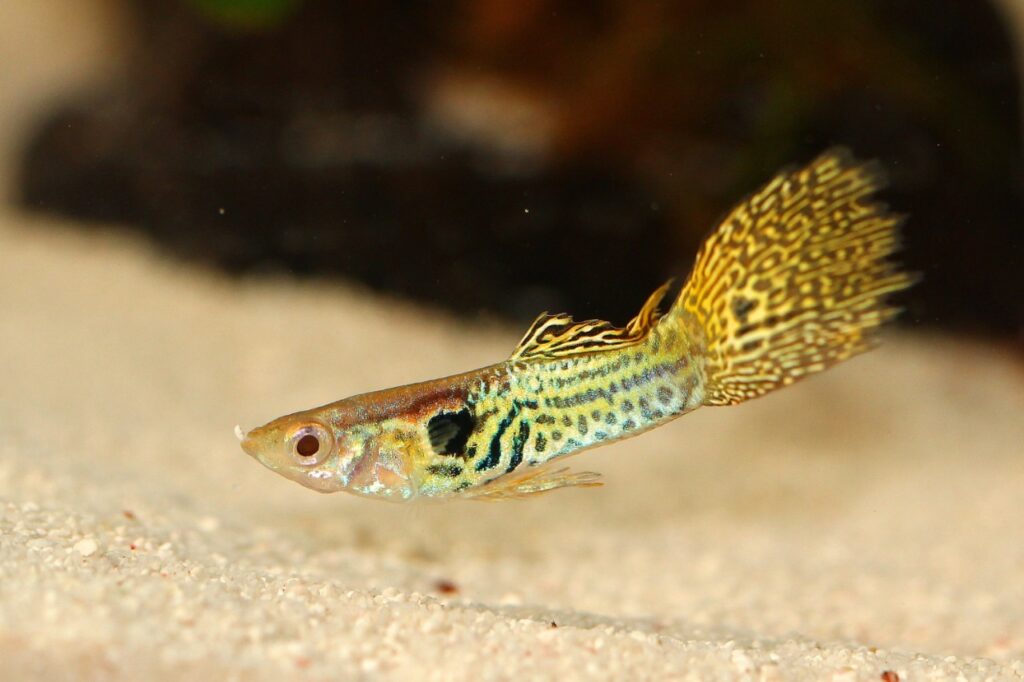
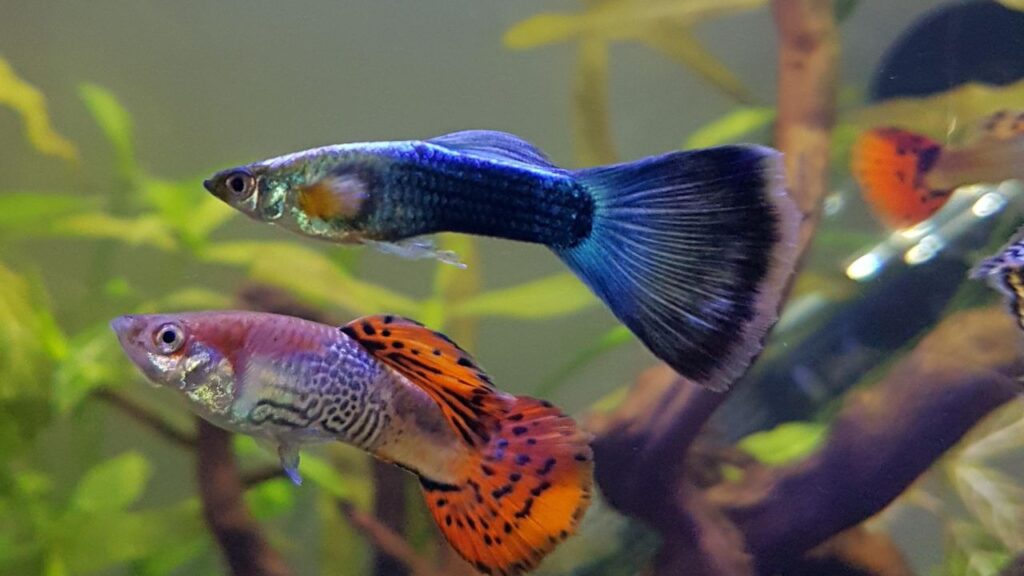
Both species are renowned for their dazzling colors, but their patterns and vibrancy vary. Betta fish are famous for their solid, two-tone, or rainbow hues, with males being especially bright, while females exhibit more subdued colors. Guppies, in contrast, are known for their intricate patterns, including spots, stripes, and blotches in virtually every color imaginable. Female guppies, however, are generally drabber, appearing in shades of gray with little coloration. Bettas’ bold, dramatic colors make them stand out, while guppies charm with their intricate, multi-hued designs.
3. Feeding Habits and Diet

Betta fish are primarily carnivorous, feeding on insects, larvae, and small invertebrates in the wild. In captivity, they require a high-protein diet, often consisting of specialized pellets, frozen bloodworms, or brine shrimp. Guppies are omnivorous, eating a mix of algae, plant matter, and small invertebrates. They thrive on a balanced diet of flakes, pellets, and occasional live or frozen foods. While their dietary overlap allows them to coexist, their distinct nutritional needs must be considered when housing them together.
4. Tail and Fin Appearance

One of the most striking differences lies in the tails and fins. Betta fish are celebrated for their long, flowing fins and tails, which come in various shapes, including veils, crowns, and even the rare and revered fantail. These ornate tails enhance their regal appearance. Guppies, on the other hand, have rounded tails with varying lengths, and males’ tails are often as colorful as their bodies. Female guppies’ tails are shorter and less vibrant. Bettas’ dramatic fins exude elegance, while guppies’ compact tails contribute to their active, energetic demeanor.
5. Reproductive Methods

Guppies and bettas differ significantly in their reproductive strategies. Guppies are livebearers, giving birth to live, fully-formed fry. Females can store sperm and produce multiple litters of up to 30 fry every 30 days, making them prolific breeders. Bettas, however, are egg layers, with males building bubble nests to protect the eggs. After a female lays eggs, the male fertilizes and guards them, ensuring they remain safe in the nest. This difference highlights the unique reproductive behaviors and care requirements of these species.
6. Habitat Preferences
Betta fish are native to Southeast Asia, thriving in shallow waters of rice paddies, marshes, and slow-moving streams. They require warm water temperatures between 78–82°F and appreciate minimal water flow. Guppies, originating from South America and the Caribbean, inhabit slow-moving rivers with abundant vegetation. They are more adaptable to a wider range of water conditions, including slightly cooler temperatures around 72–78°F. Providing a suitable habitat tailored to their origins ensures both species remain healthy and active.
7. Respiratory Adaptations

A fascinating difference between these fish is their respiration. Bettas possess a labyrinth organ, enabling them to breathe atmospheric oxygen directly from the air. This adaptation allows them to survive in low-oxygen environments and even short periods out of water if kept moist. Guppies, however, rely solely on gills for respiration, making them more dependent on water quality and oxygenation. This unique trait makes bettas highly resilient in challenging conditions, while guppies require consistently well-aerated water.
8. Temperament and Behavior

The temperaments of bettas and guppies are remarkably different. Betta fish are territorial and often aggressive, particularly towards other bettas and brightly colored fish, making them unsuitable for community tanks with similarly vibrant species. Guppies, by contrast, are sociable and peaceful, thriving in groups and interacting harmoniously with other species. Bettas prefer solitude or carefully chosen tank mates, while guppies’ friendly disposition allows them to create lively, dynamic aquariums.
Love Pets as Much as We Do?

Scroll up and click the ‘Follow’ button to stay updated with the latest heart-warming, hilarious, and helpful pet posts from Pawdown, delivered straight to your Microsoft Start feed and MSN homepage!