
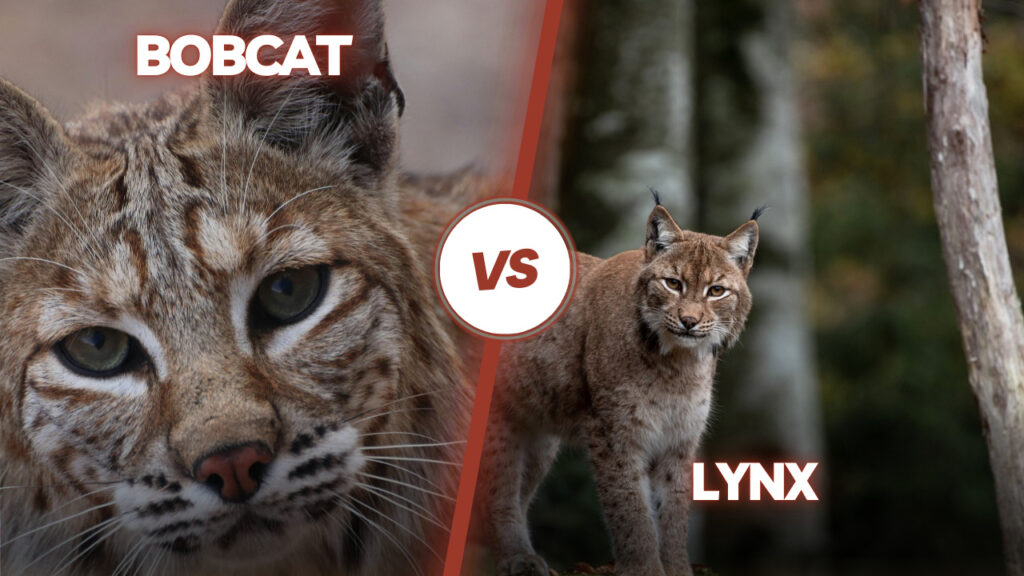
In the wild, the bobcat and lynx are true marvels—graceful, mysterious, and perfectly adapted to their habitats. With their striking features and silent movements, they capture our imaginations. Yet, despite their allure and grandeur, these majestic felines are not meant for domestic life. By exploring their unique traits and natural instincts, we’ll get to know why these wild cats belong in the wilderness, where they thrive, rather than in our homes.
1. Tail Appearance
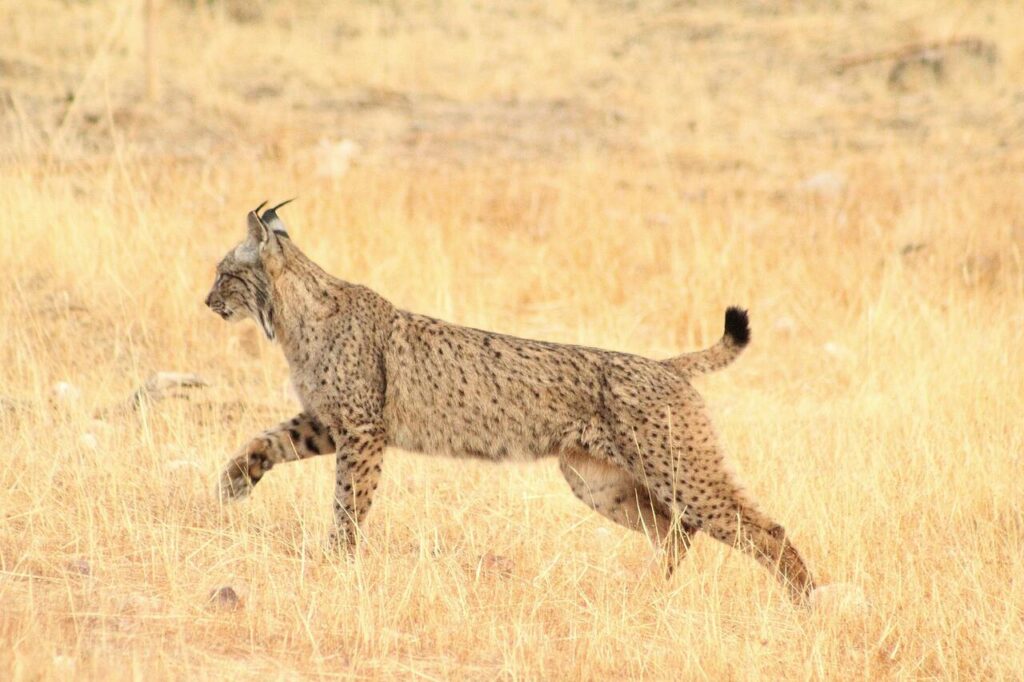
Bobcats and lynx both boast distinctive tails, but they tell very different stories. The bobcat’s tail has a black tip on the top and a white underside, as if dipped halfway into ink, while the lynx’s tail is fully black-tipped, as though someone painted its end with a steady brush. These tails play a vital role in their survival, acting as communication tools and balance aids. A lynx’s black-tipped tail complements its stealthy movements in snowy terrains, blending seamlessly with the shadows of its habitat. These intricate adaptations are not just visual differences—they reflect their environments and hunting strategies. Keeping such majestic tails confined in a home or yard would strip them of their purpose, further proving these creatures are meant for the wild.
2. Ear Tufts
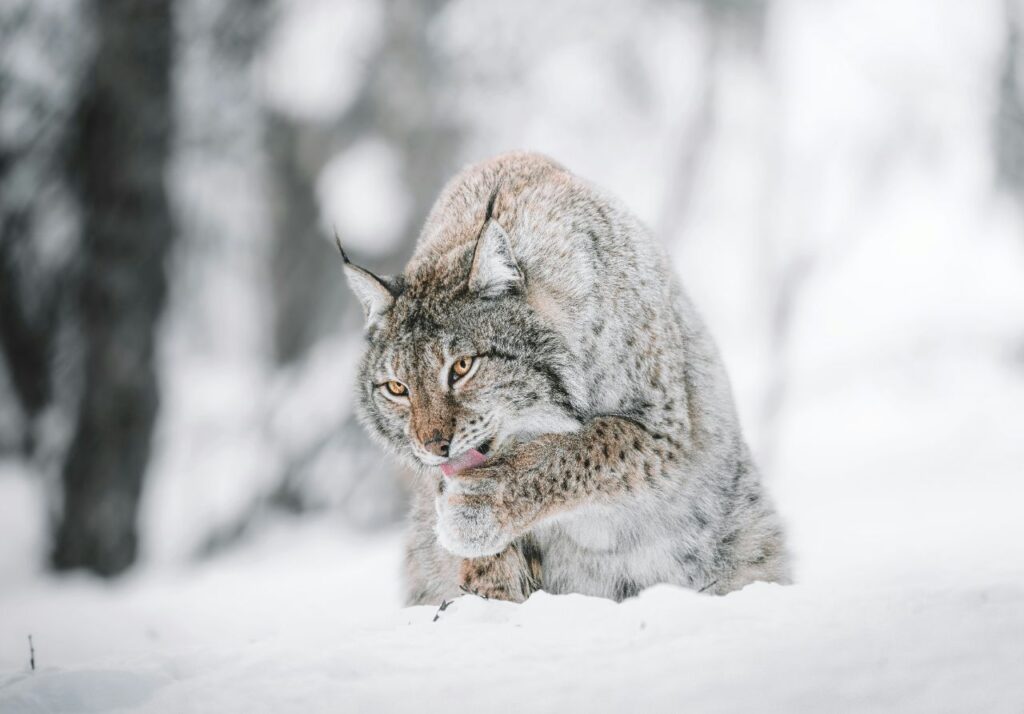
If you’ve ever admired the iconic ear tufts on a lynx, you’re not alone. These tufts, much longer and more pronounced than those of a bobcat, serve a vital role in enhancing their sense of hearing. Scientists believe the tufts may also serve as a visual signal for communication between lynx. Bobcats, on the other hand, have smaller tufts that still provide some hearing aid but aren’t as prominent. These tufts make lynx better equipped to hear prey beneath layers of snow, a feature unmatched by domestic cats. Their highly specialized auditory adaptations are simply impossible to nurture or replicate in a domestic environment.
3. Size And Build
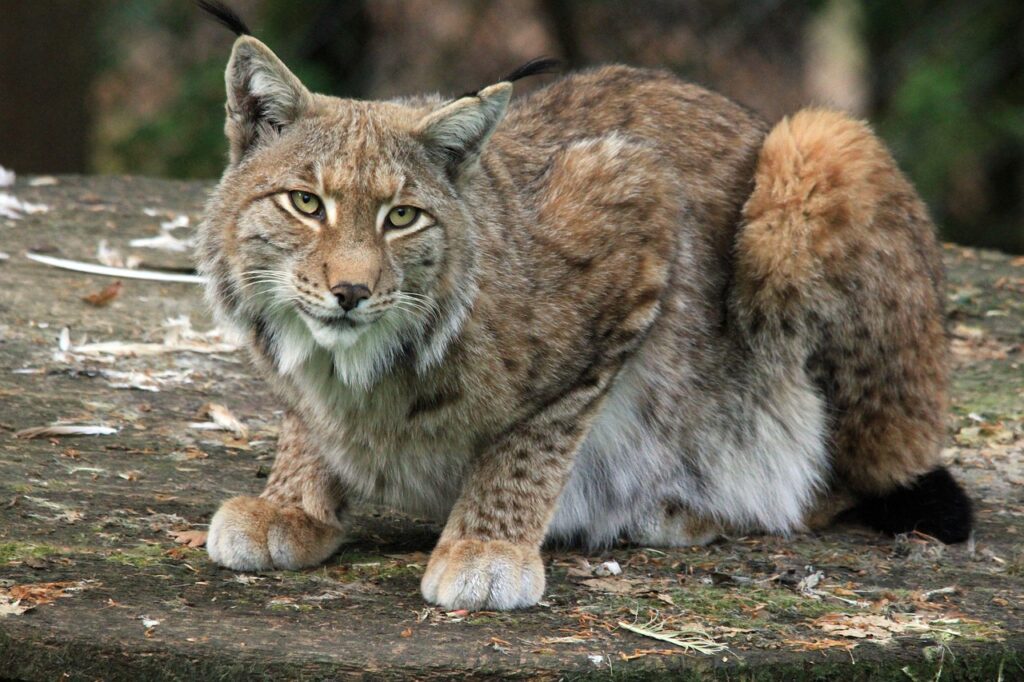
When it comes to size, lynx are the giants of the two, with longer legs, larger paws, and a more robust build. Bobcats are smaller, compact, and built for agility rather than snow endurance. The lynx’s large, fur-covered paws act like snowshoes, helping it glide effortlessly over snowy terrains, while bobcats prefer rocky or forested landscapes where their nimbleness shines. These physical differences are not just aesthetic—they’re survival tools fine-tuned by nature. No home, no matter how spacious, can replicate the dynamic terrains these creatures are built for.
4. Fur And Coat

The fur of a bobcat is reddish-brown with distinct black spots, blending perfectly into its woodland and desert habitats. Lynx, however, sport thicker, silvery-gray coats designed for snowy forests, often with a frosted appearance that makes them disappear into winter landscapes. This difference is a direct reflection of their environments. Such coats are not just about beauty but also functionality, offering camouflage and temperature regulation. Attempting to domesticate such animals would not only rob them of their natural elegance but also fail to replicate the climates they are built to thrive in.
5. Paw Size And Adaptation
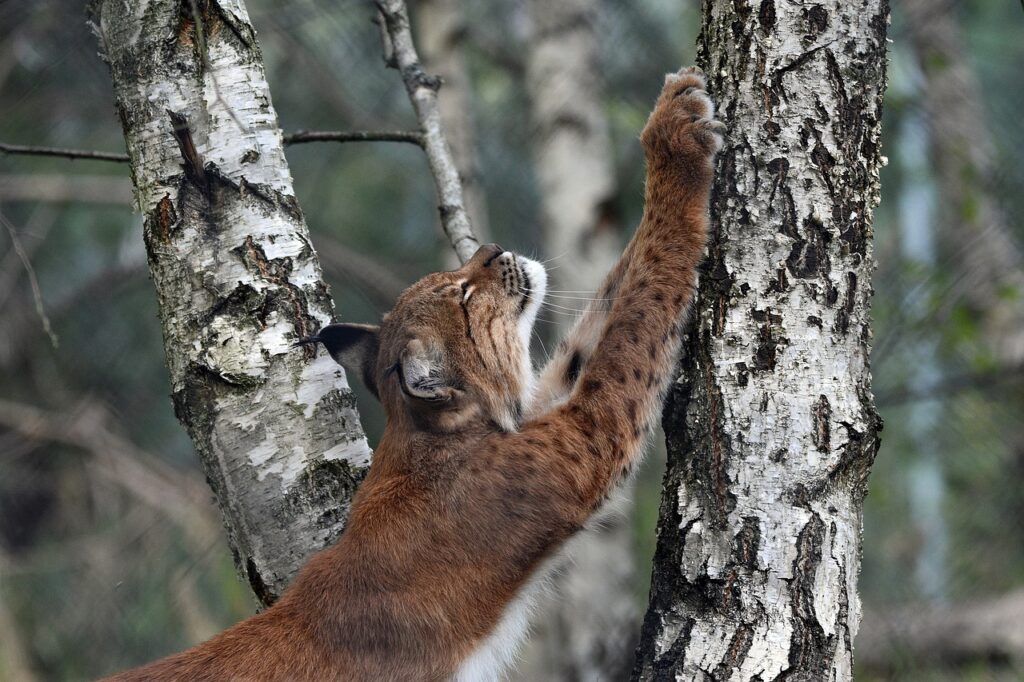
A lynx’s paws are nothing short of engineering marvels. Covered in fur and disproportionately large compared to its body, they distribute weight evenly, allowing the lynx to walk atop snow without sinking. Bobcats, on the other hand, have smaller, bare-soled paws suited for gripping rocky and uneven terrains. These differences highlight how each animal is perfectly adapted to its ecosystem. Trying to keep a lynx in captivity would render these remarkable adaptations redundant, a tragic mismatch of nature’s design and human confinement.
6. Geographical Range

Bobcats are North American nomads, inhabiting deserts, forests, and swamps, while lynx are masters of snowy wilderness, ranging across Canada, Alaska, and northern Europe. Their territories are vast and essential for hunting, mating, and survival. A lynx might traverse dozens of miles in a single day in search of prey, while a bobcat, though more localized, still needs a significant range to thrive. Confining such wide-roaming animals would stifle their instincts, leading to frustration and potential health issues.
7. Specialized Dining Preferences
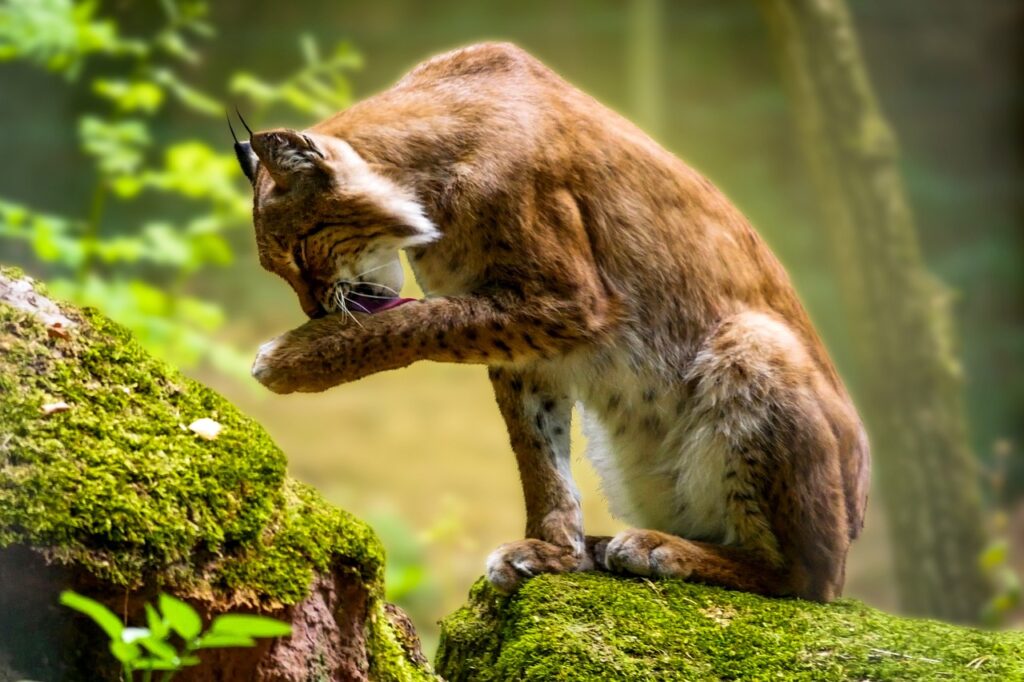
A bobcat’s diet is a buffet of variety—rabbits, birds, rodents, and even deer. Lynx, however, are almost exclusively dependent on snowshoe hares, making them specialist hunters. Their survival relies on the abundance of these hares, which ties them closely to their natural habitat. These dietary differences highlight how deeply both animals are connected to their ecosystems. No amount of gourmet cat food can replicate the hunting challenges and rewards that define their wild lives.
8. Behavioral Traits

Bobcats are known for their adaptability, often seen in varied environments, including urban outskirts, where they adjust to human presence and hunt small animals. They are opportunistic, able to adapt their hunting techniques to a range of prey. Lynx, in contrast, are more solitary and specialized. They rely on specific habitats with abundant snowshoe hares and prefer remote, undisturbed areas. Their behavior is less flexible, and they are seldom found near human settlements, showing a clear preference for isolation.
Love Pets as Much as We Do?

Scroll up and click the ‘Follow’ button to stay updated with the latest heartwarming, hilarious, and helpful pet posts from Pawdown, delivered straight to your Microsoft Start feed and MSN homepage!