
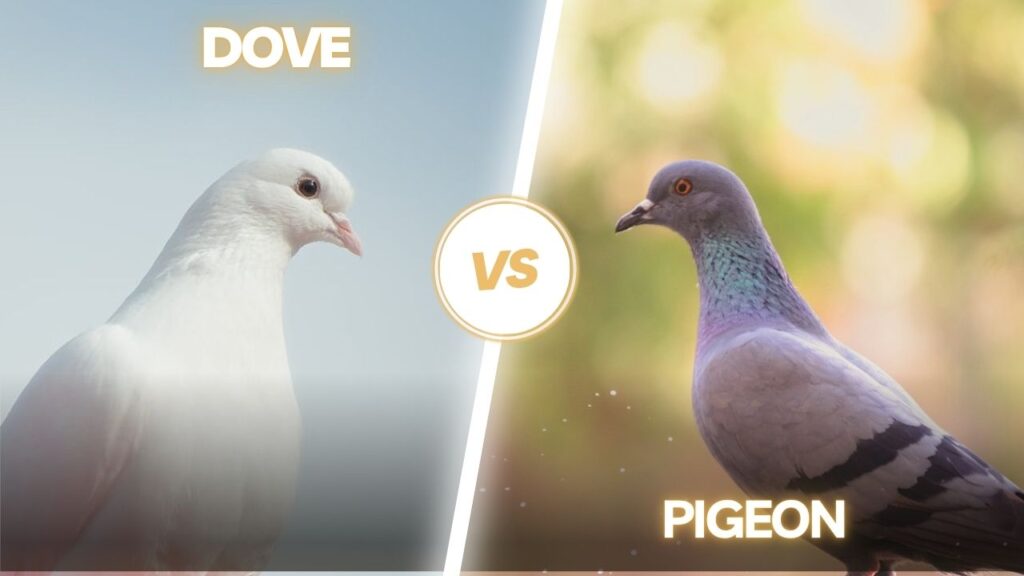
Doves and pigeons are members of the Columbidae family, comprising over 300 species. Despite their similarities, the terms “dove” and “pigeon” often conjure distinct images—doves as symbols of peace and pigeons as urban dwellers. Scientifically, there’s no clear distinction between the two, but cultural perceptions and subtle physical differences have shaped how they’re identified. Understanding these distinctions offers insights into their behavior, habitat, and roles in human history. Let’s dive into the fascinating world of doves and pigeons to uncover the key characteristics that set them apart while celebrating their shared beauty.
1. Size and Physical Build
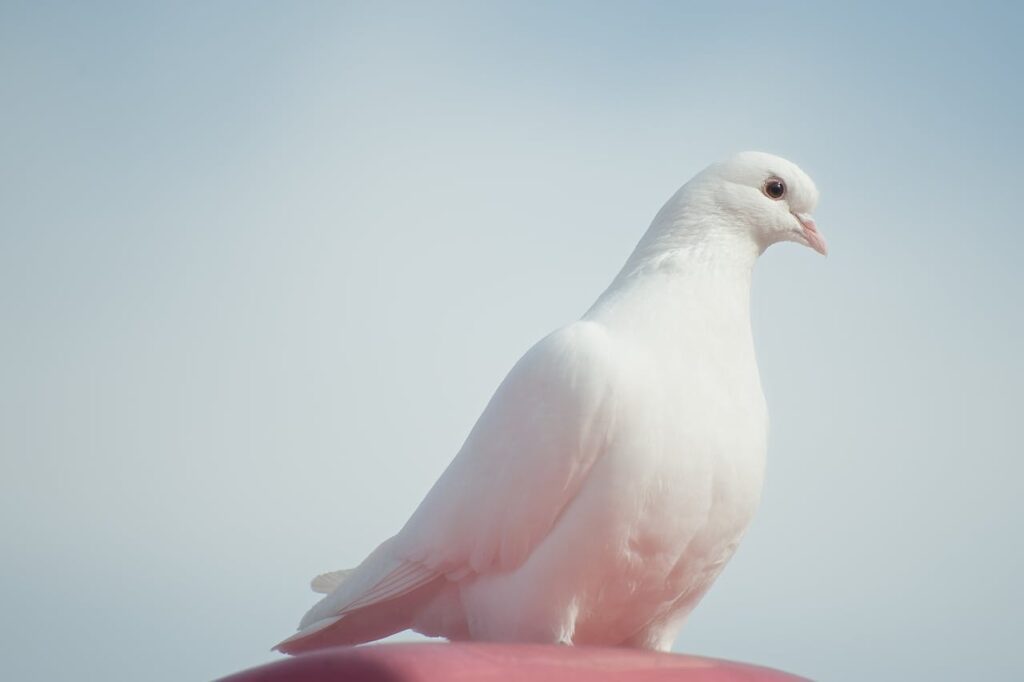
The primary difference between doves and pigeons lies in their size. Doves are generally smaller, lightweight, and more delicate in appearance, while pigeons tend to be larger and sturdier. For example, the diminutive diamond dove weighs as little as 0.06 pounds, whereas larger pigeon species, such as the crowned pigeon, can weigh up to 9 pounds. Their body structure reflects their roles in their ecosystems, with pigeons often dominating urban environments and doves favoring more secluded habitats. This broad size variation helps distinguish the two in everyday encounters, although overlaps exist.
2. Tail Shape and Appearance
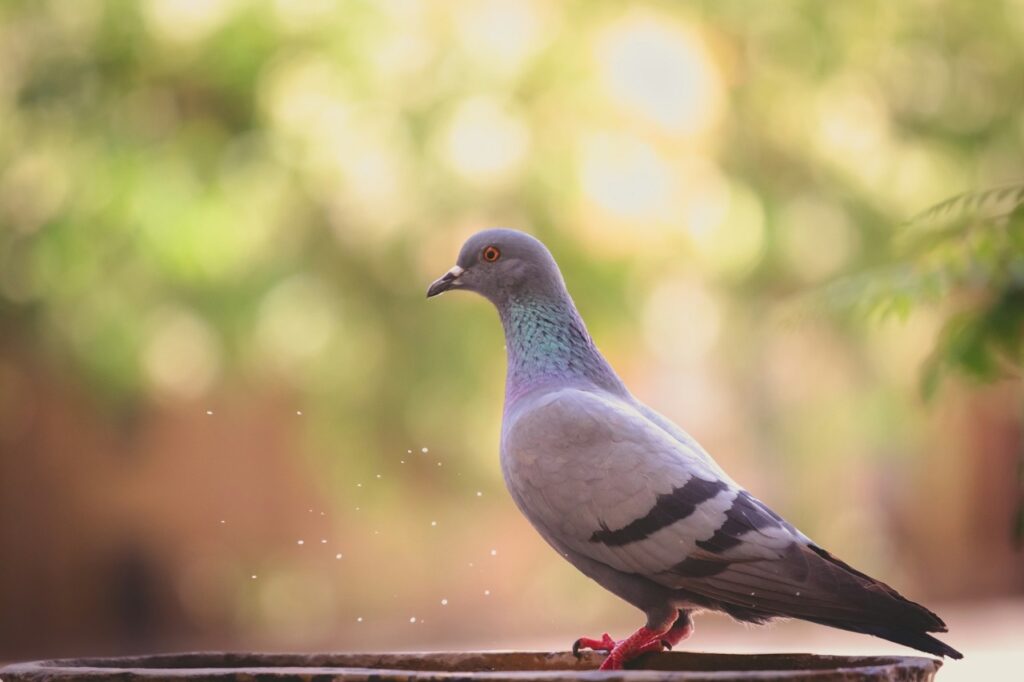
Doves are known for their more expressive, fan-shaped tails, which often appear elongated and elegant during flight. This feature adds to their symbolic association with grace and peace. In contrast, pigeons usually have shorter, straighter tails that contribute to their stockier appearance. While tail shape isn’t a definitive rule, it remains a helpful trait for distinguishing between the two. Doves’ fanned tails often enhance their courtship displays, while pigeons’ compact tails suit their bustling city lifestyles and robust flying capabilities.
3. Coloration and Markings
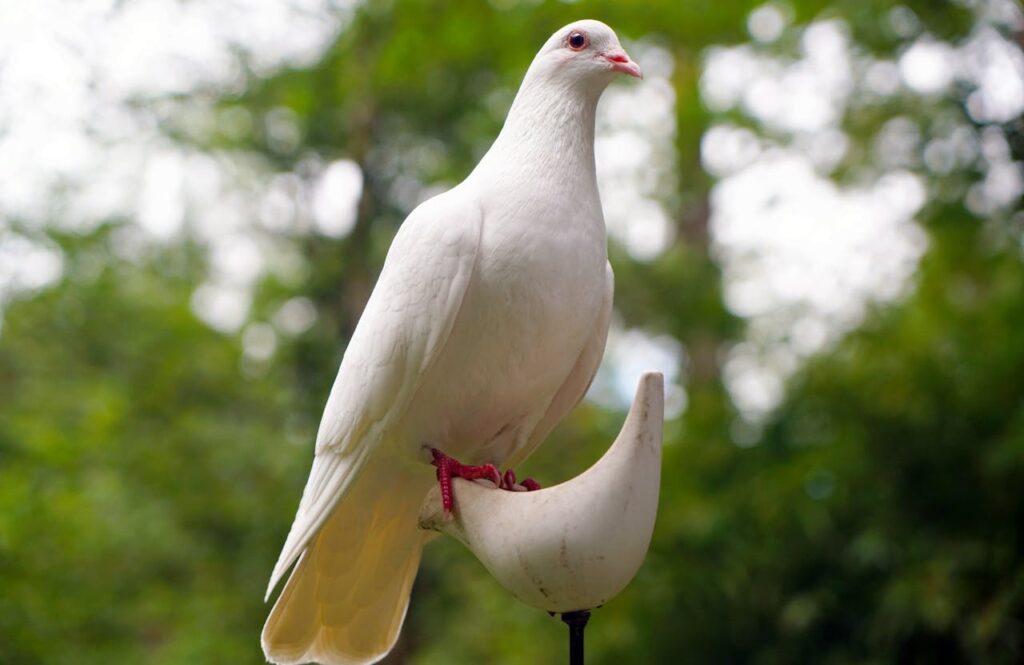
The plumage of doves tends to be soft and subtle, with pastel tones like cream, tan, or light gray. Their understated coloring emphasizes their serene and peaceful image. Pigeons, on the other hand, often showcase bolder patterns and iridescent neck feathers in shades of green or purple. These vibrant details make pigeons easily recognizable in urban landscapes. However, both birds demonstrate stunning variety, with species like the white dove and rock pigeon exhibiting pure white feathers, often leading to misidentification between the two.
4. Habitat Preferences
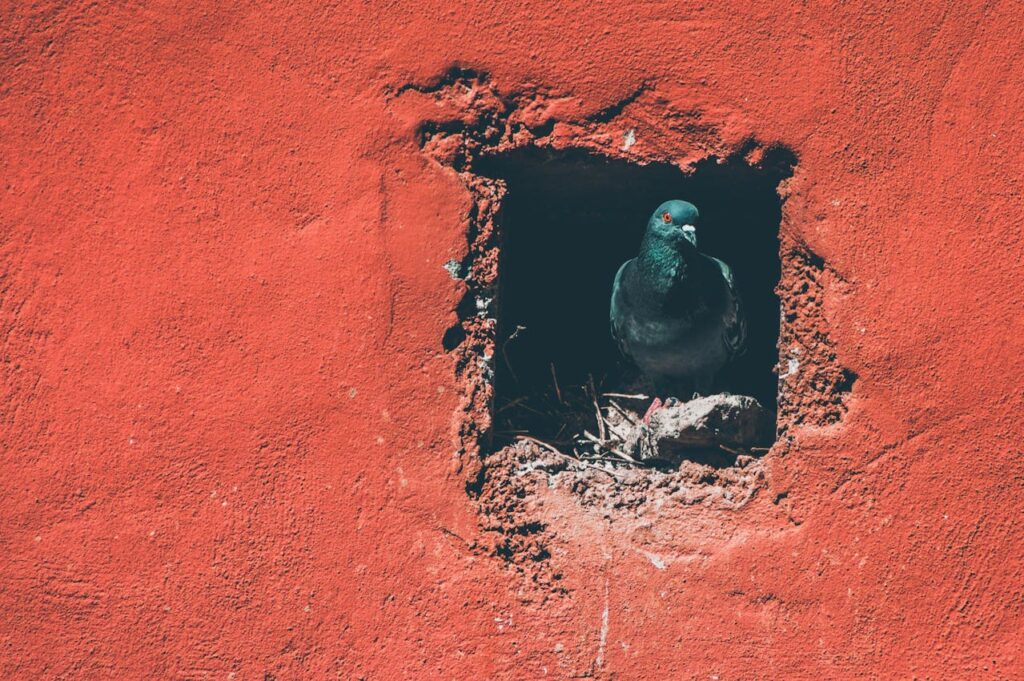
Doves and pigeons inhabit diverse environments, but their preferences often differ. Doves are typically found in more natural and rural settings, such as forests, woodlands, and farmlands. They favor quieter habitats for nesting and feeding. Pigeons, by contrast, thrive in urban areas, adapting to human structures like buildings and bridges that mimic their ancestral cliff habitats. Their ability to coexist with humans has made pigeons synonymous with cities worldwide, while doves are more commonly associated with the countryside.
5. Diet and Feeding Habits

Both doves and pigeons primarily consume seeds, grains, and fruits, but their feeding behaviors can vary. Pigeons have a broader diet, often scavenging human food scraps in urban environments. This adaptability has allowed them to flourish in cities. Doves, being more selective, stick to a natural diet of seeds and fruits, typically foraging in rural or wild areas. Their diet preferences reflect their respective habitats, with pigeons being opportunistic feeders and doves relying on nature’s offerings.
6. Behavior and Social Traits

Doves are often perceived as more timid and gentle, with quieter behaviors that align with their symbolic association with peace. They form strong pair bonds and are less aggressive compared to pigeons. Pigeons, on the other hand, are bold and highly social, frequently forming large flocks in urban settings. Their assertive nature helps them compete for resources in crowded environments. Despite these differences, both species exhibit remarkable intelligence and strong monogamous bonds, contributing to their survival and adaptability.
7. Vocalizations
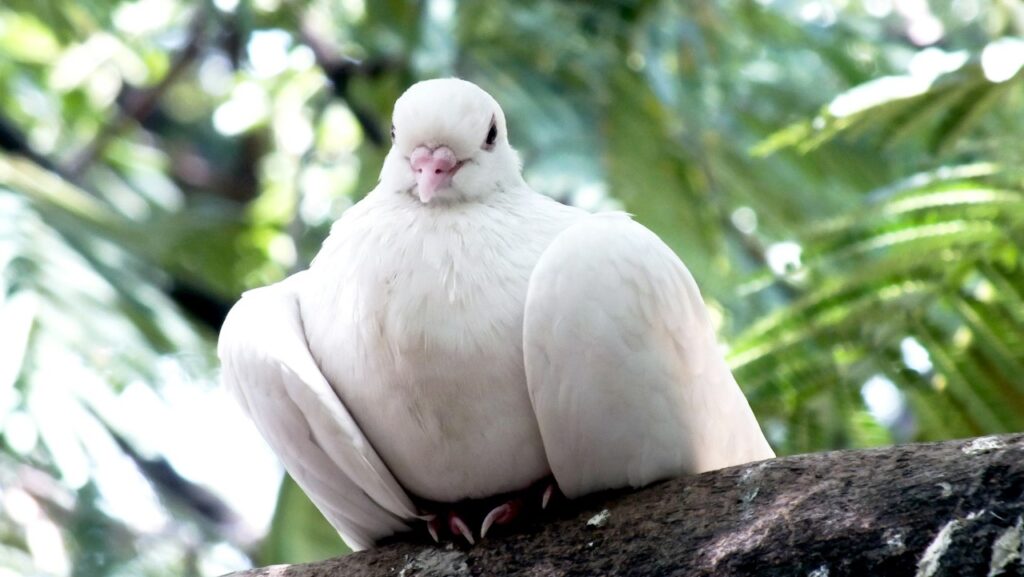
The vocal differences between doves and pigeons are subtle yet notable. Doves produce soft, soothing coos, often described as melodic and calming. Their calls add to their peaceful image, commonly associated with tranquility in nature. Pigeons, however, have deeper, rumbling coos that are more robust and repetitive. These vocalizations are used for communication within flocks and to establish territory. Recognizing these differences in sound can help identify whether you’re listening to a dove or a pigeon.
8. Symbolism and Human Perception

Cultural associations play a significant role in distinguishing doves from pigeons. Doves are often seen as symbols of peace, purity, and love, frequently depicted in art, religion, and literature. Pigeons, meanwhile, are viewed as industrious city birds, sometimes unfairly labeled as pests. Despite these contrasting perceptions, both species have deep historical ties to humans, from carrying messages as homing pigeons to representing hope in times of conflict as doves. Understanding their shared legacy enriches our appreciation of these fascinating birds.
Love Pets as Much as We Do?

Scroll up and click the ‘Follow’ button to stay updated with the latest heart-warming, hilarious, and helpful pet posts from Pawdown, delivered straight to your Microsoft Start feed and MSN homepage!