
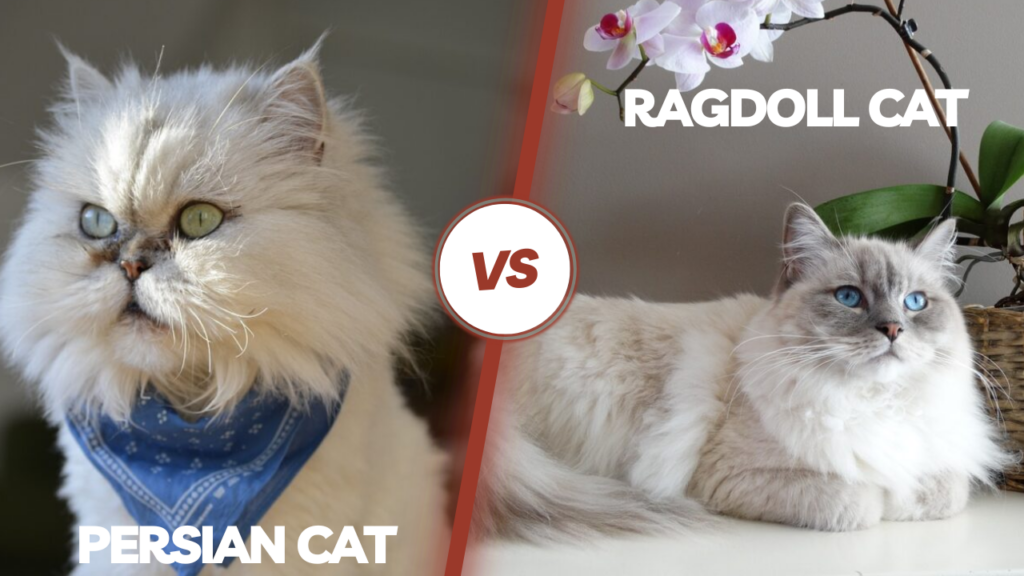
Persian and Ragdoll cats are both cherished for their stunning looks and affectionate personalities, but some key differences set them apart. From their temperaments to grooming needs, understanding these traits can help you choose the perfect feline companion. Whether you prefer the regal, calm nature of the Persian or the playful, laid-back demeanor of the Ragdoll, let’s dive into the 8 key differences between these two beloved breeds.
1. Temperament

When it comes to temperament, Persian cats are known for their calm, laid-back nature. They enjoy lounging around the house and prefer a peaceful environment, making them ideal companions for those seeking a more relaxed pet. In contrast, Ragdolls are typically more playful and social. They are known for their dog-like tendencies, often following their owners around and engaging in interactive play. While both breeds are affectionate, Ragdolls are generally more energetic, enjoying active playtime, whereas Persians prefer a quieter, more serene lifestyle.
2. Grooming Needs

When it comes to grooming, Persian cats require significantly more attention than Ragdolls due to their long, dense coats. Persians need daily brushing to prevent mats and tangles, as their luxurious fur can easily become knotted. Regular grooming also helps reduce shedding and tear staining. On the other hand, Ragdolls have medium-length fur that’s less prone to tangling and matting, making them much easier to maintain. While they still benefit from weekly brushing, their grooming routine is much less demanding compared to Persians.
3. Body Size

One of the most noticeable differences between Persian and Ragdoll cats is their body size. Ragdolls are significantly larger, often weighing between 10 to 20 pounds, with males typically on the heavier end. Their large, muscular frames and long, sturdy bodies give them a majestic presence. In contrast, Persian cats are smaller, with a more compact, rounded body structure. While Persians are still considered a medium to large breed, they tend to weigh between 7 to 12 pounds, making them lighter and more delicate in comparison to the hefty Ragdoll.
4. Facial Features

One of the most noticeable differences between Persian and Ragdoll cats lies in their facial features. Persians are known for their distinctive flat faces, a trait that gives them a unique, almost “smushed” appearance. Their large, round eyes are set wide apart, adding to their regal look. In contrast, Ragdolls have more traditional cat faces with a gentle, slightly rounded profile. Their almond-shaped eyes are often vivid blue, enhancing their soft, affectionate expression. While both breeds are visually striking, their facial structures create distinct appearances.
5. Trainability

When it comes to trainability, Ragdolls are often considered more responsive and eager to please. Their affectionate and social nature makes them more likely to engage in training sessions, whether it’s learning basic commands or playing interactive games. On the other hand, Persian cats are generally more laidback and independent, which can make training them a bit more challenging. While they are affectionate, they tend to have a relaxed approach to activities, preferring to lounge rather than follow commands.
6. Fur And Coat Pattern

Persian and Ragdoll cats differ greatly in their fur and coat patterns. Persian cats have long, dense coats that require daily grooming to prevent mats and tangles. Their fur comes in a wide variety of colors and patterns, often adding to their regal appearance. Ragdolls, on the other hand, have semi-long fur that’s softer and less dense. Their striking colorpoint pattern—darker fur on the ears, face, paws, and tail—gives them a distinct look. While Ragdolls shed less, both breeds need regular grooming for a healthy coat.
7. Health
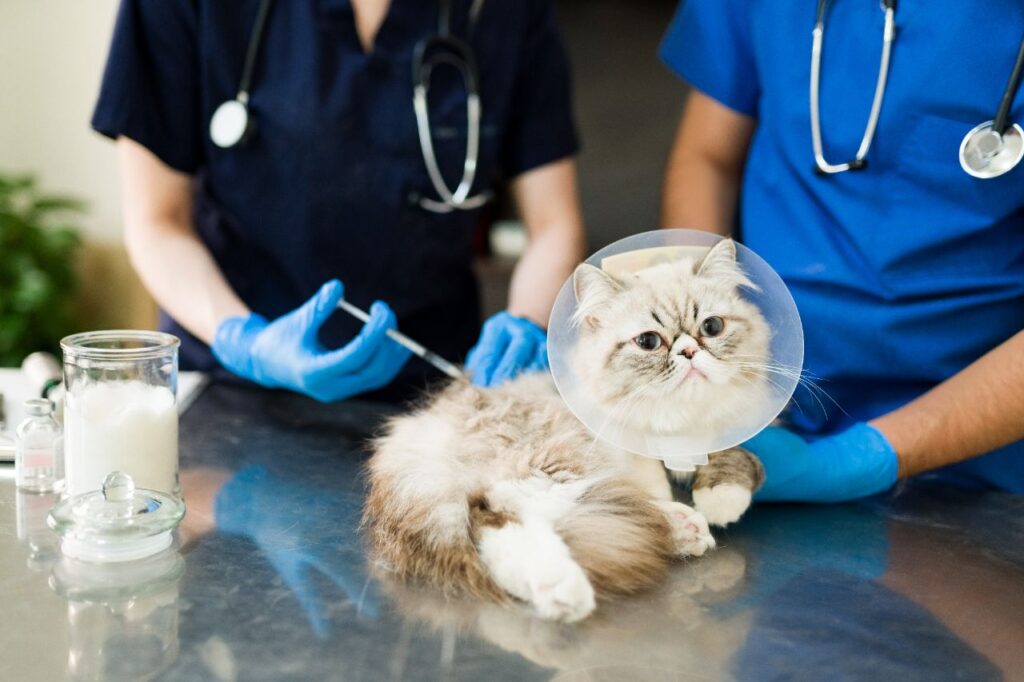
When it comes to health, Persian cats are generally more prone to a range of issues. Their flat faces can lead to brachycephalic-related problems, including respiratory difficulties and dental issues, such as overcrowded teeth and gum disease. On the other hand, Ragdolls, while typically healthier overall, are not without their concerns. They can be prone to heart conditions like hypertrophic cardiomyopathy and urinary tract problems. Regular vet checkups, dental care, and grooming are important for both breeds to maintain their well-being.
8. Exercise Needs

When it comes to exercise, Persian and Ragdoll cats have different requirements. Persians are more laid-back and typically enjoy lounging rather than engaging in active play. Their low energy level means they’re content with short bursts of activity, like batting at a toy or exploring a few areas of the home. In contrast, Ragdolls are much more playful and active, often seeking interactive playtime with their owners. They enjoy games that involve movement, such as chasing a string or fetch, and benefit from regular physical stimulation to stay healthy and happy.
Love Pets as Much as We Do?

Scroll up and click the ‘Follow’ button to stay updated with the latest heartwarming, hilarious, and helpful pet posts from Pawdown, delivered straight to your Microsoft Start feed and MSN homepage!