
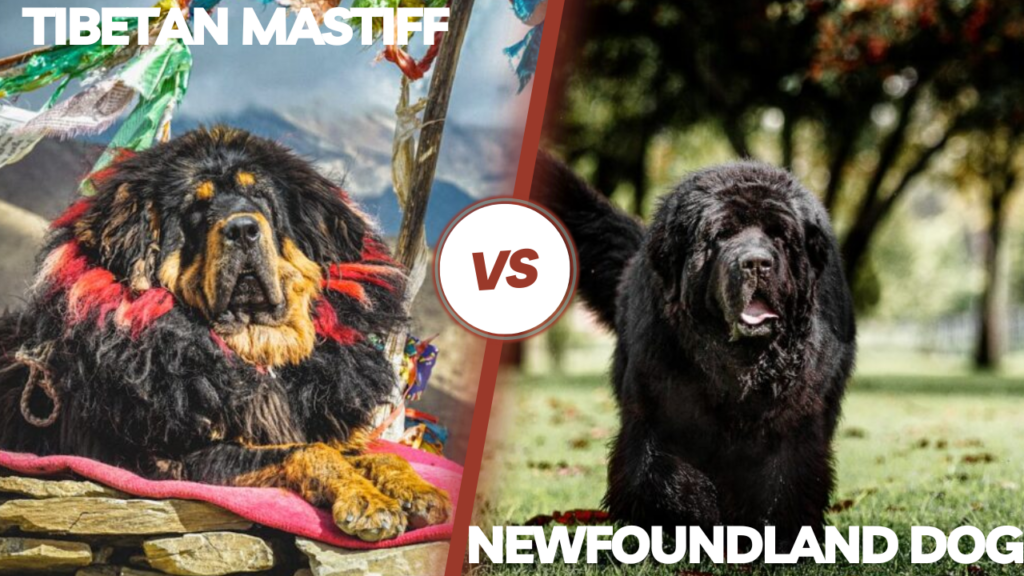
Tibetan Mastiffs and Newfoundland dogs are both large, majestic breeds, but their differences are striking! From their history and temperament to their care needs and physical traits, these two giants bring unique qualities. If you’re trying to decide between the two, understanding their key differences is essential to choosing the right companion. Let’s dive into the 8 key distinctions that set these two incredible breeds apart!
1. Temperament

Tibetan Mastiffs and Newfoundland dogs differ greatly in temperament. Tibetan Mastiffs are known for their independent, aloof nature, often described as reserved and protective, making them excellent guard dogs. They tend to bond closely with their families but may be wary of strangers. In contrast, Newfoundlands are famously gentle and friendly, with a calm demeanor and a natural love for children and families. They’re known for their loyalty, social nature, and ability to get along with everyone, including other pets.
2. Barking Nature

Tibetan Mastiffs and Newfoundland dogs differ significantly in their barking nature. Tibetan Mastiffs are known for being vocal guardians; they have a deep, booming bark and often bark to alert their owners of any perceived threat. They are naturally protective and tend to be reserved, only barking when necessary. On the other hand, Newfoundland dogs are much quieter by nature. While they will bark to alert their family members, they are generally less vocal and more laid-back. Their calm demeanor makes them less likely to bark excessively compared to the Tibetan Mastiff’s more vocal nature.
3. In-door Environment Adaptability

Tibetan Mastiffs and Newfoundland dogs differ greatly in their adaptability to indoor environments. Tibetan Mastiffs are known for their independent nature and can be more aloof, requiring plenty of space to roam. They may not be as content in smaller indoor spaces and often prefer having their own territory. On the other hand, Newfoundland dogs are generally more laid-back and adaptable, thriving in indoor settings if provided with regular exercise. Their calm temperament and affectionate nature make them better suited for family life inside the home.
4. Mouthing Tendency

Mouthing tendency refers to a dog’s natural instinct to use its mouth to explore the world. When comparing Tibetan Mastiffs and Newfoundland dogs, their mouthing behavior can differ significantly. Tibetan Mastiffs, while calm and reserved, may exhibit mouthing when they feel threatened or need to assert dominance, especially in their protective nature. On the other hand, Newfoundland dogs tend to have a gentler disposition and are less prone to mouthing, focusing more on their loving, patient nature. However, both breeds can benefit from training to manage mouthing.
5. Grooming Requirements
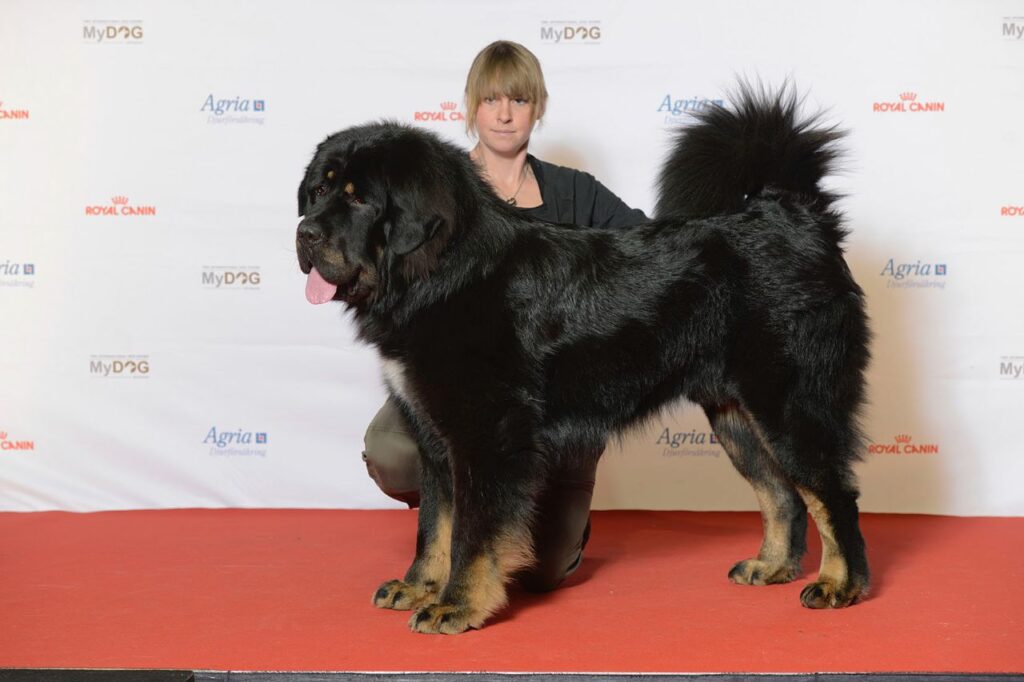
Tibetan Mastiffs generally require less grooming effort, as their dense double coat only needs regular brushing and occasional baths to stay in good condition. They don’t require extensive care beyond these basics. In contrast, Newfoundland dogs have a thicker, water-resistant coat that demands more frequent grooming. Their fur needs consistent brushing to avoid matting and tangling, and extra care is needed to keep it dry and healthy, especially given its ability to retain moisture. While both breeds need regular care, the Newfoundland’s grooming routine is more demanding.
6. Shedding Level
Newfoundland dogs shed more than Tibetan Mastiffs. Their thick, water-resistant double coat sheds heavily year-round, particularly during seasonal changes. Regular grooming is essential to manage the shedding and prevent mats from forming. In comparison, Tibetan Mastiffs also have a thick double coat, but their shedding tends to be more seasonal, with heavier shedding occurring in spring and fall. While both breeds require regular grooming, Newfoundlands shed more consistently, making their coat care more demanding throughout the year.
7. Trainability

When it comes to trainability, Tibetan Mastiffs and Newfoundland dogs differ significantly. Tibetan Mastiffs are independent and strong-willed, which can make training challenging. They require firm and consistent leadership but may not always be eager to please. In contrast, Newfoundlands are known for their gentle, patient nature and willingness to work, especially in water rescue roles. Their natural intelligence and calm demeanor make them easier to train, and they excel in obedience, often working as rescue dogs due to their strong swimming abilities and instinctive rescue skills.
8. Compatibility With Other Pets

When it comes to compatibility with other pets, Tibetan Mastiffs and Newfoundland dogs differ significantly. Tibetan Mastiffs are known for their independent nature, sometimes making them less tolerant of other animals, especially small pets or other dogs they perceive as threats. They require careful socialization from a young age. In contrast, Newfoundland dogs are generally more sociable and adaptable, often getting along well with other pets, including dogs, cats, and even small animals. Their gentle and patient temperament makes them a better choice for multi-pet households.
Love Pets as Much as We Do?

Scroll up and click the ‘Follow’ button to stay updated with the latest heartwarming, hilarious, and helpful pet posts from Pawdown, delivered straight to your Microsoft Start feed and MSN homepage!