
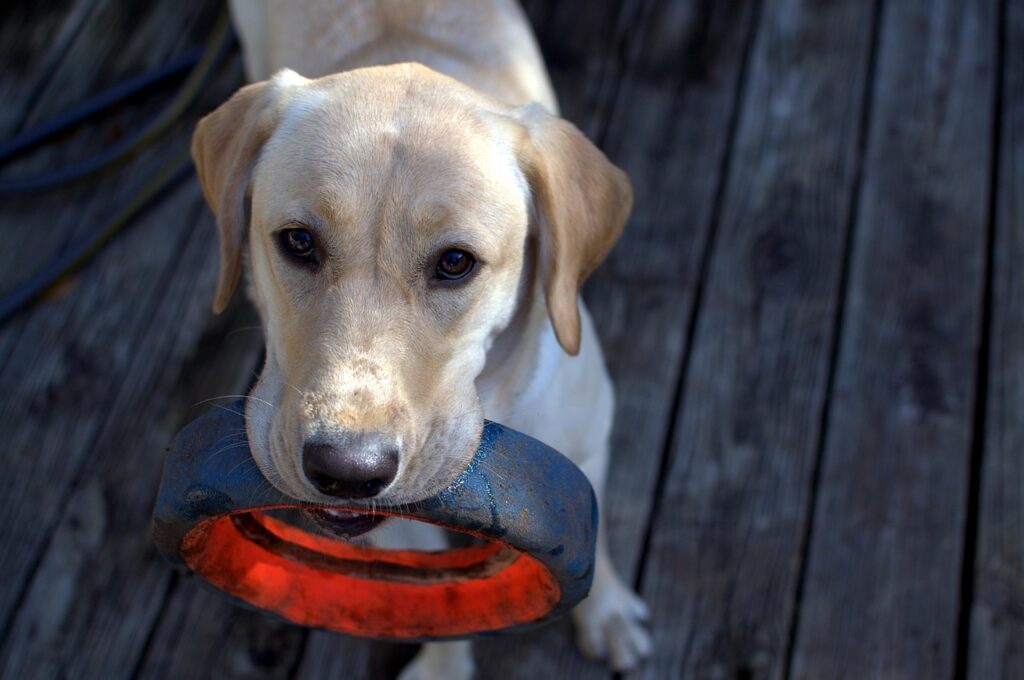
Fetch is one of the most beloved games to play with dogs. It provides excellent exercise, mental stimulation, and strengthens the bond between you and your furry friend. Some dogs instinctively understand the game, joyfully chasing after a ball or frisbee and eagerly bringing it back. Others, however, may take a bit longer to grasp the concept or simply show little interest. Let’s see eight dog breeds that naturally excel at fetch and eight that may need a little extra encouragement.
1. Labrador Retriever

Labrador Retrievers are perhaps the most famous fetch enthusiasts. Originally bred as retrieving dogs, they have an innate desire to chase and return objects. Their high energy levels, intelligence, and eagerness to please make them ideal for fetch games. Whether it’s a ball, frisbee, or stick, a Labrador will happily retrieve it for hours. Their love for water also makes them excellent at retrieving objects from lakes or pools. Labradors require plenty of exercise, and fetch provides the perfect way to keep them physically and mentally engaged.
2. Golden Retriever
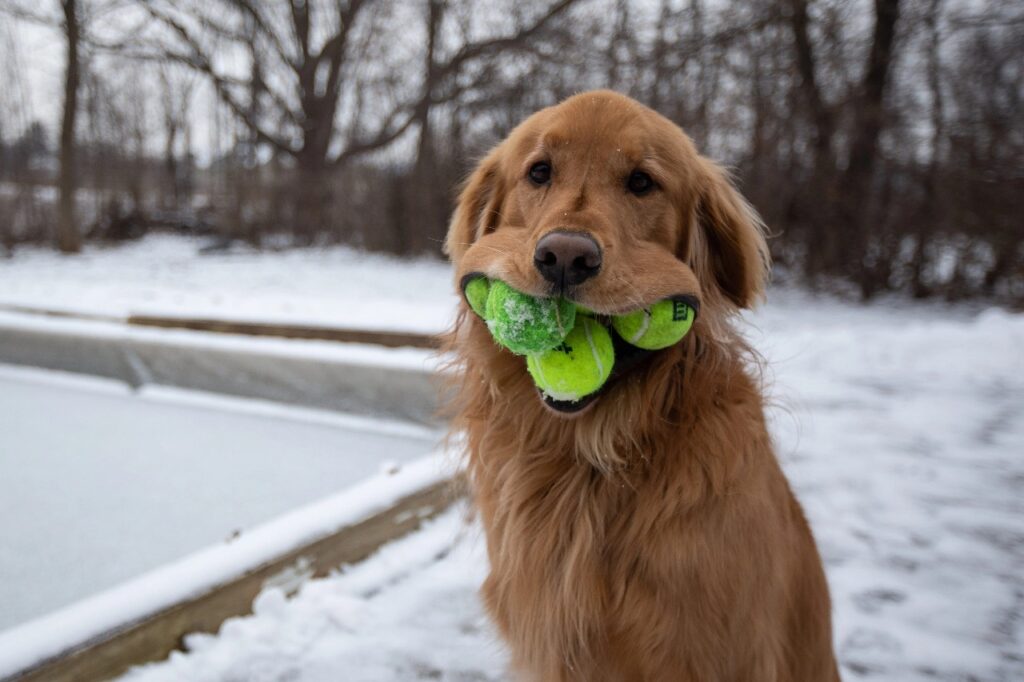
Golden Retrievers are another breed that excels at fetch due to their strong retrieving instincts. These affectionate and intelligent dogs thrive on human interaction, making them eager participants in games that involve teamwork. Their soft mouths, originally developed for retrieving game without damaging it, allow them to carry balls or toys gently. Goldens are known for their boundless enthusiasm and willingness to learn, making them quick to pick up the rules of fetch. A game of fetch not only keeps them active but also satisfies their need for companionship.
3. Border Collie

Border Collies are known for their intelligence and herding instincts, but they also excel at fetch. Their incredible agility and stamina allow them to chase after a ball with impressive speed and precision. These dogs require substantial mental and physical stimulation, making fetch an excellent way to keep them engaged. They quickly learn the rules of the game and often develop strategies to retrieve objects more efficiently. Because of their high intelligence, Border Collies may even start anticipating where the ball will land, making the game even more exciting.
4. Australian Shepherd

Australian Shepherds are energetic working dogs that love engaging activities, including fetch. Their natural athleticism and intelligence make them quick learners, and their herding background gives them a strong chase instinct. Aussies enjoy structured play and need plenty of exercise to prevent boredom. Fetch is a fantastic way to channel their energy productively while also strengthening their bond with their owners. These dogs are known for their playful personalities, and their love for running makes them eager participants in any game of fetch.
5. Jack Russell Terrier

Despite their small size, Jack Russell Terriers are packed with energy and have a strong prey drive, making them excellent at fetch. Their natural instincts push them to chase after anything that moves, and their intelligence allows them to quickly grasp the game’s concept. Jack Russells love interactive play and will often demand more rounds of fetch than their owners can keep up with. Their boundless enthusiasm and determination mean they will chase after balls or toys tirelessly, making them a great companion for active individuals.
6. Belgian Malinois

The Belgian Malinois is a high-energy breed that thrives on structured activities like fetch. These intelligent and athletic dogs have a strong drive to chase, making them natural fetch players. They require plenty of mental and physical stimulation, and a game of fetch helps meet both needs. Their speed and agility allow them to excel at catching and retrieving objects, making them excellent for advanced fetch games, including frisbee. The Malinois enjoys working with their owners, making fetch a rewarding and engaging activity.
7. Dalmatian

Dalmatians have a long history as carriage and firehouse dogs, which contributes to their high energy levels and endurance. Their love for running makes fetch an ideal activity for them. While not originally bred for retrieving, many Dalmatians develop a strong affinity for the game, especially if introduced at an early age. Their athletic build allows them to run long distances without tiring easily. They enjoy the excitement of chasing after a ball, and the physical exertion helps keep them happy and well-behaved.
8. English Springer Spaniel

English Springer Spaniels were bred as hunting and retrieving dogs, making them natural fetch players. Their energetic and playful nature ensures they are always up for a game. These dogs have a strong retrieving instinct, and their love for water means they’ll happily fetch objects from ponds or lakes. Springer Spaniels enjoy bonding with their owners through play, and fetch provides the perfect mix of exercise and interaction. Their eagerness to please makes them quick learners, and their stamina allows them to play for extended periods.
8 Dogs That Are Slow Learners
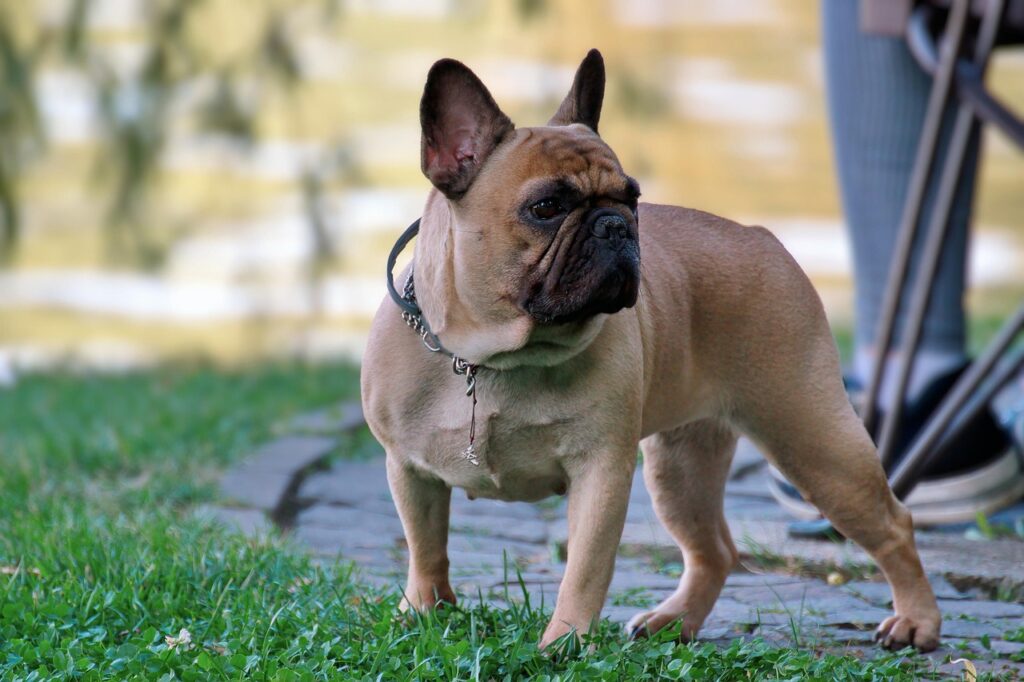
Not all dogs learn at the same pace. Some breeds pick up commands quickly, while others take a little more time and patience. Dogs that are considered slow learners are not necessarily less intelligent; they often have independent, stubborn, or instinct-driven personalities that make training more challenging. If you own one of these breeds, understanding their unique traits and using the right training approach can make a big difference. Here are eight dog breeds that are known for being slow learners.
1. Basset Hound

Basset Hounds have an incredible sense of smell, which often overrides their ability to focus on training. Bred as scent hounds, they are more interested in following a trail than listening to commands. Their independent nature makes them seem slow learners, but it’s more about their stubbornness than a lack of intelligence. Training them requires patience, as they respond best to positive reinforcement methods, including treats and praise. Short, engaging sessions work best to keep them interested.
2. Bulldog
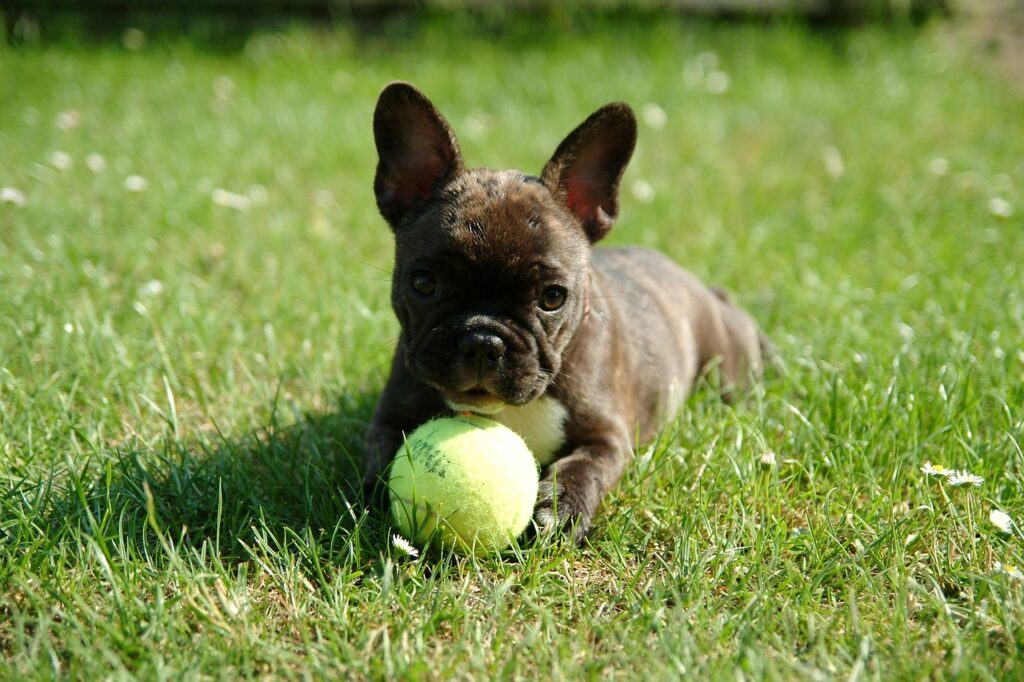
Bulldogs have a strong-willed and independent nature, making training a bit of a challenge. They are not highly energetic dogs, which can make them appear uninterested in learning. However, with the right motivation—especially food-based rewards—they can grasp commands over time. Their stubbornness means consistency is essential. Bulldogs require repetitive training sessions in a calm, firm, and positive manner to help them understand expectations and retain learned behaviors effectively.
3. Afghan Hound

Afghan Hounds are often considered one of the most independent dog breeds. Originally bred for hunting in harsh environments, they rely on their instincts rather than human direction. While they are intelligent, their aloof personality makes them less inclined to follow commands. Training an Afghan Hound requires patience, as they tend to respond only when they feel like it. Keeping training sessions short and rewarding them with treats can help maintain their interest, but they will never be the most obedient breed.
4. Chow Chow

Chow Chows are known for their cat-like personalities and independent mindset. They are naturally aloof and often selective about obeying commands. While they can learn, they do so at their own pace and only when they deem it necessary. Early socialization and training with positive reinforcement are crucial to ensuring they follow basic obedience. Due to their strong-willed nature, owners need to establish clear leadership. They learn best when trained with a steady, patient, and consistent approach.
5. Pekingese

Pekingese dogs were bred as royal companions, and their independent nature reflects their aristocratic past. They are not highly motivated to obey commands unless there’s something in it for them. While intelligent, they have a stubborn streak that makes training difficult. They respond best to positive reinforcement techniques but dislike repetitive tasks. Keeping training sessions short and rewarding them with treats or praise is the best way to make progress. Their strong-willed nature requires an owner with patience.
6. Beagle

Beagles are highly intelligent but easily distracted due to their incredible sense of smell. Bred as scent hounds, they tend to focus more on their environment than on training commands. This makes them seem slow learners, but they are simply more motivated by scents than by obedience training. Beagles respond best to training that includes rewards and patience. A structured approach with positive reinforcement, combined with short, engaging sessions, helps keep them on track despite their natural distractions.
7. Mastiff

Mastiffs are large, gentle dogs that tend to have a slow, laid-back approach to life. They are intelligent but can be stubborn or appear uninterested in training. Their size and strength require consistent, patient training from an early age. Mastiffs respond best to firm but gentle guidance, as they can be sensitive to harsh corrections. Their training should focus on short, engaging sessions with plenty of positive reinforcement. While they may take time to learn commands, they are loyal and eager to please once trained.
8. Bloodhound

Bloodhounds are known for their exceptional sense of smell, which often distracts them during training. Their intelligence is undeniable, but they are more focused on following scents than learning commands. Because of this, they can be slow to respond to training. Bloodhounds require a lot of patience and positive reinforcement to stay engaged. Short, frequent training sessions work best, and using treats as motivation helps them stay focused. While they may take longer to train, their affectionate nature makes them wonderful companions.
Love Pets as Much as We Do?

Scroll up and click the ‘Follow’ button to stay updated with the latest heart-warming, hilarious, and helpful pet posts from Pawdown, delivered straight to your Microsoft Start feed and MSN homepage!