
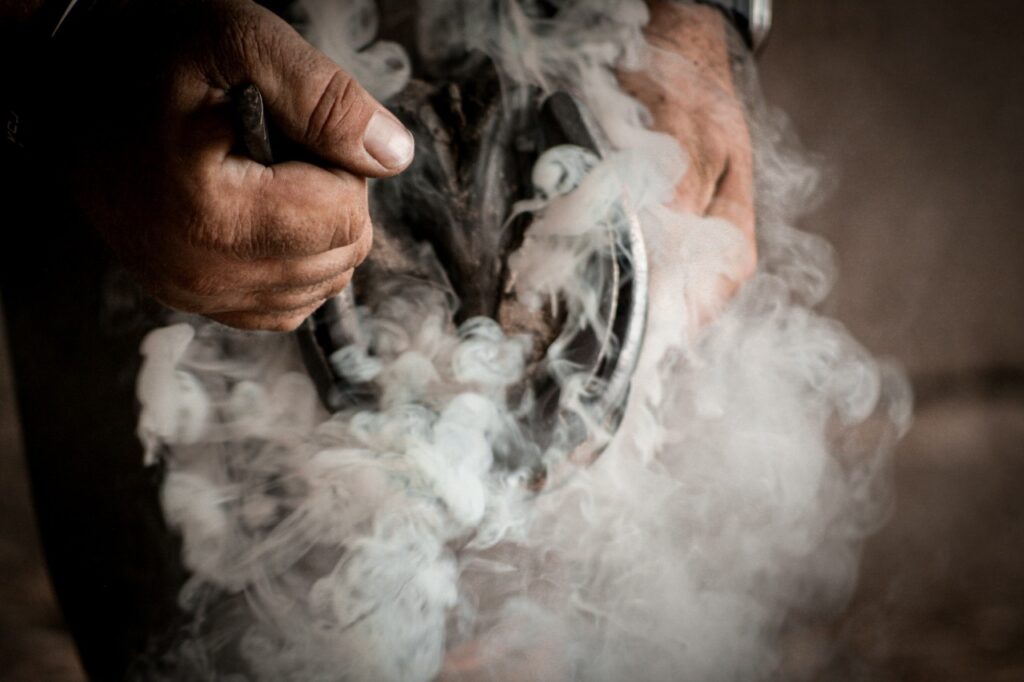
Horseshoes have been a cornerstone of equine care for centuries, critical in protecting and maintaining hoof health. While wild horses naturally wear their hooves down through constant movement over varied terrain, domesticated horses often face different challenges. From supporting hoof structure to improving traction, horseshoes help equines perform a variety of tasks while minimizing risks to their feet. Understanding the necessity of horseshoes and their impact on hoof care helps horse owners make informed decisions. Let’s explore the key reasons why horseshoes are indispensable for your horse’s well-being.
1. Protection from Rough Terrain
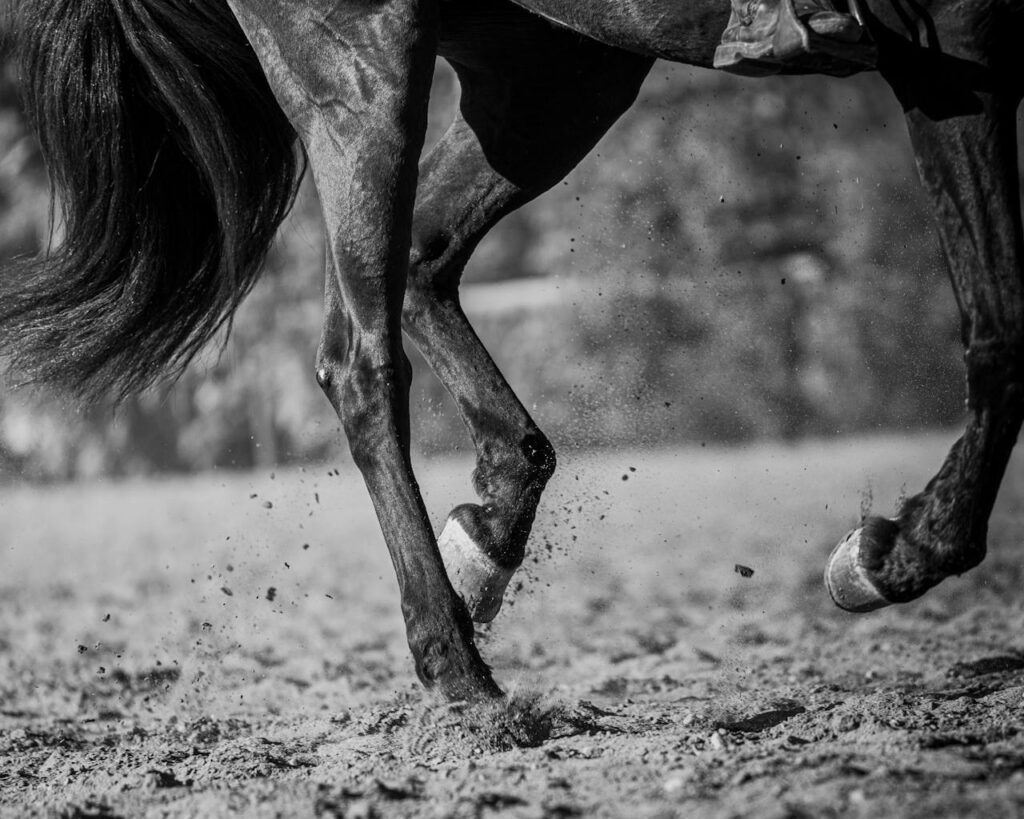
Horseshoes act as a crucial shield for hooves, protecting them from the damage caused by rough or abrasive surfaces. Domesticated horses often traverse environments such as gravel roads, rocky paths, or hard pavement, which can lead to bruises, cracks, or punctures in their hooves. Without horseshoes, sharp objects like nails, glass, or metal debris could cause severe injuries that might lead to infections or long-term lameness. Additionally, shoes mitigate the risk of hooves wearing down excessively due to frequent contact with hard surfaces, ensuring the horse remains sound and comfortable during daily activities.
2. Improved Traction and Stability
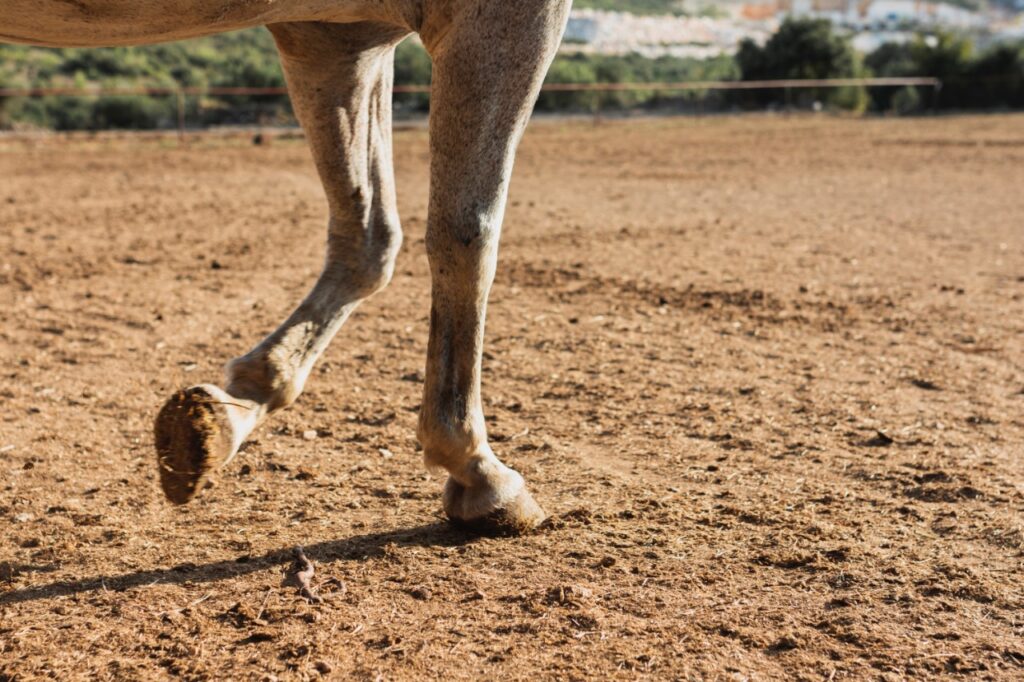
Horseshoes are essential for enhancing a horse’s grip and stability, particularly on slippery, uneven, or icy terrain. For working or performance horses, specialized shoes equipped with studs or rubber coatings provide additional traction to prevent slips and falls. This is particularly beneficial for horses competing in events like showjumping, racing, or cross-country, where stability is crucial. Even in everyday riding scenarios, shoes can help horses navigate muddy trails or rocky hills with ease, ensuring safety for both the horse and rider. Improved traction not only prevents injuries but also enhances the horse’s overall confidence and performance.
3. Reduced Hoof Wear

In the wild, horses naturally wear down their hooves through continuous movement over varied terrain, maintaining a healthy balance. However, domesticated horses often work on hard or artificial surfaces, which accelerate hoof wear and can result in uneven growth. Horseshoes provide a layer of protection that absorbs the pressure of impact, preventing the hooves from becoming too short or damaged. For horses engaged in activities like pulling carriages, frequent roadwork, or high-intensity training, shoes ensure that the hooves maintain their structure and strength, allowing the horse to stay active and comfortable.
4. Support for Weak or Brittle Hooves
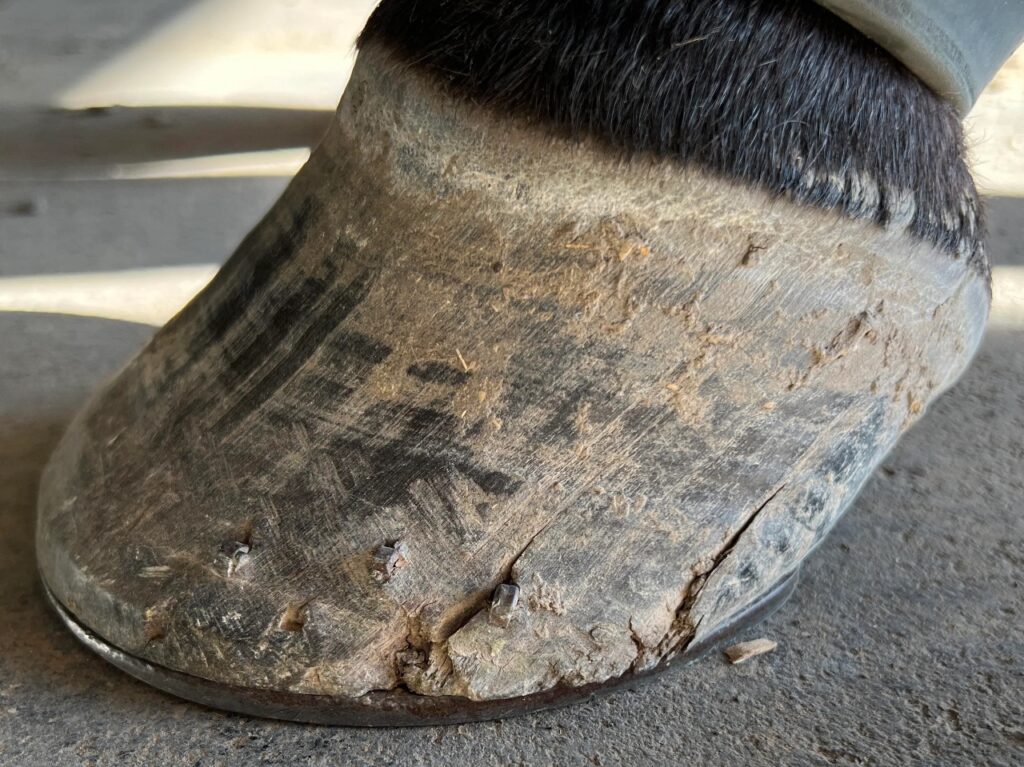
Some horses naturally have brittle or weak hooves that are prone to cracking, splitting, or crumbling, regardless of how well they are cared for. Weather conditions such as hot summers and wet winters can further weaken hooves, increasing the likelihood of damage. Horseshoes provide much-needed stability and protection for fragile hooves, reducing the risk of injury and supporting proper hoof growth. By reinforcing the hoof wall, shoes help maintain the horse’s soundness and mobility. A skilled farrier can assess the horse’s needs and recommend the right type of shoe to ensure optimal hoof health.
5. Corrective Benefits for Conformation Issues
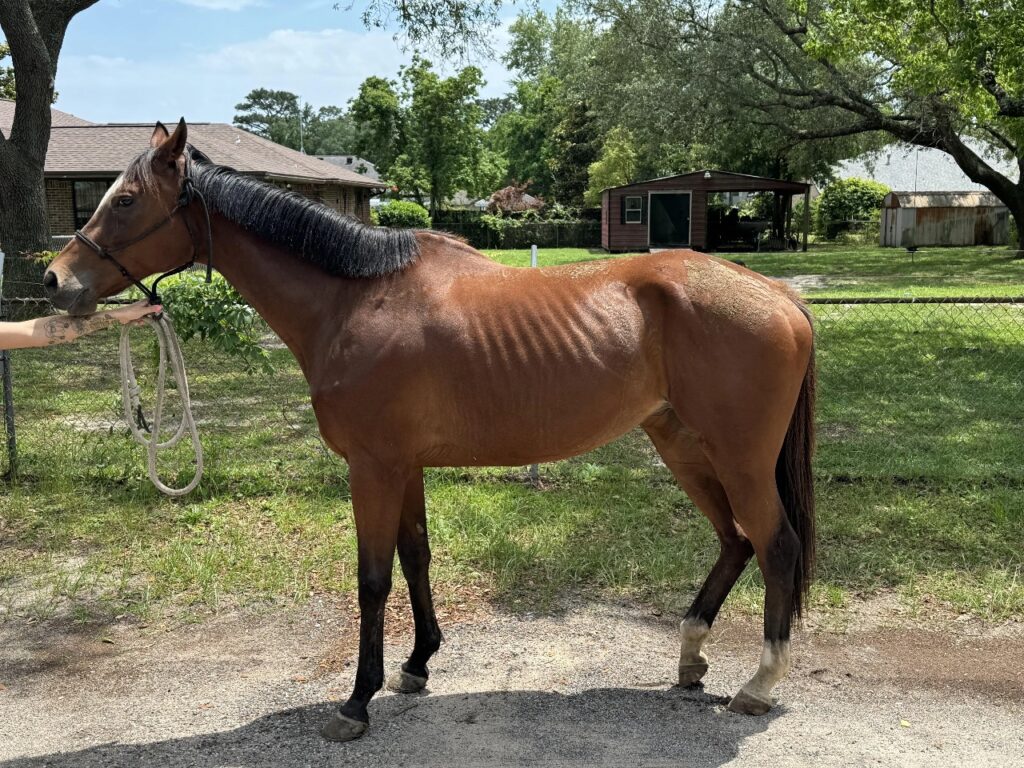
Not all horses have perfect leg or hoof alignment, and these conformation issues can lead to long-term discomfort, lameness, or uneven wear. Horseshoes crafted by skilled farriers can address these problems by redistributing weight and providing extra support to the affected areas. For instance, horses with flat feet or contracted heels may benefit from shoes that lift and balance their hooves, reducing strain on joints and tendons. Corrective shoeing can also help improve gait irregularities and promote better posture, allowing the horse to move more comfortably and efficiently while minimizing the risk of injury.
6. Relief During Recovery from Illness or Injury

Horses recovering from hoof-related illnesses or injuries, such as laminitis, abscesses, or sole bruises, often require additional support to aid in their healing. Specialized horseshoes, such as heart-bar or egg-bar designs, are designed to alleviate pressure and stabilize the hoof during recovery. These shoes provide targeted support to areas that need relief, enabling the horse to regain mobility while minimizing discomfort. In cases of chronic conditions, therapeutic shoeing can help manage symptoms, prevent further complications, and ensure a better quality of life for the horse, allowing it to return to work or leisure activities safely.
7. Cushioning for High-Impact Activities
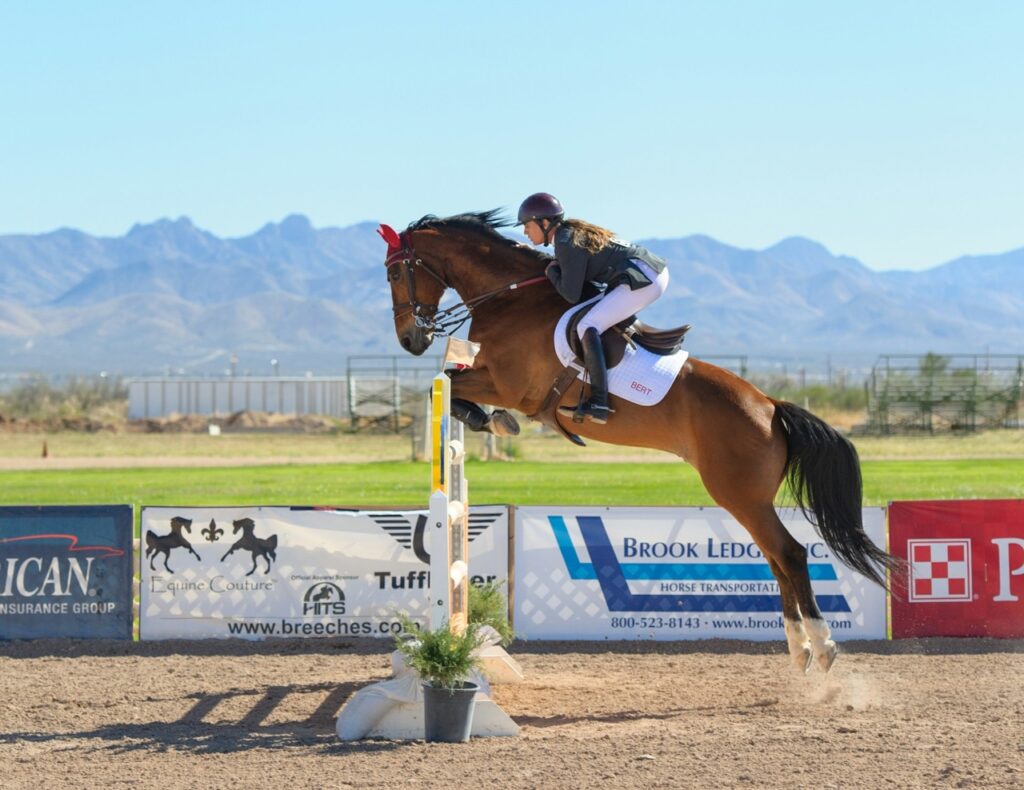
Performance horses involved in high-impact disciplines, such as racing, showjumping, or eventing, place significant stress on their hooves, joints, and lower limbs. Horseshoes act as shock absorbers, distributing the impact of galloping, landing, and other strenuous activities. By cushioning the hooves and reducing vibrations, shoes help prevent injuries and alleviate strain on the horse’s skeletal system. This protection is especially important for horses working on hard or uneven surfaces, as it ensures their legs remain healthy and sound. For competitive horses, this added support can make a noticeable difference in both their performance and long-term health.
8. Adaptability to Specialized Needs
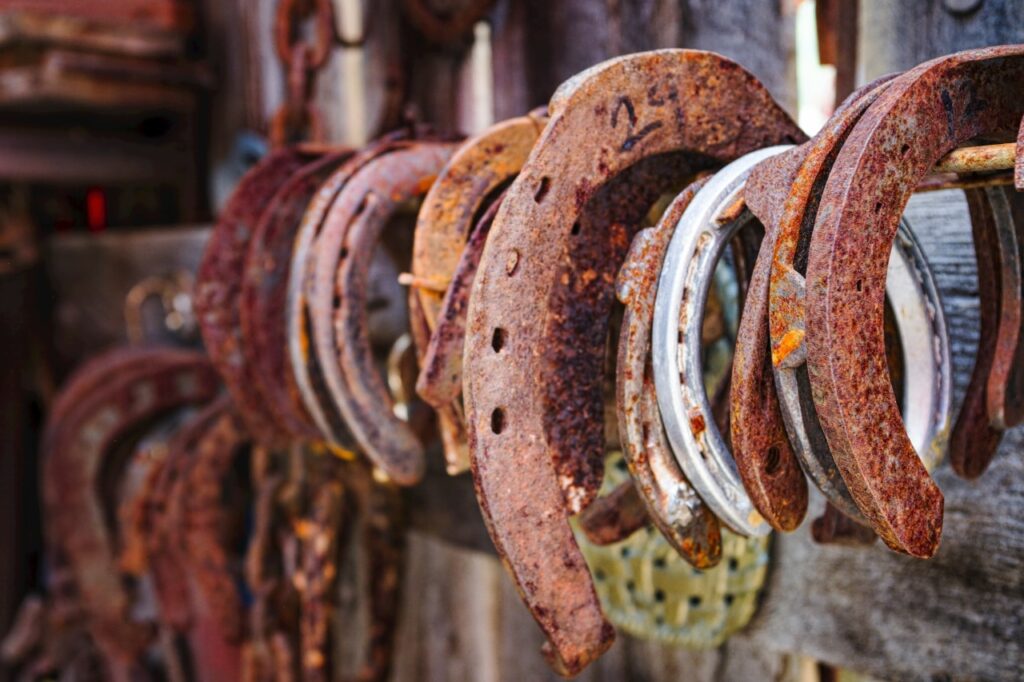
Horseshoes come in a wide variety of materials and designs to meet the specific requirements of different horses and activities. Lightweight aluminum shoes are ideal for racehorses to reduce weight and improve speed, while steel shoes offer durability for working horses. Plastic and rubber shoes provide a gentle option for horses with sensitive hooves, and heart-bar shoes are commonly used to support conditions like laminitis. Farriers can customize shoes to address unique challenges, such as uneven wear or challenging terrain, ensuring that every horse gets the protection and support they need to thrive.
Love Pets as Much as We Do?

Scroll up and click the ‘Follow’ button to stay updated with the latest heart-warming, hilarious, and helpful pet posts from Pawdown, delivered straight to your Microsoft Start feed and MSN homepage!