

Chihuahuas may be tiny, but they have big personalities. While some individual Chihuahuas can thrive in family settings, the breed as a whole presents challenges that may not make them the best fit for households with young children. Their small size, spirited temperament, and sensitivity to rough handling can create situations where both the dog and child are at risk. Families considering a Chihuahua should understand these factors to ensure a safe and harmonious home environment.
Fragility Due to Small Size

Chihuahuas are among the smallest dog breeds, typically weighing under six pounds. While their size may seem ideal for families with young children, it actually makes them more vulnerable to injuries. Accidental drops, rough play, or even a child stepping on them can lead to serious harm. Unlike larger, sturdier breeds, Chihuahuas have delicate bones that can easily break from even minor mishandling. Families with toddlers or young kids who are still learning to be gentle with pets may find it difficult to keep a Chihuahua safe.
Defensive Temperament

Despite their small stature, Chihuahuas have strong personalities and can be quite territorial. If they feel threatened or overwhelmed, they are more likely to react with growling, snapping, or even biting. Young children, who may not fully understand boundaries, could unintentionally provoke defensive behaviors. Unlike some larger, more patient breeds that tolerate the playful antics of kids, Chihuahuas tend to be less forgiving when they feel their space is being invaded.
Need for Gentle Handling

Teaching children how to handle a dog properly is essential for any breed, but it’s especially important with Chihuahuas. Their small size means they must be handled with care, and sudden movements or rough play can make them anxious. A child who picks up a Chihuahua incorrectly or squeezes too hard may unintentionally frighten or injure the dog. In turn, the Chihuahua may react with fear-based aggression. Families who are not able to closely supervise interactions may find it challenging to prevent accidental harm.
High Energy Levels
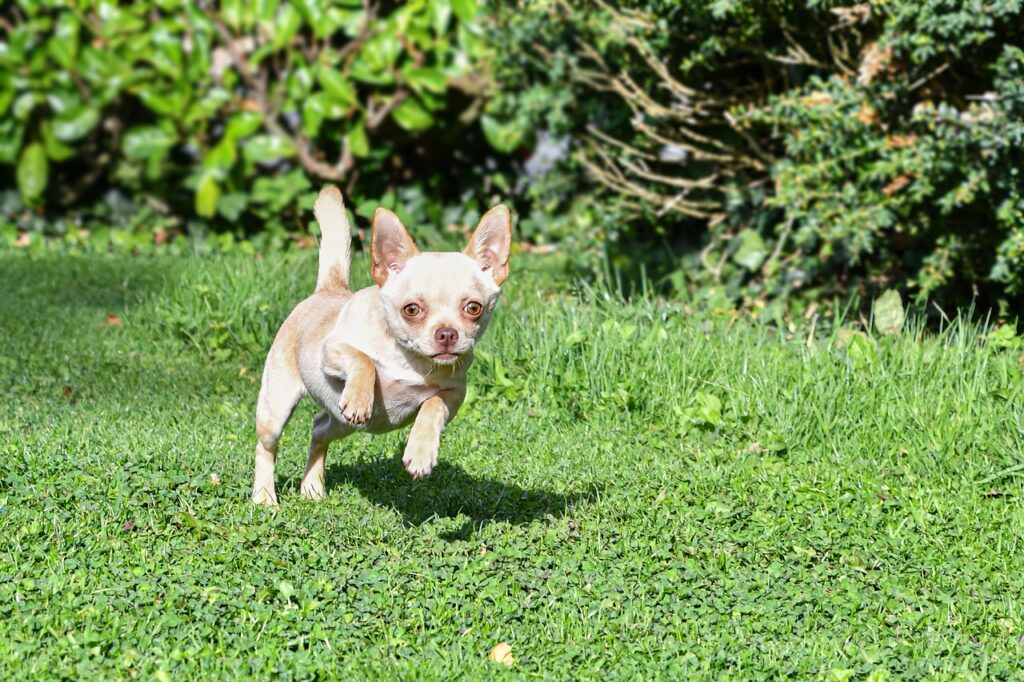
Chihuahuas are surprisingly energetic for their size. They can be playful, excitable, and even a bit hyperactive, which may not always align with a family’s expectations for a small dog. Their bursts of energy can lead to excessive barking, jumping, and zooming around the house, which may overwhelm young children. Additionally, their vocal nature means they tend to bark at unfamiliar sounds or sudden movements, which might create a noisy environment in a household with already active kids.
Strong Bonding with a Single Person

Chihuahuas are known for their deep attachment to one particular person in the household. While this can be endearing, it may cause issues in a family setting. If a Chihuahua bonds primarily with one adult or older child, they may become possessive and show reluctance toward others. In some cases, they may growl or snap if they feel their favorite person is being approached by someone else. This protective behavior can lead to tension, especially in a household with multiple children who want equal attention from their pet.
Socialization Requirements

Chihuahuas require consistent socialization from a young age to develop a well-balanced temperament. Without proper exposure to different people and environments, they can become anxious or overly cautious. This can be problematic in a household with children, as young kids tend to move quickly, make loud noises, and engage in unpredictable play. If a Chihuahua isn’t properly socialized, they may react negatively to these common household dynamics, leading to stress for both the pet and the family.
Sensitivity to Rough Play

Unlike some larger dog breeds that can tolerate a bit of roughhousing, Chihuahuas are not built for active play with young children. Their small bodies make them more prone to injury, and they may become fearful if a child chases or grabs them unexpectedly. Even if a child is playing with good intentions, a Chihuahua may misinterpret the interaction as a threat. This can result in defensive reactions, reinforcing the need for constant supervision and careful training.
Grooming and Maintenance

Despite their small size, Chihuahuas require regular grooming to keep their coats healthy. Both long-haired and smooth-coated varieties shed throughout the year, meaning they need brushing to reduce excess fur. They are also prone to dental problems, requiring frequent teeth cleanings to prevent health issues. For busy families with young children, keeping up with these grooming needs may become an additional responsibility that requires careful consideration before adopting a Chihuahua.
Love Pets as Much as We Do?

Scroll up and click the ‘Follow’ button to stay updated with the latest heartwarming, hilarious, and helpful pet posts from Pawdown, delivered straight to your Microsoft Start feed and MSN homepage!