
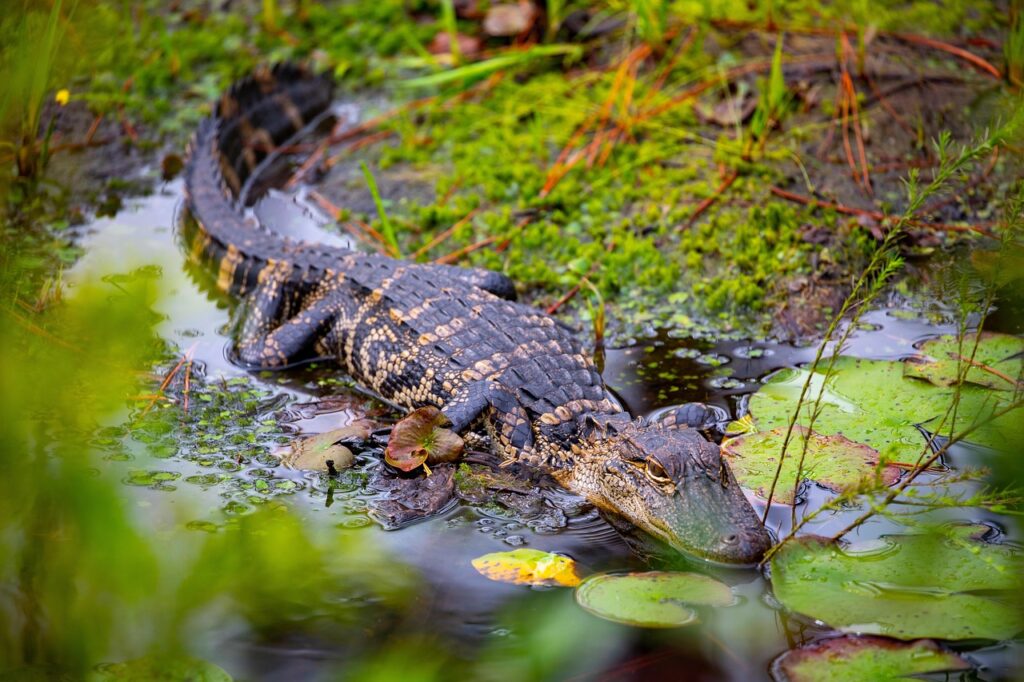
Water edges can be a hub of secret activity, especially when alligators are nearby. Whether you’re a nature enthusiast or someone adjusting to life near alligator habitats, knowing what signs to watch out for can make a world of difference. From subtle trails to telltale sounds, these prehistoric predators leave clues about their presence. So gather round as we dive into eight unmistakable signs that alligators may be lurking nearby and discuss some smart precautions to keep them at bay.
1. Tracks and Trails
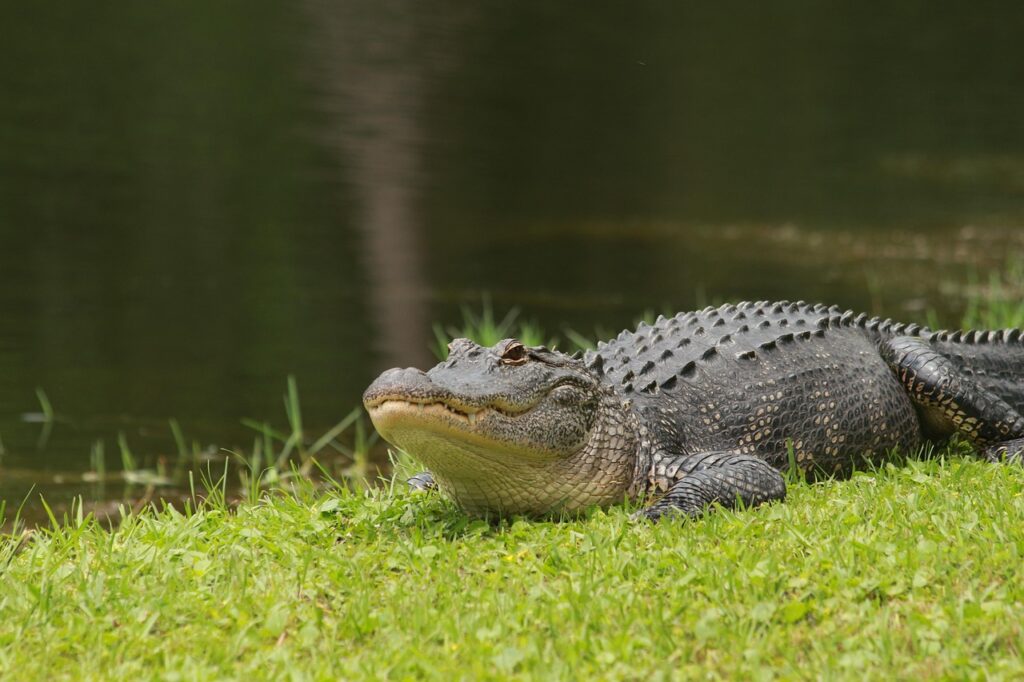
Subtle yet significant, alligator tracks are a key sign of their presence near water bodies. Look for star-shaped footprints, often evident in muddy or sandy banks. These creatures leave trails about a foot wide, occasionally dragging their tails as they move. These trails may appear intimidating, but they’re an essential marker of an alligator’s path. Recognizing and interpreting these signs can be a lifesaver for anyone frequenting these areas. Keep an eye out for these telltale marks to avoid unexpected encounters.
2. Drag Marks on Banks
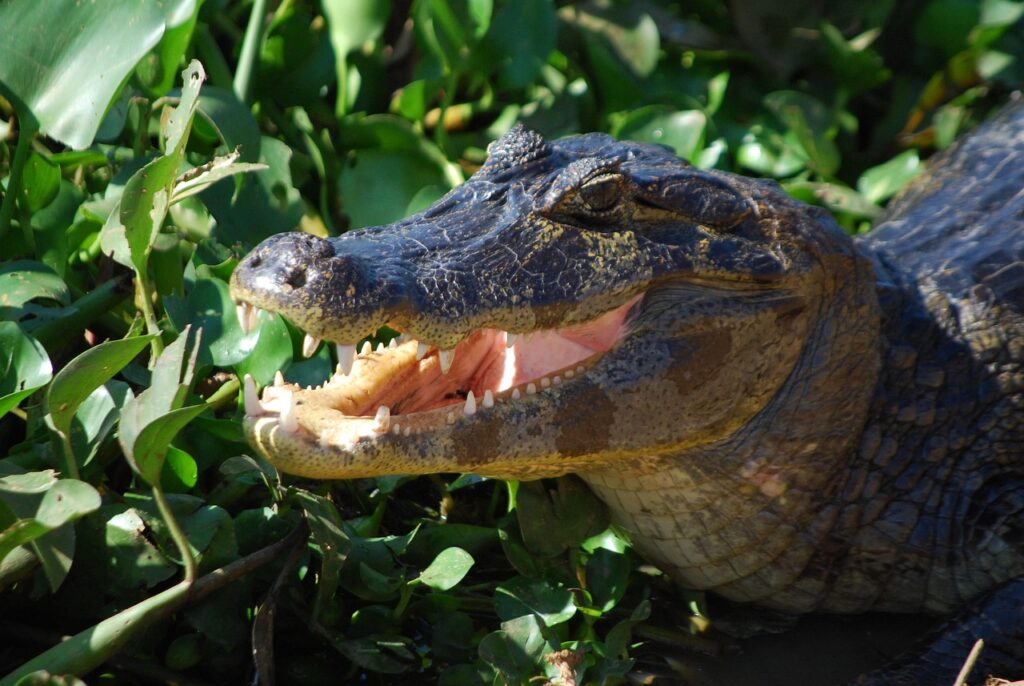
When alligators slide into the water, they often leave drag marks along the banks. These grooves can be several feet long and are formed by their hefty bodies shuffling through mud and sand. Noticing these distinctive drag marks is crucial for staying aware of potential nearby activity. They usually occur in areas where these reptiles frequently enter and exit the water, indicating a favored resting or hunting spot. Staying alert to these signs allows you to steer clear of danger.
3. Alligator Nests
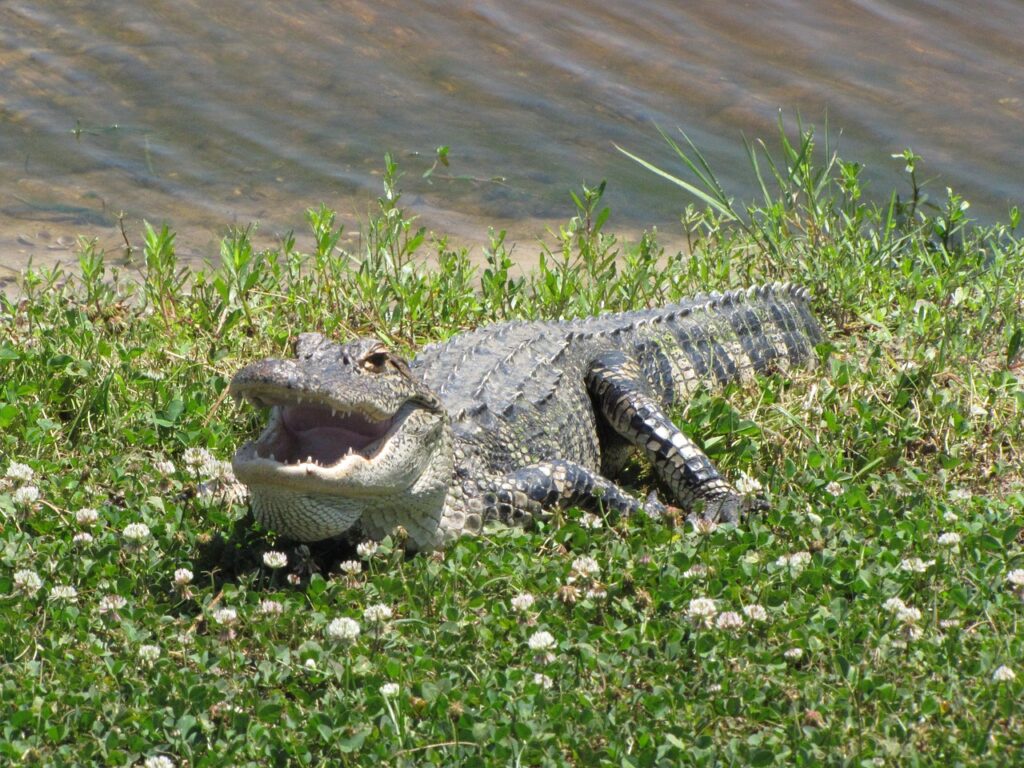
Egg-laying season reveals another vital clue—nests. Alligator nests resemble large mounds made of mud, vegetation, and sticks by the water’s edge. These mounds can reach up to three feet high and six feet wide, sheltering dozens of eggs. Discovering such a structure signals you’re in alligator territory, urging caution. These nests are fiercely guarded by protective mothers, so keeping a respectful distance is critical to avoiding unwelcome confrontations. They offer a fascinating insight into the secretive life cycle of alligators.
4. Distinctive Sounds
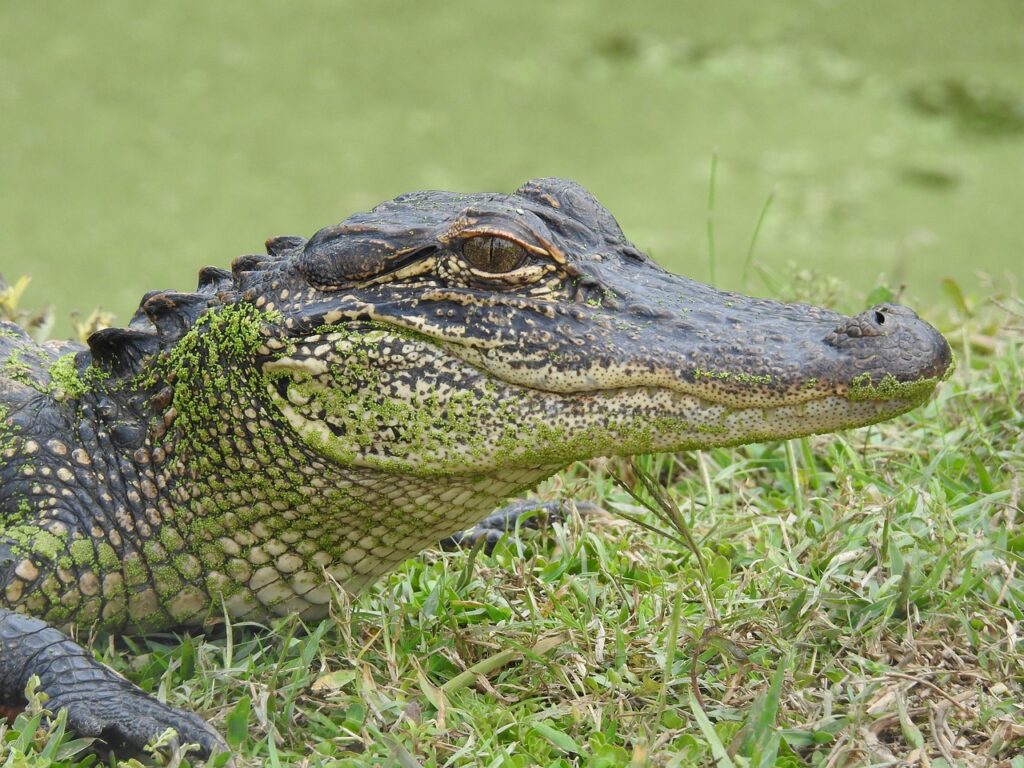
Alligators communicate through a variety of sounds, each serving a specific purpose. Hear the deep bellowing during mating season? That’s the males, showing off their size and strength. Meanwhile, young hatchlings emit high-pitched chirps, alerting their mothers. These vocalizations are more than mere noise; they’re the soundtrack of an environment teeming with life. Recognizing these calls can keep you informed of alligator presence without having to spot them visually, helping you maintain a respectful distance from these fascinating yet formidable animals.
5. Eye and Snout Visibility
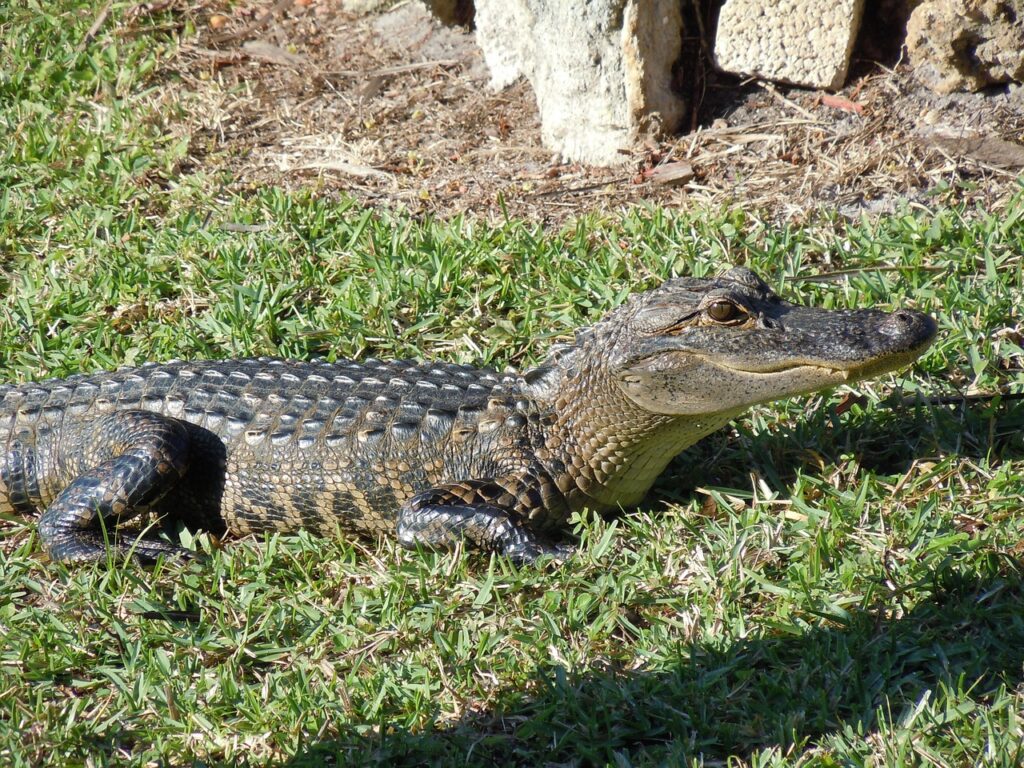
If you’ve ever wandered near a water’s edge and noticed carefully spaced ridges peering just above the surface, it might be more than just floating logs. Alligators often lie in wait with only their eyes and snout visible, using the stillness to their hunting advantage. This stealthy approach helps them blend effortlessly into their surroundings, a testament to their evolutionary prowess. Being vigilant and recognizing these subtle signs can keep you out of the danger zone. These peering pairs of eyes are a clear indication of a lurking predator.
6. Unusual Water Movement
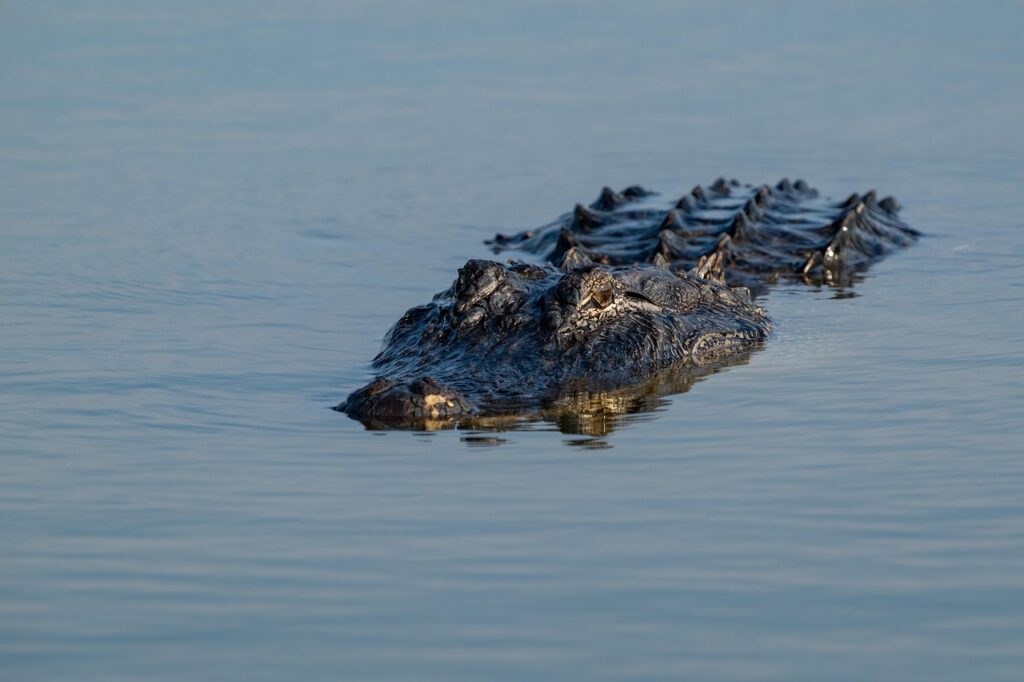
Keep an eye on the water’s surface for subtle, unusual movements, such as ripples or waves that seem to originate out of nowhere. Alligators possess a knack for moving silently underwater, their mere presence often causing disturbances detectable if you know what to look for. Such anomalies might signal their gliding form just beneath, preparing for a hunt. Recognizing these signs can serve as an early warning system, allowing you to safely distance yourself before any confrontation occurs. Remember, it’s not always overt movements that signal danger.
7. Freshly Disturbed Vegetation

Spotting areas where vegetation appears freshly disturbed can be a telltale sign of alligator activity. Whether it’s broken reeds, snapped branches, or crushed plant life, these clues suggest a recent visit by these ancient reptiles. Alligators often nest or travel through dense vegetation as they move between bodies of water. Such clues should heighten your awareness, prompting a cautious retreat. Nature leaves hints for those keen enough to notice, and these signs often lie just beyond the beaten path.
8. Presence of Prey Species
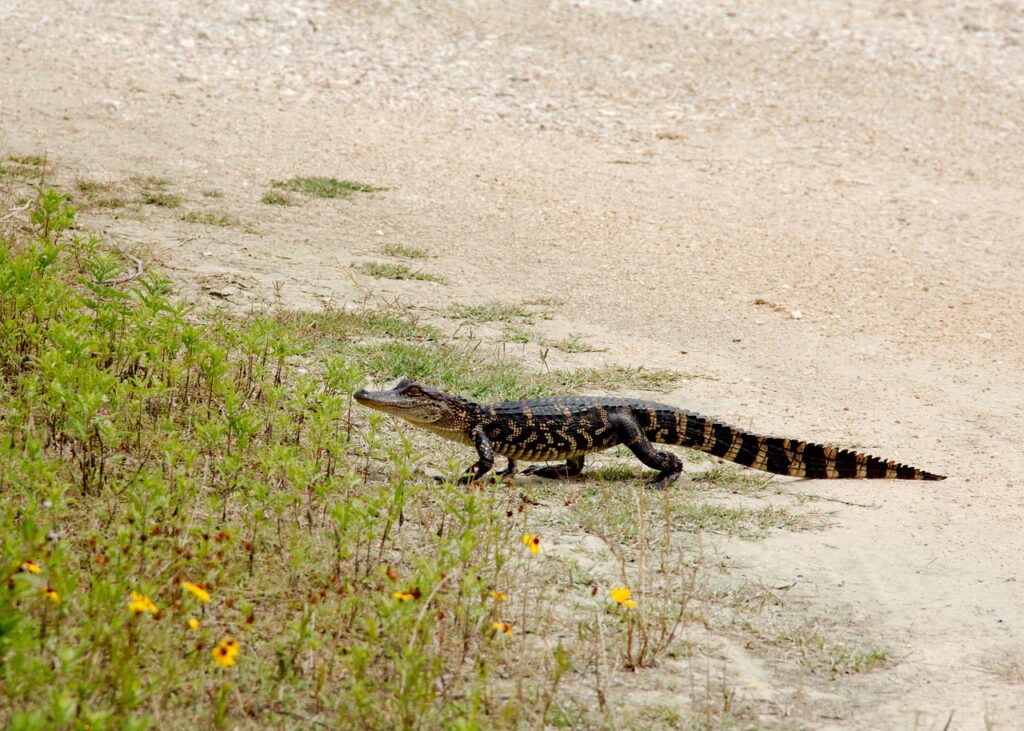
The old adage, “where there’s smoke, there’s fire,” holds true in the animal kingdom. A sudden presence of typical alligator prey, such as wading birds, fish, or turtles, could indicate a nearby alligator. These creatures attract reptiles seeking their next meal, and their abundance can unwittingly suggest lurking danger. By observing the balance of nature, you can anticipate potential threats. The intertwining relationships among species serve as nature’s complex signaling system, alerting each other—and keen observers like yourself—to imminent risks.
How to Keep Alligators at Bay

Safeguarding oneself from alligator encounters begins with smart prevention. Install barriers and fencing if you’re near known alligator habitats to prevent accidental intrusions. Keeping yards free of food scraps and direct access to bodies of water can deter these reptiles from wandering onto your property. If exploring near waterways, make noise to announce your presence and avoid areas with heavy vegetation where they might hide. Consistent vigilance and awareness are your best tools, ensuring that your encounters with these prehistoric creatures remain safely distant.
1. Stay Away from Water Edges
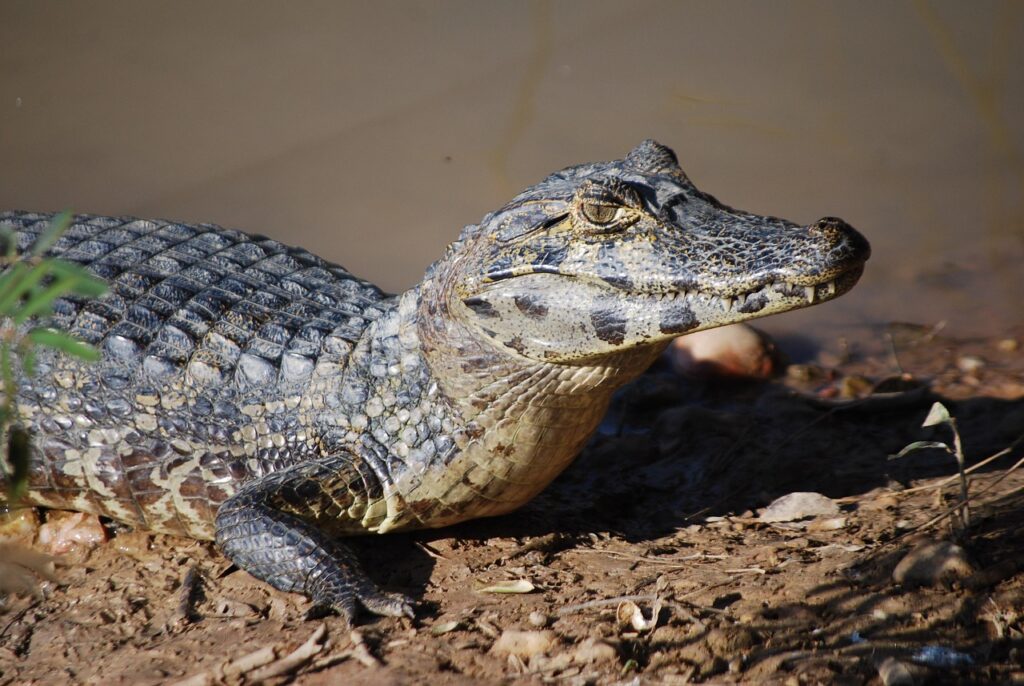
Alligators are master ambush predators lurking silently beneath the water’s surface. Their ability to blend seamlessly into their environment can make them difficult to spot until it’s too late. Approaching water edges, especially in regions where alligators are known to reside, increases your risk of encountering one. These reptiles can lunge out of the water quickly, covering surprising distances in seconds. Safety starts with awareness—maintain a cautious distance from any body of water that might house these stealthy creatures.
2. Avoid Feeding Wild Animals
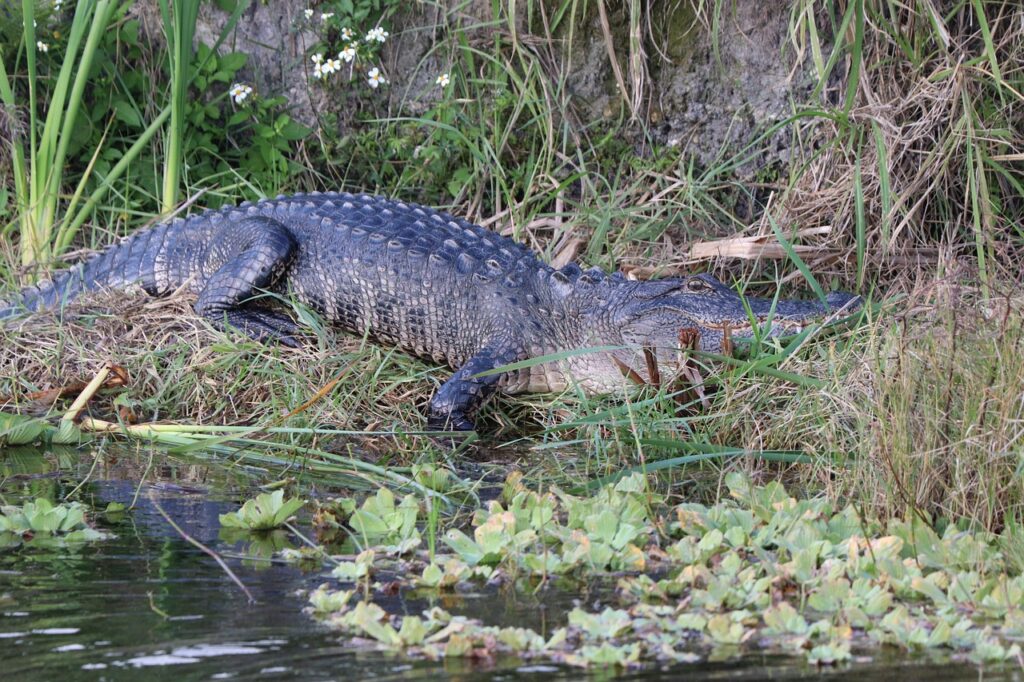
Feeding wild animals, like alligators, might seem harmless or even entertaining, but it can lead to dangerous behaviors. Once fed, alligators can lose their natural wariness of humans, associating people with food. This not only increases the likelihood of aggressive encounters but also disrupts their natural feeding patterns and instincts. It’s crucial to let alligators find their own food in the wild to prevent them from becoming dependent on humans, which can lead to fatal consequences for both the alligator and people.
3. Install Fencing
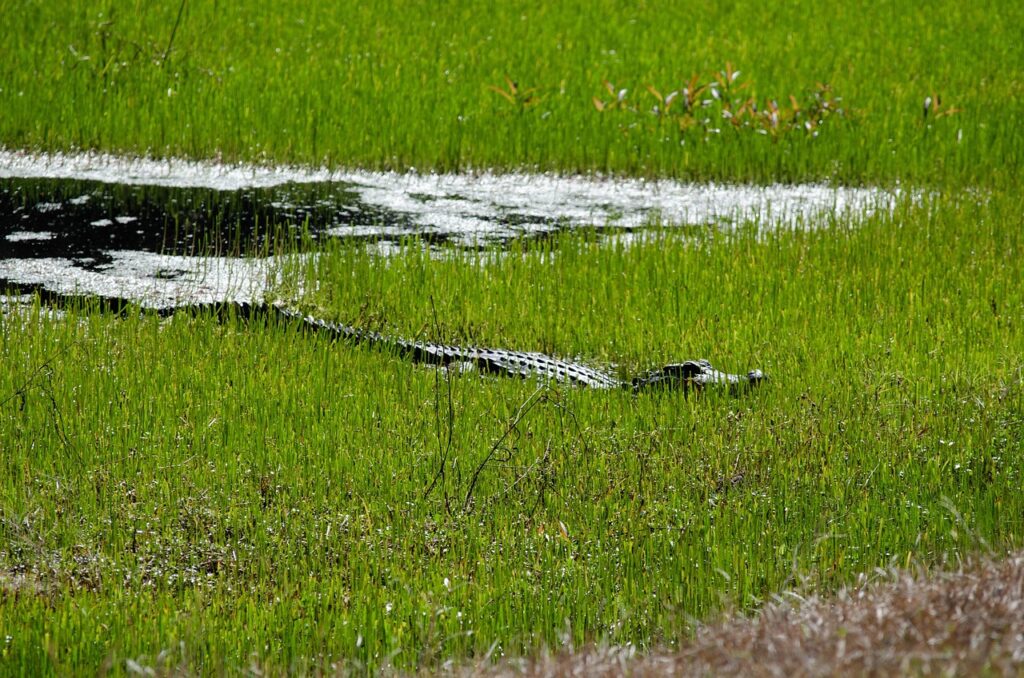
Creating a physical barrier with sturdy fencing is an effective way to keep alligators at bay. Ensure the fencing is tall and robust enough to prevent these powerful reptiles from pushing through or crawling over. For areas bordering lakes, rivers, or swamps, consider constructing fences with mesh that extends below ground to deter digging. Keep in mind that alligators can sometimes climb, so adding a protective top can make the fence even more secure. Proper fencing not only protects you and your family but also encourages alligators to seek habitats away from human dwellings.
4. Use Repellents
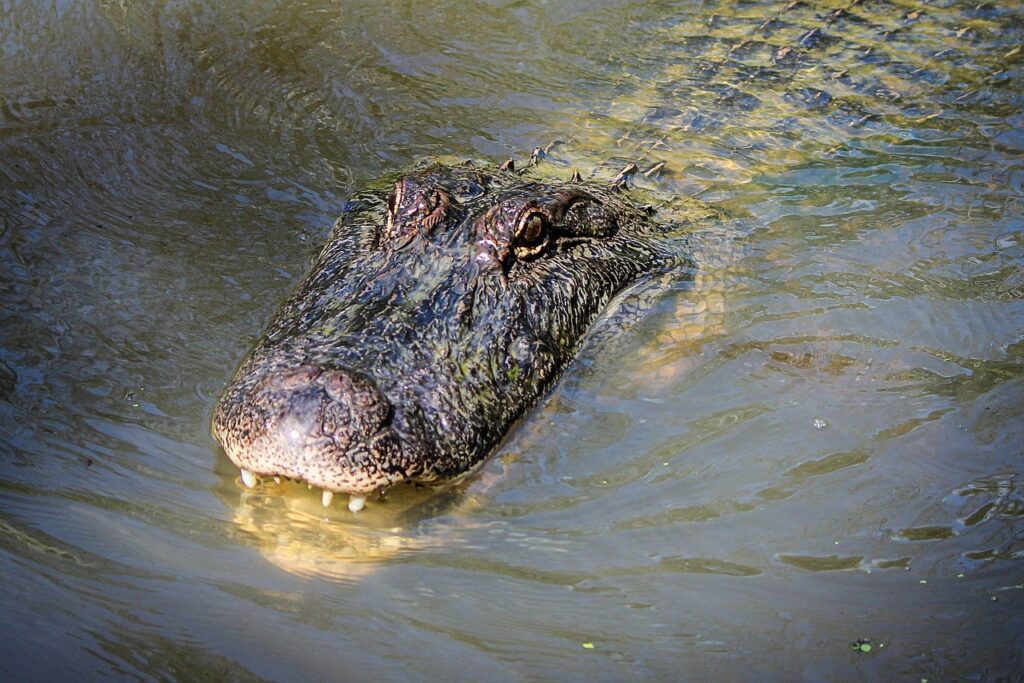
Natural repellents can be an additional defense against alligator encroachments. Products that mimic the scent of predators or contain natural irritants, like citrus, can discourage these reptiles from hanging around residential areas. Apply repellents strategically near water edges and potential entry points around your property. Always follow the manufacturer’s guidelines to ensure effectiveness and safety. While repellents aren’t foolproof, they can be part of a comprehensive plan to keep your surroundings alligator-free, especially when combined with other preventative measures.
5. Keep Pets on a Leash

Pets, especially small dogs, can unwittingly attract alligators due to their size and movement. When near potential alligator habitats, always keep pets on a leash and under close supervision. An unleashed pet could easily wander into danger before you have the chance to react. This simple precaution not only protects your furry friend but also ensures your safety, as well. Remember, an entertained alligator is an emboldened one. Keeping pets close prevents them from being seen as possible prey, reducing the likelihood of a dangerous encounter.
6. Maintain Clean Environments

Alligators are attracted to dirty and cluttered surroundings where food scraps and waste abound. A clean environment naturally repels these sharp-toothed visitors. Remove trash and any fish remains from the water’s edge to leave nothing for them to scavenge. Keeping landscapes tidy deters alligators from feeling too comfortable laying low in brush and debris. Communities working together to maintain park and backyard cleanliness can effectively discourage these reptiles from entering human spaces uninvited.
7. Avoid Water During Dusk
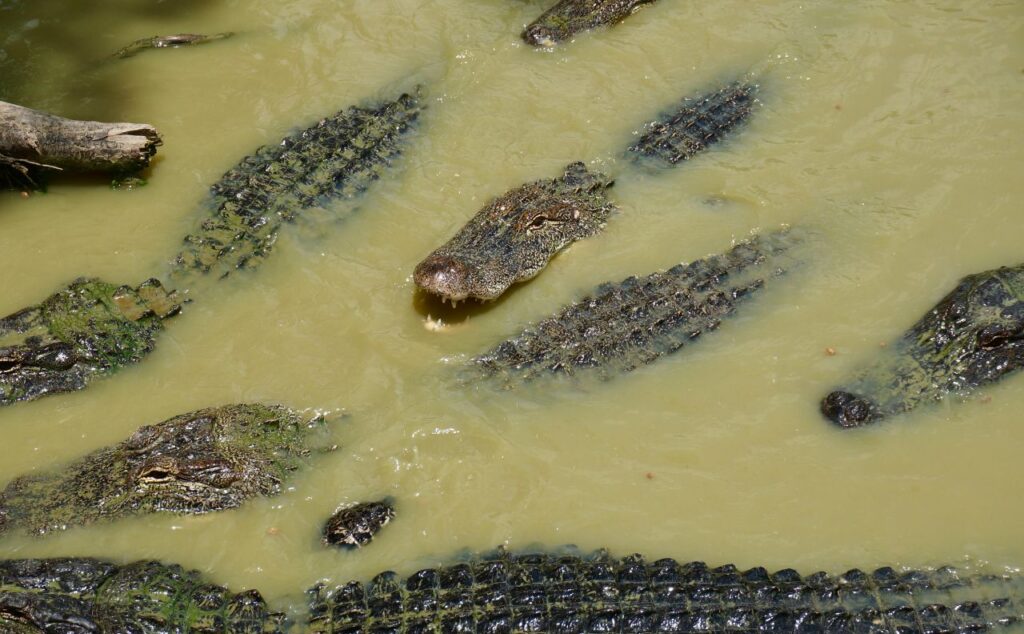
Evening and early morning are peak activity times for alligators, as they become most active during twilight hours. The fading light provides the perfect cover for them to stealthily approach their prey. Avoid swimming or lingering near water bodies at these times to minimize encounters. This not only protects you but also respects the natural rhythms of wildlife, letting alligators hunt without potential human interaction. It’s all about timing when it comes to sharing space with these ancient predators.
8. Report Sightings Promptly

If you happen to spot an alligator lounging near water, alert local wildlife authorities immediately. Rapid reporting allows professionals to assess the situation and decide whether relocation is necessary. This step aids in maintaining safety for both people and gators, ensuring these creatures don’t become too familiar with human areas. Remember, a quick call can prevent more dangerous interactions and help preserve the balance between our shared environments. Authorities rely on the community to keep everyone safe, so don’t hesitate to report.