

Belgian Malinois dogs are widely celebrated for their intelligence, agility, and unwavering loyalty. However, raising one of these high-energy working dogs is not for the faint of heart. While they are excellent companions for experienced handlers, they come with unique challenges that require commitment, patience, and training. Here are eight unexpected hurdles that Belgian Malinois owners may encounter.
Extreme Energy Levels Demand Constant Stimulation
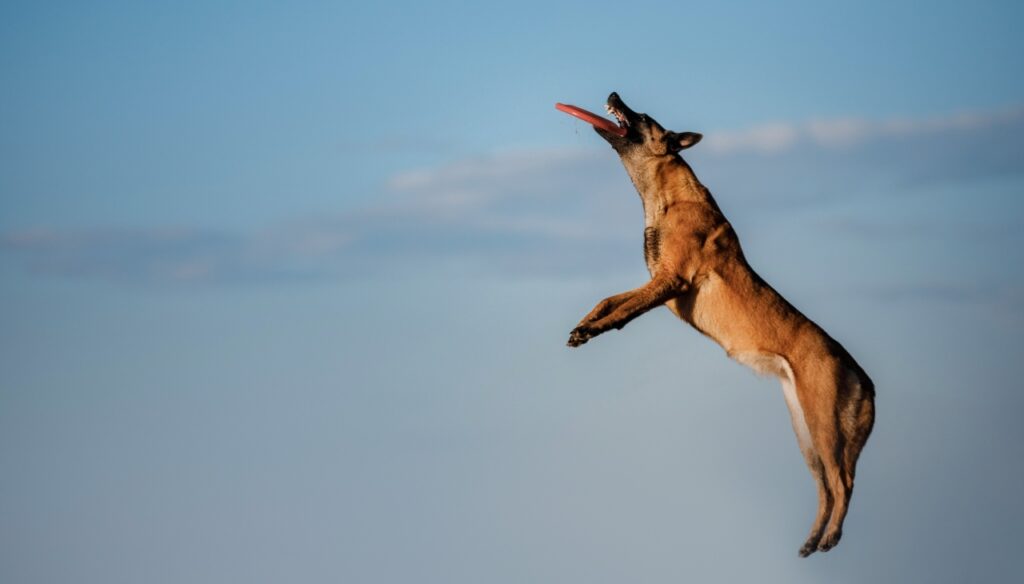
Belgian Malinois are not just energetic—they have boundless energy that requires rigorous physical and mental stimulation. Unlike many other breeds, a simple walk around the block is not enough. These dogs need structured activities like agility training, long hikes, or advanced obedience drills to keep them engaged. Without enough exercise, they can become restless, destructive, and even anxious. This breed thrives in environments where they have a job to do, making them best suited for experienced owners who can dedicate time to their daily training and activities.
Highly Intelligent but Prone to Stubbornness
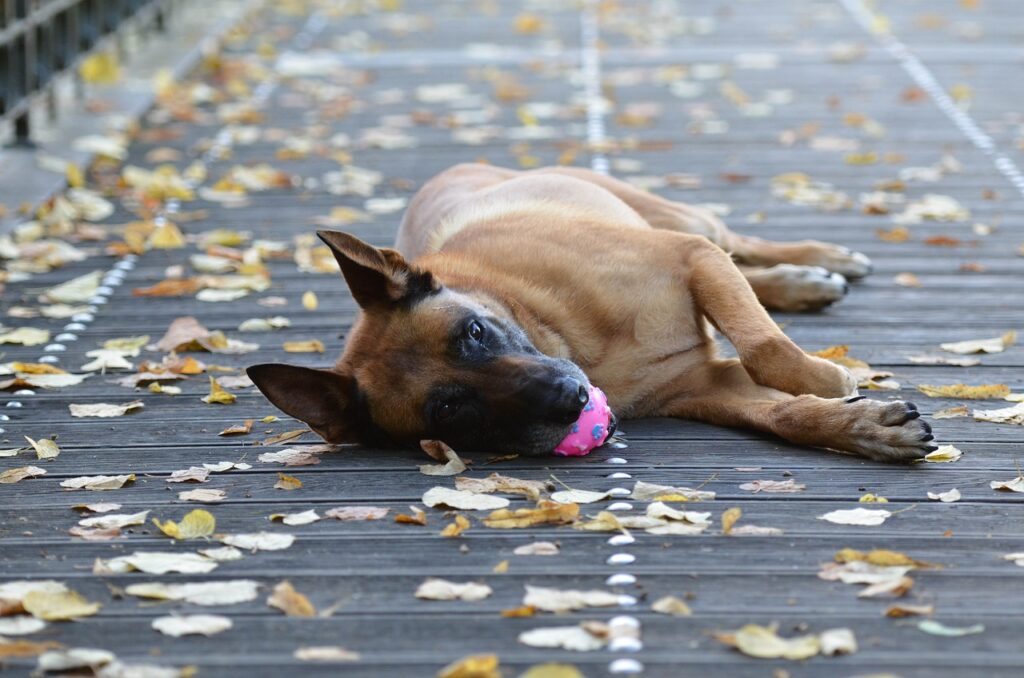
Belgian Malinois rank among the most intelligent dog breeds, but their intelligence comes with a strong independent streak. They pick up commands quickly but also tend to make their own decisions, sometimes ignoring cues if they deem something else more important. This stubborn nature makes early training and consistent reinforcement essential. Without structured guidance, they can develop bad habits, making them difficult to manage. Owners must establish clear leadership roles to maintain control and earn the dog’s respect.
Protective Instincts Can Turn into Over-Aggressiveness
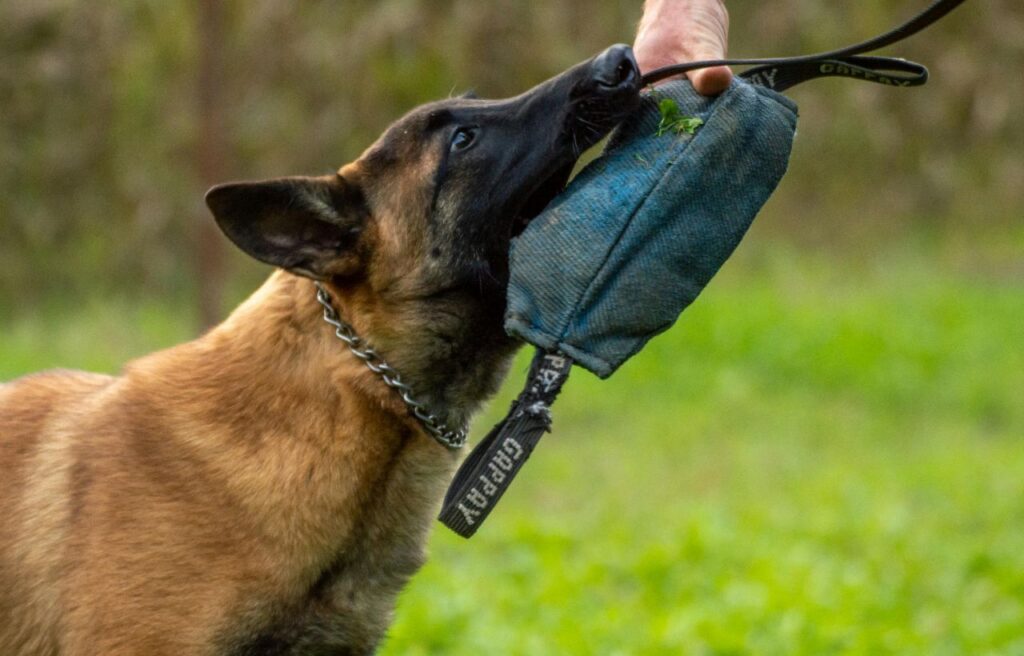
The Belgian Malinois is naturally protective, which makes them excellent guard dogs. However, without proper socialization, their protective instincts can turn into over-aggressiveness. They tend to be wary of strangers and can be overly defensive if they perceive a threat. This means early and continuous socialization is critical to ensure they differentiate between real dangers and everyday interactions. Exposing them to a variety of environments, people, and other animals helps them develop balanced behaviors and prevents unnecessary aggression.
Prone to Separation Anxiety
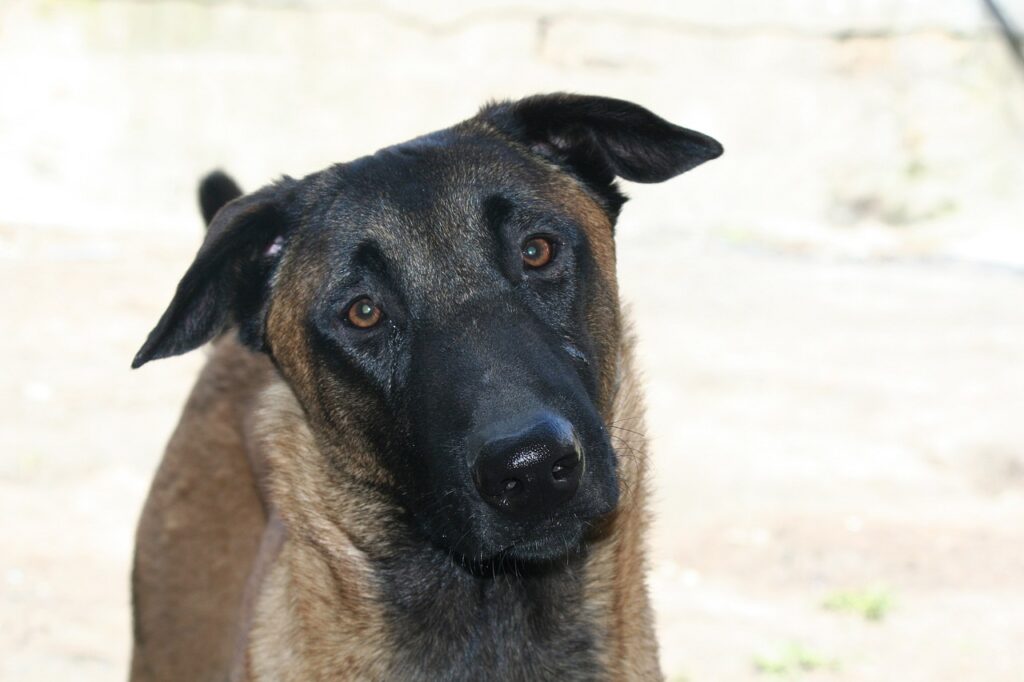
Belgian Malinois form deep bonds with their owners, which can lead to severe separation anxiety. They thrive on companionship and struggle with being left alone for long periods. If left without mental or physical engagement, they can develop destructive behaviors such as excessive barking, chewing furniture, or digging. To combat this, owners need to gradually train their Malinois to be comfortable alone and provide interactive toys or puzzle feeders to keep them occupied during absences.
Need for Advanced Training Beyond Basic Commands
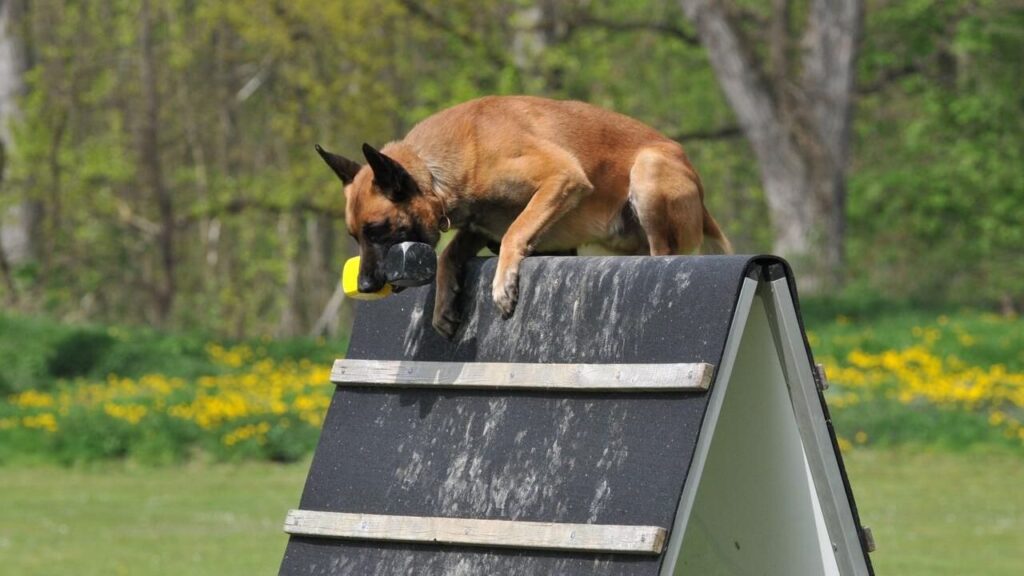
Basic obedience training is not enough for a Belgian Malinois. These dogs require advanced training to keep their minds engaged and to maintain their discipline. Many owners underestimate the time and effort needed to properly train a Malinois beyond sit and stay. They excel in advanced obedience, protection work, and agility sports, but these require an experienced handler. Without continuous training, their high drive and intelligence can manifest in undesirable behaviors, making them challenging to manage.
Strong Prey Drive Requires Cautious Handling
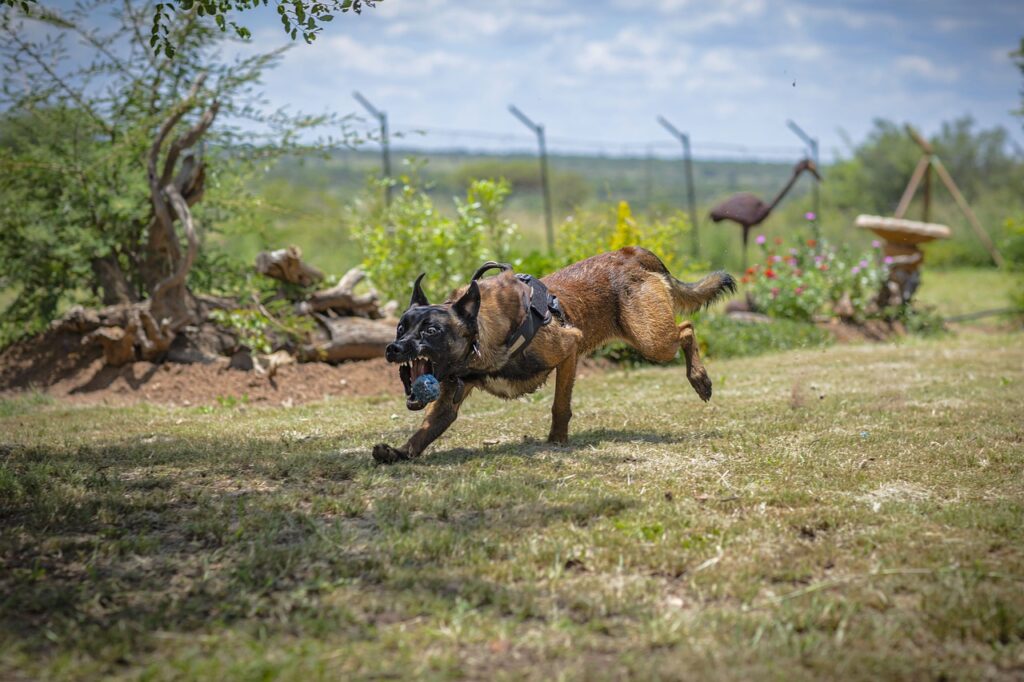
Belgian Malinois have a high prey drive, which means they may instinctively chase small animals, including household pets like cats or rabbits. If not trained properly, they may lunge at fast-moving objects or even children running in the yard. Managing this instinct requires firm training, leash control, and early socialization with other animals. Owners should be aware that off-leash time in open areas should be carefully supervised to prevent unwanted chasing or confrontations.
Grooming and Shedding Surprises Many Owners

While their short coat may seem low-maintenance, Belgian Malinois shed more than most owners expect. They have a dense undercoat that sheds year-round, with particularly heavy seasonal shedding. Regular brushing is necessary to manage the shedding and keep their coat healthy. Additionally, Malinois are prone to skin allergies, which can require special care, dietary adjustments, and veterinary attention. Proper grooming and hygiene routines are essential to keeping them comfortable and minimizing excessive fur around the home.
Not Suited for First-Time Dog Owners
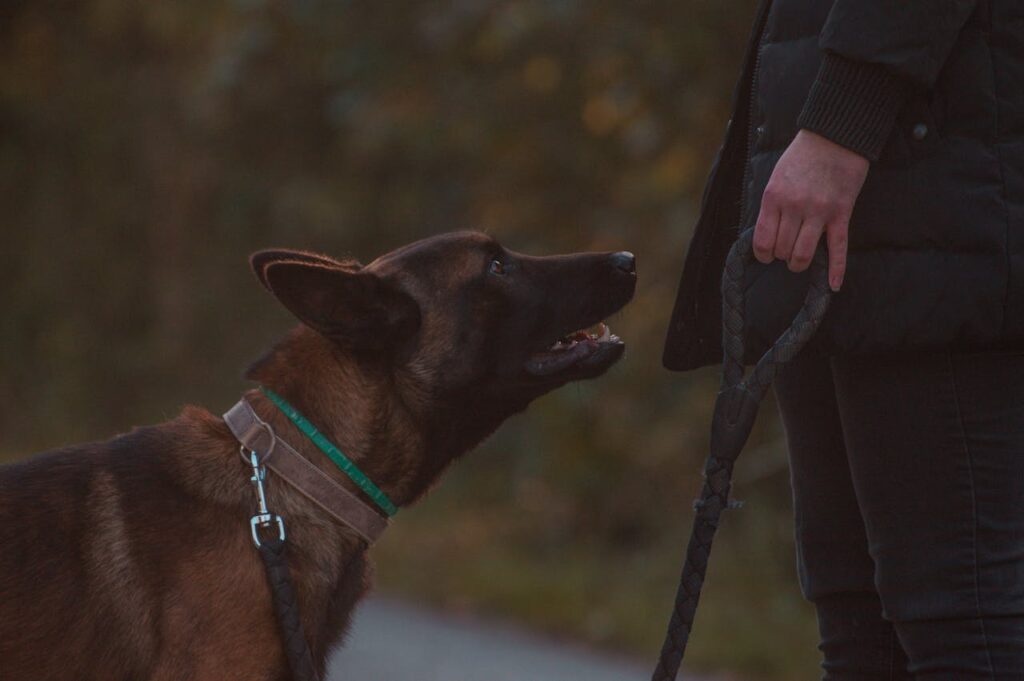
Belgian Malinois are often mistaken for an easy-to-train German Shepherd alternative, but they require an experienced hand. Their combination of intelligence, energy, and protective nature makes them a difficult breed for first-time dog owners. Without firm leadership, they can become dominant, territorial, or destructive. Prospective owners must be prepared for the long-term commitment, consistent training, and structured lifestyle that a Belgian Malinois demands.
Love Pets as Much as We Do?

Scroll up and click the ‘Follow’ button to stay updated with the latest heart-warming, hilarious, and helpful pet posts from Pawdown, delivered straight to your Microsoft Start feed and MSN homepage!