

When you think of pet birds, vibrant parrots or chirpy canaries might come to mind, but chickens? These feathered companions break all the rules of traditional bird ownership. From their quirky personalities to their unexpected usefulness, chickens are in a league of their own. Not only do they provide fresh eggs, but they also contribute to pest control in your garden. Moreover, they can be surprisingly affectionate, often forming strong bonds with their human caretakers. With their unique behaviors and social dynamics, chickens bring a delightful charm that is truly one-of-a-kind. Let’s uncover 8 ways chickens differ from usual pet birds, from their fascinating quirks to their practical benefits.
1. Flight Capability

Unlike most pet birds known for their impressive flight skills, chickens are grounded creatures. Typical pet birds like parrots, parakeets, or canaries have strong wings built for long flights or aerial agility. In contrast, chickens have heavier bodies and shorter wings, making them poor flyers. They can manage short bursts of flight to hop over fences or roost in low trees, but soaring through the sky is out of the question. This grounded nature makes chickens easier to contain and care for, but it’s also a clear distinction from their avian counterparts.
2. Lifespan

When it comes to lifespan, chickens and usual pet birds have distinct differences. Most chickens live around 5 to 10 years, depending on the breed and care they receive. In contrast, common pet birds like parrots, canaries, or cockatiels often outlive chickens by a significant margin. Parrots, for example, can live 30 to 50 years or more, while smaller birds like finches or canaries typically live 10 to 15 years. Chickens generally have shorter lifespans compared to typical pet birds, largely due to breeding for production purposes, such as egg-laying or meat.
3. Space Requirements
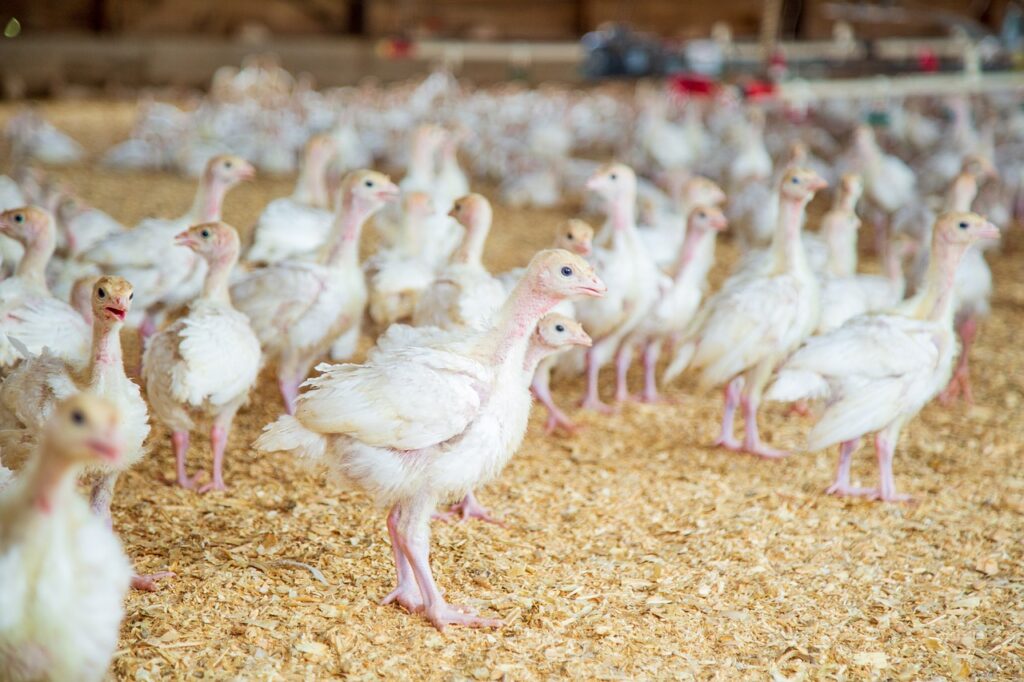
When it comes to space requirements, chickens and usual pet birds have vastly different needs. Traditional pet birds like budgies or cockatiels thrive in cages designed to fit indoors, often requiring just enough space to stretch their wings and perch comfortably. Chickens, on the other hand, need far more room to roam. These ground-dwelling birds require a coop for shelter and an outdoor run to scratch, forage, and move freely. While a pet bird can live happily in a small apartment, chickens demand a backyard or spacious outdoor area to stay healthy and content.
4. Intelligence And Trainability

When it comes to intelligence and trainability, chickens might surprise you. While parrots and cockatiels are celebrated for their ability to mimic speech and perform complex tricks, chickens showcase a different kind of smarts. They excel in problem-solving, recognizing faces, and even learning simple commands with consistent training. Unlike the typical pet bird, chickens are more focused on practical behaviors, such as navigating mazes for food rewards. Their trainability may not be flashy, but it’s impressive in its own right, especially when tailored to their natural instincts.
5. Diet

When it comes to diet, chickens and usual pet birds couldn’t be more different. Pet birds like parrots, canaries, or finches thrive on a diet of seeds, fruits, and specialized pellets designed to mimic their natural diet. Chickens, on the other hand, are true omnivores with a hearty appetite. They’ll eagerly munch on grains, vegetable scraps, insects, and even small critters like worms. Chickens are also natural foragers, scratching the ground for hidden snacks, making them excellent at finding their own food if given the chance.
6. Living Environment

Chickens and usual pet birds thrive in vastly different living environments. Traditional pet birds like parrots, canaries, or finches are usually kept in cages or aviaries indoors, designed to mimic their natural habitats with perches, toys, and ample vertical space. Contrarily, chickens are outdoor animals that require coops and spacious runs to roam, scratch, and forage. They prefer a grounded lifestyle, unlike the climbing and flying habits of most pet birds. Chickens also benefit from sunlight, fresh air, and access to soil, which is vital for their dust baths.
7. Primary Purpose
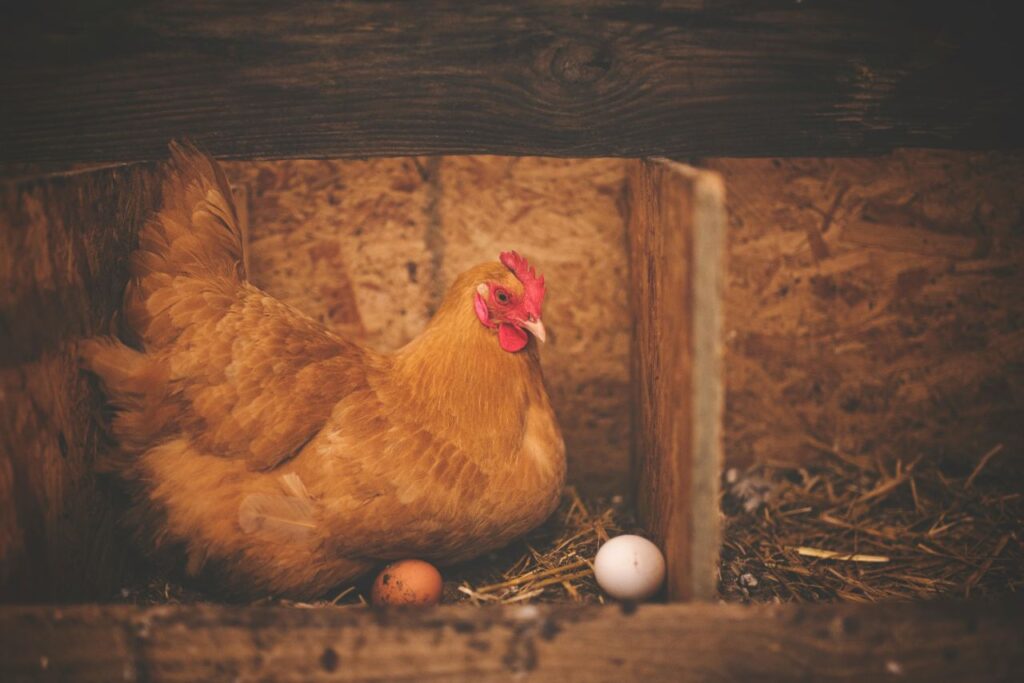
The primary purpose of chickens and usual pet birds differs significantly. Most pet birds, like parrots or finches, are kept for companionship, entertainment, or their vibrant appearance and melodic songs. Chickens, however, are dual-purpose animals. While they can be friendly and social companions, their primary role often leans toward practicality—providing fresh eggs or, in some cases, meat. Unlike pet birds, which thrive indoors, chickens are outdoor animals, requiring space to roam and fulfill their natural behaviors, making them unique among bird companions.
8. Appearance
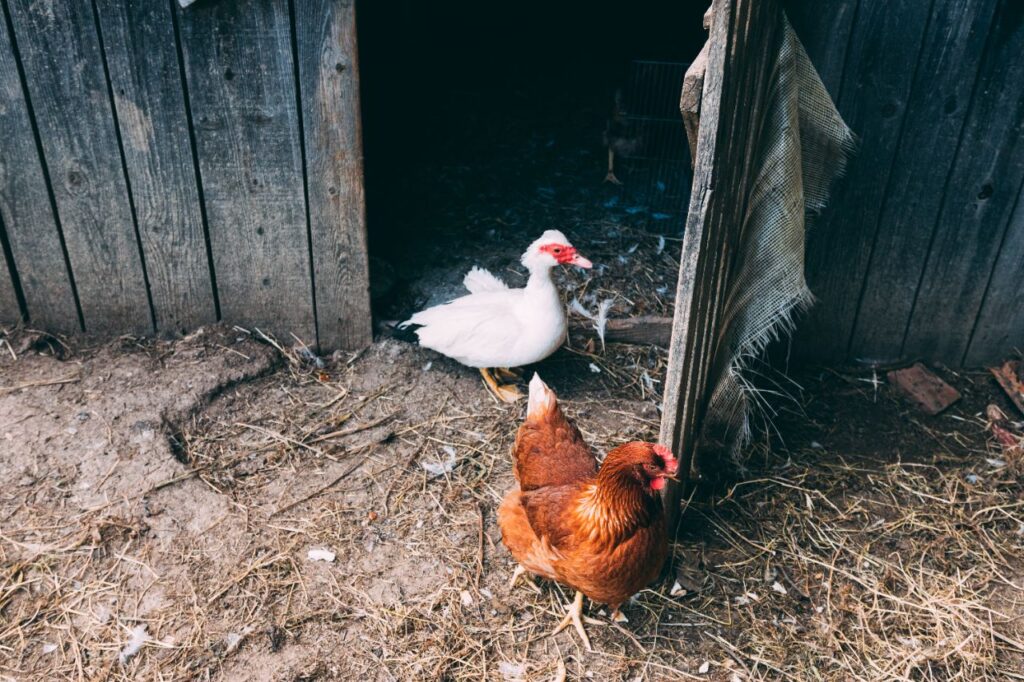
Chickens and typical pet birds differ significantly in appearance. While most pet birds, like parrots and canaries, are known for their vibrant colors and streamlined bodies, chickens boast a more robust, grounded look. Chickens have sturdy legs adapted for scratching the ground, unlike pet birds that are built for perching. Their feathers often come in earthy or muted tones, though some breeds showcase unique patterns and textures. Additionally, chickens have distinctive combs and wattles, features rarely seen on pet birds, giving them a more farm-like, rugged charm.
Love Pets as Much as We Do?

Scroll up and click the ‘Follow’ button to stay updated with the latest heartwarming, hilarious, and helpful pet posts from Pawdown, delivered straight to your Microsoft Start feed and MSN homepage!