
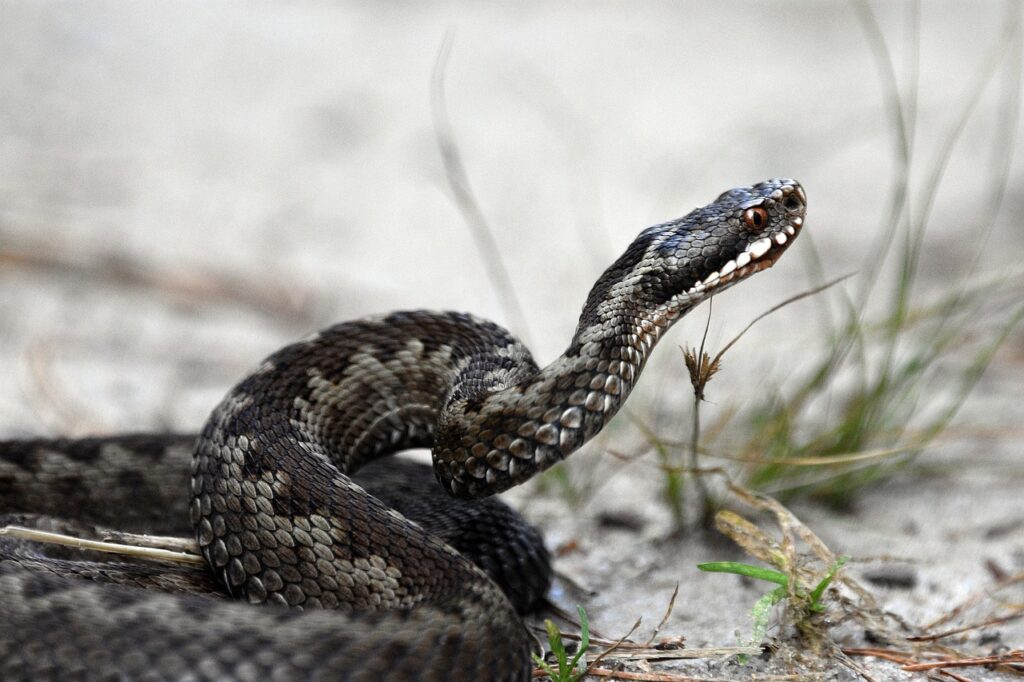
In the world of snakes, the distinction between harmless and venomous isn’t just fascinating—it’s vital. From slithering in gardens to basking in the wild, these enigmatic creatures captivate and caution us simultaneously. Knowing what sets apart a venomous snake from a harmless one can not only pique your curiosity but also ensure your safety. Dive into these intriguing indicators to become a savvy snake spotter! Let’s unravel their secrets together.
1. Head Shape and Size
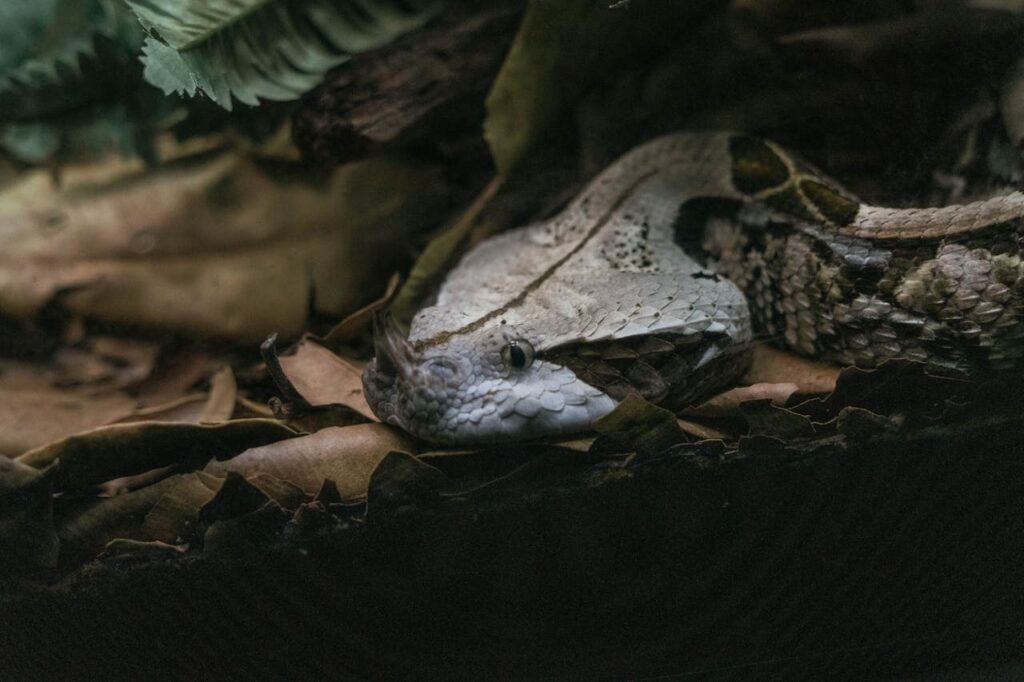
The head of a snake can tell you more than you might think! Typically, venomous snakes have a distinctly triangular-shaped head. This unique formation is due to their venom glands, which are housed behind the eyes, sprawling into the jaw area. Harmless snakes often boast a more rounded or slender head. Keep in mind that some non-venomous snakes can mimic this shape to ward off predators, so consider this alongside other traits.
2. Pupil Shape
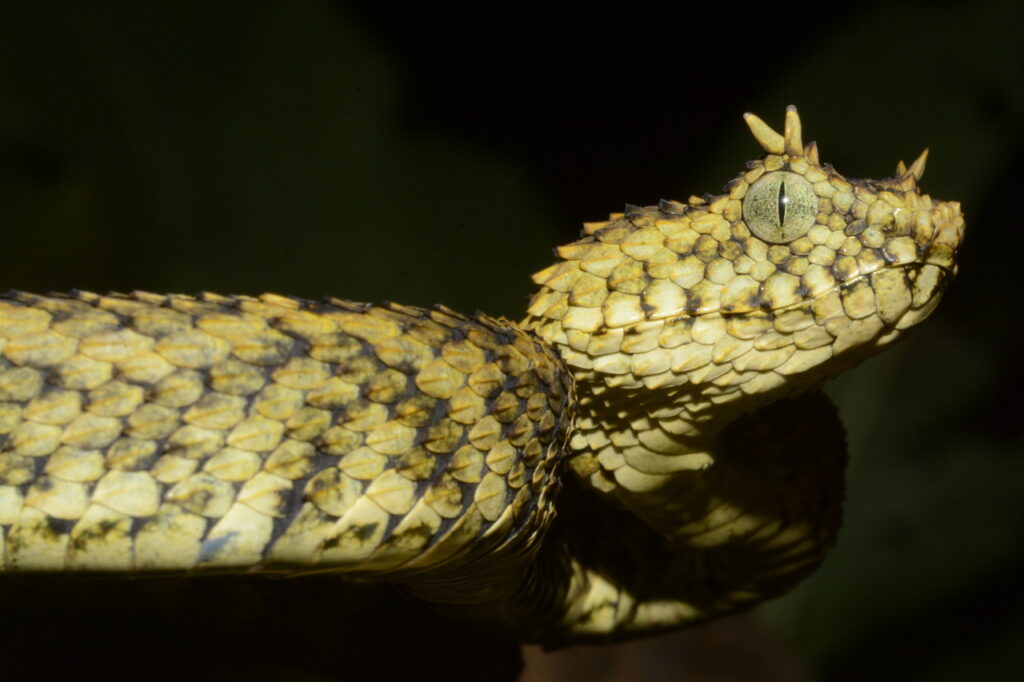
Gaze into a snake’s eyes and you’ll discover another clue. Venomous snakes usually feature vertical, slit-like pupils much like a cat’s. This pupil type aids their nocturnal hunting habits. Conversely, non-venomous snakes often have round pupils. This subtle yet telling difference can be a quick visual cue when identifying a snake. Remember, getting close enough for a look should always be done with caution or through effective zoom lenses!
3. Color Patterns
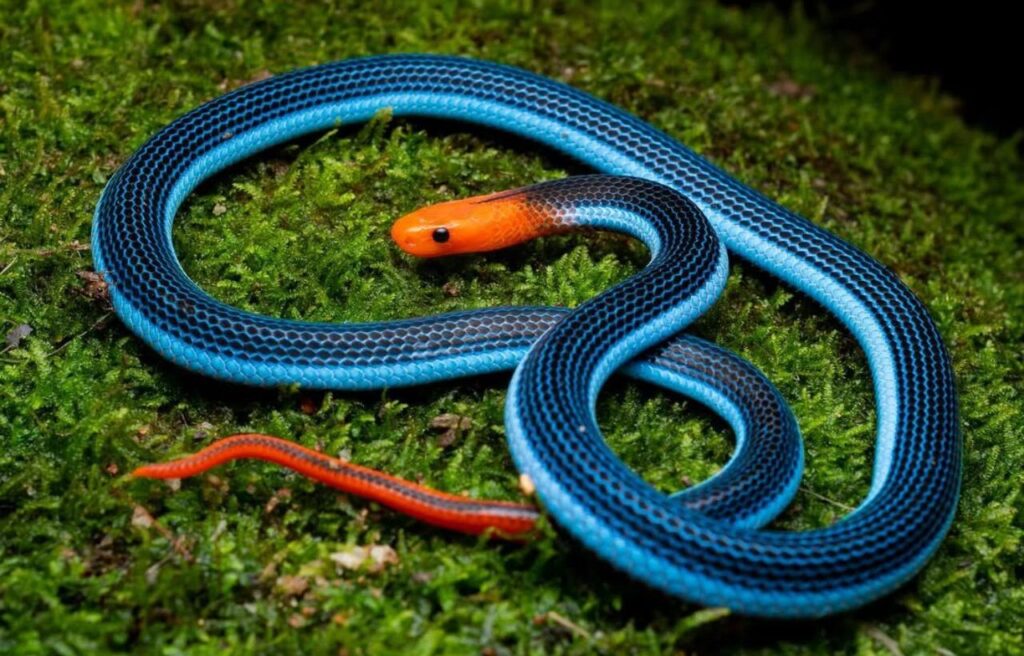
Color is an artist in the animal kingdom, painting deceptive pictures on snakes. Many venomous snakes boast distinctive, vibrant patterns—such as the diamond shapes on a rattlesnake, or the colorful bands on a coral snake. However, there are exceptions, and some non-venomous snakes use mimicry, adopting similar hues for protection. Understanding these patterns, though captivating, requires a cautious, respectful distance.
4. Presence of a Rattle
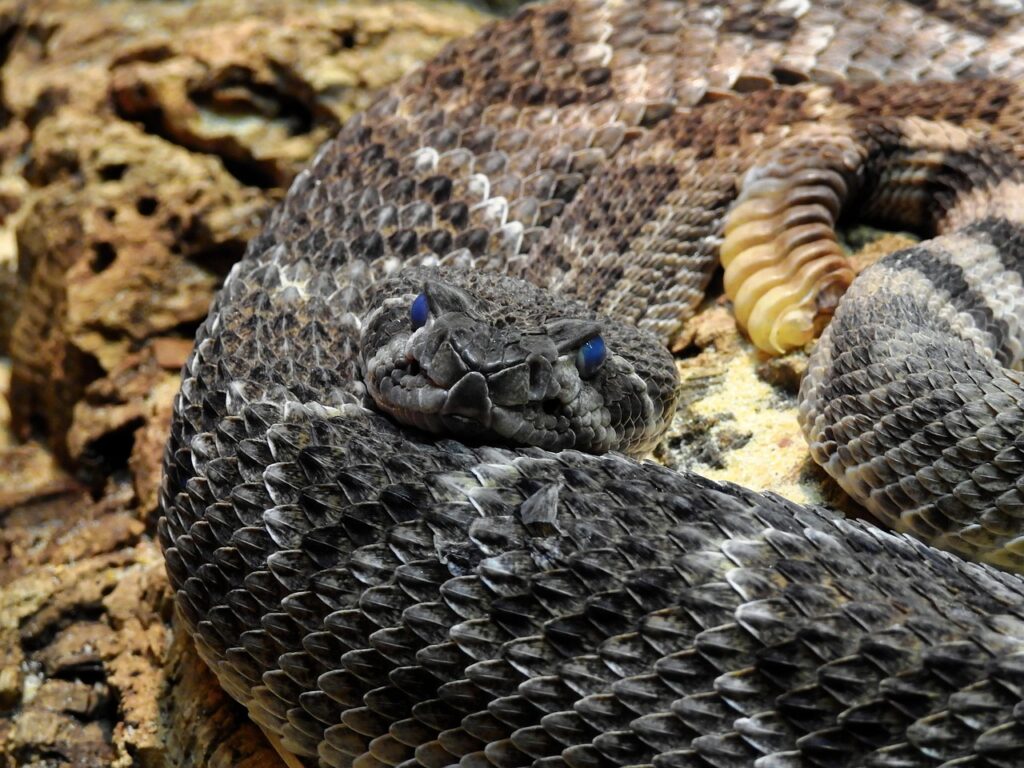
Ah, the unmistakable sound of the wild—a rattling snake. This serves as nature’s own alarm system, a warning to steer clear. Predominantly found in rattlesnakes, the rattle is created by segments of keratin (the same protein in human nails) that knock together. However, while a rattle suggests danger, not all rattlesnakes rattle before striking. And remember, some non-venomous snakes may mimic this sound by vibrating their tails against dry foliage.
5. Fang Visibility
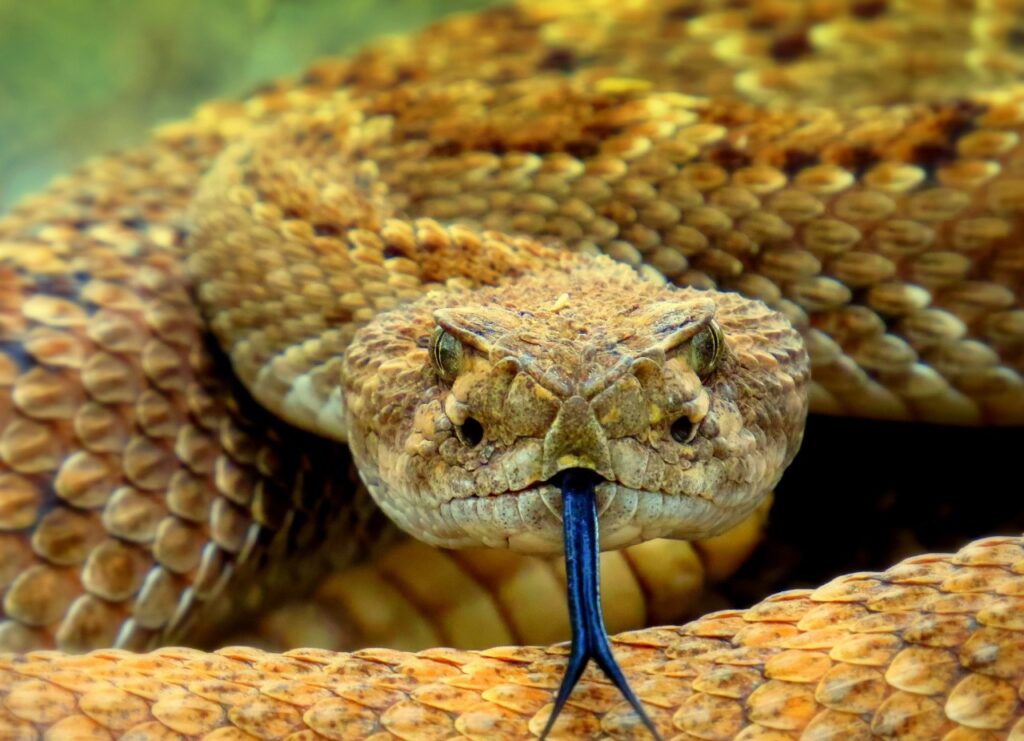
Ever wondered if those fangs can give away a snake’s secret? Most venomous snakes, like vipers, have noticeable, hollow fangs used to inject venom. These fangs are often retracted when not in use, but when visible, they’re unmistakably designed for delivering a dose of venom. Non-venomous snakes, in contrast, lack such specialized fangs. Their teeth are uniform and meant for gripping rather than injecting. While this isn’t a surefire way to identify venomous species, knowing what’s hidden in a snake’s mouth can be a lifesaver.
6. Subcaudal Scale Pattern
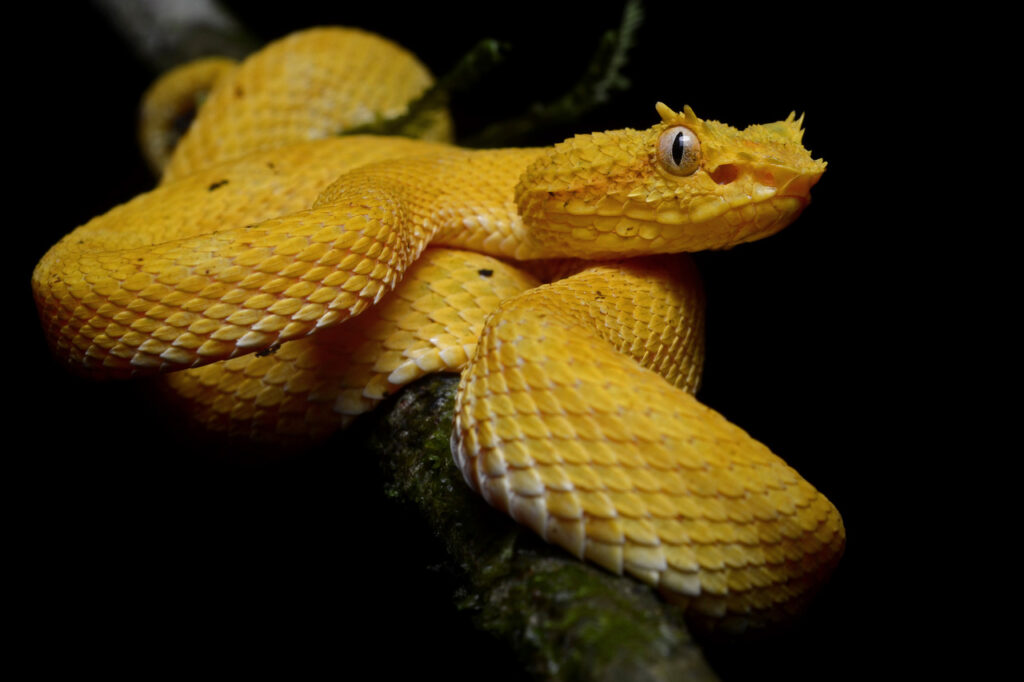
Peek under the tail, and you might get a clue about a snake’s nature. Venomous and non-venomous snakes often differ in tail scale patterns. Venomous snakes typically have single scales extending from their anal vent to the tail tip. On the other side, harmless snakes usually have a double row of scales beyond the anus. This subtle distinction isn’t foolproof, but it’s a handy hint for those familiar with snake anatomy. Remember, though, getting this close isn’t recommended unless you’re a trained professional!
7. Hemotoxic vs. Neurotoxic Venom
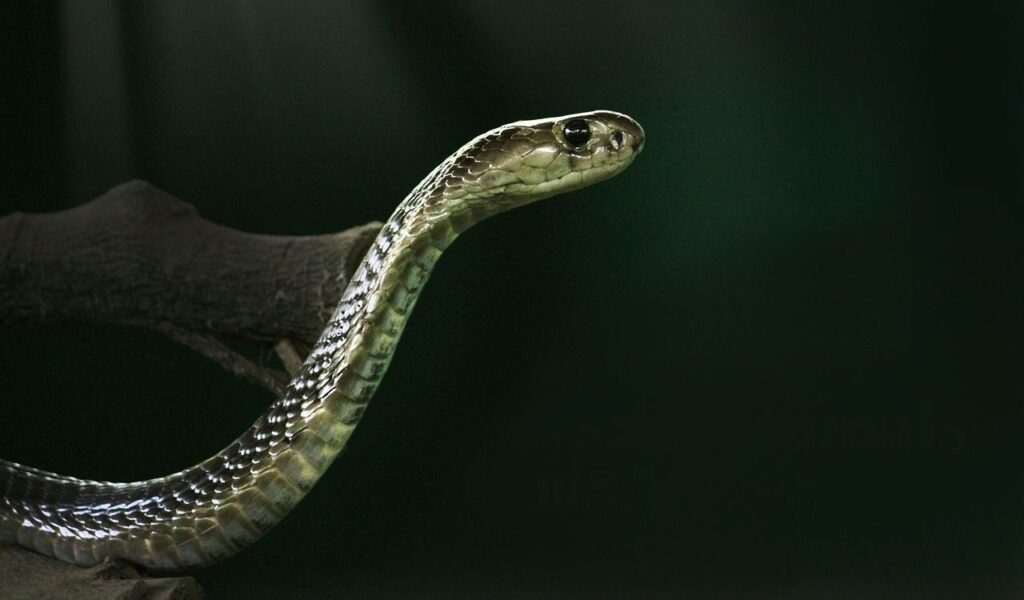
Venomous snakes pack two main types of venom: hemotoxic and neurotoxic. Hemotoxic venom damages cells and tissues, affecting blood clotting, while neurotoxic venom targets the nervous system, potentially paralyzing prey. Snakes like rattlesnakes and cottonmouths use hemotoxins, while the mambas and cobras opt for neurotoxins. This distinction impacts treatment, as each type requires different medical responses. Understanding these venoms underscores the importance of respecting venomous snakes’ lethal potential.
8. Habitat and Region
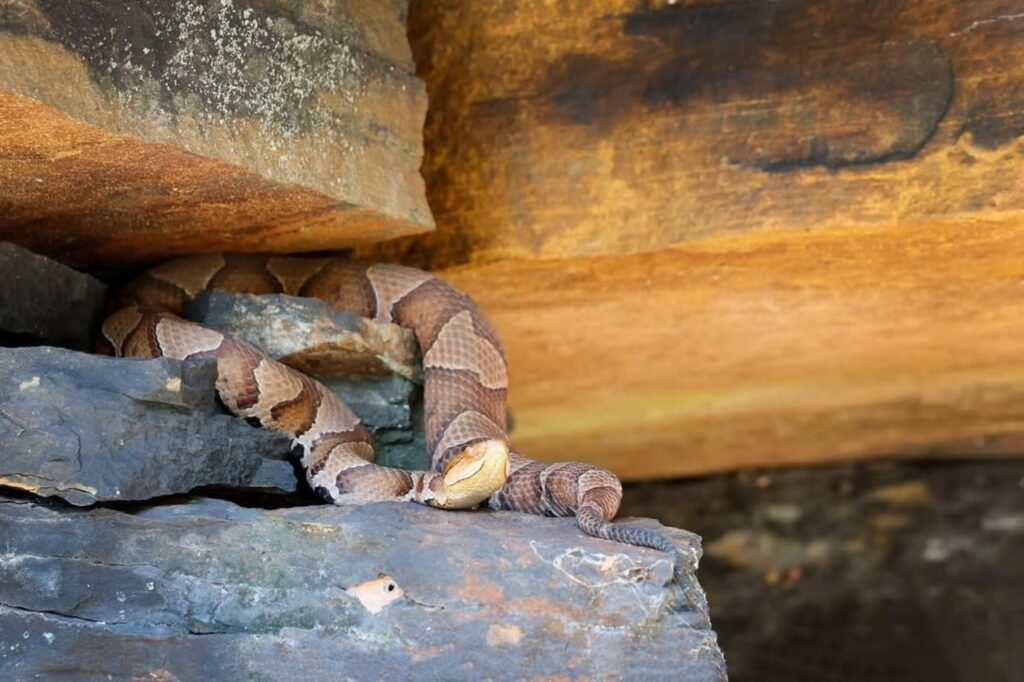
Where a snake lives can provide hints about its nature. Venomous species like the copperhead and coral snake have specific habitats, often in warm, dry areas or dense woods. If you’re hiking in snake-prone regions, it’s useful to know which snakes prefer which environments. Non-venomous snakes, like garter snakes, are found more widely, often in grassy or marshy areas. Recognizing these habitat patterns can help identify and avoid potential dangers, making your outdoor adventures safer.
9. Behavior When Threatened
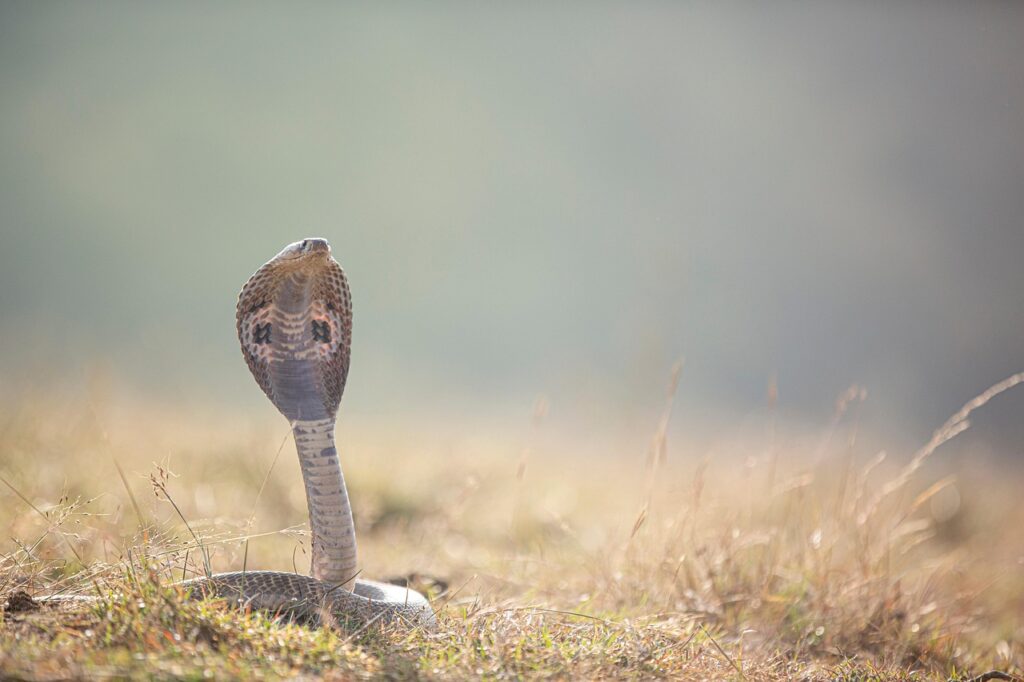
Venomous snakes often exhibit bold, defensive behaviors when confronted. They may flatten their bodies, hiss loudly, coil into striking positions, or vibrate their tails rapidly. Some species, like cobras, even flare out their iconic hoods. These displays serve as visual warnings to deter predators and humans alike. In contrast, many non-venomous snakes rely on stealth or mimicry, but a truly venomous snake is likely to stand its ground if it feels cornered. Paying attention to these warning behaviors can help you make a safer, more informed assessment from a distance.
Introduction to Harmless Snakes
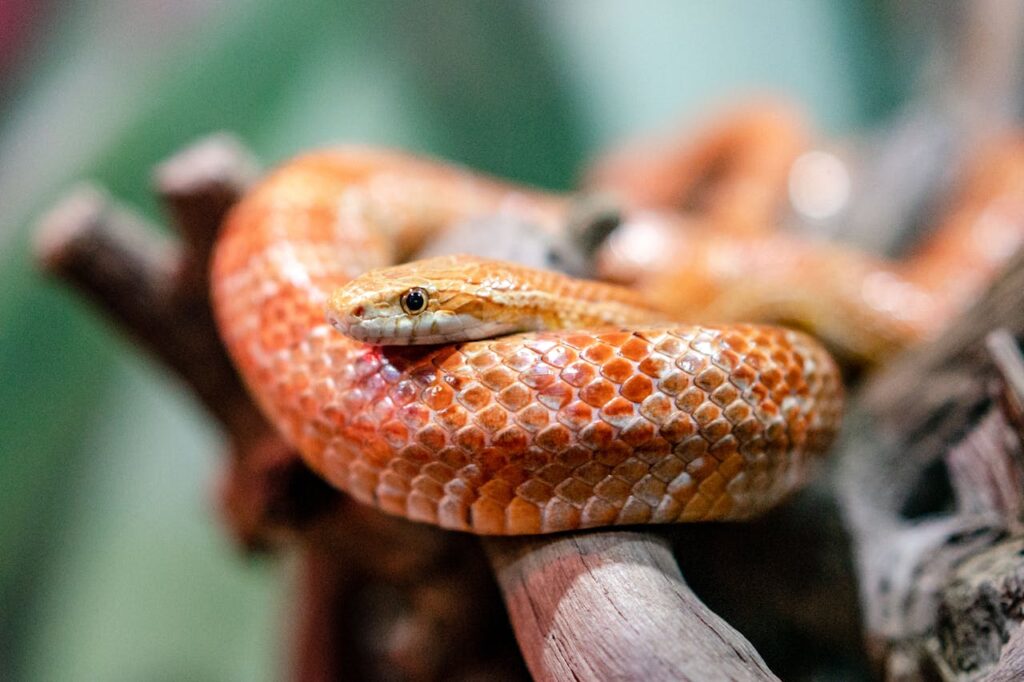
Not all snakes are out to get you! Many are harmless, like the docile corn snake or the curious ball python. These non-venomous species are crucial for controlling pest populations and maintaining ecological balance. They can coil and constrict without fangs or deadly venom, making them safer companions for humans. Appreciating these snakes helps dispel myths and fosters a deeper understanding of their role in the ecosystem. Next time you encounter a slithery friend, remember they might just be the gardener’s best ally.
1. Rounded Pupils
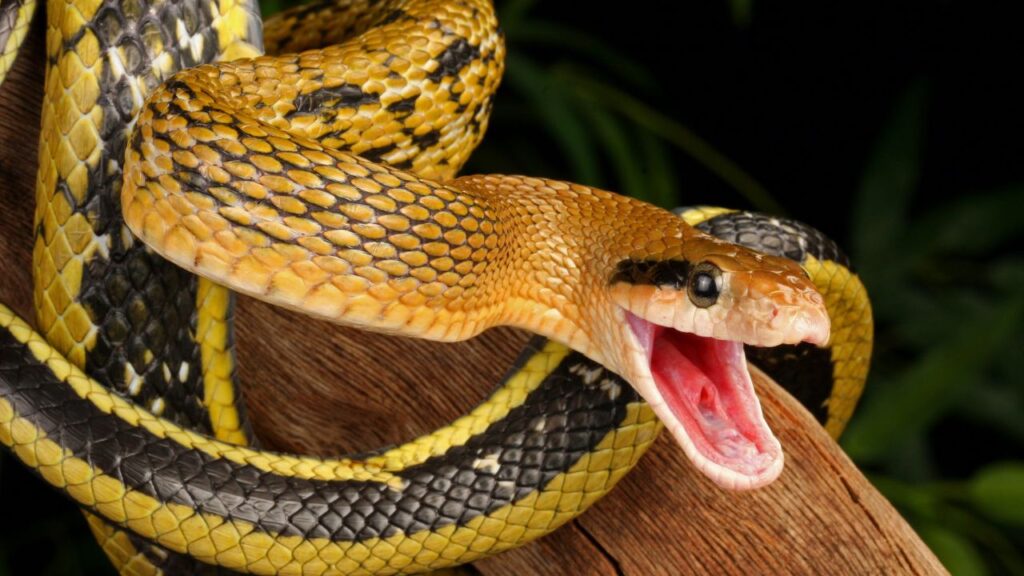
When it comes to identifying venomous snakes, their eyes often tell the story. Venomous snakes generally have vertical, slit-like pupils, similar to a cat’s. In contrast, non-venomous snakes usually boast rounded pupils. These round pupils, much like a puppy’s, give an innocent appearance, hinting at a gentler nature. So next time you cross paths with a snake and get the chance to peek into its eyes, remember that those innocent round pupils might just mean you’ve encountered a harmless fellow.
2. Non-Triangular Head
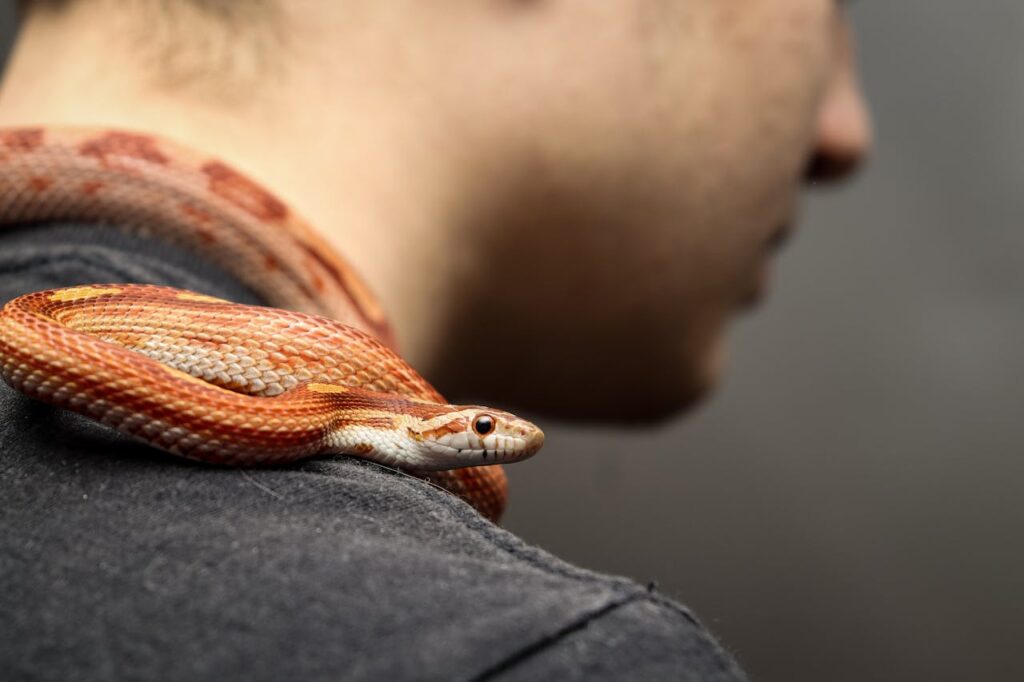
The shape of a snake’s head can be a clear indicator of its venomous or non-venomous status. Venomous snakes often have a distinct triangular head, thanks to their venom glands. Non-venomous snakes, however, usually feature a more oval or rounded head. This softer head shape blends seamlessly into their slender bodies, offering no sharp angles. Spotting this key difference could save you a fearful heart skip during a nature walk, letting you appreciate these graceful creatures from a safe perspective.
3. Smooth Scales
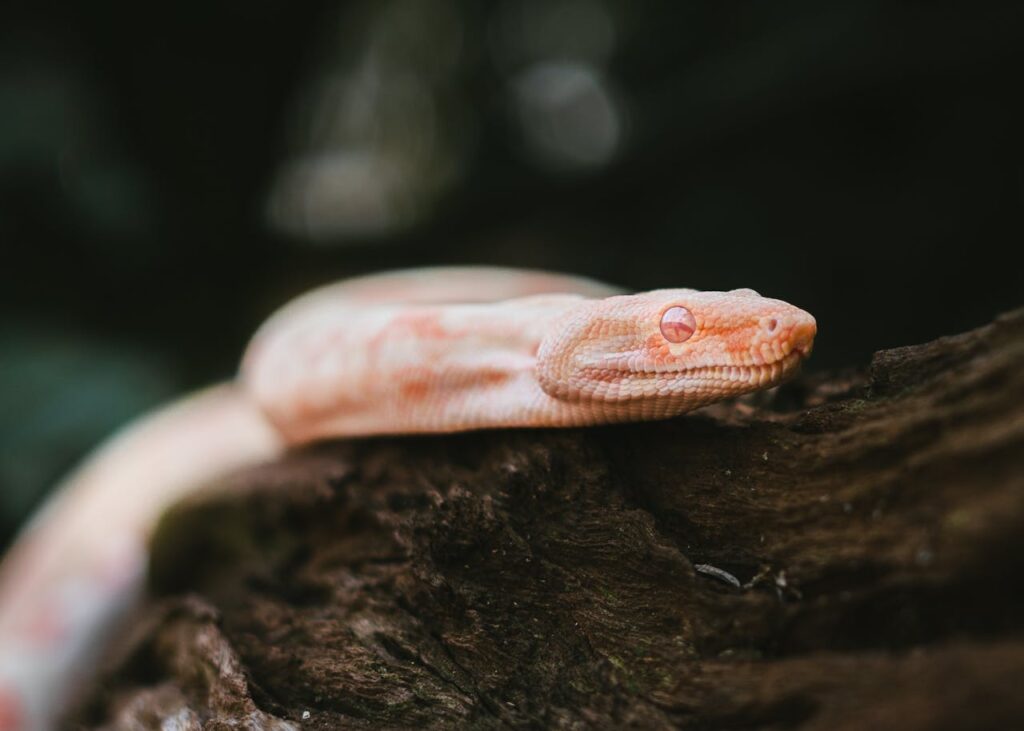
Have you ever felt textured, keeled scales that seem to have tiny ridges? These are often found on venomous snakes and add to their intimidating aura. Non-venomous snakes, on the other hand, usually sport smooth, glossy scales that shimmer like silk. Their scales lie flat against their bodies, creating a seamless surface that catches the light beautifully. Next time you observe a snake, let its smooth scales reassure you of its harmless demeanor, as they glide effortlessly through their environment.
4. Absence of a Rattle
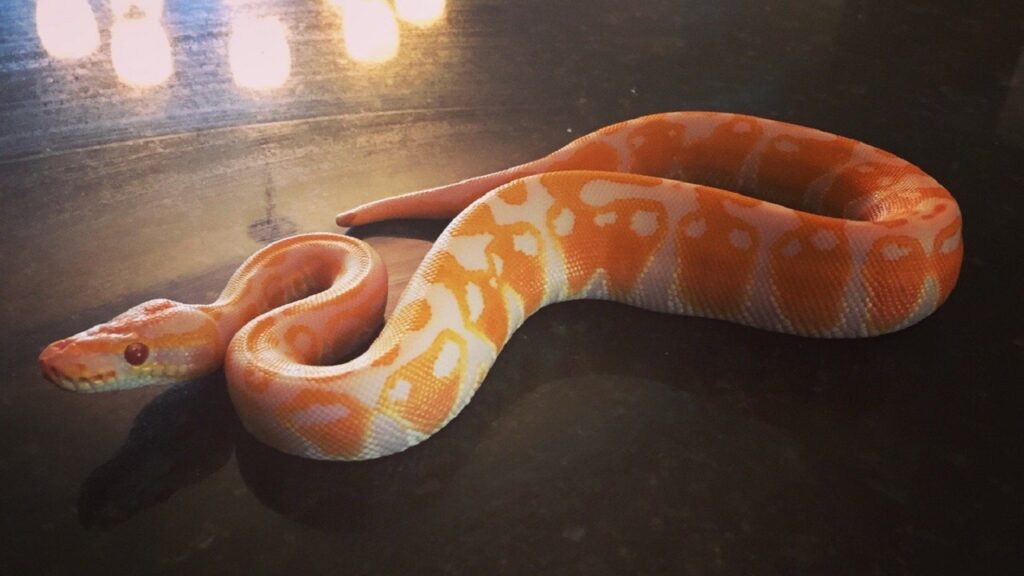
Rattlesnakes are renowned for their unmistakable warning sound, a rattling noise created by special segments at the end of their tails. While this can alert you to a venomous creature, not all harmful snakes have a rattle. Conversely, many non-venomous snakes lack any sort of noise-making tail apparatus. So, if you find a snake quietly moving without causing a ruckus, it’s likely trying to mind its business, indicating it could be one of the harmless species cohabiting your surroundings.
5. Small Size
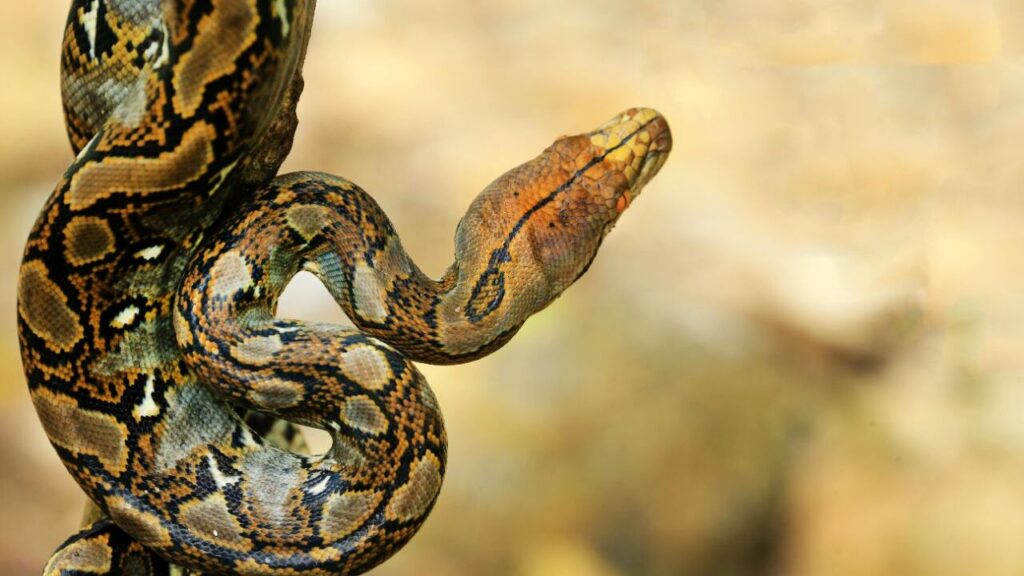
Size isn’t always a surefire indicator of danger, but smaller snakes are often less threatening in the venom department. Many non-venomous species tend to be small and slender, easily mistaken for juveniles. Their compact size makes them agile, yet less daunting. While some venomous snakes can also be small, the majority of those tiny serpentine creatures you might encounter in your garden or local park are probably harmless. Remember, looks can be deceiving, but size sometimes suggests safety.
6. Docile Behavior
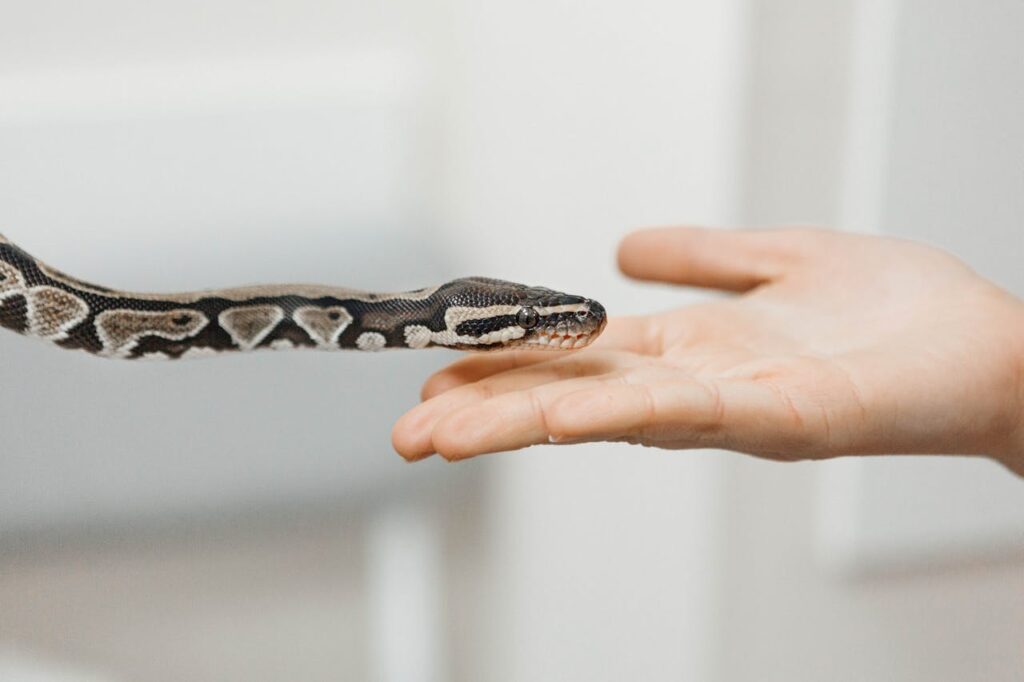
While appearances can be deceiving, a snake’s demeanor often provides clues about its venomous nature. Generally, venomous snakes are more aggressive, displaying defensive behaviors when threatened. In contrast, non-venomous snakes are typically more docile, preferring to flee rather than fight. If a snake seems calm and unbothered by human presence, it’s likely harmless. However, this isn’t a foolproof method—always observe caution around any snake.
7. Common in Certain Regions

Geography can play a pivotal role in discerning venomous from non-venomous snakes. In many regions, venomous species are well-documented, and local snake populations are often known to residents. For instance, most native snakes in North America, like garter snakes or corn snakes, are non-venomous. By understanding the types of snakes prevalent in your area, you can better assess potential danger and exercise appropriate caution.
8. Lack of Bright Colors
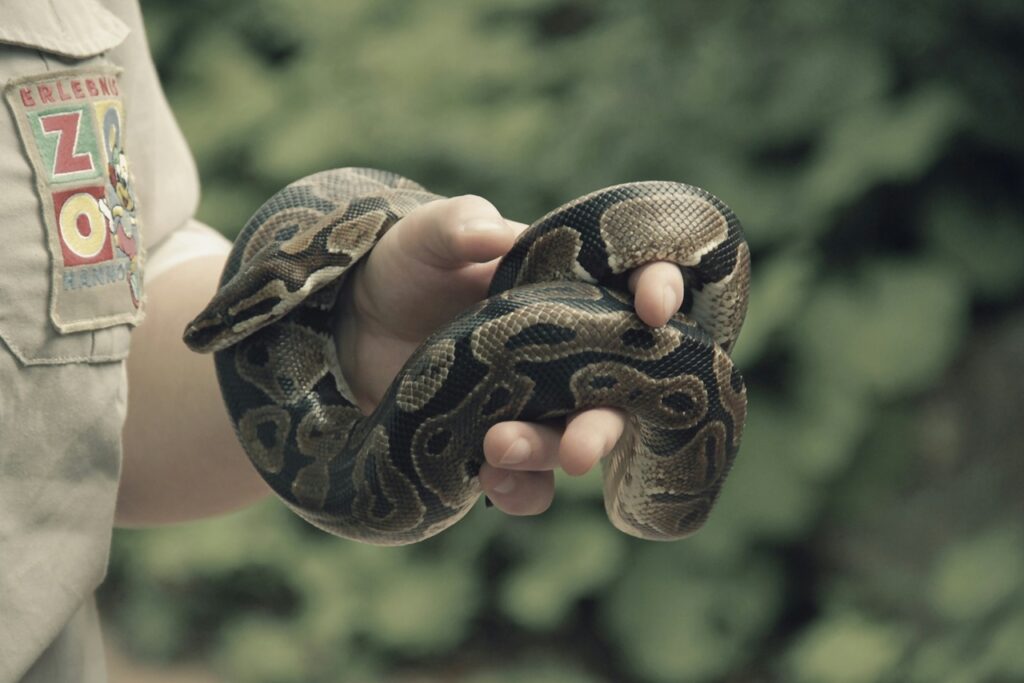
Bright, contrasting colors can be a warning signal in the animal kingdom, and snakes are no exception. Many venomous species display vibrant patterns, such as the coral snake’s distinctive red, yellow, and black bands. On the flip side, non-venomous snakes often have subdued or uniform coloration. While color cues aren’t failproof, they serve as a quick visual indicator to determine if a snake might pose a threat, allowing you to proceed with caution.
9. Rounded Snout and Body Proportions
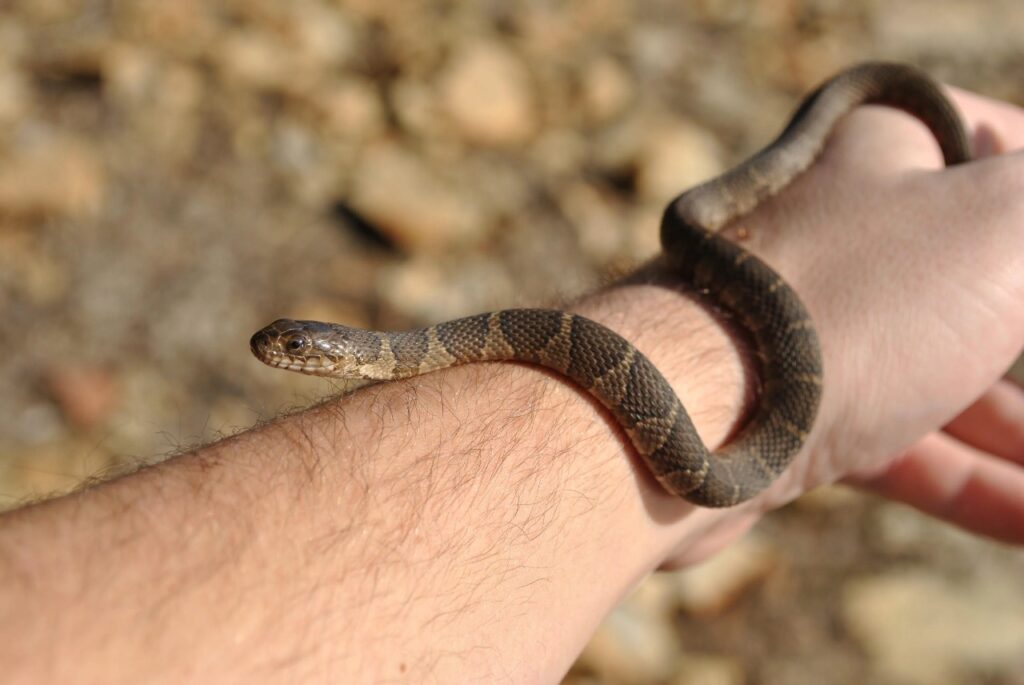
Non-venomous snakes typically have a more uniform and narrow body shape, with rounded snouts and gradually tapering tails. Their proportions often reflect their less aggressive hunting style, which relies on constriction rather than venom delivery. In contrast, venomous snakes may appear more muscular or stocky, with a pronounced difference between their head and body width. If you spot a sleek, smoothly contoured snake gliding along the grass or trail, chances are it’s among the harmless variety—though it still deserves respectful distance.