
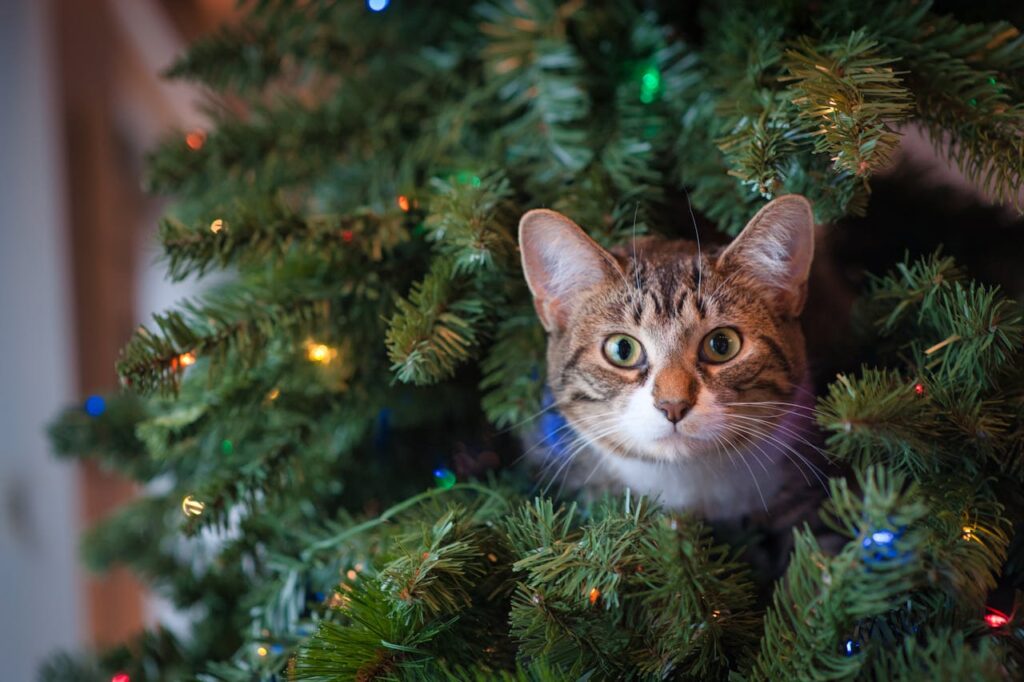
Tabby cats are some of the most beloved and common feline companions in the world. Recognized by their distinctive “M” marking on their foreheads, these cats come in a variety of stunning patterns and colors. Whether you’re a cat enthusiast or considering adopting a tabby, understanding their unique coats can make you appreciate their beauty even more. Here’s a look at nine gorgeous tabby cat patterns and colors that make these felines stand out.
1. Classic Tabby (Blotched Tabby)
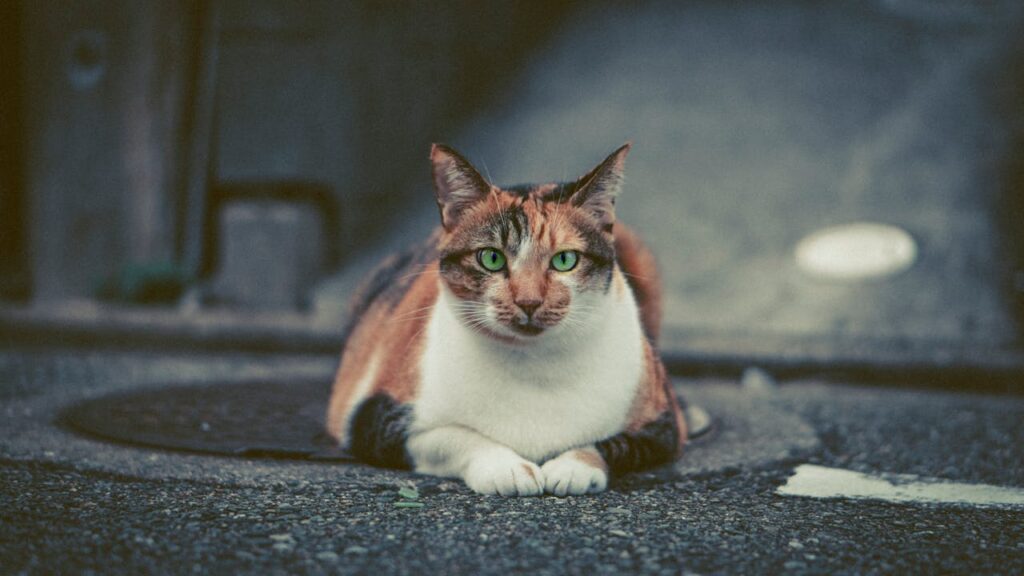
The classic tabby is one of the most easily recognizable patterns. These cats have bold, swirling patterns along their sides, resembling a marble cake. Their fur often features large, dark blotches that stand out against a lighter background, creating a stunning contrast. The classic tabby pattern is common in many breeds, including Maine Coons, American Shorthairs, and British Shorthairs. This pattern not only makes them look striking but also helps them blend into their surroundings in the wild. With their dramatic swirls and loops, classic tabbies often look like living works of art.
2. Mackerel Tabby
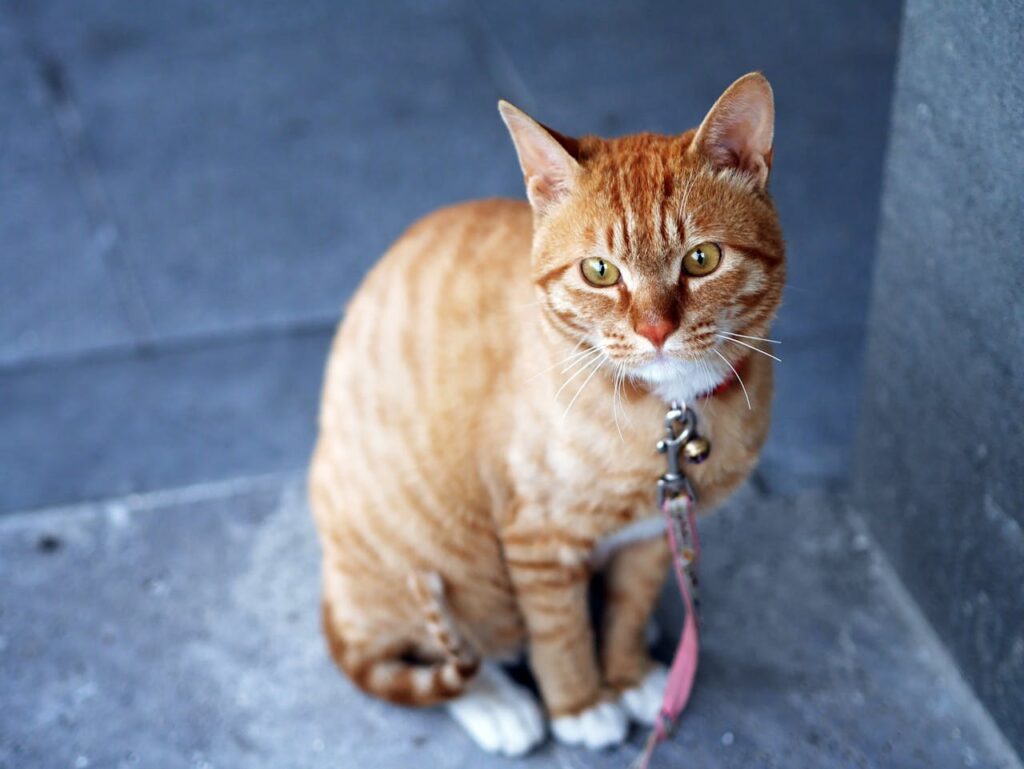
The mackerel tabby pattern is named after the fish because of its narrow, vertical stripes that run down the body like the ribs of a fish skeleton. These stripes are evenly spaced and extend from the spine to the belly, giving the cat a sleek and streamlined look. This is one of the most common tabby patterns and can be found in both short-haired and long-haired breeds. Mackerel tabbies often have darker markings on their legs and tail, which add to their graceful and elegant appearance. Their coat design is ideal for camouflage, making them excellent hunters in the wild.
3. Spotted Tabby
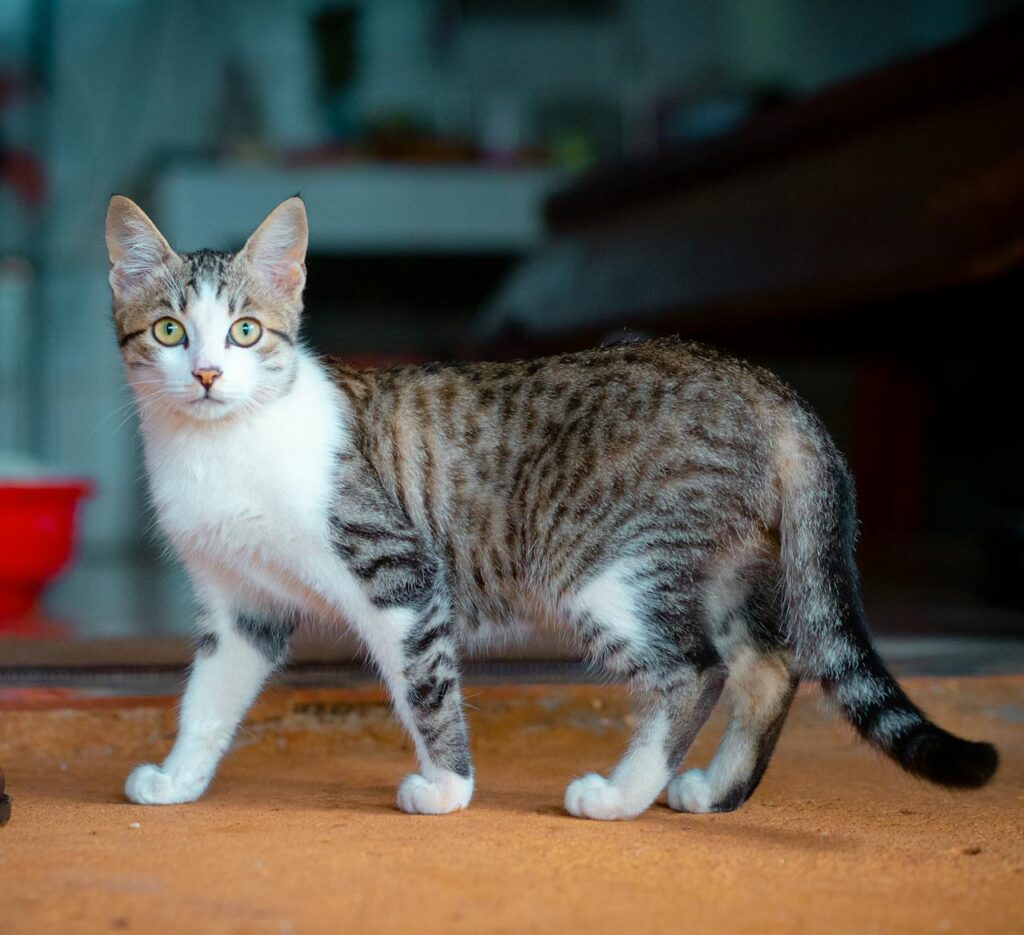
Spotted tabbies are known for their distinctive spots, which can vary in size and shape. Instead of the solid stripes seen in classic and mackerel tabbies, these cats have dark spots scattered across their bodies. This pattern is particularly common in breeds like the Bengal, Ocicat, and Egyptian Mau, giving them a wild, exotic look. The spots can be round, oval, or even rosette-shaped, similar to those of a leopard. Some spotted tabbies have a mix of stripes and spots, creating a unique combination that makes each one look slightly different from the next.
4. Ticked Tabby
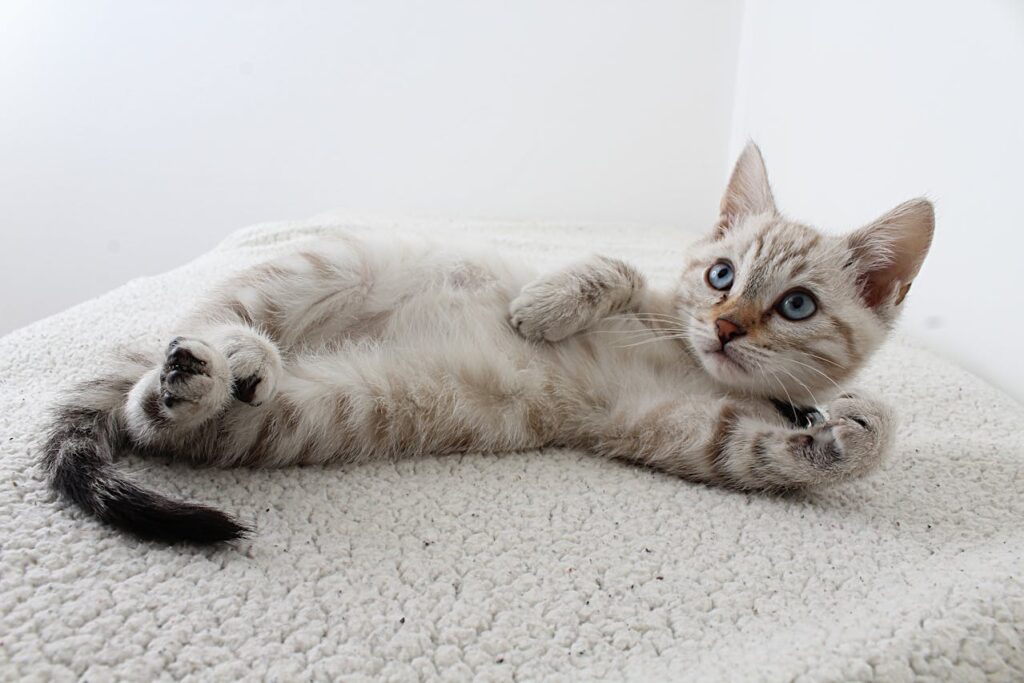
The ticked tabby pattern is unique because it doesn’t have the typical stripes or spots seen in other tabby cats. Instead, their fur has an almost shimmering effect due to a pattern called agouti ticking. Each hair shaft has multiple bands of light and dark colors, giving them a salt-and-pepper or sandy appearance. Abyssinians and Somali cats often have this pattern, making them look sleek and regal. While their body may lack clear stripes, they usually retain the signature “M” on their forehead and may have faint tabby markings on their legs and tail.
5. Patched Tabby (Torbies)
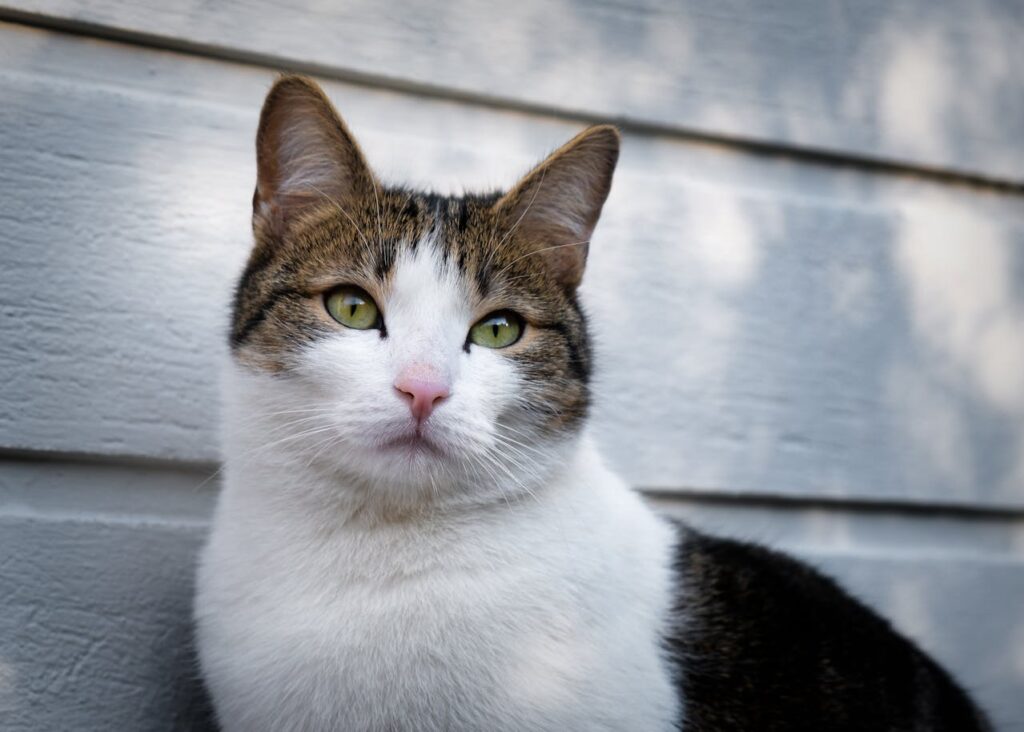
Patched tabbies, also known as “torbies,” are a mix of tabby and tortoiseshell patterns. These cats have the classic tabby stripes but also display patches of red, orange, or cream mixed into their fur. This pattern is more common in female cats due to genetics. Their coats can range from bold and vibrant to soft and muted, making each torbie unique. Some patched tabbies may have one color dominating their coat, while others have a more even blend of tabby and tortoiseshell markings. Their mixed colors and patterns give them a one-of-a-kind appearance.
6. Silver Tabby
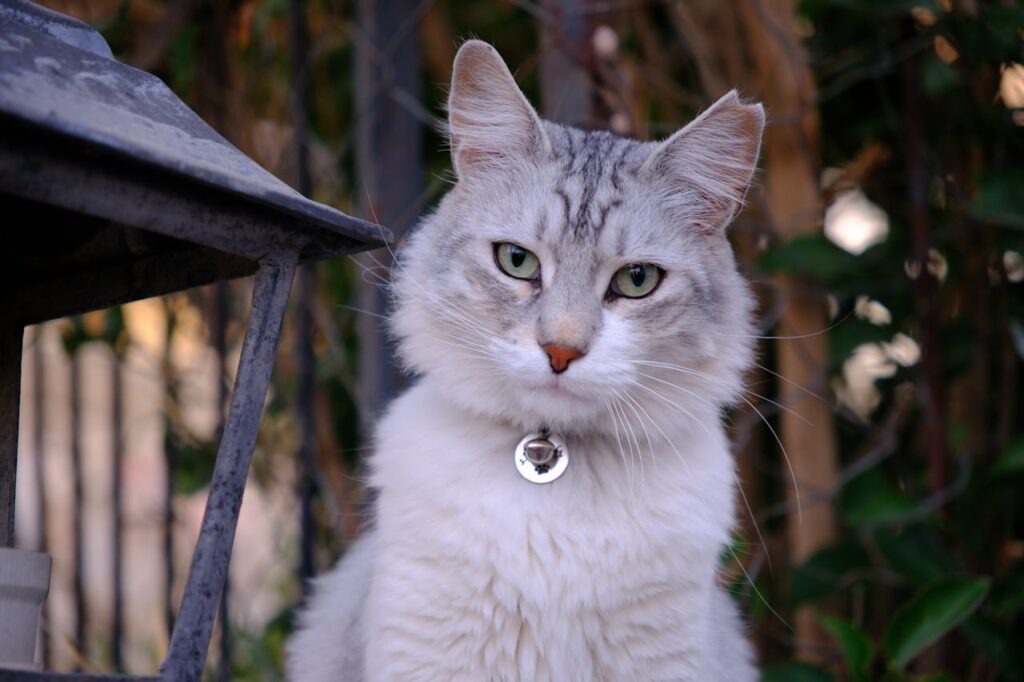
Silver tabbies have a striking contrast between their dark tabby markings and a pale silver or gray base coat. This color variation is caused by a gene that inhibits warm pigments, leaving only black or dark gray markings. The result is a cool-toned, almost metallic-looking coat that appears sleek and elegant. Silver tabbies can have any of the tabby patterns—classic, mackerel, spotted, or ticked. Their bold contrast makes them stand out, and they are often seen in breeds like the British Shorthair and American Shorthair. Some silver tabbies even have a slight shimmer to their fur, adding to their charm.
7. Brown Tabby
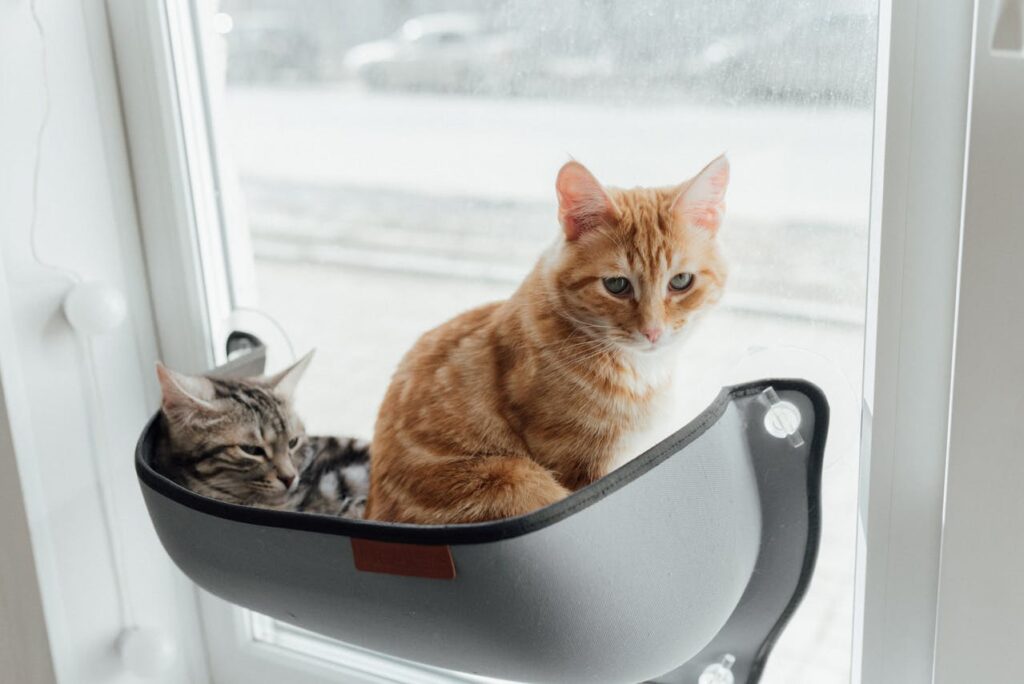
Brown tabbies are one of the most common tabby color variations. They have dark brown or black stripes on a warm, golden-brown background. Their markings can be bold and dramatic or soft and subtle, depending on the specific cat. Brown tabbies often have green or amber eyes that complement their earthy tones beautifully. This color variation is seen in many breeds, from domestic short-haired cats to Maine Coons. Their rich, warm hues make them look cozy and inviting, which might be why they are such popular pets.
8. Orange (Ginger) Tabby
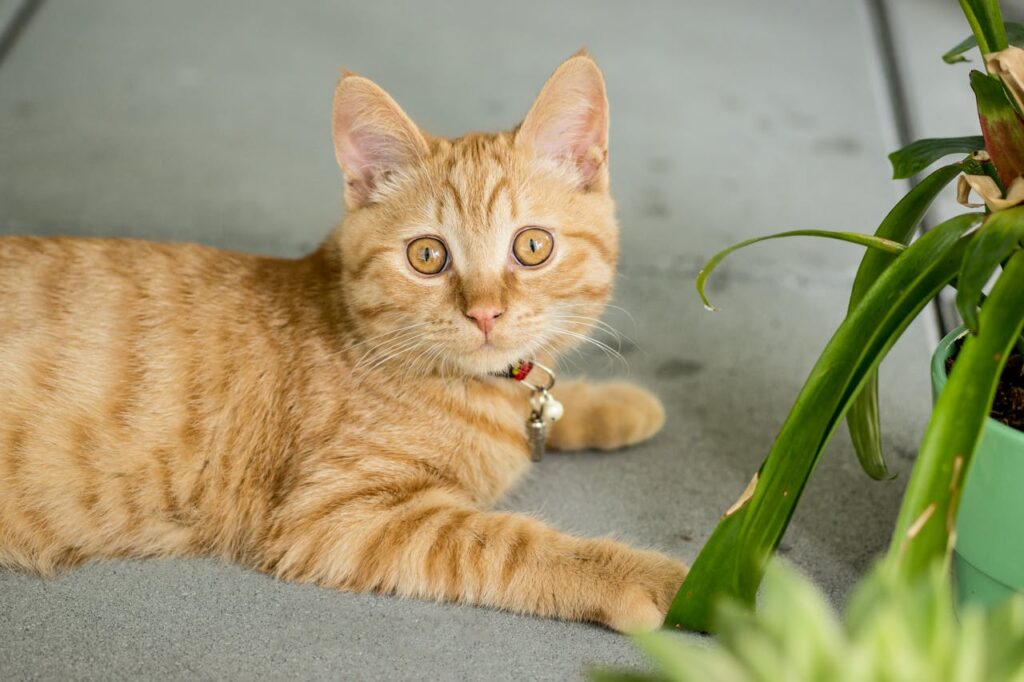
Orange tabbies, sometimes called ginger or marmalade cats, are famous for their vibrant, fiery coats. They can have classic, mackerel, spotted, or ticked tabby patterns, but their defining feature is their warm, reddish-orange hue. This coloration is more common in male cats due to genetics. Some orange tabbies have bold, high-contrast markings, while others have a more faded, blended look. Their bright and sunny appearance often matches their playful and affectionate personalities, making them a favorite among cat lovers. Garfield, the famous cartoon cat, is a classic example of an orange tabby.
9. Gray (Blue) Tabby
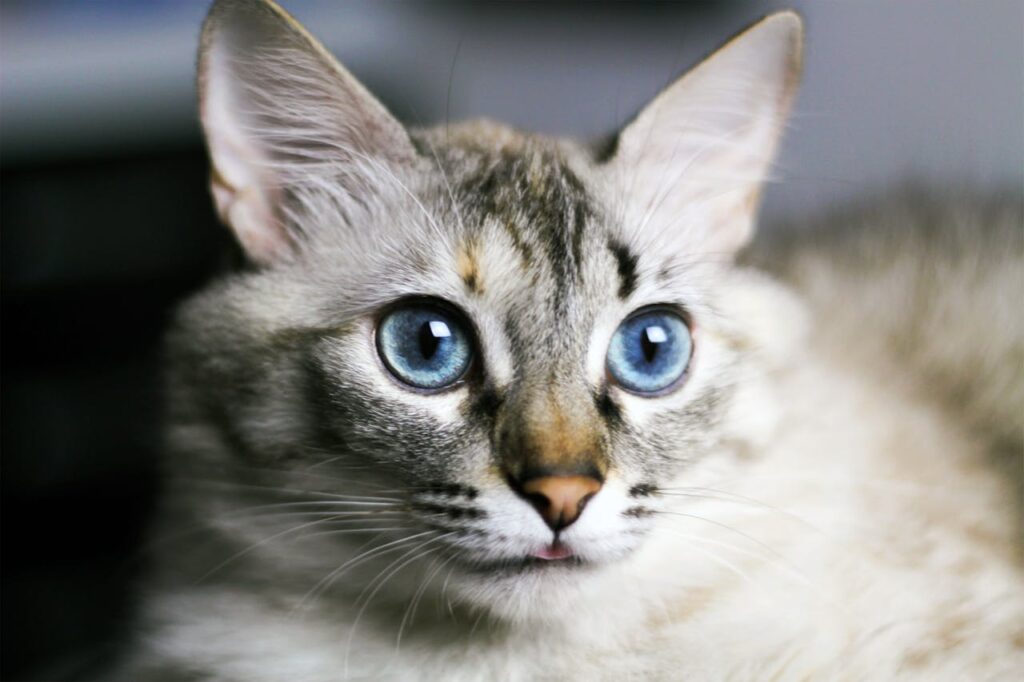
Gray tabbies, sometimes called blue tabbies, have soft gray or bluish-silver fur with dark gray tabby markings. Their cool-toned coats give them an elegant and sophisticated look. This variation can appear in all tabby patterns, from classic to ticked. Gray tabbies often have a soft, muted appearance, making them look especially cuddly. Their eye colors range from bright green to deep amber, adding to their striking appearance. Breeds like the Russian Blue and Chartreux sometimes exhibit this pattern, though domestic short-haired cats also frequently have gray tabby coats.
Love Pets as Much as We Do?

Scroll up and click the ‘Follow’ button to stay updated with the latest heartwarming, hilarious, and helpful pet posts from Pawdown, delivered straight to your Microsoft Start feed and MSN homepage!