

Cats may purr their way into our hearts, but behind those charming whiskers lies a cautious creature with its own set of fears. Feline apprehensions range from the downright perplexing to universally understandable. As natural hunters and explorers, cats are wired to be on the lookout for potential threats. Understanding these common fears not only helps foster a stronger bond but also ensures a safe and comforting environment for our furry friends. Let’s dive into these feline phobias and discover how to help ease their worries.
1. Loud Noises

Thunderstorms, fireworks, or even the sudden crash of a dropped object can send your cat skittering under the nearest bed. Their heightened sense of hearing makes them particularly sensitive to loud, unexpected sounds. To help your cat feel more secure, create a quiet sanctuary with soft bedding where they can retreat when the world gets too noisy. Playing calming music or providing a pheromone diffuser can help reinforce a sense of calm. Your reassuring presence can also make a world of difference during these noisy episodes.
2. Strangers

The arrival of unfamiliar guests can transform your confident cat into a nervous ball of fluff. This fear stems from a cat’s territorial nature; strangers pose a threat to their safe and familiar environment. Encourage new introductions gradually, allowing your cat to approach newcomers on their own terms. Offer treats and speak in soft tones to associate guests with positive experiences. Over time, even the shyest cat can warm up to frequent visitors, making both feline and human interactions more pleasant.
3. New Environments

Whether it’s moving to a new home or just rearranging the living room furniture, changes in their environment can set your cat’s nerves on edge. To make the transition smoother, start by familiarizing them with one room at a time. Keep some familiar items like their favorite blanket or toy nearby, maintaining scents they recognize. Gradually expand their territory as they become more comfortable. Patience is key, and soon enough, the unfamiliar territory will become their new haven.
4. Unfamiliar Animals

Encounters with new pets or other animals can cause distress for our feline friends. Their instinctual distrust of unknown creatures can lead to hissing or hiding. Introduce them gradually, allowing brief, supervised interactions at first. Provide safe spaces where your cat can observe from a distance before they decide to engage. Reinforce positive behavior with treats and affection. Over time, with thoughtful introductions, even the most reluctant cat can share their space harmoniously.
5. Being Alone
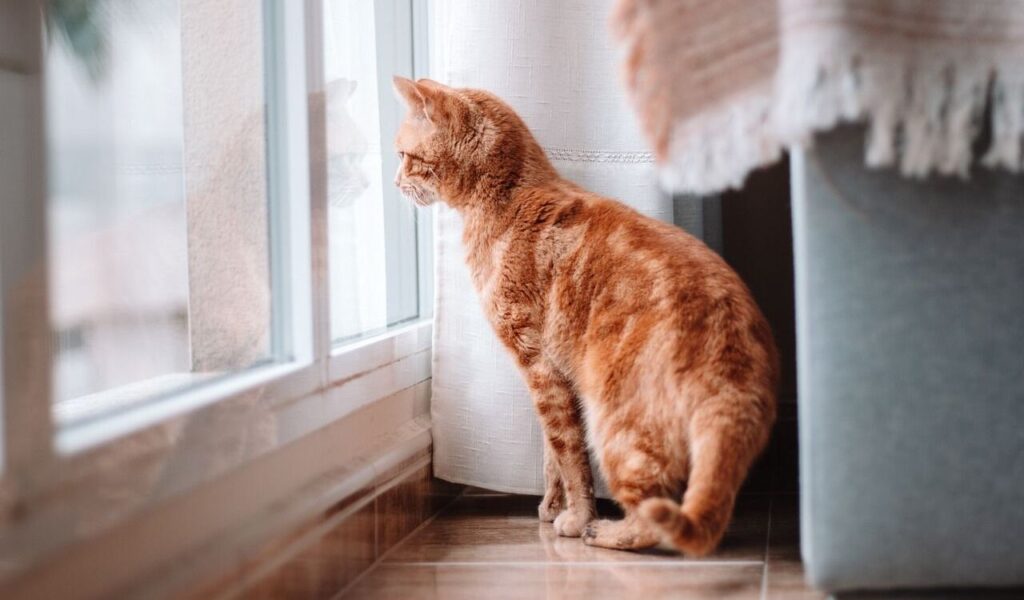
Cats are known for their independence, but even the most confident feline can feel uneasy when left alone. Separation anxiety can sneak up, leading to stress-induced behaviors like excessive meowing or destructive scratching. Creating a comforting environment can make all the difference. Interactive toys, puzzle feeders, and cozy resting spots can keep your furry friend entertained and relaxed during your absence. Consider leaving a piece of clothing with your scent to reassure them that you’ll return soon. With a little preparation, your cat’s solo time can transform from stress-filled to serene.
6. Sudden Changes

Cats are creatures of habit, and sudden changes in their environment can send them into a tailspin. From moving to new furniture arrangements, any disruption in their familiar world can cause anxiety. Gradually introducing changes can help ease their transition. If you’re moving, set up a quiet space with all their essentials first. For room makeovers, let them explore at their own pace. Always provide them with familiar scents and sounds to blend the new with the comforting familiar. With patience and understanding, your kitty will adapt more smoothly to their evolving surroundings.
7. Vet Visits

Even the bravest cat may cower in fear at the sight of a carrier or the sound of a vet clinic. For animals who thrive on control, visits to the vet can feel overwhelming. To make these trips less daunting, introduce the carrier as part of everyday life. Leave it open in a cozy corner with soft bedding and treats inside. Encourage curious exploration so it becomes a safe space rather than a cue for distress. Gradually acclimate your cat with short, pleasant car rides and reward them generously. This patient approach can turn tension into tranquility when the next vet visit rolls around.
8. Fear of Water
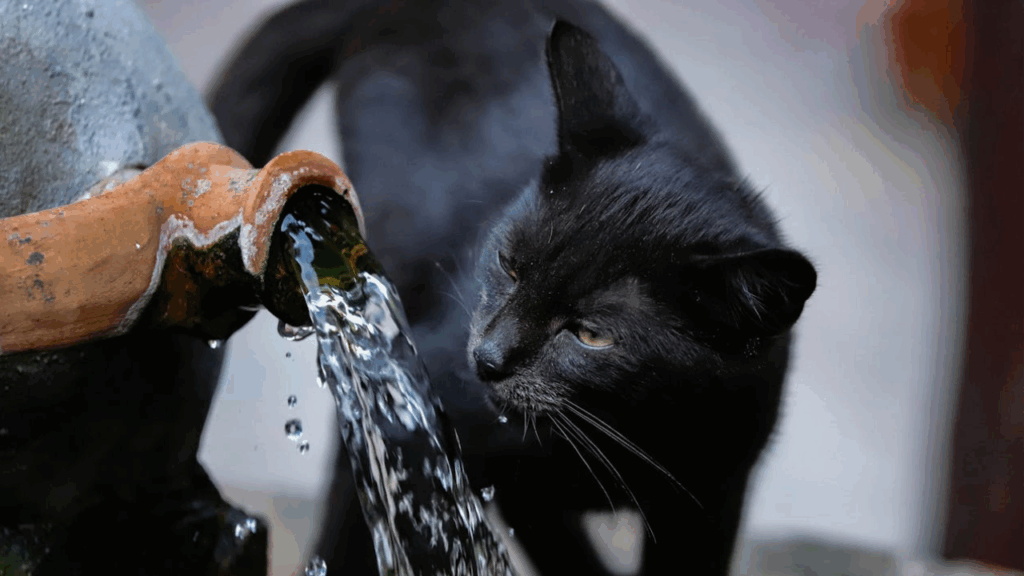
Many cats instinctively shy away from water, whether it’s a bath, a dripping faucet, or even a damp floor. This aversion may stem from their evolutionary roots, as most domestic breeds didn’t originate from wet environments. Sudden contact with water can also feel startling and uncomfortable due to their sensitive fur. While some cats grow curious about water over time, forcing them into it can heighten anxiety. Always approach water-related situations gently, using a damp cloth for cleaning when possible. Respecting this fear can make grooming less traumatic and daily life more harmonious.
Handling Common Cat Fears
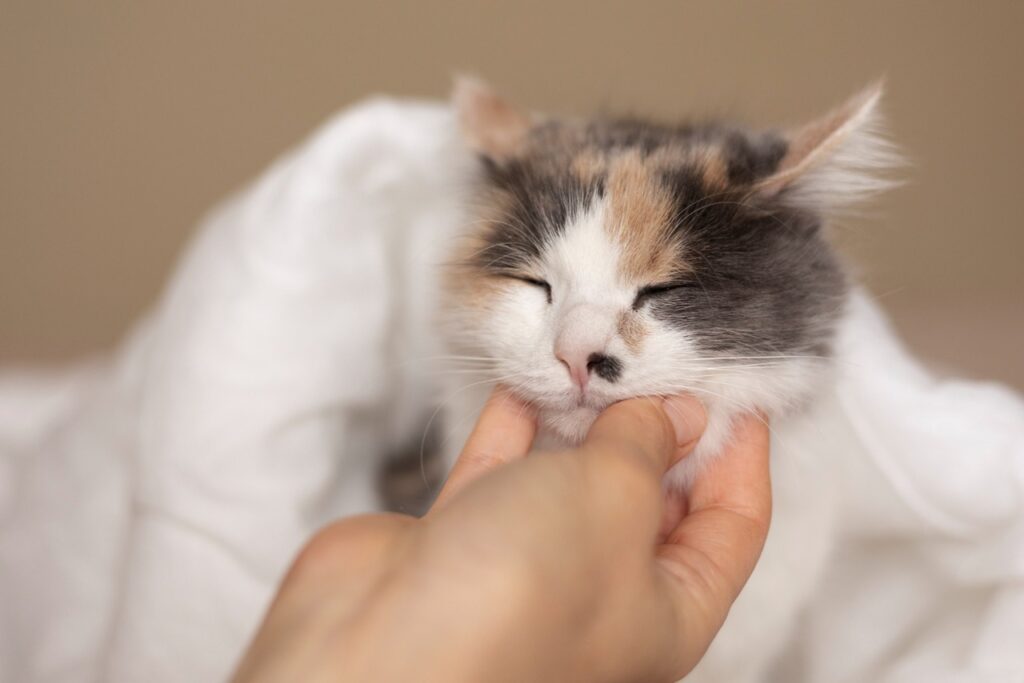
Addressing common cat fears requires patience and a gentle touch. Recognize the signs: flattened ears, twitching tails, or hiding. Create safe zones at home, complete with comforting textures and scents. Play is a great stress reliever, so engage them with interactive toys to keep their minds off fear triggers. Pheromone diffusers can also promote calmness. Always respect their boundaries and never force interactions. Understanding and empathy are your strongest tools in helping your cat navigate their world confidently. Remember, a little patience goes a long way in easing those feline fears.
1. Helping Cats with Loud Noises
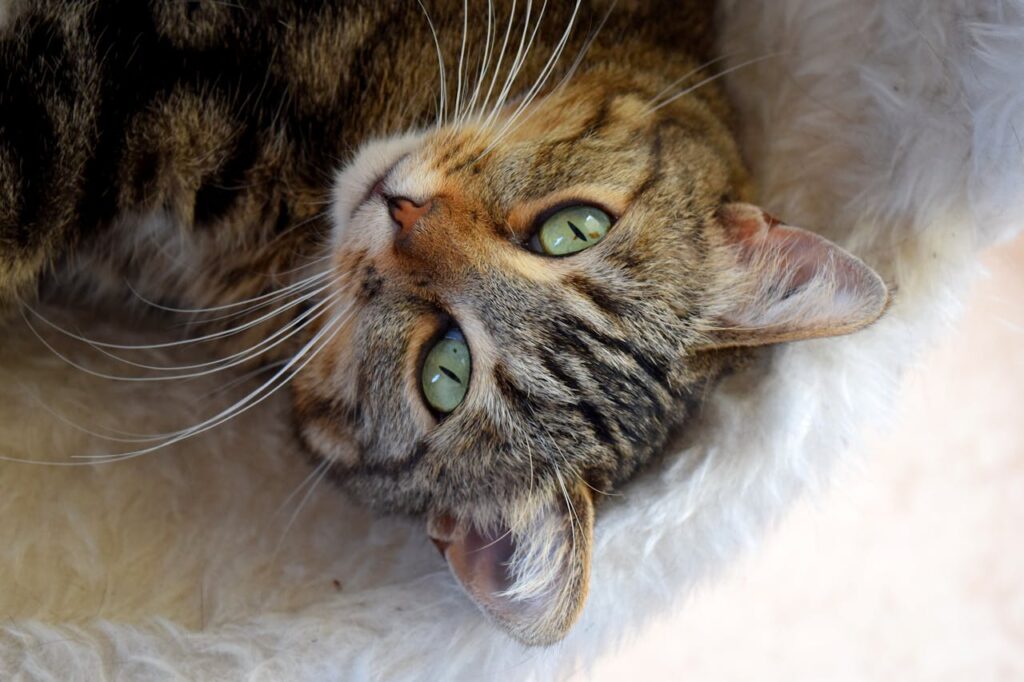
Thunderstorms, fireworks, and vacuum cleaners can turn your calm cat into a bundle of nerves. Loud noises are a common fear, and the best way to help is by making your home an oasis of calm. Turn on some soft music or white noise to drown out sudden sounds. Create a cozy hideaway using cushions and thick blankets to muffle the noise further. Speak softly and offer treats to distract and reassure them. With a reassuring presence and a well-prepared environment, you can transform fearful moments into peaceful ones.
2. Comforting Cats Around Strangers

Cats often perceive strangers as potential threats, triggering their natural flight instincts. To help your feline friend feel at ease, introduce new people gradually. Allow your cat to observe from a distance, giving them the choice to approach or retreat. Offer treats and speak in calm tones to create positive associations. Remind guests to let the cat come to them, promoting a sense of control for your kitty. Patience is key; forcing interaction can heighten anxiety, while gentle encouragement fosters trust and comfort.
3. Easing Transition to New Environments

Moving homes or rearranging spaces can unsettle even the bravest of cats. Start by setting up a single room with familiar items like their bed and toys to establish a safe zone. Gradually allow exploration of the new environment at their pace, ensuring plenty of hideaways for security. Maintain feeding routines to provide stability. Pheromone diffusers can aid relaxation, mimicking the calming scents of their past environment. This gradual approach ensures a seamless adaptation, reducing stress and promoting curiosity.
4. Introducing Cats to New Animals
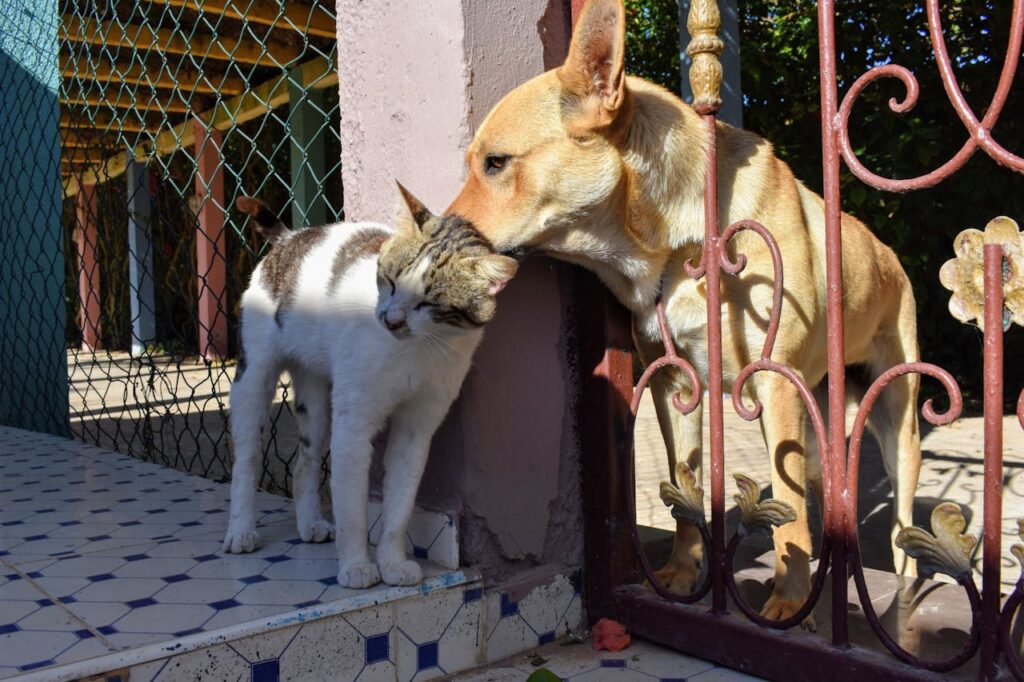
When meeting new furry or feathered additions, cats can react with apprehension or territorial behavior. Slowly introduce them through scent swapping, using items like blankets to familiarize each with the other’s scent. Supervise the initial face-to-face meetings closely, ensuring escape routes for both animals. Positive reinforcement with treats and praise encourages calm behavior. It’s crucial to remain neutral, avoiding favoritism, as cats are sensitive to changes in their environment and owner behavior.
5. Reducing Separation Anxiety
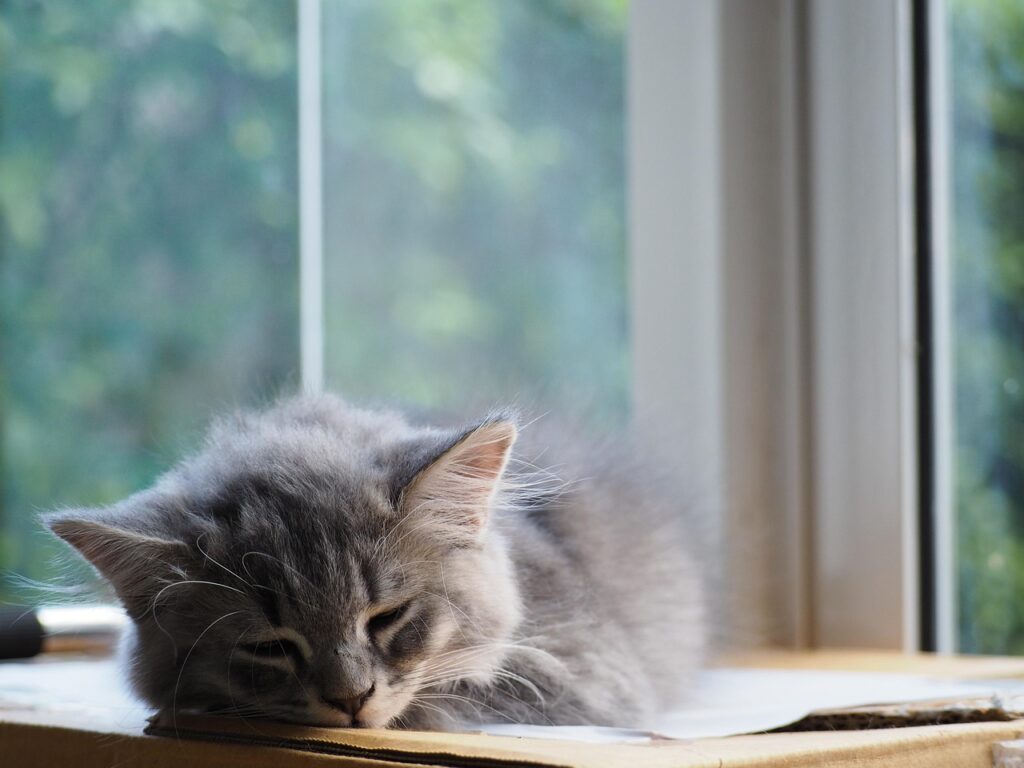
Cats may become distressed when left alone, leading to anxiety-driven behaviors. Routine is comforting, so maintain regular schedules for feeding and playtime. Before departing, engage your cat in a high-energy activity to expend nervous energy. Provide interactive toys that challenge their mind, along with cozy hideaways to offer solitary security. Upon return, stay calm—your soothing presence reassures them without creating an anxiety loop. Over time, these strategies ease their worries, transforming solitude into a peaceful experience.
6. Managing Sudden Household Changes
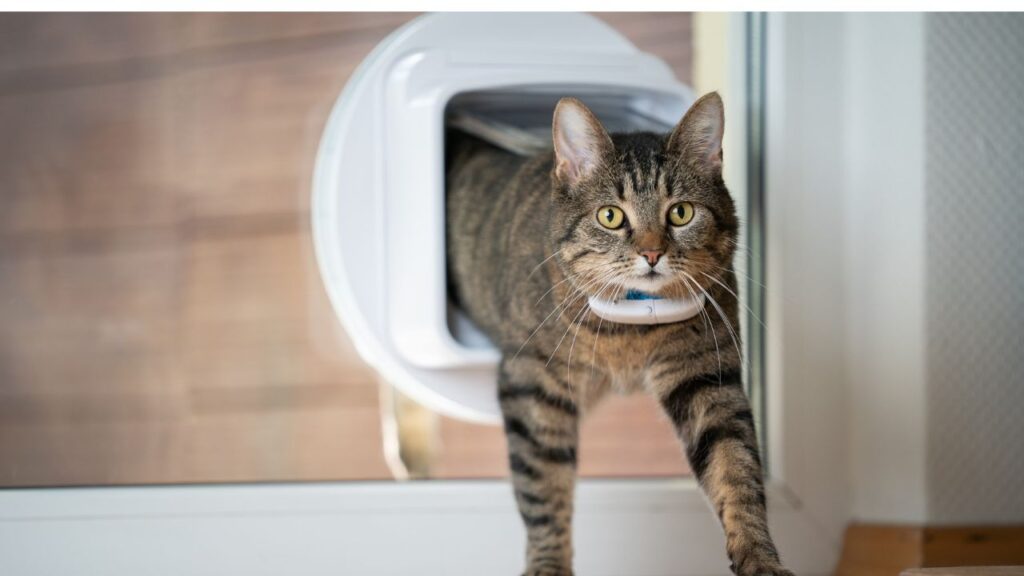
Unexpected events like renovations or new family members can disrupt a cat’s sense of stability. Strive to minimize chaos by establishing a quiet retreat stocked with comfort items. Dedicate time for extra affection, reinforcing their place in the household hierarchy. Communicate changes through positive experiences: treats, interactive play, and soothing attention. Patience and understanding during transitions prevent stress from escalating, fostering an adaptable, secure feline companion who feels at home amidst life’s inevitable surprises.
7. Making Vet Visits Stress-Free
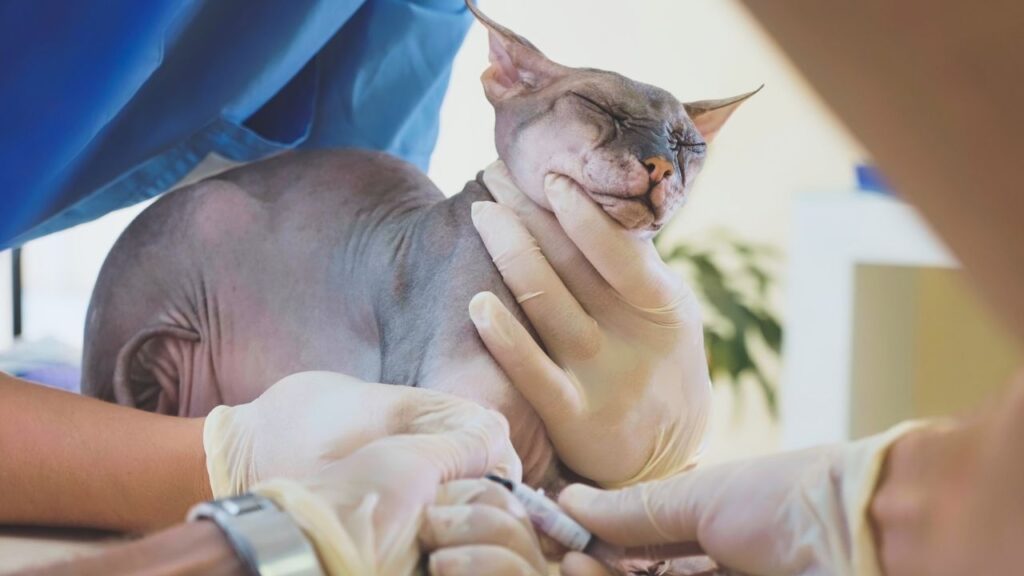
The mere mention of the vet can send even the most relaxed cats into a frenzy. The unfamiliar smells and sounds, combined with the travel process, create a cocktail of anxiety. One way to lower their stress is to get your furry friend used to the carrier. Try leaving the carrier out in your home with a cozy blanket inside. Spritz it with a calming pheromone spray to make it more inviting. Short, frequent trips with rewards can help too. These steps transform the dreaded carrier into a familiar safe haven, reducing anxiety and making vet trips a purr-fectly manageable experience.
8. Helping Cats Cope with Water Fears

To reduce stress when handling your cat, create calm and predictable routines. Use a soft, quiet voice and avoid sudden movements. Practice short, positive sessions where you gently touch sensitive areas—like paws or ears—and follow each touch with a treat. Over time, this desensitization builds tolerance and trust. If restraint is necessary, such as during grooming, a snug towel wrap can offer gentle security without overwhelming them. By introducing handling gradually and respectfully, you help your cat feel more in control—and far less afraid.