
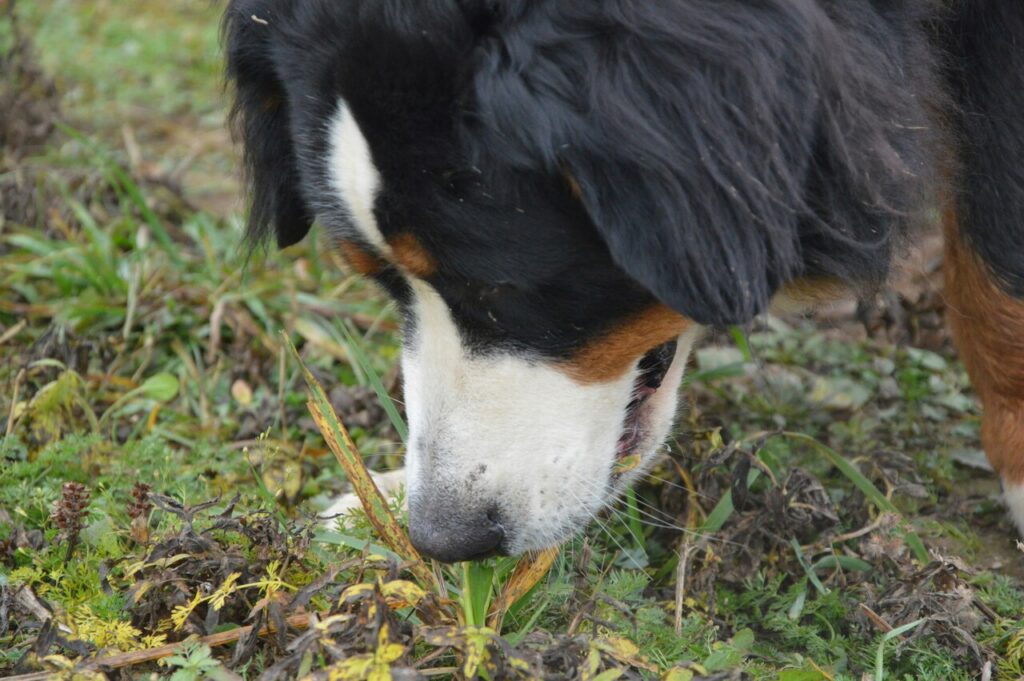
Dogs can be mysterious creatures, leaving us puzzled with some of their quirky behaviors. One such action is munching on grass. While this habit may seem odd especially to those of us without a herbivorous bone in our bodies, it’s actually quite common in our four-legged friends. But why do they engage in this grassy buffet, and what’s the solution if it becomes a concern? Get ready to embark on a journey through the grassy meadows of canine behavior, uncovering reasons that range from the practical to the puzzling, and find out how to keep your pup’s diet green-free if needed.
1. Nutritional Deficiency

One prevailing theory suggests that dogs might snack on grass due to a lack of specific nutrients in their diet. Just like humans crave certain foods to bridge nutrient gaps, dogs may turn to grass for its fiber content or trace minerals. If your dog appears unusually focused on their greens, it might be time to reevaluate their diet. Ensuring a balanced meal with all essential nutrients can curb this behavior swiftly. Incorporating fiber-rich vegetables or consulting with a vet about dietary needs could be the key to solving this craving.
2. Instinctual Behavior

Believe it or not, your domesticated dog still harbors a bit of its wild ancestry. Eating grass is thought to be an instinctual behavior inherited from their wild relatives. In the wild, canines might eat the stomach contents of herbivore prey, which includes partially digested plants. This instinctual drive may surface, causing your pup to chomp on grass as a nod to their inner wolf. While this isn’t typically harmful, understanding it as an ancient trait can help you manage the behavior with empathy rather than concern.
3. Boredom

Just like humans might snack out of boredom, dogs can turn to grass as a way to pass the time or break the monotony. If your dog seems to graze when left alone or during a lull in activity, it might be a sign they’re looking for something to do. Increasing your pet’s physical activity, providing puzzle toys, or engaging them with training sessions can greatly reduce their grassy inclinations. Keeping their minds and bodies stimulated is an effective strategy to prevent them from embarking on their lawn-eating adventures.
4. Enjoyment of Texture

Sometimes, the simplest explanation is the correct one. Your dog might simply love the texture and taste of grass. The feeling of chewing on something different can be appealing, much like humans enjoy crunchy snacks. If your pup’s grass-eating sessions are occasional and not leading to digestive issues, it might just be a harmless flavor preference. However, ensuring that your lawn is free of harmful chemicals and pesticides is crucial to keeping this habit safe. Redirecting this behavior with safe chew toys can also satisfy their textural cravings.
5. Digestive Relief
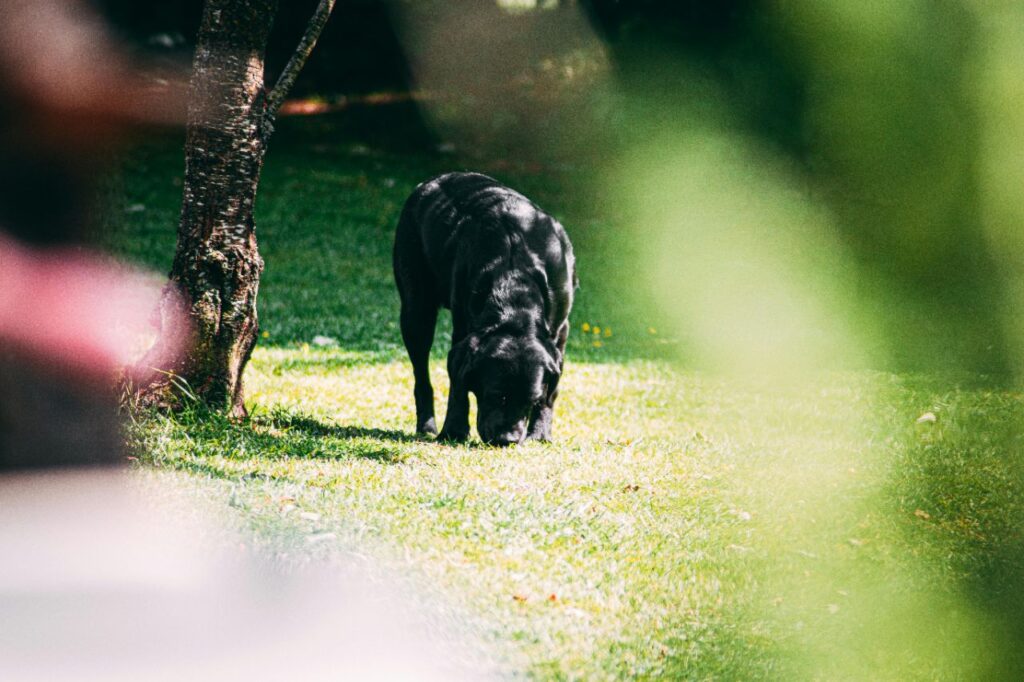
Sometimes it seems like our furry companions can sense exactly what their bodies need. For some dogs, munching on grass serves as a natural antacid, helping to alleviate digestive discomfort. It’s a theory among pet experts that this green snack acts as a fiber supplement, promoting healthy bowel movements. While most dogs digest grass with no issues, it’s wise to keep an eye on them to ensure it doesn’t lead to vomiting or discomfort. If this habit becomes frequent, spotting any dietary imbalances or visiting a vet can provide clarity.
6. Stomach Upset
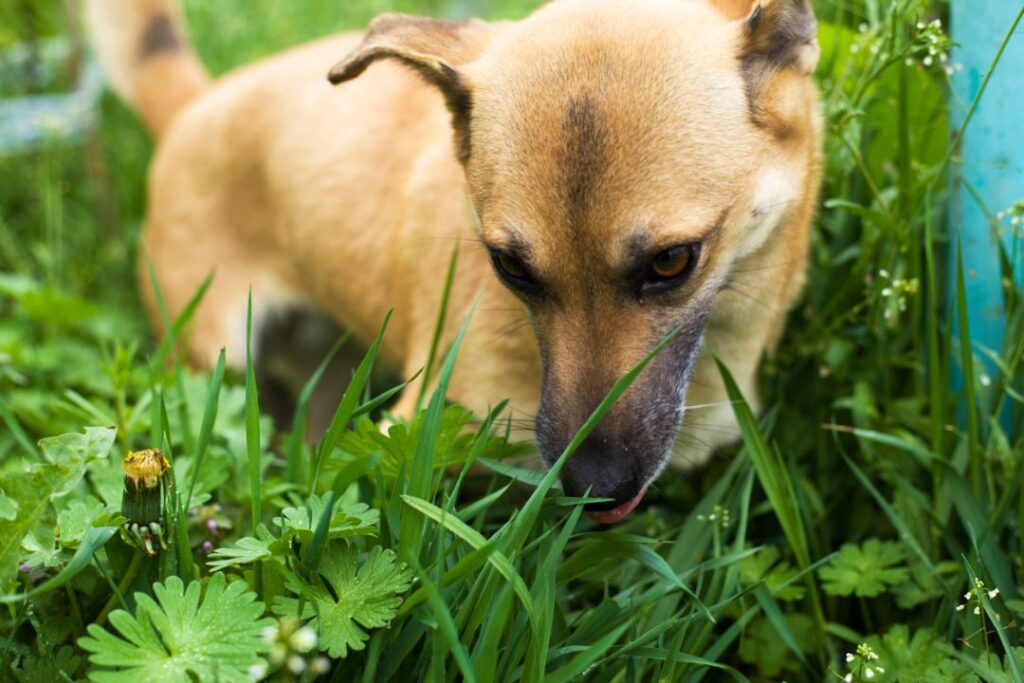
Ever noticed your dog chomping on grass only to throw up soon after? It’s a common scene—one that has puzzled many pet owners. Dogs may instinctively eat grass to induce vomiting and relieve stomach upset, such as from ingesting something disagreeable. This behavior might be their way of expelling unwelcome substances. However, if your pooch frequently seeks grassy relief, consulting a veterinarian is advisable. Chronic upset stomachs may signify underlying health issues needing attention.
7. Habit Formation

Like us, dogs can develop habits. Some pooches start eating grass as a pastime, a way to kill boredom or occupy idle time. If your dog spends a lot of time outdoors or seems restless, they might see grass munching as an engaging activity. Redirecting this habit can be as simple as increasing playtime or introducing mentally challenging toys. Dogs thrive on routine and stimulation, so ensuring they have plenty of both can deter this grassy obsession.
8. Curiosity and Exploration
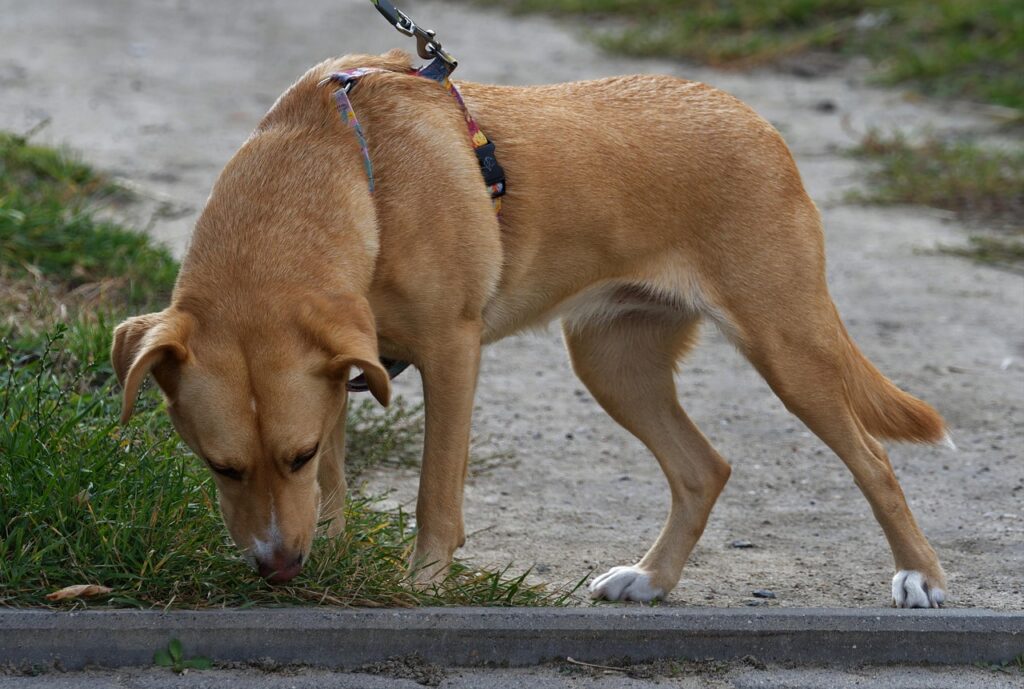
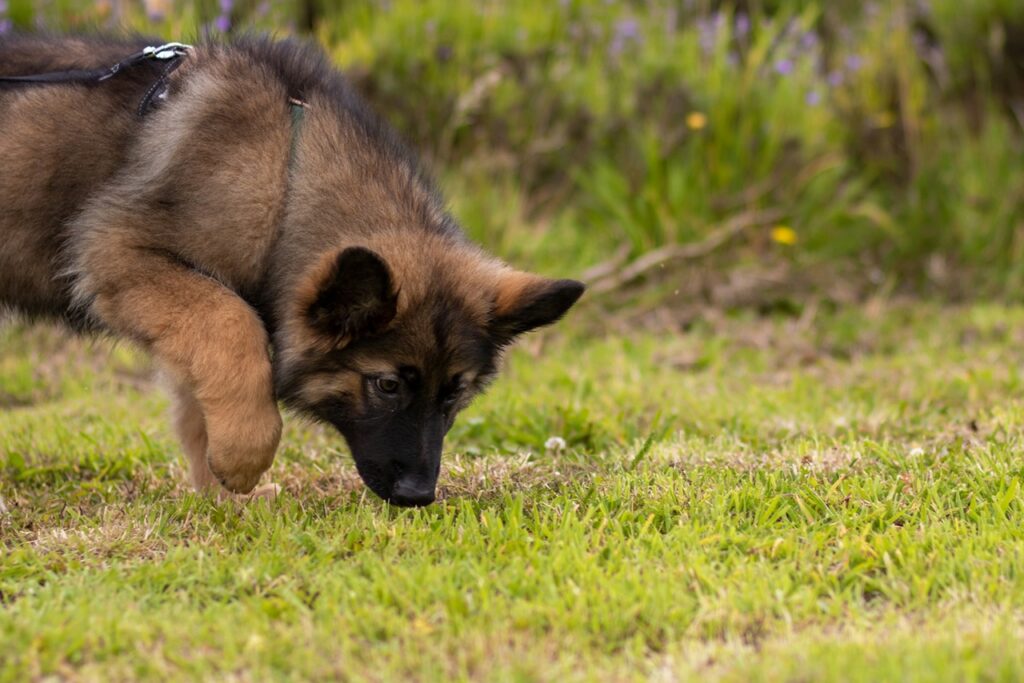
Dogs are naturally curious, and tasting grass could simply be part of their exploration process. Just like sniffing every inch of the park, tasting the greenery might help them understand their environment better. This behavior is particularly common in puppies, who use their mouths to learn about the world. While this isn’t typically harmful, ensuring they don’t eat treated or pesticide-covered grass is crucial for their safety. Providing diverse toys and outlets for discovery can satisfy their inquisitive nature.
9. Health Benefits
While often seen as an odd canine quirk, grass consumption comes with its unexpected perks. Grass is rich in chlorophyll, a nutrient believed to offer various health benefits, such as improved digestion and detoxification. Some suggest that dogs may naturally crave these benefits during certain health cycles, choosing grass as a supplement. However, excessive grazing should be monitored. Consulting with a vet can help determine if your dog’s diet needs tweaking to ensure they get all essential nutrients.