
When night falls and the world quiets down, a fascinating group of mammals awakens to take over the dark. While owls and bats often steal the spotlight, plenty of lesser-known creatures are just as active when the sun goes down. From thick jungles to wide-open plains, these mammals spend their nights foraging, hunting, or simply exploring. You may never see them in action, but they’re out there, ruling the night while the rest of us sleep in peace.
1. Aardvark
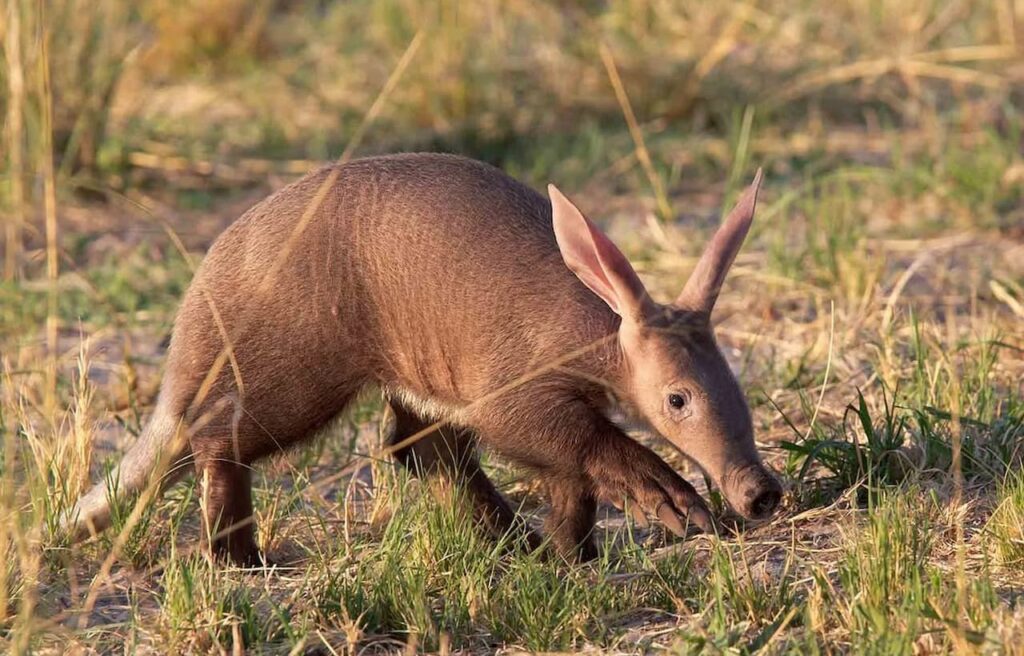
The aardvark, native to Africa, is a shy, nocturnal mammal built for solitary nights. With a pig-like snout and long ears, it uses its strong claws to dig deep into termite mounds after dark. Its sticky tongue—up to 12 inches long—scoops up thousands of insects in a single outing. During the daytime, it buries itself in cool burrows to escape the heat and stay safe. Although rarely spotted in the wild, the aardvark is constantly on the move at night, covering miles in search of food.
2. Kinkajou
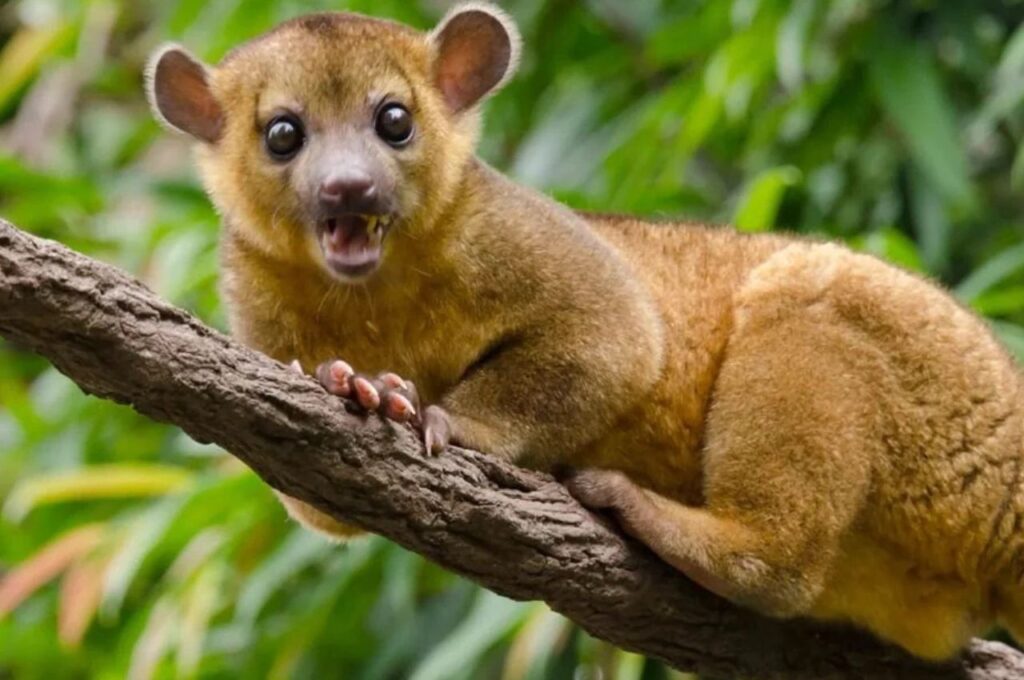
Kinkajous are small, tree-dwelling mammals found in the rainforests of Central and South America. With large eyes that shine in the dark and a tail that grips like a hand, they move gracefully through the canopy at night. These nocturnal explorers snack on fruit, nectar, and the occasional insect. Despite their nickname, “honey bear,” they aren’t bears at all—more closely connected to raccoons. Kinkajous live quietly among the leaves, rarely seen but always busy after sundown.
3. Pangolin
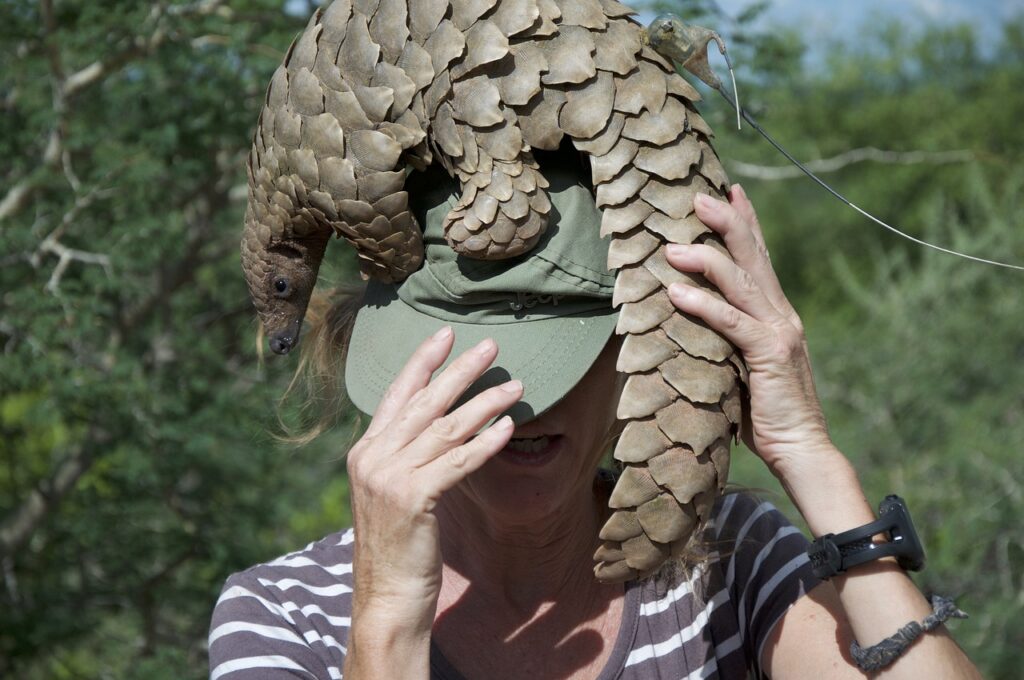
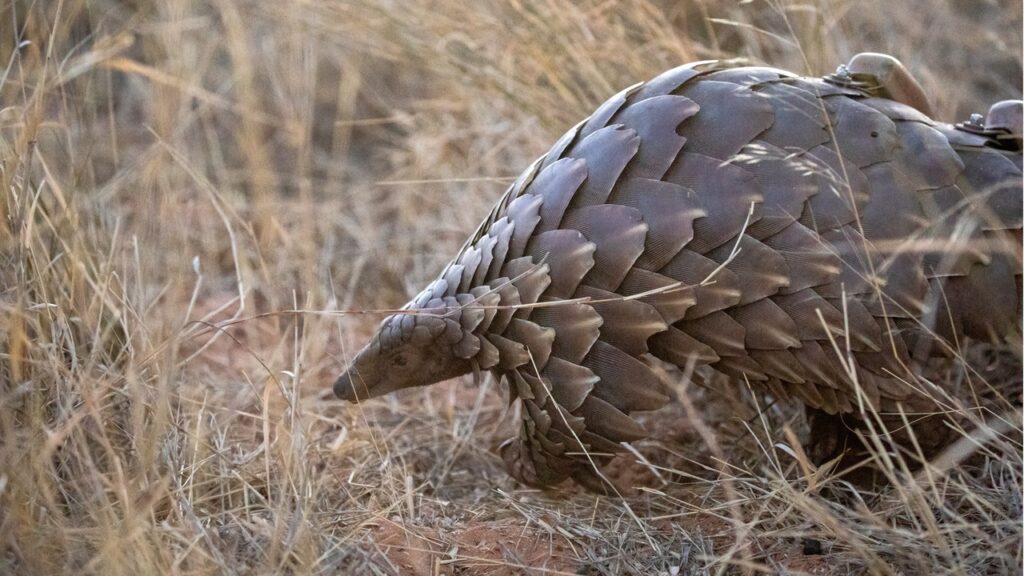
Pangolins, covered in protective scales, are among the world’s most unusual and elusive mammals. Found across Asia and Africa, they spend their nights sniffing out ant and termite colonies, using sharp claws and a long tongue to feast in silence. Their movements are slow and deliberate, making them easy to overlook even when nearby. During the day, they entwine themselves in burrows or plain logs. Threatened by trafficking, they remain one of the most mysterious animals of the night.
4. Aye-Aye
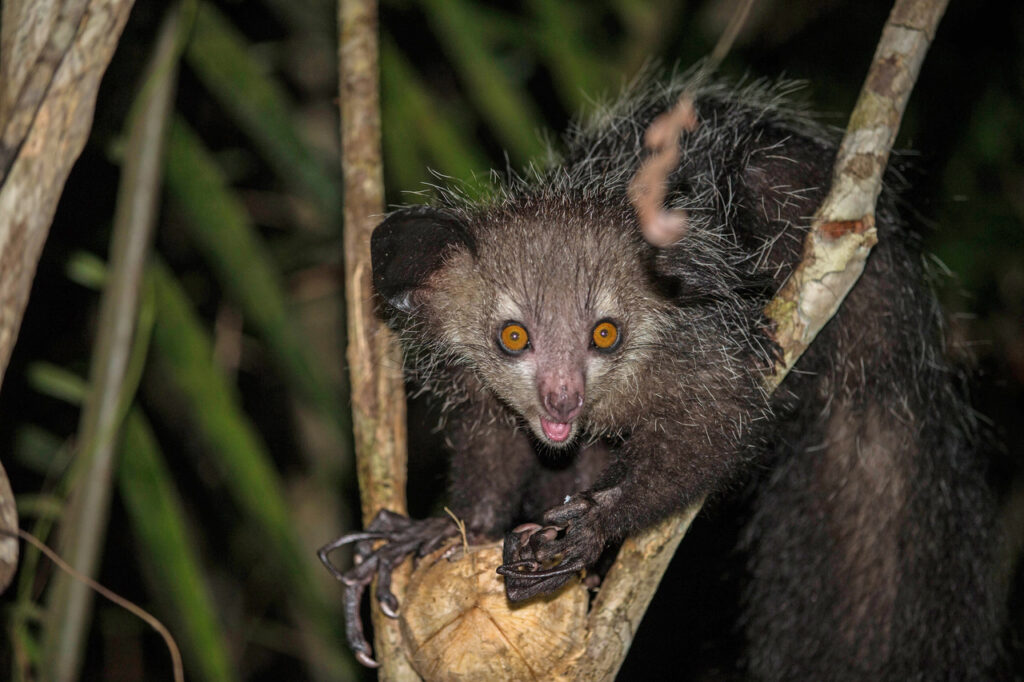
The aye-aye, a rare lemur native to Madagascar, lives in the outlines of the forest canopy. With oversized eyes and a long, sleek middle finger, it taps on trees to locate grubs inside, then uses its finger like a tool to take out them. Its eerie look has sparked myths and fear, but it plays a vital role in pest control. Aye-ayes are active only at night, climbing silently through branches in search of food. Most people never see one, though they’re busy every single night.
5. Slow Loris
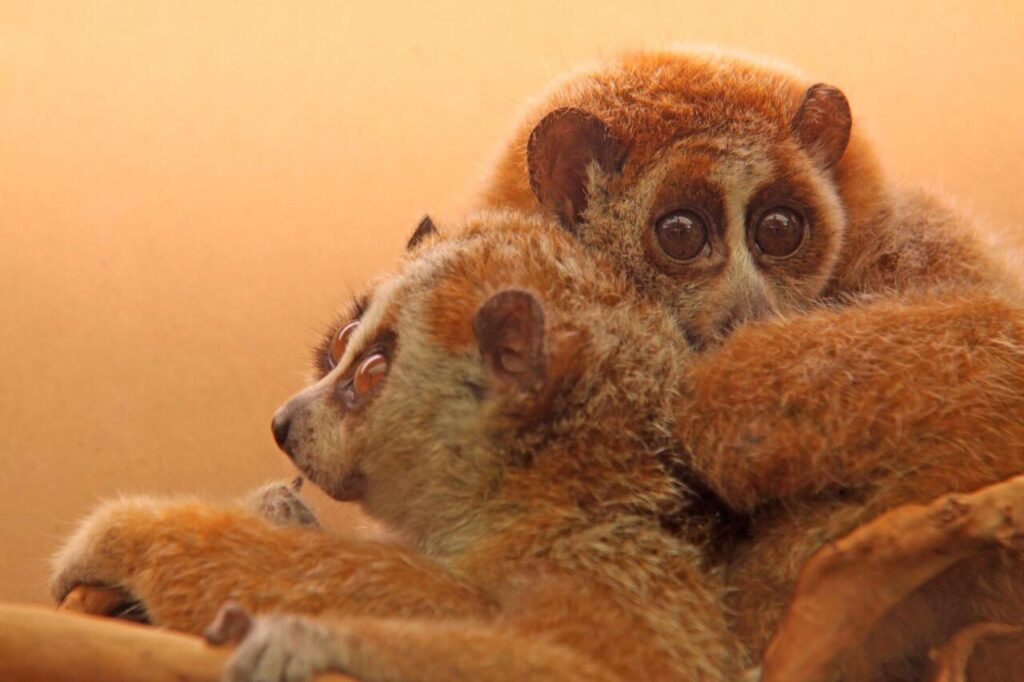
The slow loris, found in Southeast Asia, is a small primate with a big secret—it’s one of the few venomous mammals. With wide eyes adapted to darkness, it moves deliberately through the treetops after dusk. Its bite, delivered after licking its own toxin-producing glands, can be harmful to predators and humans alike. Feeding on insects, fruit, and small animals, it keeps a low profile. The slow loris spends its nights foraging carefully, hidden by its calm and quiet nature.
6. Quokka
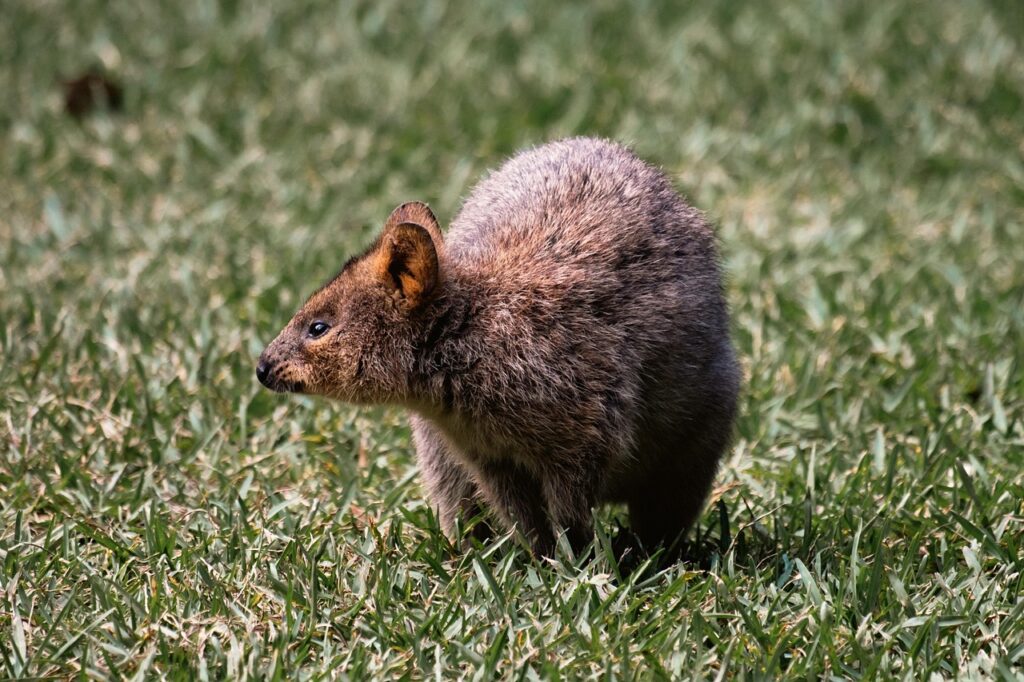
While the quokka may be famous for its cheerful expression, few know it’s mainly nocturnal. Found on Rottnest Island and parts of Western Australia, this small marsupial rests in shade during the hot day, emerging after sunset to forage for plants and grasses. Quokkas live in small groups and prefer the cooler, quieter nighttime hours. Though their daytime selfies have charmed tourists worldwide, it’s in the still of the night that they do most of their feeding and exploring.
7. Common Genet
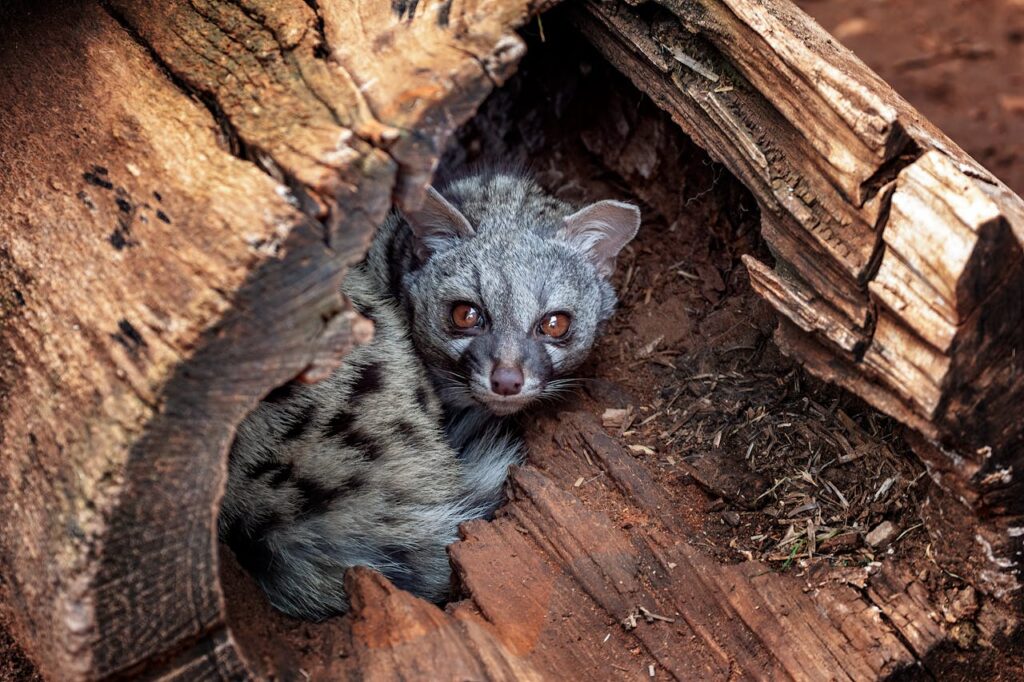
With its sleek body and spotted coat, the common genet looks like a mix between a cat and a ferret. Though it’s actually a relative of the mongoose, it behaves like a feline predator once night falls. Native to parts of Africa and Europe, it hunts rodents, birds, and insects under the cover of darkness. Agile and solitary, it slips through shadows with ease, climbing trees and darting through brush. During the day, it hides away, saving its energy for its nighttime prowls.
8. Tasmanian Devil
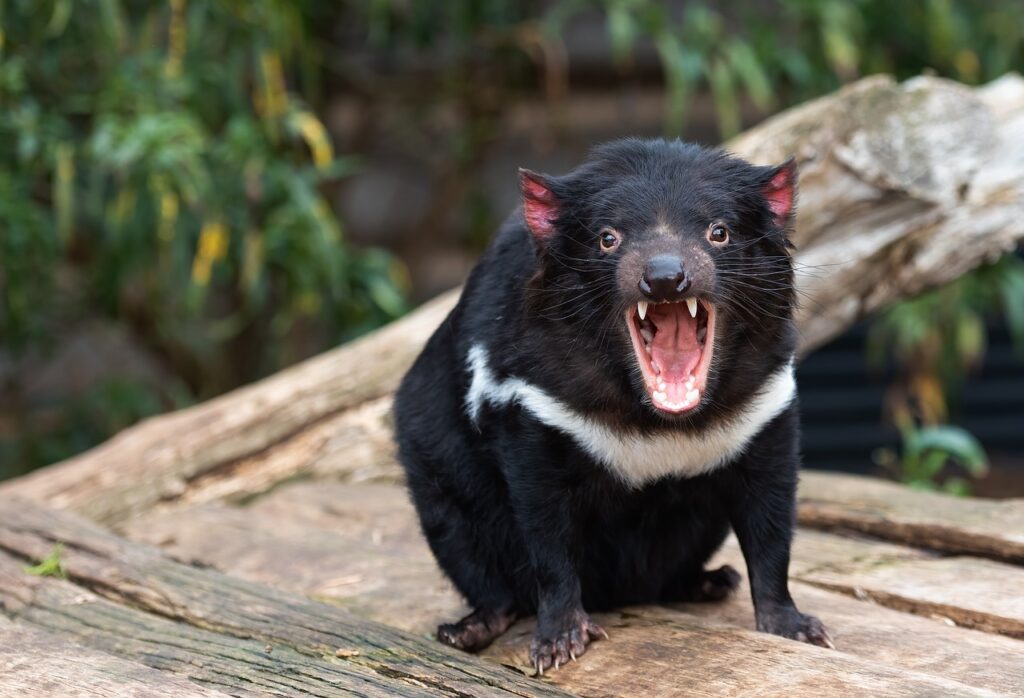
The Tasmanian devil, known for its raspy screeches and powerful jaws, leads a secretive nocturnal life. Found only on the island of Tasmania, it scavenges dead animals and hunts small prey after dark. Its jaws are strong enough to crush bone, allowing it to devour nearly every part of its meal. Solitary and shy, it retreats to dens during the day. Though often misunderstood, the devil plays a key role in keeping ecosystems clean, especially while the world sleeps.
9. Patagonian Mara
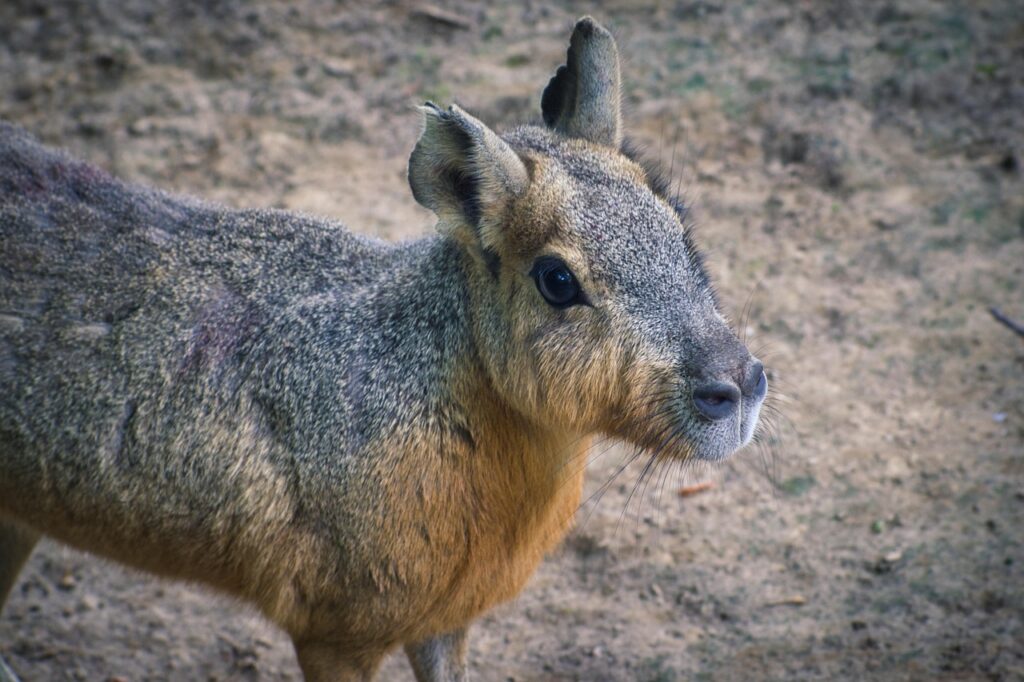
The Patagonian mara, native to Argentina’s grasslands, is an odd but fascinating rodent. With long legs and rabbit-like ears, it often moves in pairs or small groups. While mainly active at dawn and dusk, it also ventures out at night in areas where human disturbance is high. These herbivores graze quietly under moonlight, using their keen senses to stay alert. Despite their size and speed, maras keep a low profile, thriving in open spaces while remaining mostly unseen.