
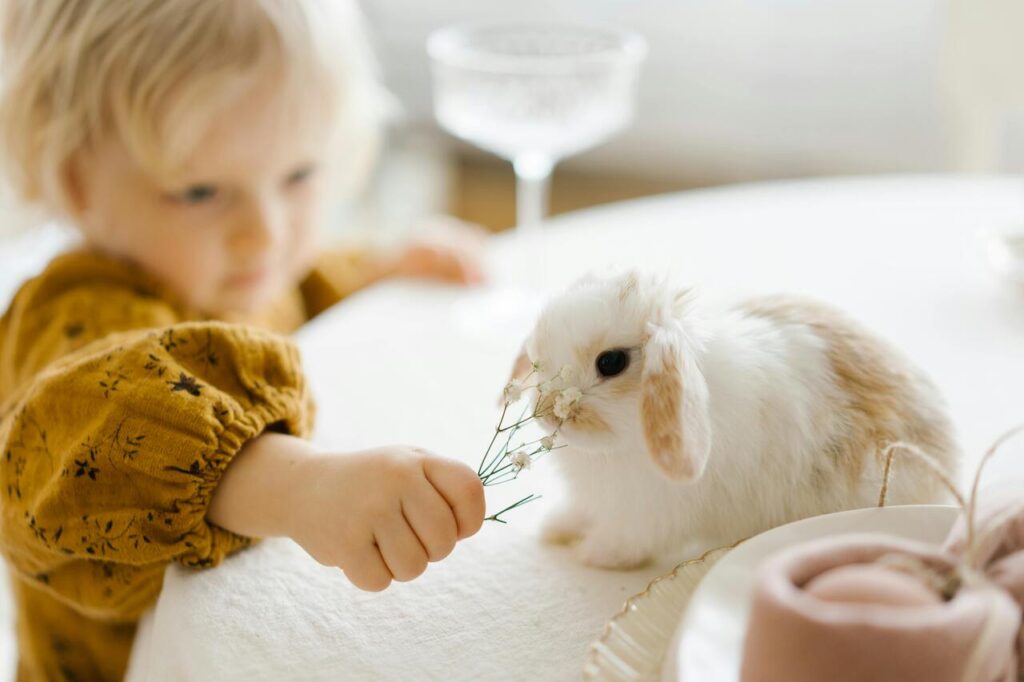
Bringing home a fluffy bundle of joy can be one of the most enriching experiences. Rabbits, with their twitchy noses and curious personalities, are becoming increasingly popular pets. However, they’re not as low-maintenance as some might assume. Suddenly, you’re not just a pet owner—you’re a caregiver, a keeper of an intricate little life. For first-timers, it’s crucial to dive into rabbit ownership with eyes wide open, ready to learn about their unique needs. Let’s hop into what you need to know before that big adoption day.
1. Rabbit Diet Basics

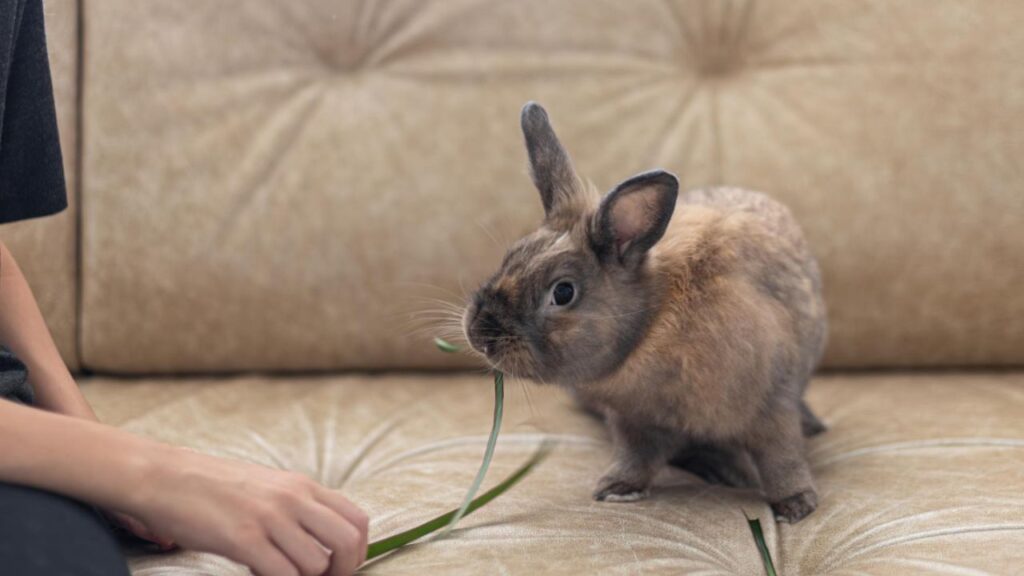
Rabbits are herbivores with a digestive system specifically designed for a high-fiber diet. The star of their nutritional show? Hay, and lots of it. Unlimited access to fresh hay like timothy or meadow grass is crucial for their gut health and dental maintenance. Fresh vegetables add essential nutrients—think leafy greens like romaine lettuce and cilantro. While pellets are part of the mix, they’re more of a supplement than a staple. Avoid offering carb-rich treats like carrots or fruits too frequently, as rabbits tend to have a sweet tooth that could lead to obesity.
2. Housing Requirements

A rabbit’s home is their castle, and it must cater to both safety and comfort. Whether it’s a large indoor hutch or a designated room, ample space allows them to move freely and feel secure. Wire flooring can harm their sensitive feet, so opt for solid bottoms with bedding like straw or hay. Remember, rabbits chew—everything. Ensure their space is free from electrical wires or anything else they might gnaw on. Keeping their dwelling clean is essential as rabbits are diligent groomers and a tidy environment helps prevent diseases.
3. Socialization Needs

Rabbits are social creatures, thriving on interaction whether with their human companions or fellow bunnies. Ignoring their need for engagement can lead to boredom and destructive behaviors like excessive chewing and digging. If you’re away often, consider adopting a pair, as this companionship can be invaluable. Be patient when handling them; rabbits can be skittish and it takes time for them to trust you. Daily interaction through play and gentle petting helps build a strong bond and keeps them mentally stimulated.
4. Common Health Issues

Understanding the unique health challenges rabbits face ensures a happier, longer life. Dental problems, including overgrown teeth, are common due to their ever-growing incisors. Regular vet check-ups can catch these early. Gastrointestinal stasis, where their digestive system slows or stops, is another serious concern. Immediate veterinary care is crucial if your rabbit stops eating or producing droppings. Additionally, watch for signs of flystrike, particularly during warmer months, and maintain hygiene to prevent this and other issues.
5. Grooming Essentials

Rabbits are known for their adorable, fuzzy coats, but those luxurious locks require regular grooming to stay healthy. Brushing your rabbit at least once a week helps to prevent matting and reduces the risk of hairballs, which can be harmful if ingested. Long-haired breeds, like the Angora, demand even more attention and may need daily grooming. Their nails also require regular trimming to avoid painful overgrowth. Remember, grooming isn’t just about aesthetics; it’s an opportunity to bond and check for any signs of skin issues or parasites.
6. Safety and Hazards
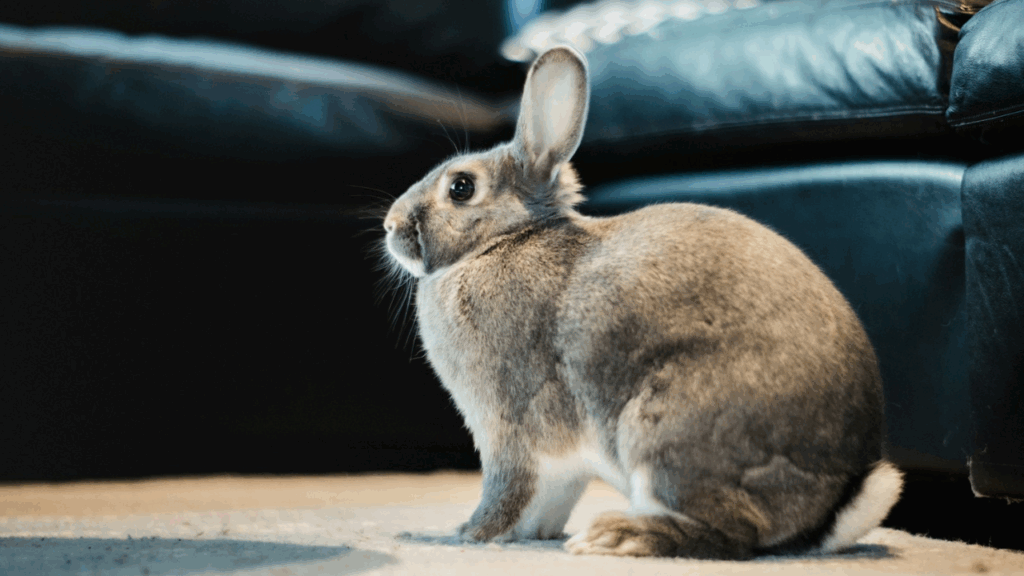
Rabbits possess a natural curiosity, making them prone to nibbling on anything they encounter. It’s essential to rabbit-proof your home by hiding electrical cords, securing toxic plants, and blocking access to small spaces they might crawl into. Ensure their living area is free of potential hazards, and provide chew toys to satisfy their urge to gnaw. Outdoors, keep them safe from predators and extreme weather. A supervised, enclosed play area allows them to explore safely, satisfying their instinctual need to dig and forage.
7. Veterinary Care
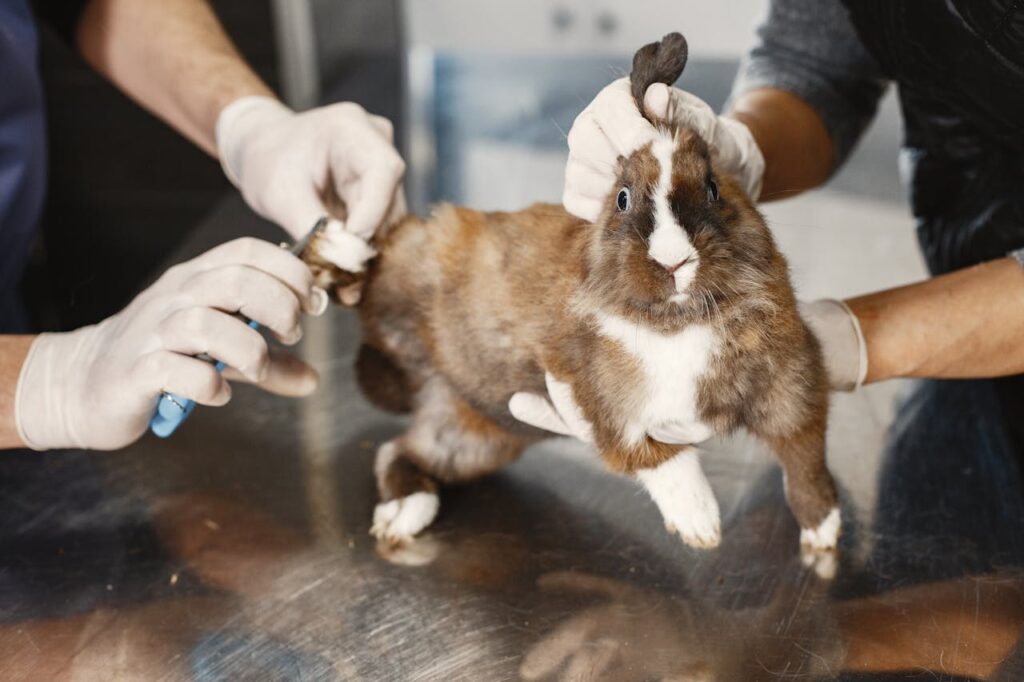
Regular veterinary check-ups are vital for your rabbit’s well-being. Unlike some pets, rabbits require specialized vets who understand their unique needs. Routine examinations can help catch health issues early, such as dental problems or gastrointestinal stasis. Vaccinations are crucial in certain regions to protect against diseases like myxomatosis and rabbit haemorrhagic disease. Be attentive to changes in behavior or appetite, as rabbits tend to hide illness. A diet rich in hay, fresh vegetables, and quality pellets supports their health and contributes to a longer, happier life.
8. Global Ecological Concerns
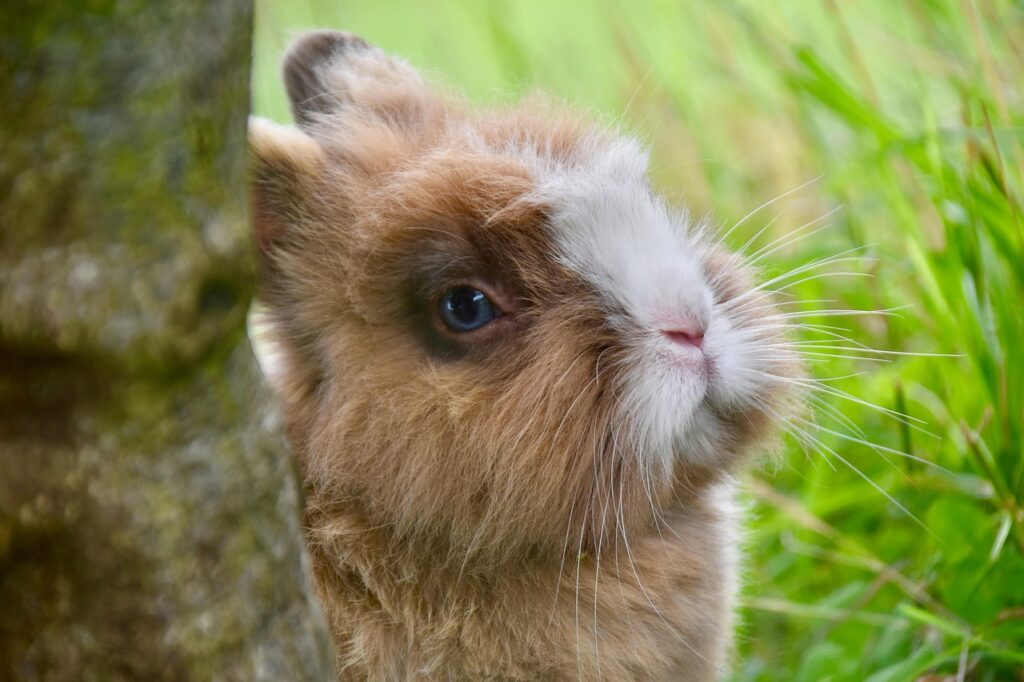
Rabbits, though adorable as pets, can become an ecological threat in the wild if introduced to non-native environments. For instance, feral rabbits have wreaked havoc in Australia, contributing to environmental degradation and loss of native flora. Responsible pet ownership includes preventing accidental releases into the wild and ensuring they are contained within secure enclosures. Awareness of these ecological concerns reminds us that while rabbits bring joy as companions, they have a significant impact on ecosystems when not properly managed.
9. Impact of Extinction Crisis
Imagine a world where iconic creatures fade into oblivion. The extinction crisis is more than just a statistic; it’s a profound loss for our planet. This phenomenon impacts biodiversity, food chains, and ecosystems, unraveling intricate webs of life. As species disappear, unique genes vanish, reducing our ability to adapt to global changes. Rabbits, often overlooked, play critical roles in their habitats, and their decline can spell disaster for entire ecosystems. Protecting them is essential not just for their survival, but for the health of our world.