
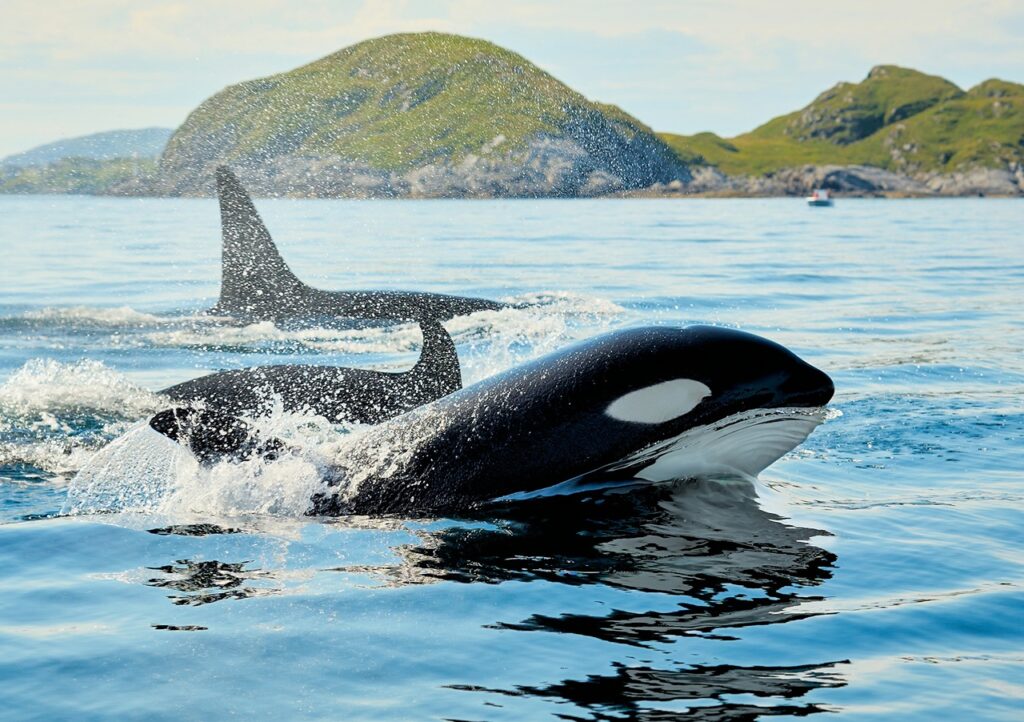
Gliding through the cool marine waters of the Pacific Northwest, orcas, often called killer whales, captivate the imaginations of those who glimpse them. Many admire these apex predators for their grace and power, yet there’s so much more complexity lurking beneath the surface. Delving into the lives of orcas, particularly those populating U.S. waters, reveals a rich tapestry of social dynamics, cultural traits, and unique behaviors that most people are just beginning to understand.
1. Understanding Orcas in U.S. Waters
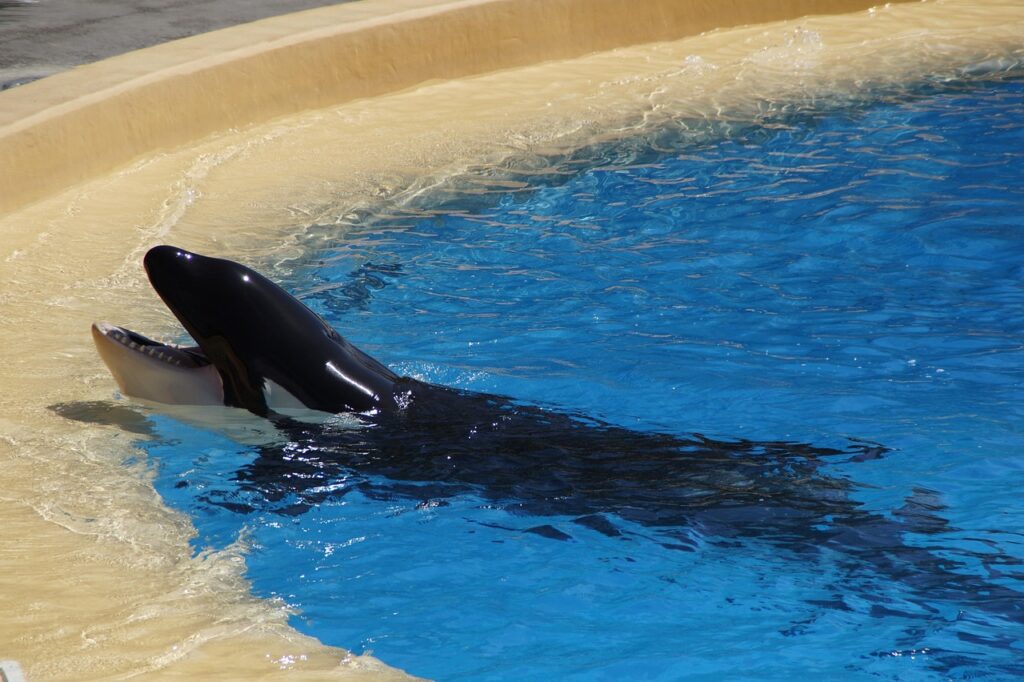
Orcas residing in U.S. waters, especially around the Washington coastline, are incredibly graceful and adept hunters. Contrary to the menacing “killer” moniker, these marine mammals display a delicate balance with their ecosystem. Each pod, a family group, plays a crucial role in regulating marine life, sustaining the diverse aquatic web. As climate change influences sea temperatures and fish populations, their survival tactics provide insight into the broader health of oceanic systems.
2. Orcas Are Highly Social Creatures
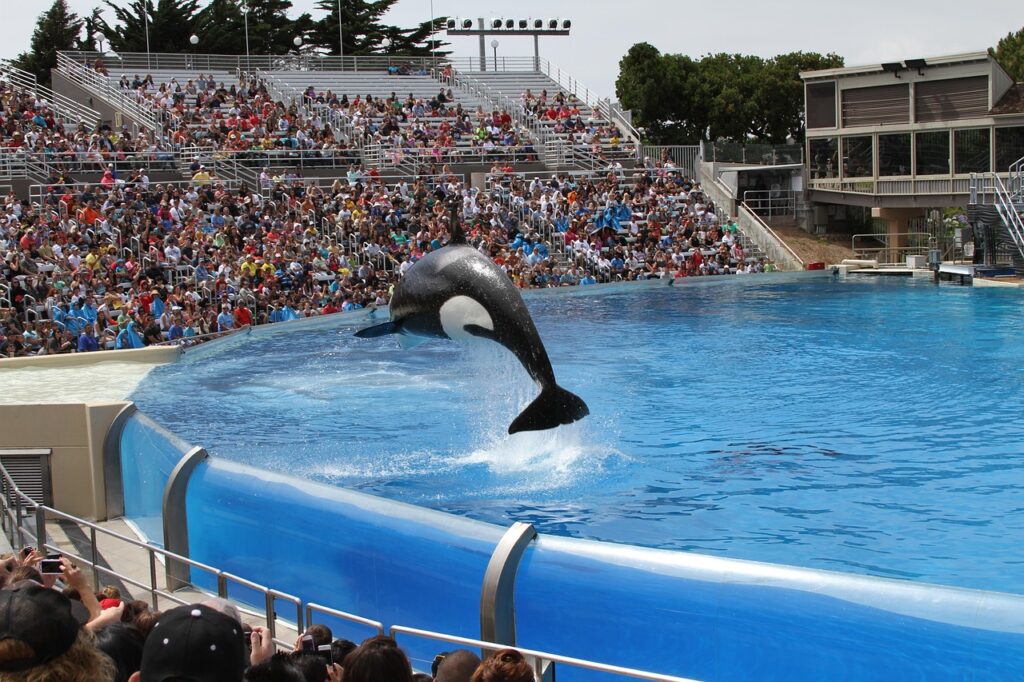
Orcas possess a fascinating social structure centered around tight-knit family units called pods. Within these pods, individuals show clear hierarchies and roles, indicating advanced social intelligence. Mothers lead the groups, often living with their descendants for several decades. These connections foster strong bonds, with young calves learning essential survival skills from elder family members. It’s their ability to communicate and cooperate that ensures their resilience in the ever-changing aquatic environment.
3. Not All Orcas Are the Same
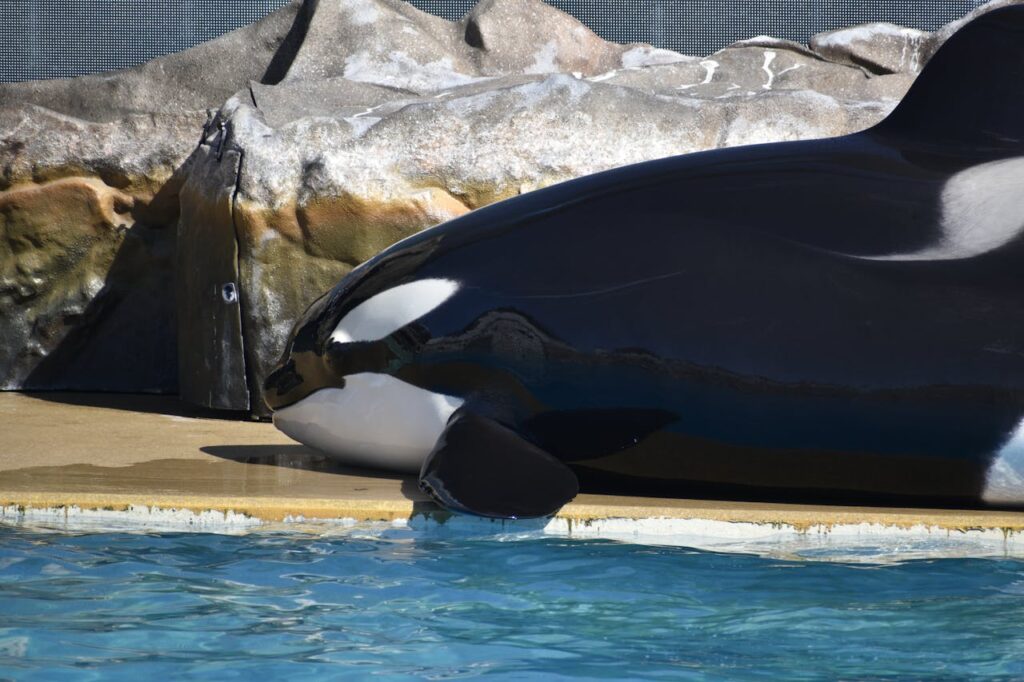
In the vast expanse of U.S. waters, you’ll find two distinct types of orcas: residents and transients. Resident orcas primarily feast on fish, while transients prefer marine mammals. This dietary difference shapes their behaviors, social structures, and even vocalizations. Transients are typically more elusive and quieter to avoid detection by prey, reflecting the adaptability and specialized niches orcas fill within the marine ecosystem. The diversity within these cetaceans exemplifies nature’s ability to adapt and evolve.
4. Orcas Have Dialects
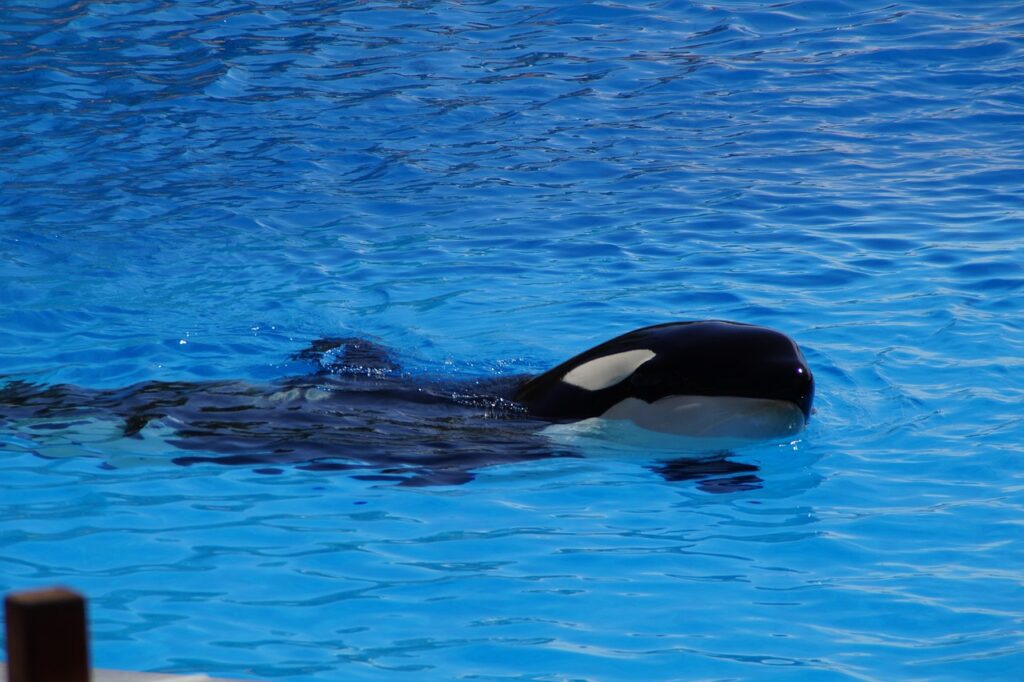
Interestingly, orcas in different pods and geographic regions develop unique dialects, much like humans with diverse languages. These vocalizations, consisting of clicks and whistles, act as a social glue, helping individuals identify and connect with their pod. According to researchers, these dialects can differ significantly between groups just miles apart, creating a fascinating tapestry of orca “cultures” [source](https://doi.org/10.2307/3541738). This phenomenon highlights their intelligence and ability to form complex social bonds in their oceanic realm.
5. The Impact of U.S. Pollution
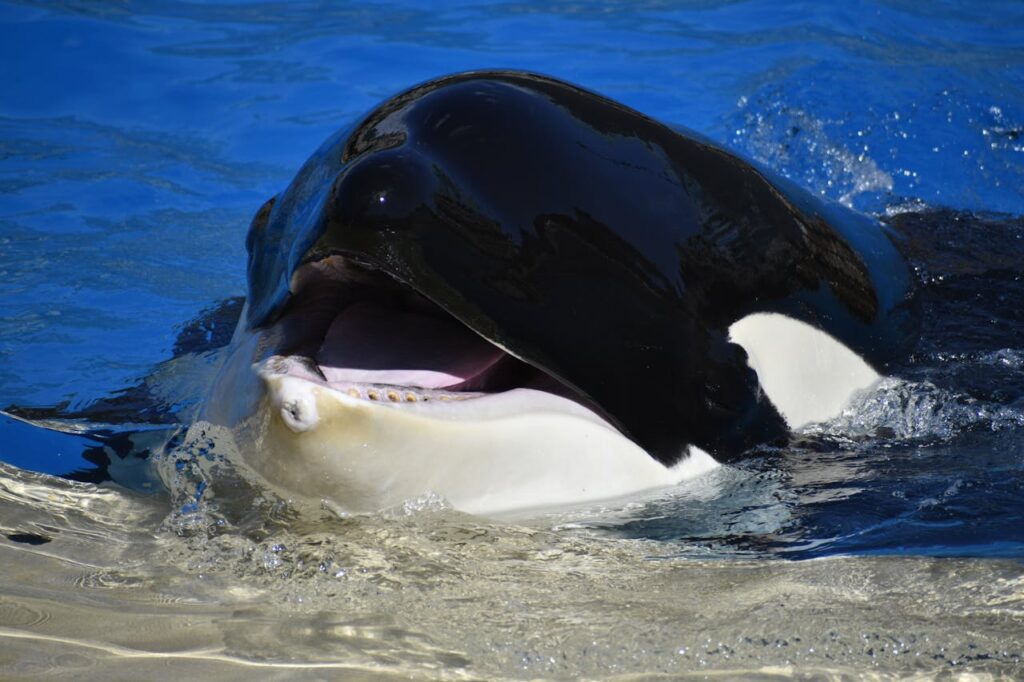
Many might not realize how pollution significantly affects orcas in U.S. waters. Industrial waste and runoff lead to chemical contaminants like PCBs accumulating in the orcas’ blubber. These toxins can severely impact their immune and reproductive systems. Since orcas sit at the top of the marine food chain, they are particularly vulnerable as these pollutants magnify up the chain. Efforts to curb such pollution are crucial for the health of these majestic creatures.
6. Orcas and Their Prey Preferences
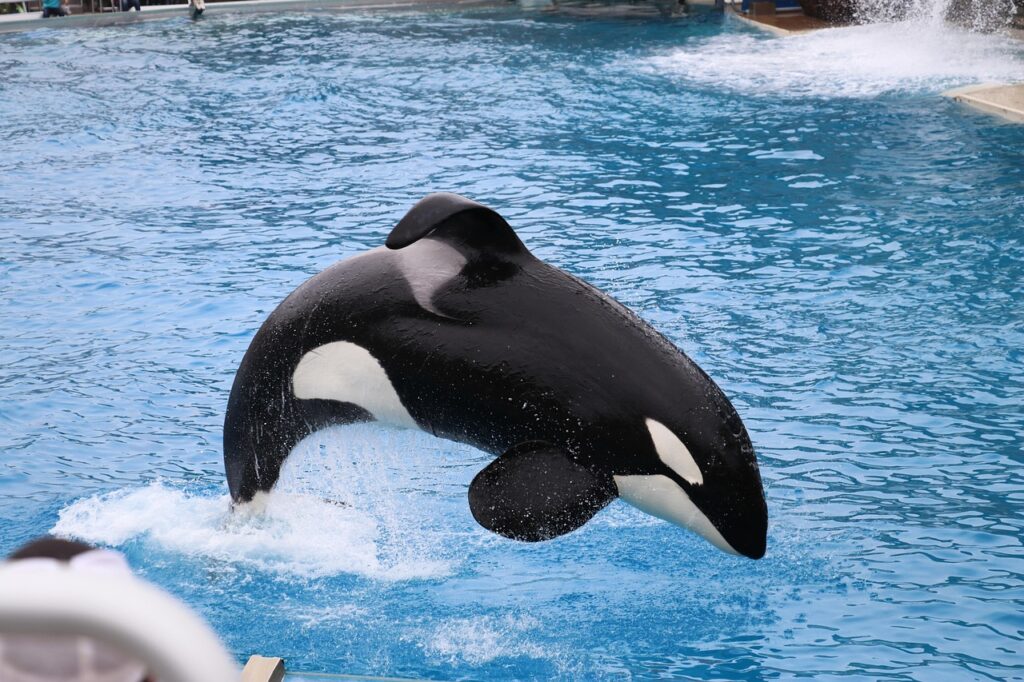
Orcas are not indiscriminate eaters; they have distinct prey preferences depending on their pod and geographic location. In U.S. waters, some orcas specialize in hunting fish like salmon, while others focus on marine mammals such as seals. This dietary specialization is not just about taste—it’s an intricate part of their culture, taught and passed down through generations. This dietary focus also impacts their survival as they are directly affected by the availability of their preferred prey.
7. Orcas Show Complex Hunting Techniques
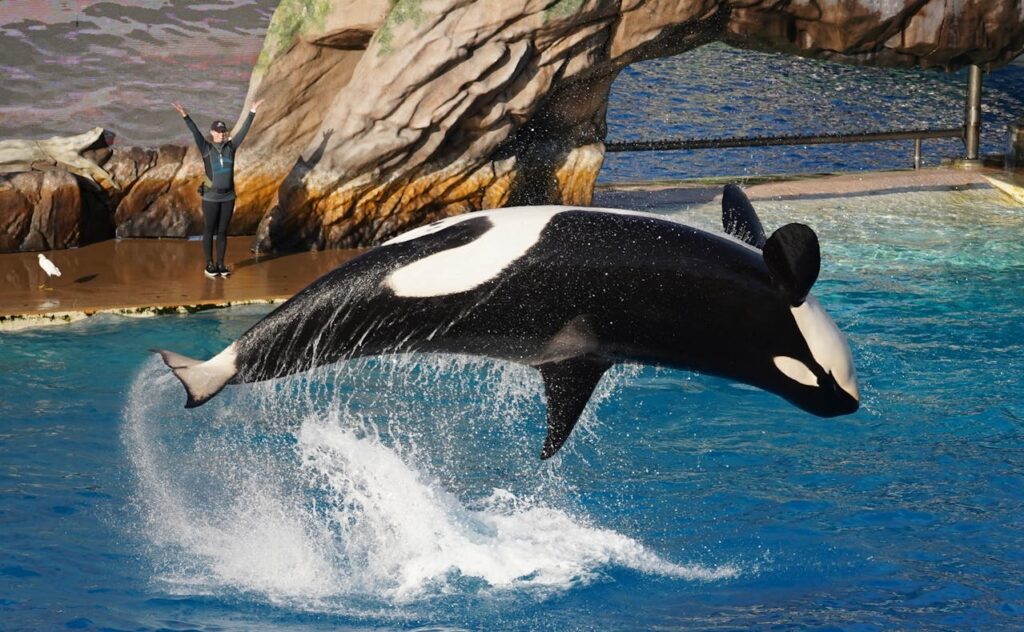
Known for their intelligence, orcas employ some of the most sophisticated hunting techniques in the animal kingdom. In U.S. waters, these techniques range from beaching themselves to snatch seals to coordinated movements to create waves that wash prey off ice floes. Such tactics require not only individual skill but incredible coordination, communication, and understanding among pod members, highlighting their complex social structures and cognitive abilities.
8. The Threat of Noise Pollution
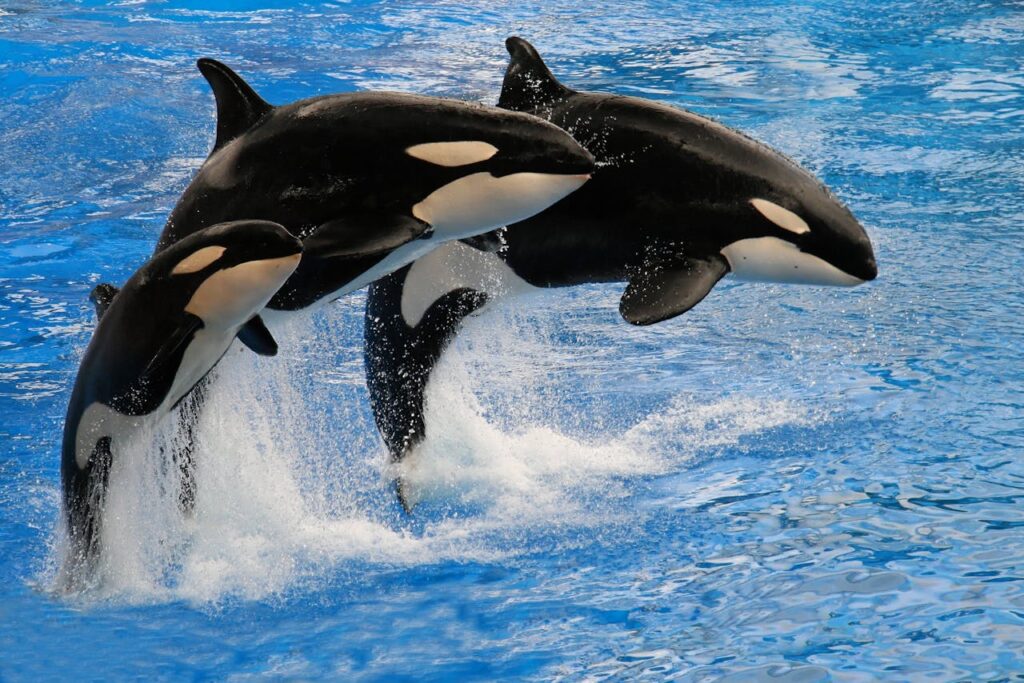
Noise pollution is an increasingly concerning threat to orcas. Ships, sonar, and other human-made noises in U.S. waters disrupt their communication, hunting, and navigation. Orcas rely heavily on echolocation for these activities, and excessive noise can interfere with these vital processes. Research suggests that chronic noise exposure could contribute to stress and disorientation, further endangering already vulnerable populations.
9. Orca Conservation Efforts
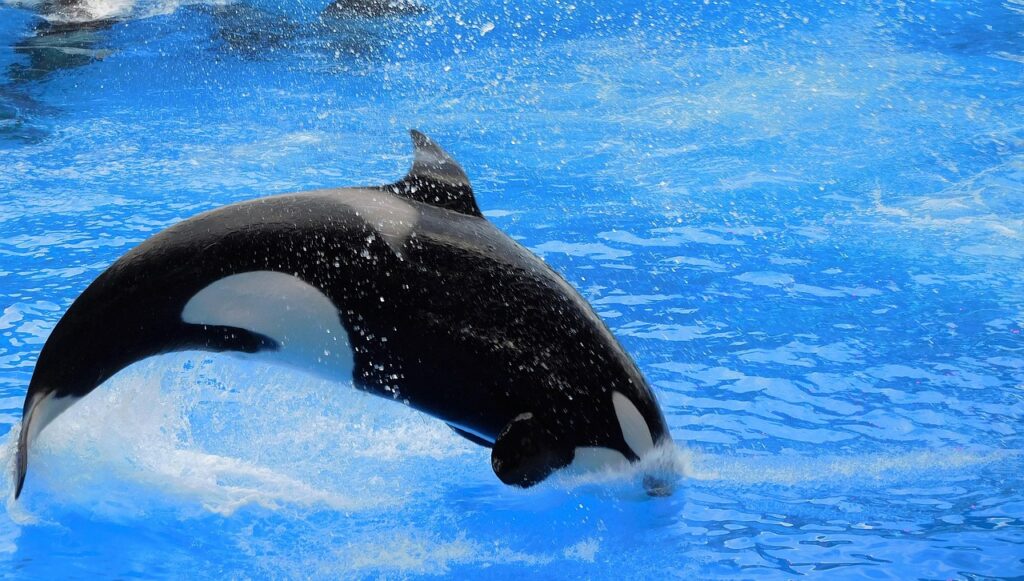
There are ongoing efforts to protect and conserve orca populations in U.S. waters. Conservation measures focus on reducing pollution, regulating fishing to ensure prey availability, and establishing quieter maritime practices to minimize noise pollution. Organizations and researchers are working tirelessly to implement protective legislation and raise awareness. Public support and involvement play critical roles in safeguarding the future of these iconic marine mammals.