
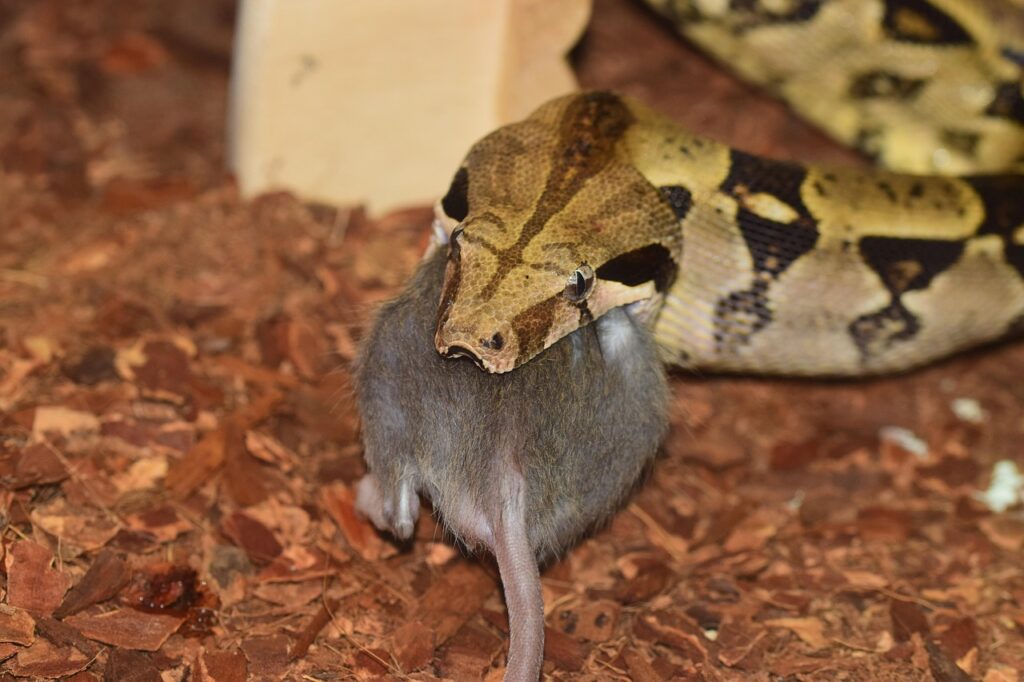
Snakes might be lurking in your backyard without you realizing it—and if you have a curious dog or cat, that’s a risk you don’t want to take. While many snakes are harmless, some can be dangerous, especially if startled. The good news? You can reduce the chances of attracting them by identifying what’s drawing them in. From water features to overgrown grass and pet food left outside, here are nine surprising things that could be inviting snakes into your yard—and how to keep them away.
1. The Water Features In Your Yard
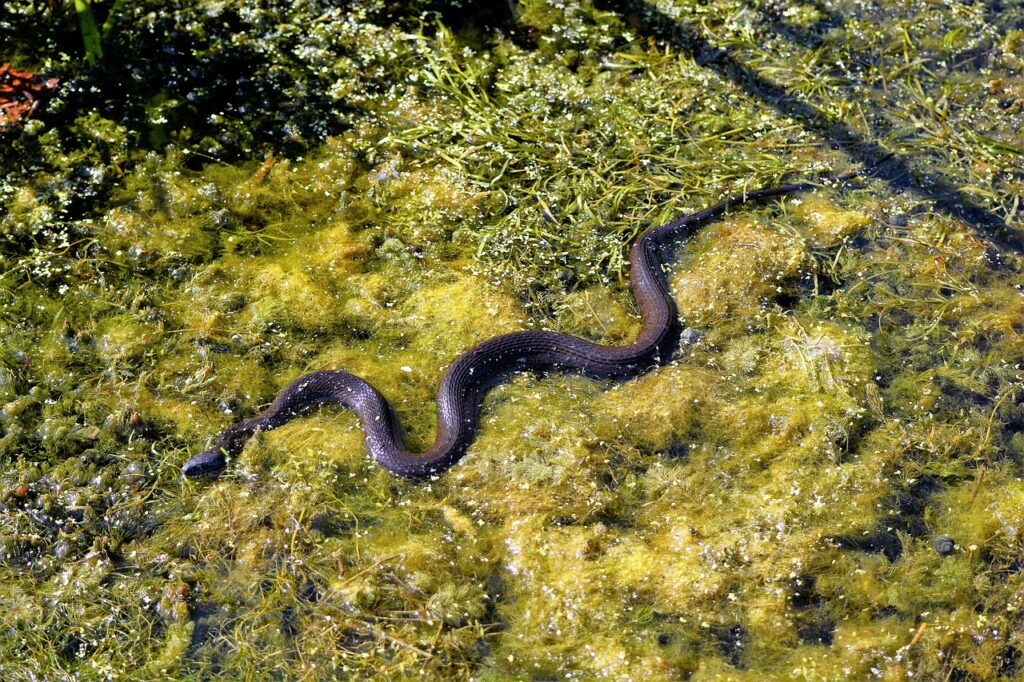
Snakes, like all living creatures, need water to survive, but the presence of water on your property attracts them for a different reason. Snakes are often drawn to areas where they can find food sources, and water features like ponds, streams, and pools create a perfect environment for rodents. These small animals are drawn to the water to hydrate, and where there’s food, snakes won’t be far behind. For example, species like rat snakes, milk snakes, and garter snakes thrive in such environments as they primarily feed on rodents.
2. The Presence Of Small Animals
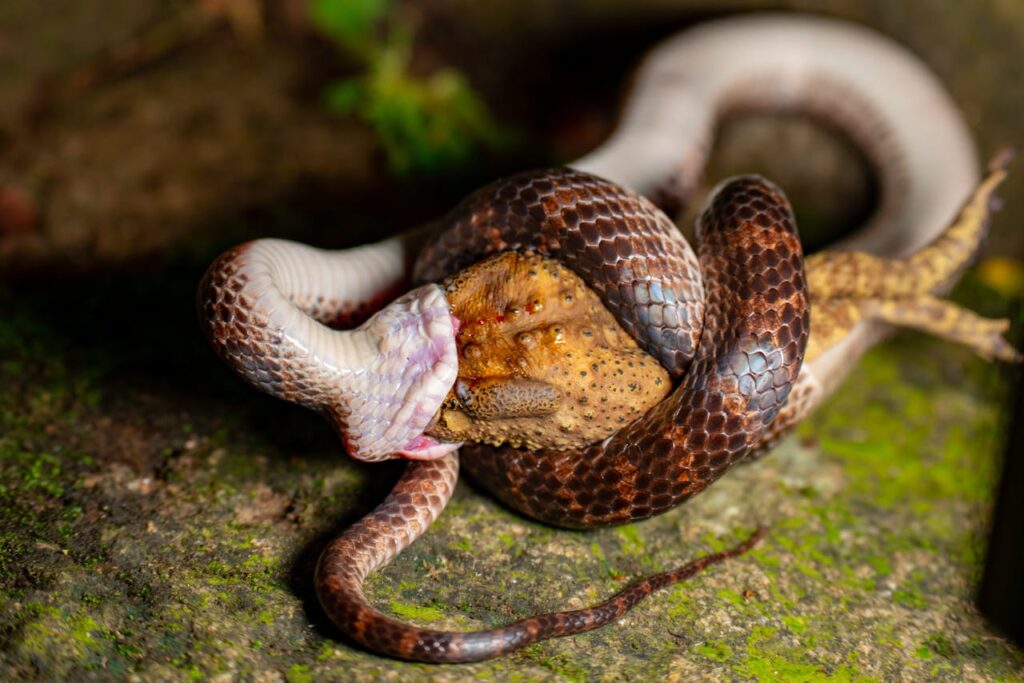
Having a garden is great for your health and enjoyment, but it also becomes a paradise for rodents and small creatures. These critters often munch on fruits and vegetables, which may seem harmless but also serve as an invitation to snakes. Many snake species, like corn snakes, are attracted to areas with a high rodent population because it means food is plentiful. Rodents typically thrive in gardens, where they can nibble away at produce, and this naturally draws snakes, who rely on these animals as a primary food source.
3. Overgrown Vegetation And Garden Clutter

A well-maintained garden is not only visually pleasing but also a deterrent for snakes. Snakes tend to seek out tall grass, piles of leaves, or stacks of firewood as these offer them a safe haven to hide from predators. When your yard becomes overgrown, these areas provide snakes with both shelter and an opportunity to ambush rodents that seek refuge in the same spots. Regularly trimming your lawn, clearing away leaf piles, and removing firewood stacks can help reduce hiding places for snakes and the rodents they follow.
4. Sun-Drenched Spots In Your Yard
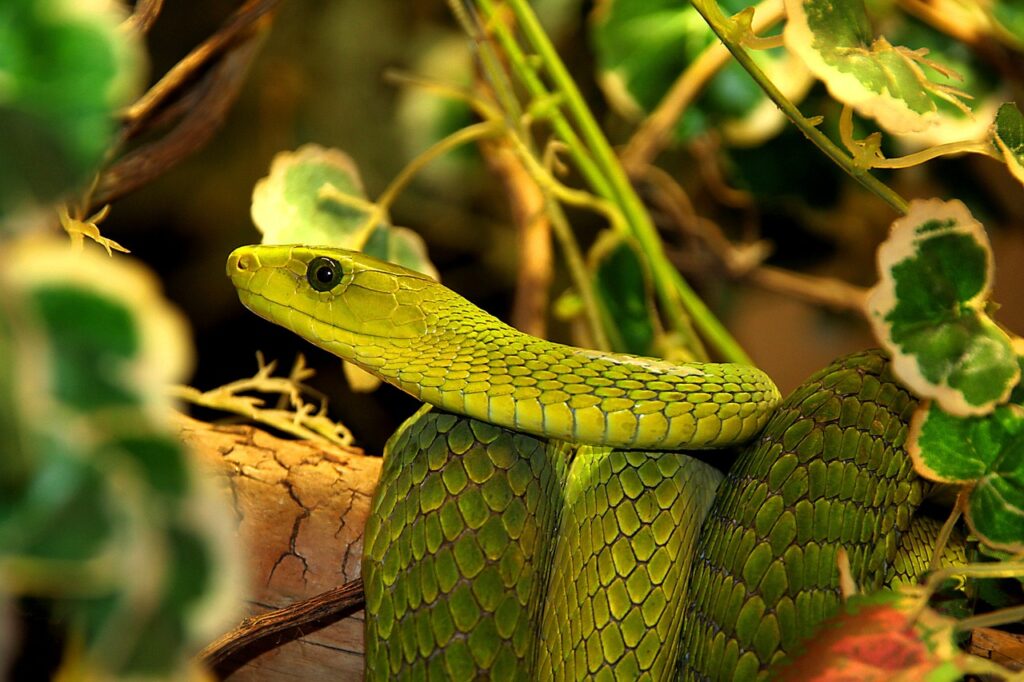
Unlike mammals, snakes are cold-blooded creatures, which means they rely on external heat sources to regulate their body temperature. This is why you may find them basking in the sun during warmer parts of the day. Sun-drenched areas in your yard, such as driveways, stone paths, or walls, act as natural sunbathing spots for snakes. These spaces radiate heat and provide the warmth snakes need to function properly. While it’s not always possible to eliminate sunny areas, consider keeping them clear of debris or providing an alternative space for your pets to enjoy outside.
5. A Rodent-Friendly Yard Attracts Snakes
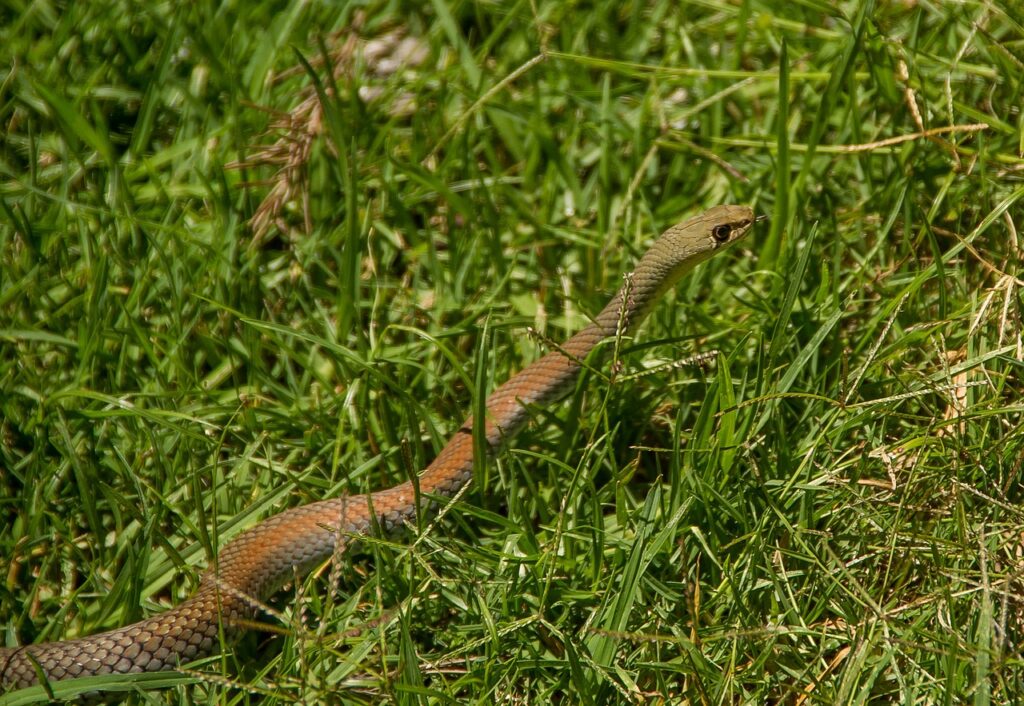
The scent of rodents is one of the primary factors that draw snakes into your backyard. Snakes rely heavily on their sense of smell to track down food, and they have an incredible ability to detect rodents. If you have a significant rodent population in your yard, it’s very likely snakes will follow the scent trail and move in to help control the rodent numbers. While this may seem like nature taking its course, it’s not ideal for pet owners. Small rodents can also cause significant damage to your garden and home, and their presence in your yard is often enough to invite snakes.
6. Pet Food Left Outside

We all love making life easier for our pets by placing their food outside, but doing so can unintentionally attract rodents—and, by extension, snakes. Rodents will scurry into pet food containers to snack on what’s left out, and the scent of these rodents will inevitably bring snakes. While your pets may enjoy their meals, it’s essential to make sure food is stored securely and brought indoors after feeding. Alternatively, use rodent-proof containers to store pet food in elevated spots. Ensuring that your pet’s food isn’t accessible to small animals will help keep snakes away from your yard.
7. Excessive Insect Populations

Insects are another food source for certain types of snakes. While they may not attract larger snake species, smaller snakes, such as ring snakes or blind snakes, feed on insects like ants, termites, and worms. If your yard is home to a significant insect population, it could very well be inviting smaller snakes to hunt. These snakes often hide in places like wood piles, compost heaps, or overgrown vegetation where insects thrive. To reduce the presence of these small snakes, it’s important to maintain your yard, eliminate excess insect breeding grounds, and keep these areas tidy and dry.
8. Bird Nests And Feeders
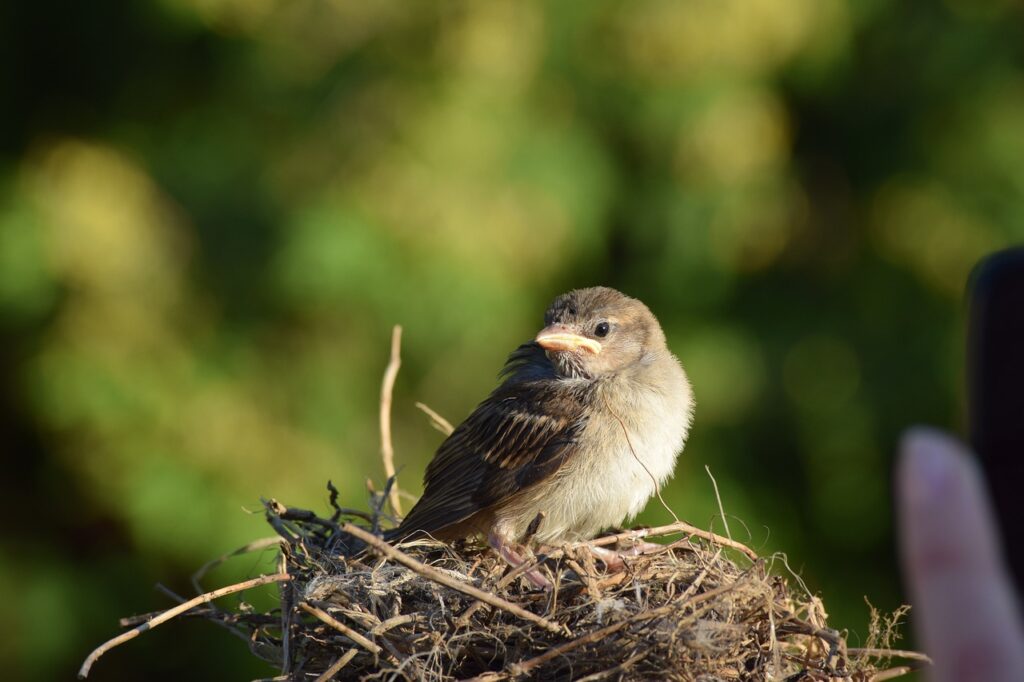
If you’re an avid birdwatcher or enjoy feeding birds in your yard, you might unknowingly be attracting snakes as well. While birds themselves are not typically a snake’s primary prey, bird eggs are a different story. Snakes, especially species like rat snakes, are known to target bird nests when they’re left unguarded. If you have bird feeders or nesting areas on your property, snakes might be drawn to the scent of eggs or chicks. To prevent this, consider using snake-proof barriers around bird nesting areas and keep a close eye on the surroundings.
9. Lack Of Proper Yard Maintenance
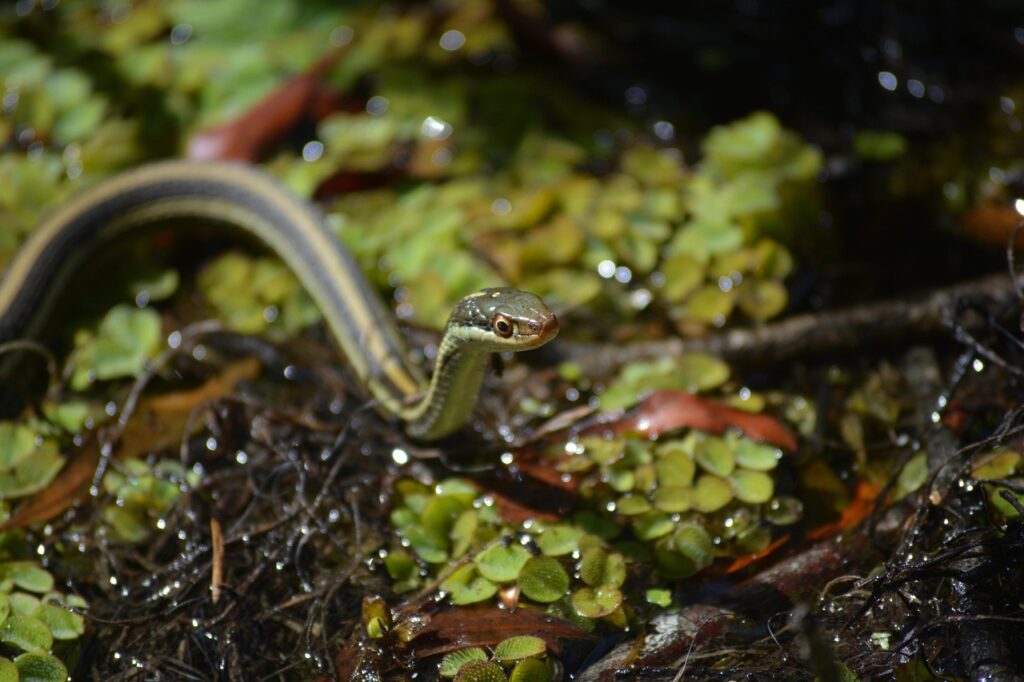
The simplest way to keep snakes out of your yard is by maintaining it regularly. When your yard is cluttered with debris, tall grass, or hidden crevices, it offers plenty of places for snakes to hide, hunt, and set up shelter. Areas like under porches, crawl spaces, and behind garages provide a safe haven for both snakes and the rodents they feed on. Regular yard maintenance, such as mowing the lawn, clearing away piles of leaves, and fixing any gaps in your home’s foundation, is an effective way to discourage snakes from making a home on your property.
Love Pets as Much as We Do?

Scroll up and click the ‘Follow’ button to stay updated with the latest heartwarming, hilarious, and helpful pet posts from Pawdown, delivered straight to your Microsoft Start feed and MSN homepage!