

The image of a snake rising and swaying to the sound of a flute is iconic—often seen in movies, folklore, and street performances across parts of the world. For centuries, the idea that music can charm a snake has captivated imaginations, suggesting a mystical bond between melody and serpent. But is there any truth to this age-old spectacle? Can snakes actually hear music, or is something else at play? Let’s unravel the mystery and explore the science behind this ancient illusion.
1. The Origins of Snake Charming

Snake charming is an age-old practice that hails from the mystical lands of South Asia, particularly India. Historically, charmers were seen both as entertainers and healers. They traveled from village to village, captivating audiences with their daring performances. This practice is steeped in cultural lore, believed to date back thousands of years, intertwined with religious rituals and folklore. For many, the snake charmer is a figure of myth and mystery, blending artistry and ancient tradition into a mesmerizing spectacle.
2. The Role of Music in Snake Charming

Music is central to the snake charming act, often featuring a unique flute-like instrument called a pungi or been. Audiences are led to believe that the entrancing melodies have a hypnotic effect on the snake, making it sway in rhythm. This belief, though enchanting, is more myth than reality. The connection between snakes and music is more a human perception rather than the snake’s response to auditory cues, highlighting our own fascination with the stunning spectacle of music and movement.
3. Snake Charmers’ Techniques Unveiled
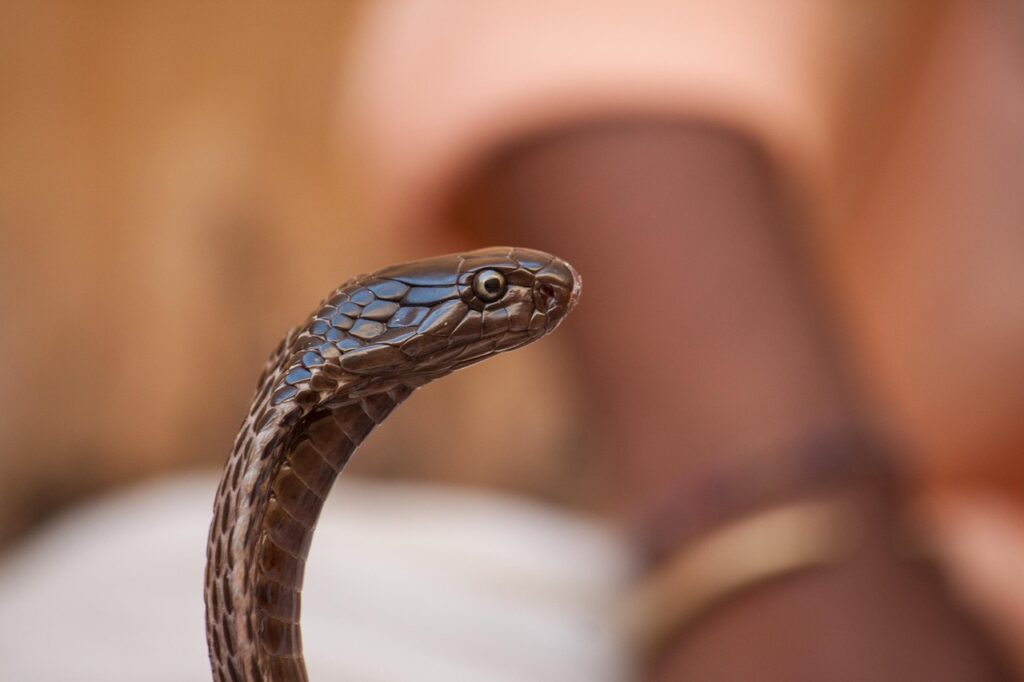
To truly understand the snake charming ruse, one must look beyond the music to the charmers’ artful techniques. Snake charmers often rely on their intimate knowledge of snake behavior. By using precise hand gestures and movements, they guide the snake’s attention. The snakes, typically cobras, are known for their intimidating hooded display, which enhances the dramatic effect. Charmers capitalize on the reptile’s natural instincts, creating an illusion that captivates the human eye.
4. Do Snakes Respond to Sound?

Despite the common belief, snakes do not actually respond to sound in the way humans do. According to science, snakes lack external ears and perceive vibrations through the ground rather than through airborne sounds. Their movements during these performances are reactions to the charmer’s vibrations and subtle body cues. Studies show that sound waves play a minimal role, if any, in a snake’s reaction, debunking the myth that music alone holds sway over these enigmatic creatures.
5. Visual Cues and Snake Behavior

Snakes are more visually attuned than many might think. The swaying movement in snake charming is largely a response to the charmer’s gestures and proximity. Cobras, with their heightened vision, react to the perceived threat of the moving pungi and the repetitive motion of the charmer. This behavior is a defensive posture rather than a dance of entrancement. Their movement is an instinctual response to keep the potential threat in sight, creating an iconic dance rooted more in survival instincts than in musical allure.
6. The Science Behind the Illusion
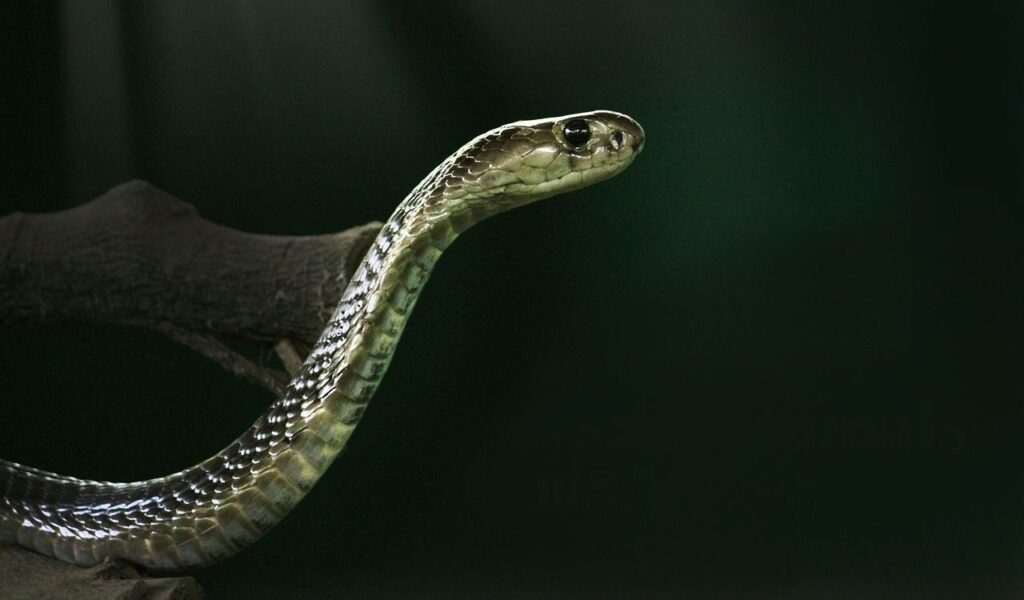
The notion that music can charm a snake is an enduring myth, but it’s not the melody that draws them in. Snakes, lacking external ears, do not respond to the music itself but rather to the visual and physical cues of the charmer. The vibrations from the ground may also play a part, as snakes can sense them through their bodies. Research indicates that snakes are more focused on the movement of the flute—as it sways, they instinctively follow its motion. Instead of adoring the tune, they’re actually on high alert, interpreting the charmer as a potential predator.
7. Modern Perspectives on Snake Charming

Today, snake charming is viewed as both a cultural artifact and a concern for animal welfare. Conservationists highlight that the practice often involves the mistreatment of snakes, including removal of their fangs and venom sacs. Furthermore, over-exploitation and captivity can lead to population declines in the wild, threatening biodiversity. Current initiatives advocate for sustainable practices and cultural respect while protecting wildlife. Organizations like Wildlife SOS are working to rehabilitate snakes and educate communities, emphasizing that appreciation for these creatures is best expressed through conservation.