
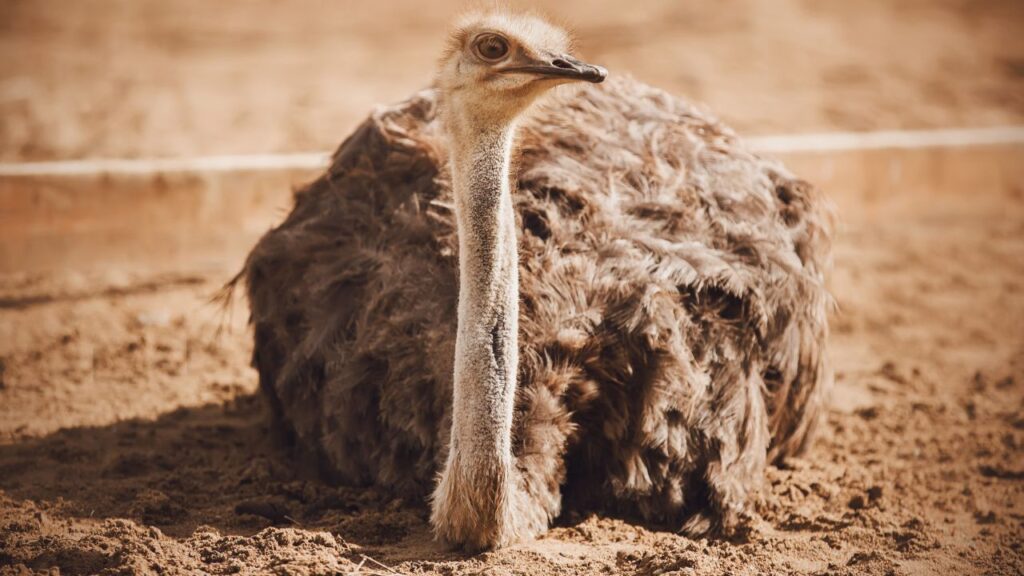
When people think of ostriches, one of the first things that often comes to mind is the bizarre notion that they bury their heads in the sand to hide from danger. It’s an image that’s been passed down for generations—funny, memorable, and completely false. Despite being widely believed, this behavior is nothing more than a persistent myth. In truth, ostriches are bold, swift, and well-adapted survivors of the African plains. So how did such a curious misconception take hold? Let’s dig into the origins, truths, and fascinating realities behind one of nature’s most misunderstood birds.
The Myth of the Head-Burying Ostrich
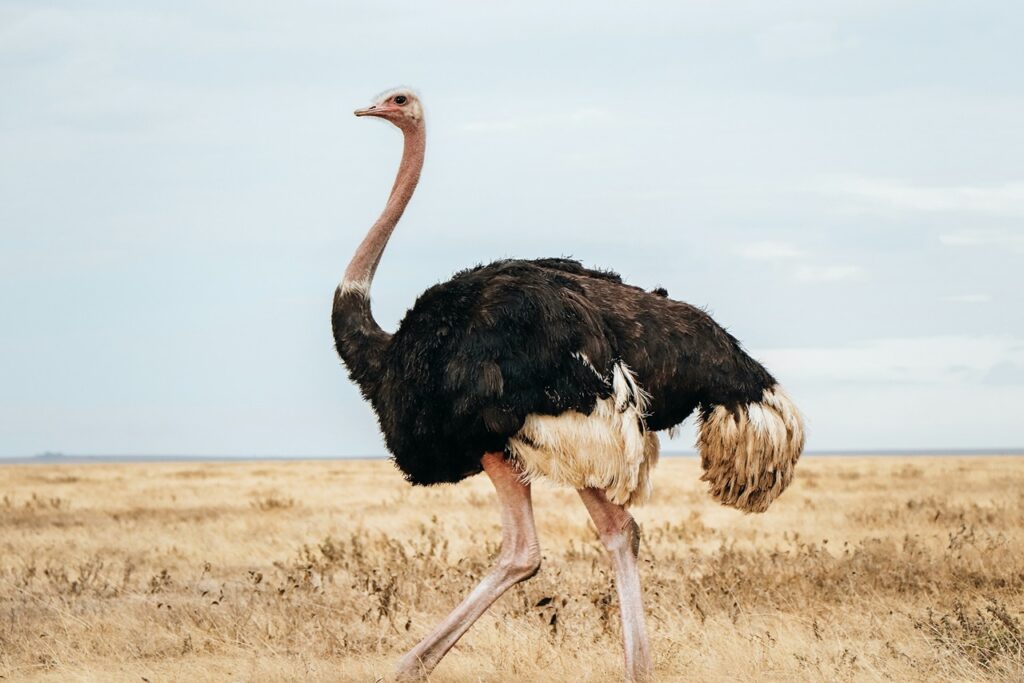
Ostriches are often humorously imagined with their heads in the sand, avoiding danger or the world around them. This image has undoubtedly cemented itself in pop culture, yet it’s far from reality. Ostriches, the world’s largest birds, have far more practical survival strategies. Their formidable legs and speed are their primary defenses, and they’ve never been caught hiding their heads away from a threat. Understanding where this myth originated can give us a clearer picture of these fascinating creatures.
Why the Myth Persists
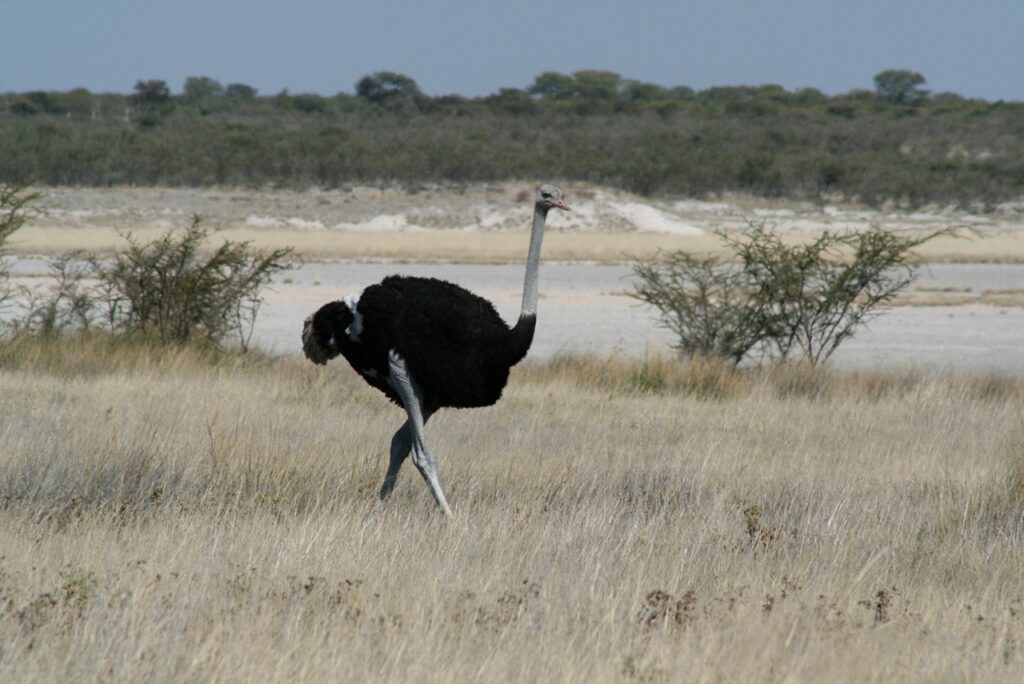
The enduring image of an ostrich burying its head seems to be a misunderstanding stemming back to Roman times. Pliny the Elder, a Roman author, mistakenly interpreted ostrich behavior, leading to this misconception. Over time, illustrations and stories reinforced the tale, making it seem truthful even as modern science debunked it. Despite its inaccuracy, the myth endures due to its catchy and relatable symbolism—representing avoidance or denial.
Ostrich Behavior 101
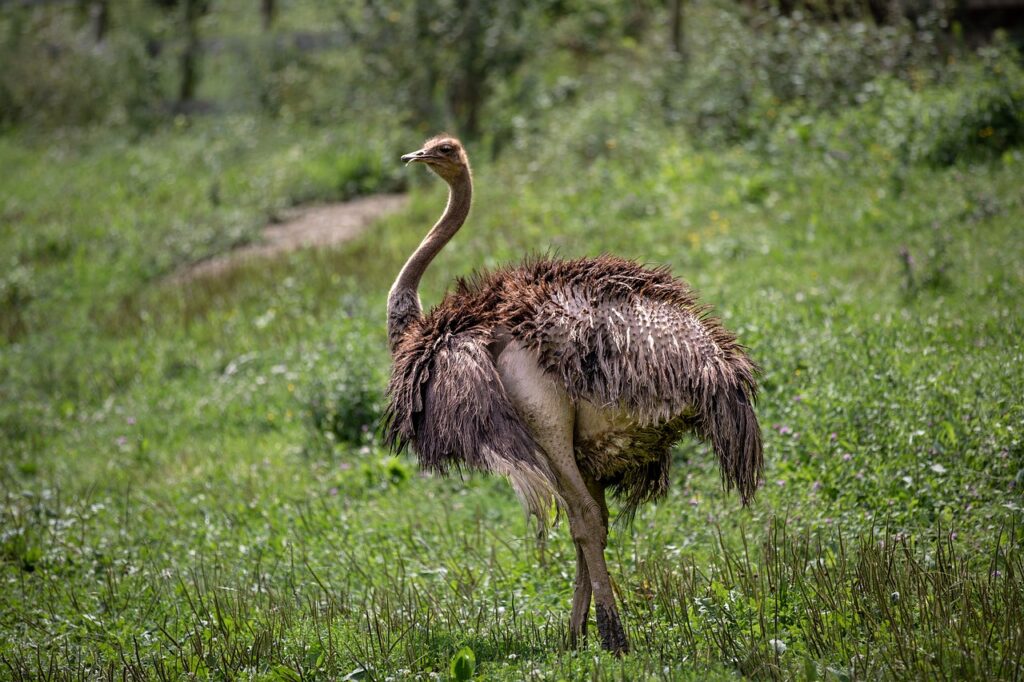
Ostriches are social, nomadic birds known for their impressive size, speed, and stride. In the wild, they form groups to help spot predators, alternating the role of lookout. Their keen eyesight and acute hearing make them alert and cautious creatures, far removed from any lounging or head-burying habits. Their behaviors are geared towards survival, relying on interaction with their environment rather than hiding from it. This active engagement keeps them safe in their expansive savannah habitats.
How Ostriches Really Protect Themselves

When threatened, ostriches don’t hide—they run, reaching speeds over 40 miles per hour. Their long, strong legs not only favor speed but also pack a powerful kick, capable of deterring even formidable predators like lions. Ostriches are strategic, choosing to flee or fight based on the situation, using their environment to their advantage. Their defensive skills are a testament to their evolutionary success, ensuring their prominence across vast African landscapes.
The Role of Adaptations
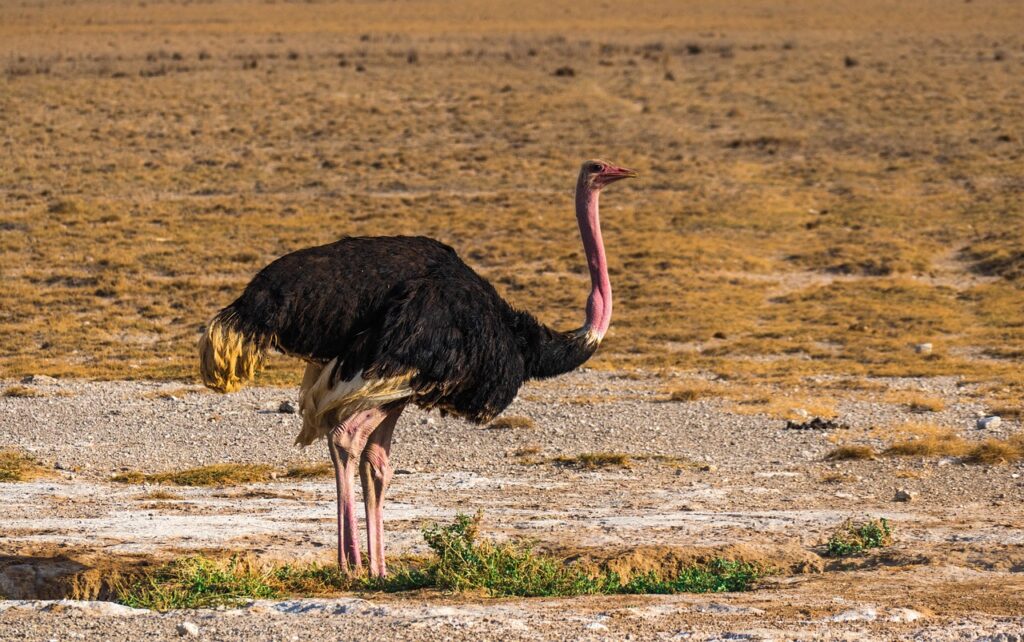
Evolution has equipped ostriches with unique adaptations for survival. Besides their speed and strength, their feathers provide camouflage, blending seamlessly into sandy savannahs. They can go without water for days, extracting moisture from the plants they consume. These adaptations are pivotal, emphasizing not hiding, but thriving within their ecosystem. By understanding these traits, we appreciate how ostriches are uniquely sculpted by nature to endure, exploding one of nature’s most enduring myths.
The Truth Behind Ostrich Nests

Ostriches are fascinating creatures, often misunderstood due to myths that don’t reflect their real behaviors. Contrary to popular belief, these birds don’t actually bury their heads in the sand out of fear or confusion. In reality, ostriches have a unique way of tending to their nests. They dig shallow pits in the ground to lay their eggs, which they then carefully tend to by reaching their heads into the sand to turn and check on the eggs. From a distance, this can appear as if they’re burying their heads, fueling the myth that has followed them for centuries.
What Ostriches Actually Do
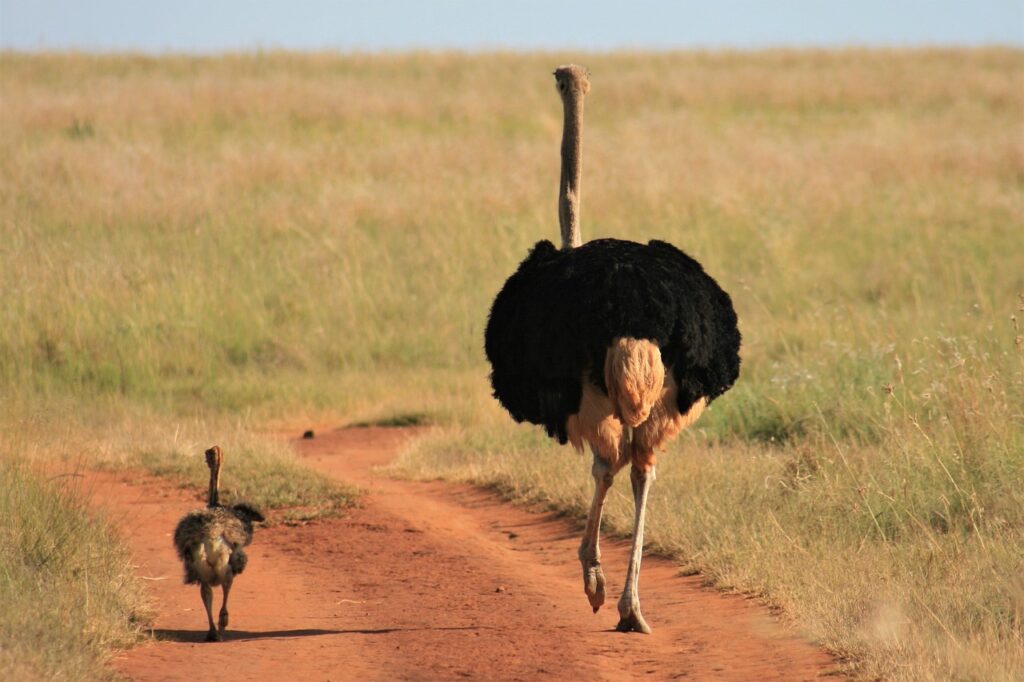
As the largest and heaviest birds, ostriches have some extraordinary defensive tactics that don’t involve hiding their heads. When threatened, they rely on their powerful legs, capable of delivering a kick strong enough to deter predators. Not only that, but their incredible speed—reaching up to 45 miles per hour—allows them to outrun many threats. Instead of hiding, ostriches utilize these impressive abilities, showcasing nature’s adaptability and resilience in a world filled with potential dangers. Their keen eyesight and ability to scan the horizon add to their robust survival toolkit.
Unraveling the Sand Myth Further
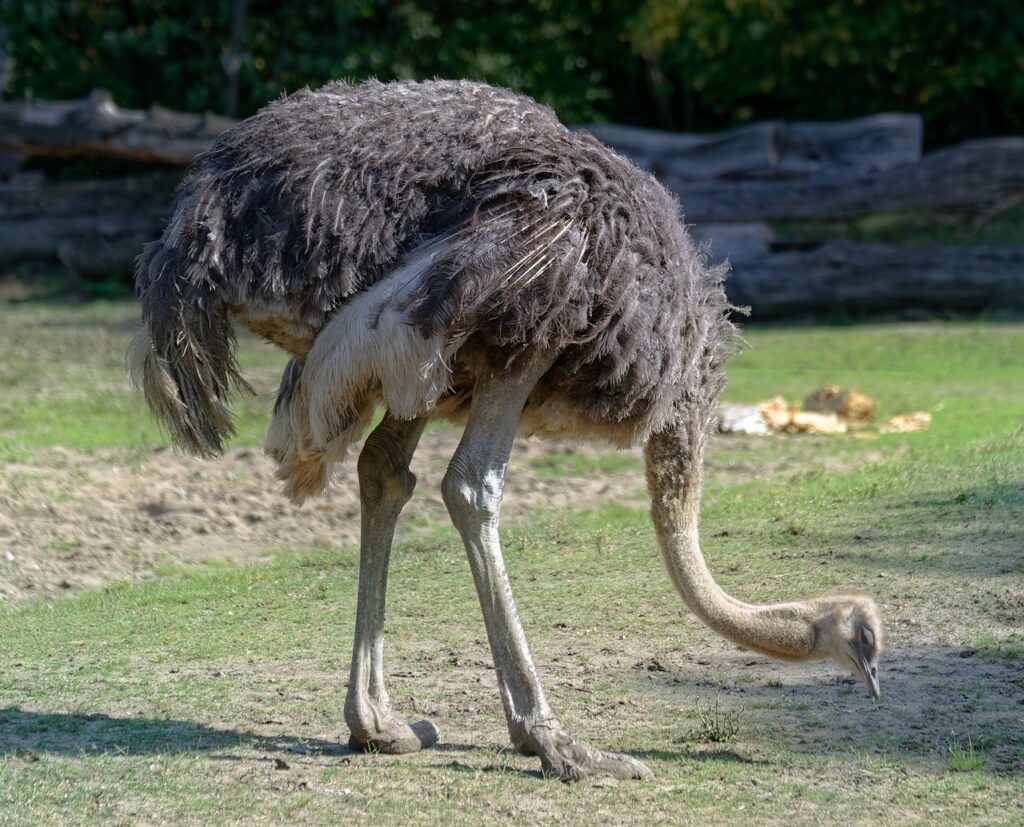
The misconception that ostriches bury their heads in the sand likely arose from their nesting habits and their behavior when sensing danger. When faced with a threat, an ostrich may crouch low and flatten itself against the ground to blend into its surroundings. From a distance, this might resemble head-burying but serves as a brilliant survival strategy called cryptic behavior. By blending in with their environment, ostriches can avoid detection by predators. This wise tactic further emphasizes their evolutionary success and debunks the myth surrounding their behavior.
Ostriches: More Than Just a Myth

Seen often as mere symbols of an age-old myth, ostriches are in fact fascinating birds with much more to offer. Besides their impressive size and speed, they play a vital role in their ecosystems. As part of their natural habitat, they disperse seeds, aiding in plant growth and maintaining biodiversity. Their droppings also enrich the soil, contributing to a healthy ecosystem. Understanding ostriches beyond these myths reveals their true value, not just as caricatures of fear, but as pivotal players in their environment, worthy of admiration and respect.