
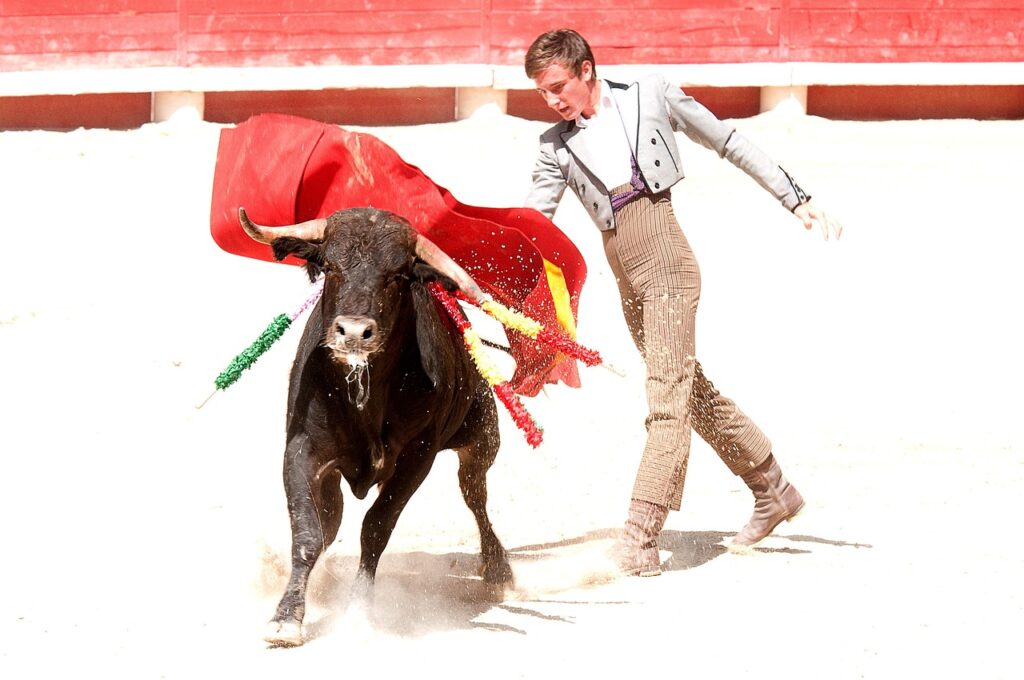
It’s one of the most iconic scenes in popular culture: a matador waves a red cape, and the bull charges in a fury. But does the color red actually make bulls angry—or is it just a myth that’s stuck around for centuries? Despite what bullfighting traditions and cartoons suggest, the truth might surprise you. This age-old belief has more to do with movement than color. Here’s what really triggers a bull’s rage—and why red isn’t the reason.
Understanding Bull Behavior
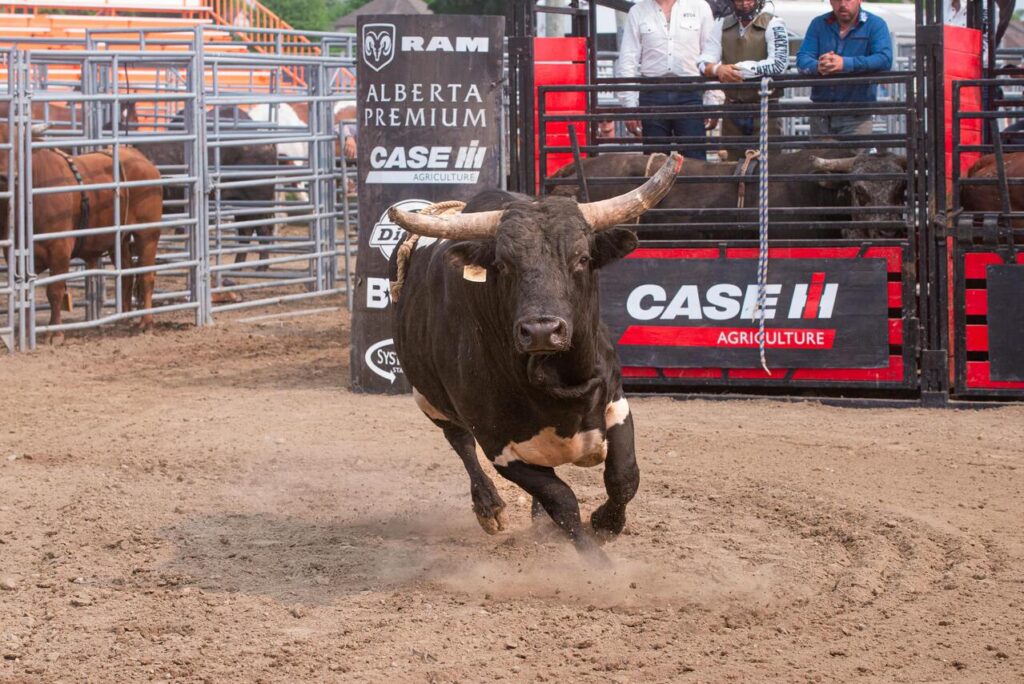
Bulls, like many animals, are naturally curious and can display a range of behaviors depending on their environment. These powerful creatures are often seen as symbols of strength and ferocity, but in reality, they are not inherently aggressive. Bulls often graze peacefully in herds and will only show signs of aggression when they feel threatened or challenged. Their behavior is deeply influenced by their social interactions and breeding environments, highlighting the importance of understanding their natural instincts before making assumptions.
The Myth of the Red Rag
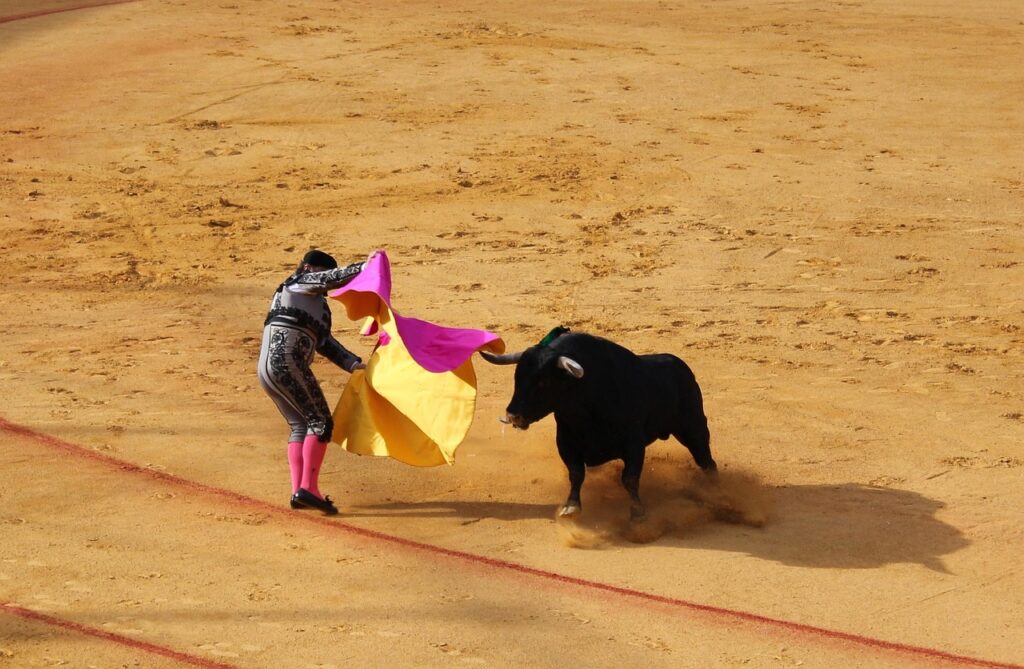
For years, the image of a bull charging a matador waving a red rag has perpetuated the belief that bulls are provoked by the color red. But this is largely a myth. Bulls, like other cattle, are dichromatic, meaning they see a limited color spectrum and are actually colorblind to red. The idea that red incites anger in bulls is more about tradition than scientific fact, as the color is more for the spectacle of bullfighting than the bull’s perception.
Color Perception in Bulls
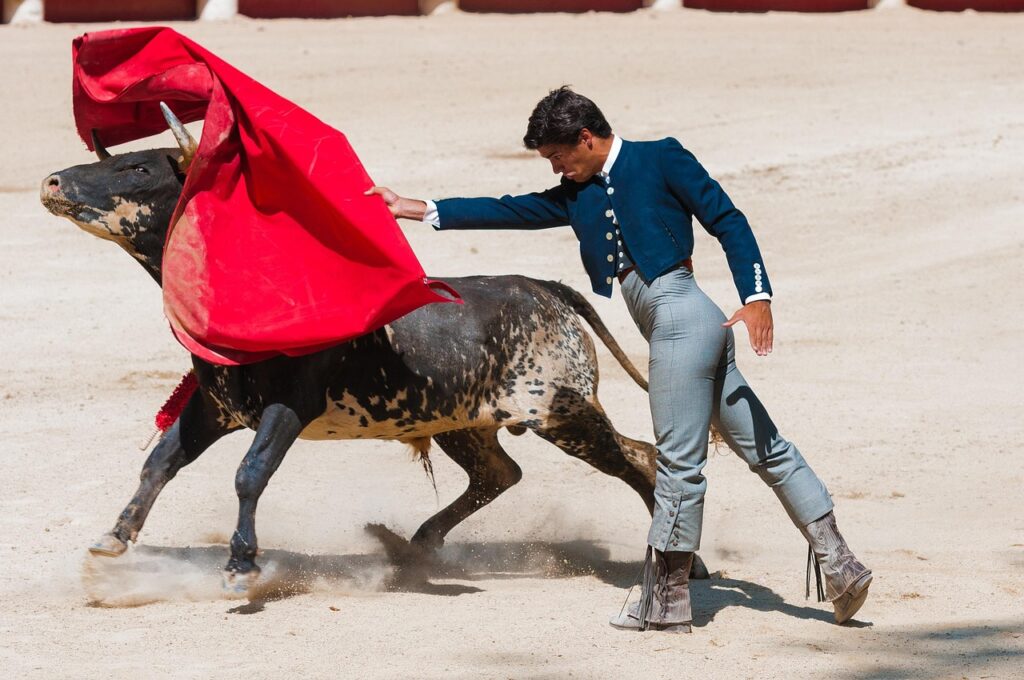
Bulls perceive colors differently from humans. According to science, they can only distinguish between two color spectrums: blue-violet and yellow-green. This means that the red rag waved by a matador appears as a shade of gray or a dull tone to a bull. It’s not the color itself that provokes a response, but rather the movement of the cloth that captures the bull’s attention and triggers its instinct to charge.
What Actually Provokes Bulls?
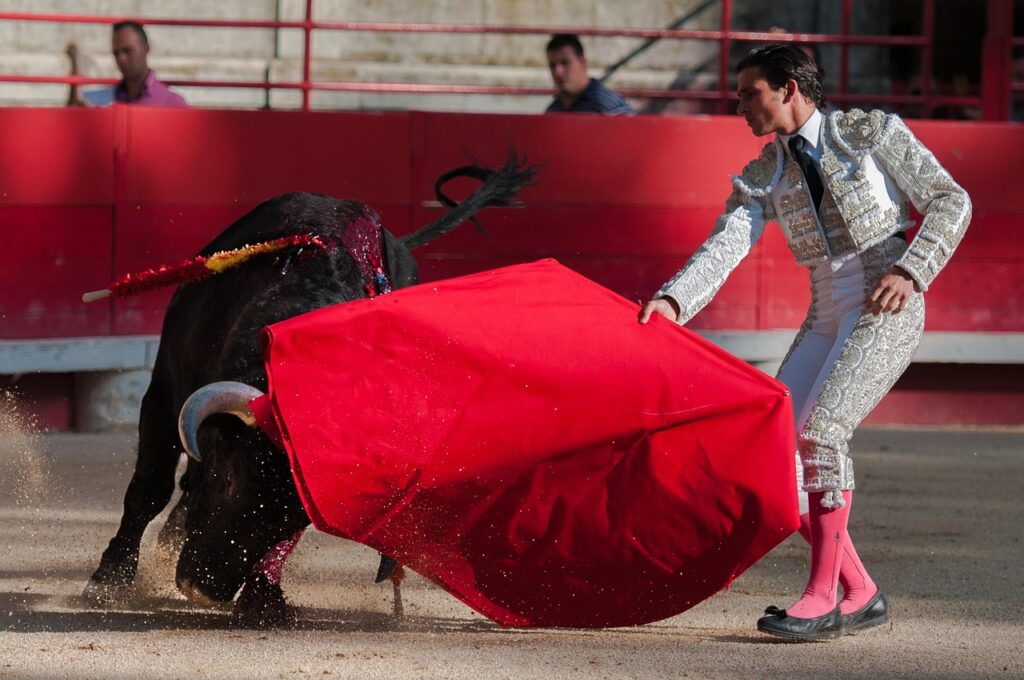
Bulls are prompted to charge not by the color red, but by movement. Quick or sudden movements can trigger their territorial instincts or aggressive responses. In a bullfight, it is the flapping, flickering motion of the cape that engages the bull and not its hue. In their natural environment, bulls use movement to detect and respond to potential threats, making them highly alert and ready to defend their space when needed.
The Role of the Matador
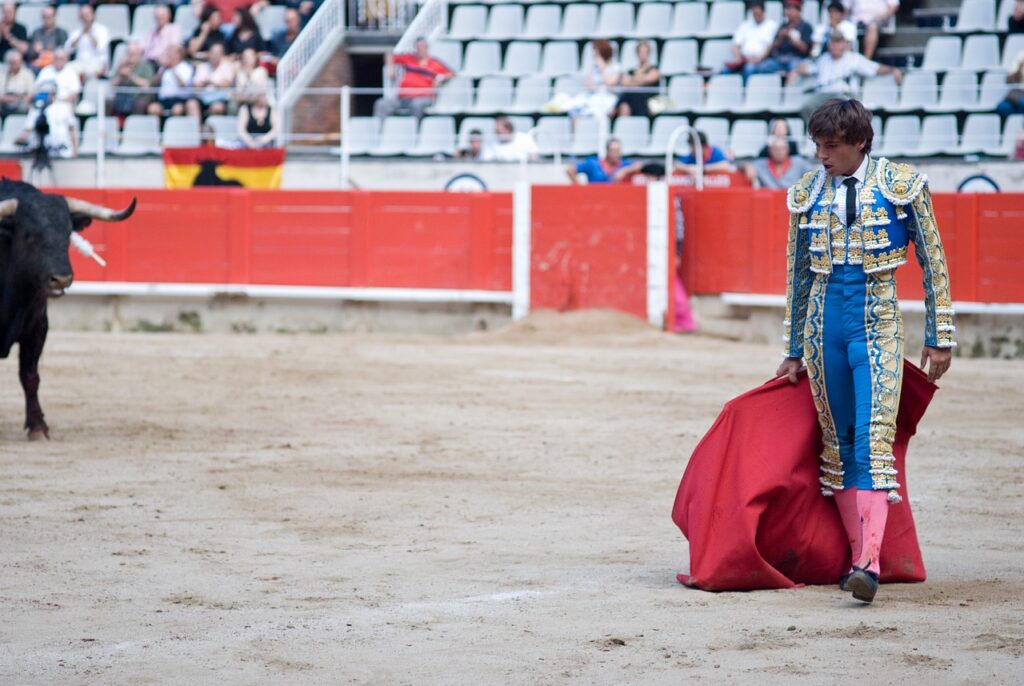
The matador plays a crucial role in the spectacle of bullfighting, using skill and artistry to engage with the bull. The dance between matador and bull relies on the matador’s ability to command attention through movement. While the red cape is iconic, it is the matador’s fluid and agile motions that hold significance. This ritualistic engagement is deeply rooted in cultural tradition, showcasing human agility and bravado more than revealing anything about bull color perception.
Science Behind Bull Reactions
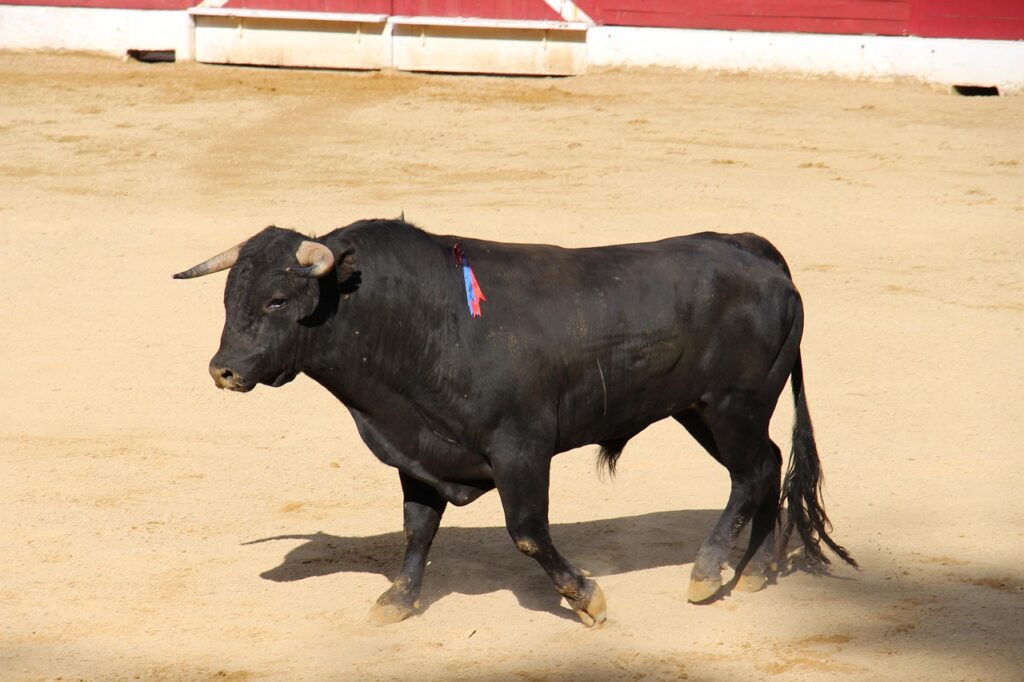
Bulls are renowned for their furious charges in bullfights, often spurred by the sight of a matador’s red cape. But is it really the color red that enrages them? Science says no. Bulls, like many other cattle, are dichromatic, meaning they see two colors—and red isn’t one of them. It’s the movement of the cape that grabs their attention, not its hue. According to animal behavior experts, the swaying cloth and the matador’s movements are what provoke the bull’s instincts to charge, not the color itself.
Other Bull Behaviors
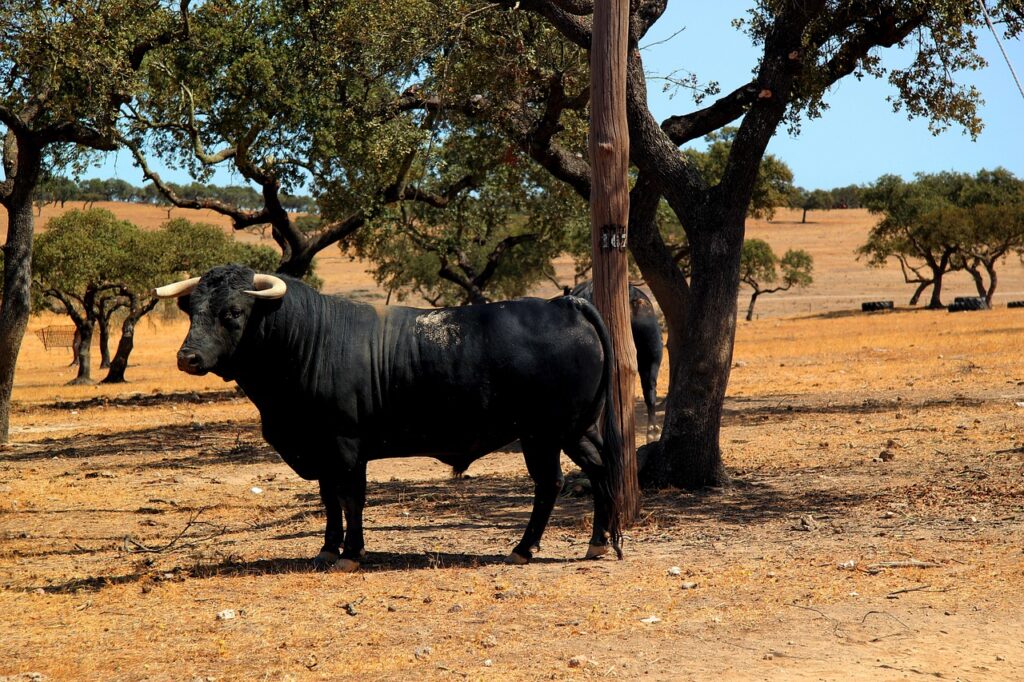
Beyond the arena, bulls have fascinating behaviors that demonstrate their social complexity and environmental needs. In the wild or on farms, bulls are territorial and establish dominance through displays of strength rather than colors. They engage in sparring with their horns and showing off their size to assert control over a group. Bulls also socialize within their herds, displaying protective behaviors towards calves and cows. This social structure ensures their survival and harmony within the herd, underscoring the incredibility of natural bull habitats.
Animal Color Vision Studies
Animal color vision varies widely across species, with some seeing a spectrum far removed from human perception. Studies on animals like dogs, cats, and bulls indicate they see a limited range of colors. Generally, they perceive blue and green tones, missing out on reds entirely. This research helps explain why the red in bullfighting is immaterial—it’s a learned myth that persists despite scientific understanding. Observing these color perception trends in animals offers insights into their natural responses and helps debunk longstanding myths.